What’s the Big Deal About Low-Calorie Treats?
Indoor cats often require fewer than 200 calories a day to maintain their ideal weight, yet many commercial snacks pack a massive caloric punch in a tiny package. It isn’t just about vanity or a sleek coat; carrying extra weight puts significant stress on your cat’s joints and drastically increases the risk of diabetes. By swapping to low-calorie cat treats for weight loss, you aren’t depriving them of joy, you’re just ditching the empty fillers that lead to obesity. This shift allows you to maintain that special bonding ritual without compromising their long-term vitality.
The real scoop on why regular treats can wreck your cat’s diet
Commercial treats can contain up to 5 calories per piece, which sounds negligible until you realize giving just ten of them adds up to 25% of an average indoor cat’s daily energy requirement. That is basically the equivalent of you eating an entire extra meal just as a snack. Most store-bought options are loaded with carbohydrates and flavor enhancers that make them addictive – causing your cat to beg for more even when they aren’t hungry. It is a cycle that quickly leads to weight gain without you even noticing the portion creep until the vet points it out.
What does “low calorie” really mean anyway?
Veterinary nutritionists universally agree that treats should never make up more than 10% of your cat’s total daily calorie intake. For a healthy cat treats diet, “low calorie” usually means anything under 2 calories per piece. This allows you to reward good behavior or just show affection multiple times a day without blowing the calorie budget. It’s about volume versus density – giving them something tasty that doesn’t sit like a brick in their stomach or spike their blood sugar unnecessarily.
Reading labels is tricky because manufacturers often hide the calorie count in tiny print or use confusing serving sizes to make their product look healthier than it is. When you make treats at home, you control exactly what goes in. You can use ingredients like plain cooked chicken or tuna which are high in protein but much lower in fat than the processed mystery goo found in bags. Protein promotes lean muscle mass, which helps burn more calories even while your cat is napping in a sunbeam. So when we say low calorie, we really mean high nutrient density with zero unnecessary fillers that bulk up your cat.
The balance between love and health
Feeding is the primary way many owners bond with their pets, but food does not equal love if it hurts them. You might feel guilty ignoring those big pleading eyes, but giving in to constant begging for high-calorie snacks is actually doing them a huge disservice. Finding a balance means shifting your mindset to view health as the ultimate form of affection. You can still have that bonding time, just with different fuel that supports their body instead of weighing it down.
Your cat doesn’t actually care if the treat comes from a crinkly bag or your kitchen fridge – they just want the interaction and the flavor. By switching to homemade options, you can actually feed *more* frequently because the caloric density is so much lower. Imagine tossing a small cube of boiled chicken breast across the room for them to chase; that turns snack time into exercise time. Movement burns calories, and the mental stimulation of hunting for their food beats mindlessly eating from a bowl any day. It’s a win-win for their waistline and your relationship.
How Do Treats Really Affect Your Cat’s Weight?
Just like that extra cookie impacts our waistlines, tiny snacks add up alarmingly fast for felines. You might think a few crunchy bites don’t matter, but for an indoor cat, they can be the difference between a healthy weight and obesity. It’s all about the math – calories in versus energy out. Since most house cats spend 18 hours sleeping, they aren’t burning off that “healthy cat treats diet” you’re trying to implement if the portions are wrong. Treats should never exceed 10% of their daily intake, or you’re asking for trouble.
Daily calories – how much is too much?
Think about your cat’s size compared to a human. A 10-pound cat only needs about 180 to 200 calories a day to maintain weight, and even less for weight loss. So if you toss them a commercial treat stick worth 15 calories, that’s nearly 10% of their entire day gone in two seconds. Do that three times? You’ve accidentally overfed them by a massive margin. It’s scary how fast it happens. To make low calorie cat treats for weight loss actually work, you have to count every single crumb.
The sneaky hidden sugars and fats in store-bought treats
Commercial brands are masters of disguise when it comes to ingredients. They coat kibble in animal digest-a fatty flavor enhancer-to make it addictive, effectively turning a simple snack into a calorie bomb. Check the label and you’ll often see “glycerin” or strictly vague “meat by-products” near the top. These aren’t just fillers; they are dense sources of hidden sugars and fats that spike insulin and pack on pounds. Even packages screaming “weight management” can be misleading if the serving size is unrealistic for your lazy indoor kitty.
It gets worse when you realize that cats have zero biological requirement for carbohydrates, yet many popular crunchy treats are held together by wheat, corn, or soy. You’re basically feeding them candy bars disguised as chicken bites. These cheap binders act like sugar in your cat’s body, storing directly as fat because their metabolism just doesn’t know what to do with it. And since cats are obligate carnivores, their bodies handle these carb-heavy fillers poorly, leading to inflammation and stubborn belly pouches that just won’t budge no matter how much you play with the laser pointer. By switching to homemade options, you eliminate these metabolic disruptors entirely.
Understanding your cat’s unique dietary needs
Not every cat burns energy the same way. A spayed or neutered indoor cat has a significantly lower metabolic rate-sometimes 20-30% less-than an intact outdoor roamer. This means their margin for error is razor-thin. What works for your friend’s active Bengal won’t work for your nap-loving Ragdoll. You have to tailor the “healthy cat treats diet” specifically to your cat’s age and activity level. If they aren’t zooming around at 3 AM, they probably don’t need those extra calories.
Age plays a massive role here too, because as your cat hits their senior years, their ability to digest fats and proteins changes. An older cat might lose muscle mass while gaining fat, making high-protein, low-fat homemade treats absolutely crucial for preserving lean tissue without adding bulk. It’s a balancing act. You need to ensure that when you do treat them, it counts nutritionally. Giving a senior cat a fatty, store-bought treat is wasted calories, whereas a piece of plain boiled chicken provides the pure protein their aging muscles actually crave. Customizing their intake stops the guessing game and puts you back in control of the scale.

My Take on Designing Weight-Friendly Homemade Treats
There’s been a massive shift lately towards “functional snacking” in the pet world, and honestly, it’s about time we applied that to our chunky indoor cats. When you’re whipping up a healthy cat treats diet in your own kitchen, the goal isn’t just smaller portions – it’s about maximizing nutrient density while slashing empty fillers. You want to create something that feels like a reward but acts like a supplement. By focusing on moisture-rich ingredients and high-fiber additions like pumpkin, you can actually increase the volume of the treat without spiking the calorie count, keeping your kitty satisfied without wrecking their progress.
Lean proteins – what are the best options?
Stick to the absolute basics here because fancy isn’t always better for waistlines. Chicken breast and turkey are the gold standards for low calorie cat treats for weight loss since they pack a protein punch with minimal fat, but don’t sleep on white fish like cod or flounder. These options are naturally lower in calories than beef or pork, which can be too rich for a sedentary cat. Just be careful with tuna – it’s okay as a rare flavor booster, but the high mercury content and strong taste can make picky eaters refuse anything else.
No added sugar – why this matters more than you think
It’s wild that so many commercial brands still sneak sweeteners into savory snacks, but your kitchen is a sugar-free zone. Cats are obligate carnivores, meaning they literally lack the taste receptors for sweet things, so adding honey or molasses does nothing for them and everything to their waistline. Excess sugar gets converted directly into fat deposits, specifically around the liver. Cutting this out is the single easiest step in creating cat treats for weight loss that actually work, preventing those insulin spikes that lead to lethargy and weight gain.
Even ingredients that seem healthy to us, like sweet potatoes or carrots, need to be used sparingly because of their glycemic index. When a cat consumes simple carbs, their body goes into storage mode rather than burning energy, which is a disaster for an indoor cat that sleeps 16 hours a day. By sticking strictly to meat-based binders or low-glycemic veggies, you aren’t just cutting calories; you’re preventing inflammation and potential diabetes. It’s not just about the weight on the scale, it’s about metabolic health.
Baked vs fried – which is better for your kitty?
There is no competition here – baking or dehydrating is the only way to go. Frying adds unnecessary lipids that destroy the nutritional value of your lean proteins, turning a healthy snack into a calorie bomb. Baking at a low temperature preserves the nutrients and creates that satisfying crunch that helps clean teeth, without the grease. Plus, using an air fryer or oven allows you to control the texture perfectly. You want to dry out the moisture to concentrate the flavor without adding a single drop of oil.
Think about dehydration too if you have the time. Slow-roasting meats at the lowest setting of your oven – around 175°F or 200°F – creates a jerky-like texture that takes longer for your cat to chew. This actually helps with satiety because they feel like they’re eating more than they actually are. Chewing burns a tiny bit of energy and keeps them occupied, unlike soft, fried treats that are gulped down in seconds. It’s a simple texture hack that makes the diet feel less restrictive for your hungry furball.
Ready to Get Cooking? Here Are Some Tips for Success!
You don’t need a culinary degree to whip up something better than what’s in those foil bags. It’s actually easier than trying to decipher the unpronounceable ingredients on commercial labels. To keep your healthy cat treats diet on track without stressing out, just focus on simple preparation methods that control portions automatically. Here are a few quick pointers to get you started:
- Use small silicone molds to ensure every treat is uniform in size.
- Weigh your ingredients rather than scooping to avoid accidental calorie creep.
- Stick strictly to low calorie cat treats for weight loss recipes that prioritize protein over fillers.
Perceiving your cat’s weight loss journey as a bonding experience rather than a chore makes the whole process way more rewarding.
Kitchen importants for making cat treats
People often assume you need a fancy dehydrator or specific animal-shaped cutters to make cat treats for weight loss, but that’s just marketing fluff. A standard baking sheet and some parchment paper are really the only non-negotiables here. You might want a food processor if you’re blending up chicken or liver, but honestly, a fork and some elbow grease work fine for mashing canned tuna. The most useful tool is actually a set of precise measuring spoons – because when you’re dealing with a 10-pound animal, even a little extra oil adds up fast.
Ingredient swaps that keep it healthy
You might think swapping out fats makes treats taste like cardboard, but cats are driven way more by smell than mouthfeel. Instead of using oil or butter to bind your dough, try using low-sodium tuna water or plain, unsalted bone broth. These liquids add a massive flavor punch without the calorie bomb found in commercial snacks. Concerning dry ingredients for low calorie cat treats for weight loss, ditch the bleached flour. Coconut flour or oat flour are better choices because they add fiber, which helps keep your indoor kitty feeling full.
Let’s talk about the cheese trap for a second. While recipes often call for cheddar to entice picky eaters, it is incredibly high in fat and calories. A much smarter move for a healthy cat treats diet is using a sprinkle of nutritional yeast instead. It has a nutty, cheesy flavor that cats absolutely go crazy for, but it’s packed with B-vitamins and has barely any fat. Also, if a recipe calls for milk, just use water – most adult cats can’t digest lactose anyway, so you’re saving them from an upset stomach and saving calories at the same time.
Storing treats – how to keep them fresh
Homemade goodies don’t have those heavy-duty preservatives found in store-bought bags, so you can’t just toss them in the pantry and forget about them for a month. Moisture is the enemy here. If you bake something crunchy, it needs to be completely cool before hitting the jar, or it’ll get soft and moldy within days. For meat-based cat treats for weight loss, the fridge is mandatory. A glass jar with a tight seal works wonders, but a simple plastic container with the air squeezed out does the job too.
If you went a little overboard and baked a huge batch – which happens to the best of us – the freezer is your best friend. Most DIY treats freeze beautifully for up to three months. Just separate the layers with wax paper so they don’t freeze into one giant, unmanageable clump. When you’re ready to serve, just thaw a few in the fridge overnight. This is actually a great strategy for portion control too, since you aren’t tempted to overfeed straight from a massive jar sitting on the counter.
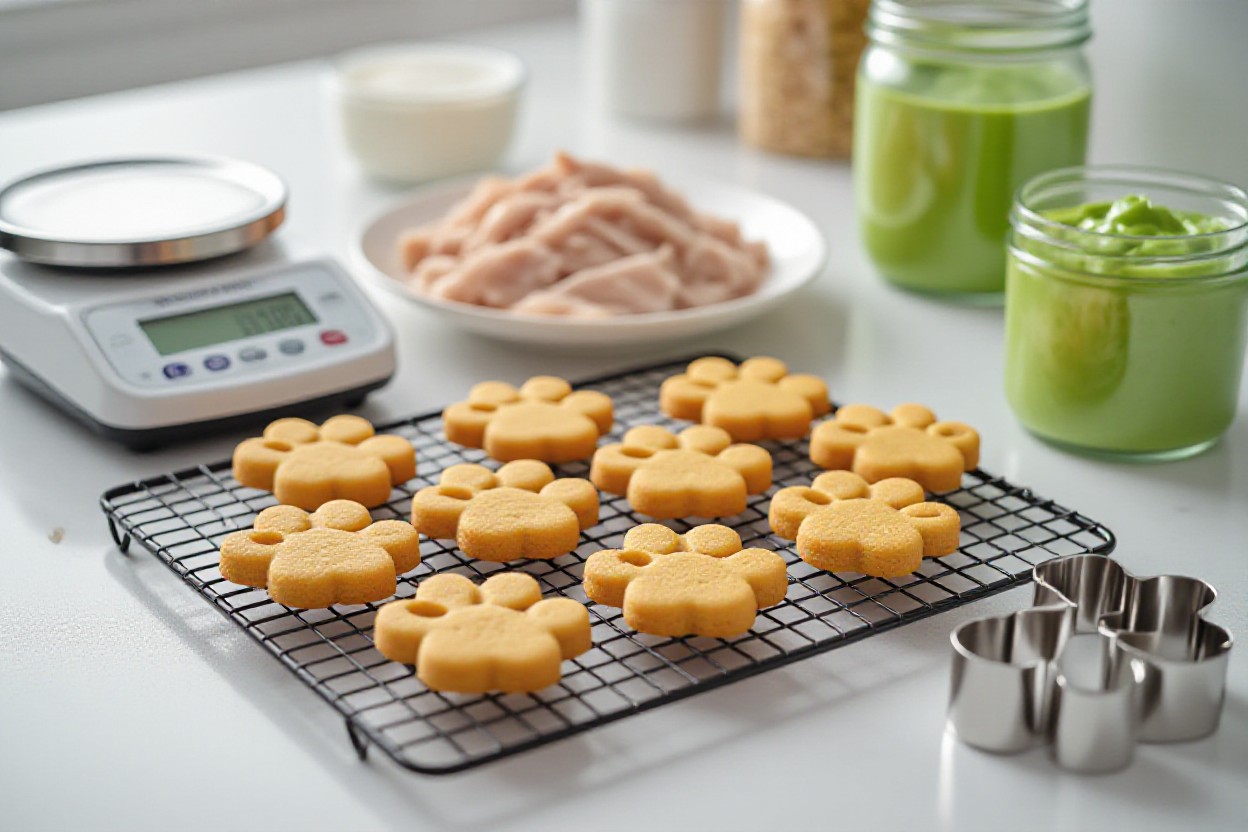
Let’s Get to the Good Stuff: 3-4 Low-Calorie Treat Recipes
There’s been a massive shift lately toward single-ingredient diets, and honestly, it makes total sense for kitty weight loss. You don’t need a culinary degree to ditch the processed junk; you just need to control what goes into the mixing bowl. By swapping out those calorie-dense commercial bags for simple, whole foods, you’re directly tackling your indoor cat’s weight issues without depriving them of joy. These recipes focus on high protein and low filler, ensuring your fluffy friend gets a reward that actually supports their diet goals instead of wrecking them.
Recipe 1 – Chicken Delights: Approx. calories per treat
Poached chicken is the gold standard for a reason – it’s lean, clean, and cats go absolutely bonkers for it. You’re looking at less than 3 calories per cube, which is a game-changer compared to the 15+ calories hiding in some store-bought chews. Simply boil a breast without any salt or seasonings, let it cool completely, and dice it into tiny, pencil-eraser-sized bites. These can be frozen in batches, meaning you’ve always got a stash of healthy cat treats for weight loss ready to go when the begging starts.
Recipe 2 – Fishy Fun: Here’s how to whip these up!
Canned tuna in water is your best friend here, but you have to drain it thoroughly to remove excess sodium. Mix one can with an egg white and a tablespoon of coconut flour to create a bindable dough that isn’t packed with empty carbs. Roll them into tiny balls and bake at 350 degrees for about 15 minutes until they’re firm. It’s a bit smelly while baking, sure, but avoiding oil-packed fish cuts the fat content dramatically, making these perfect for sedentary indoor cats watching their waistlines.
So why the egg white? It binds everything together while keeping the protein high and skipping the cholesterol found in the yolk. Because these treats are moist, they won’t last forever on the counter like the dehydrated stuff you buy at the store. You need to store them in the fridge for up to three days or freeze them for later use. Mold can grow quickly on homemade moist treats without preservatives, so always check them before tossing one to your cat.
Recipe 3 – Veggie Crunchies: Keeping things interesting
Not every cat is a carnivore 24/7, and adding fiber can help them feel full faster. Steamed green beans or pumpkin cubes are surprisingly popular and contain almost zero calories. You can dehydrate thin slices of sweet potato in your oven on the lowest setting for a chewy texture that mimics jerky. This approach adds bulk to their diet without the weight gain, effectively acting as a high-volume, low-energy density snack that keeps their digestion moving and curbs those 3 AM hunger pangs.
It might feel weird handing a predator a green bean, but the crunch is incredibly satisfying for them. If your cat turns their nose up at plain veggies, try tossing the cooked beans in a tiny bit of tuna water before serving to trick them into eating their greens. But be careful with your selection. You must never use onions, garlic, or grapes, as these are toxic to felines. Stick to cat-safe veggies to keep this a safe addition to a healthy cat treats diet.

Using Treats in Training – But How Do You Not Overdo It?
Training an indoor cat sounds great until you realize it usually involves a mountain of snacks, which is a nightmare for a diet plan. That’s the catch-22 with weight loss – you need rewards to motivate them, but too many rewards destroy your calorie deficit. Instead of stopping training, you just need to change the math. By swapping high-calorie commercial bites for smarter alternatives, you can keep the fun without the guilt. It’s about being stingy with the size but generous with the praise.
Breaking treats into tiny, manageable pieces
Here is a secret most people miss – your cat doesn’t actually care how big the treat is, they just want to know they got one. Seriously, a crumb tastes just as good to them as a whole nugget. Take those homemade tuna bites or jerky strips and break them into pieces no bigger than a pencil eraser. You can turn one single treat into ten rewards this way, drastically cutting down the calorie count while keeping your kitty feeling like a winner.
Using kibble as a sneaky reward
If your cat is on a strict diet, their regular meal is already gold to them. Simply measure out their daily allowance of dry food in the morning and set aside about 10% of it specifically for training. You aren’t adding extra calories this way; you’re just reallocating what they would have eaten anyway. It feels like a bonus to your cat, but it’s actually just lunch served one piece at a time.
This trick works best when you create a sense of scarcity around those plain old kibbles. If you leave a bowl full of food out all day – free feeding – this won’t work because the food has zero value to them. But if you switch to scheduled meal times, suddenly that dry crunch becomes a high-value currency. You can even toss the kibble across the floor to trigger their prey drive, making them work for their calories and burn a tiny bit of energy in the process, which is exactly what an overweight indoor cat needs.
Timing is everything – when to offer treats
Cats have an incredibly short attention span when it comes to connecting actions with rewards. You have to be fast. The moment their bottom hits the floor for a “sit” or they touch the target stick, that treat needs to be in their mouth. Waiting even three seconds is too long because they’ve already moved on to thinking about grooming their paw or staring at a dust mote. Immediate reinforcement is the only way to make the calorie expenditure worth it.
Since we are talking about keeping things low-calorie, short sessions are your best friend. Aim for training bursts of just two or three minutes before meals when they are naturally hungriest and most motivated. Not only does this ensure they are actually interested in your healthy, homemade snacks, but it also prevents you from mindlessly feeding them for twenty minutes straight. It stops you from overfeeding, and it keeps your cat from getting bored and wandering off to nap on the sofa.
The Pros and Cons of Homemade Cat Treats
Switching from store-bought bags to a healthy cat treats diet isn’t just about counting calories, it’s a lifestyle shift for you and your chonky indoor cat. You’re probably wondering if the mess in the kitchen is actually worth the weight drop. It’s a valid question. While making low calorie cat treats for weight loss gives you total control, it definitely asks for more of your Sunday afternoon than popping a lid off a plastic tub. Let’s break it down so you can decide if this route fits your schedule.
| Pros of DIY Treats | Cons of DIY Treats |
|---|---|
| Complete control over calorie count | Significantly shorter shelf life |
| Zero hidden sugars or fillers | Requires prep and baking time |
| Customizable for picky eaters | Texture might differ from commercial brands |
| Often cheaper per ounce | Need for airtight, refrigerated storage |
| Eliminates mystery meat by-products | Risk of spoilage if forgotten |
| Higher moisture content | Cleanup of baking tools |
The benefits of knowing exactly what’s in your cat’s food
Commercial snacks are often calorie bombs disguised as love. When you take the reins, you eliminate the mystery meat and hidden carbohydrate fillers that sabotage cat treats for weight loss goals. You know exactly how much lean turkey went into that bite – zero guessing games. This transparency is huge for indoor cats who don’t burn much energy running around. Plus, you can tailor recipes to avoid specific allergens or flavors your cat hates, ensuring every calorie counts towards nutrition rather than just empty fluff.
The time and effort involved in making treats yourself
Let’s be real – baking tuna crisps takes longer than shaking a bag of Dreamies. You have to prep, bake, and store, which can feel like a chore after a long work week. But once you get a rhythm, it’s surprisingly manageable. Batch cooking is your best friend here. You aren’t making a fresh meal three times a day, just a weekly or bi-weekly batch of low calorie cat treats for weight loss that sit happily in the fridge.
And honestly, the cleanup is usually the most annoying part. If you don’t have a dishwasher, scrubbing dried salmon off a baking sheet is… well, it’s gross. But think about the tradeoff. You spend maybe forty minutes on a Sunday prepping a tray of snacks. That small investment of time saves you from reading confusing labels in the pet aisle for twenty minutes trying to find a healthy cat treats diet that isn’t full of corn syrup. Plus, seeing your cat go crazy for something you made with your own hands? That feeling is pretty hard to beat.
What to watch out for when DIY-ing cat treats
Just because it’s homemade doesn’t mean it’s automatically safe. You need to be hyper-aware of toxic ingredients like onions, garlic, and grapes, which can be fatal even in tiny amounts. Also, since these treats lack the heavy-duty preservatives found in store brands, they spoil fast. You can’t leave them in the cupboard for months. Mold grows quicker than you’d expect on meat-based snacks, so always keep them refrigerated or frozen to avoid making your kitty sick while trying to help them slim down.
Another sneaky trap is nutritional imbalance. While these are just treats and not their main dinner, throwing off their diet with too much of one nutrient can cause issues over time. For example, relying too heavily on raw fish can sometimes deplete thiamine crucial for your cat’s health. It’s best to rotate proteins. And don’t let the “healthy” label trick you into overfeeding – calories are still calories. Even the best cat treats for weight loss will add pounds if you hand them out like candy. Stick to the 10% rule where treats never exceed ten percent of their daily caloric intake.
The Role of Treats in Your Cat’s Overall Diet
Most people think treats are just a way to show love, but biologically, they’re just fuel – and for a chubby indoor kitty, that fuel tank overflows pretty fast. It’s easy to think a few extra crunchies don’t matter, but calories from treats should never exceed 10% of your cat’s daily caloric intake. Any more than that and you risk nutritional imbalances, plus you’re basically undoing all the hard work you put into measuring their dinner. Treats aren’t a separate food group; they’re part of the total package.
Finding the right balance of treats to daily food
You’ve got to treat the treat allowance like a budget, not a bonus. If your vet says Fluffy needs 200 calories a day to lose weight, and you feed 20 calories worth of homemade tuna jerky, you must subtract those 20 calories from their main meal. It’s a simple swap – calories in versus calories out. Otherwise, you’re just overfeeding them with a smile on your face, and that extra weight isn’t going anywhere.
Integrating treats into a weight management plan
Stop giving away the goods for free. Instead of tossing a treat for being cute, make your cat work for it to burn some extra energy. Use these low-calorie snacks as rewards for play sessions or put them inside a puzzle feeder so they have to hunt. This turns snacking into an activity rather than just mindless eating, which is exactly what bored indoor cats need to shed pounds.
Timing is everything here. If you toss a treat every time your cat meows at the pantry door, you’re actually training them to beg – and probably to overeat. Try using these homemade bites strictly for positive reinforcement during grooming or after a solid round of chasing the feather wand. Associate the treat with physical activity or necessary handling, not just because they looked at you with those big eyes. It changes the psychological relationship with food, shifting it from a boredom killer to a functional tool in their weight loss journey.
Monitoring your cat’s progress – what to look for
Scales don’t lie, but they aren’t the only metric that matters. You should be feeling for their ribs – you should be able to feel them easily without pressing hard, but not see them. If you switch to homemade treats and their coat starts looking dull or flaky, that’s a red flag they might be missing necessary nutrients from their main diet because the balance is off.
Don’t expect – or even want – the weight to drop off overnight. Safe weight loss for a cat is incredibly slow, usually around 0.5% to 2% of their body weight per week. If they drop weight too fast, it’s actually dangerous and can lead to fatty liver disease. So if you notice them slimming down rapidly after cutting commercial treats, you might actually need to bump their food up a tiny bit. It’s a constant adjustment game, not a “set it and forget it” deal.

Why I Think Cats Deserve Treats – Seriously!
Is it really fair to cut out all the joy just because your indoor cat needs to shed a few pounds? I don’t think so. Treats aren’t just food – they are currency in the feline world. Totally depriving your cat can lead to behavioral issues or frustration, which is the last thing you need in your home. The trick isn’t stopping; it’s swapping high-fat junk for a healthy cat treats diet. You can absolutely spoil them without spoiling their waistline.
The bond between you and your kitty
Ever notice how your cat perks up the second you crinkle a bag or open the fridge? That moment of anticipation creates a shared positive experience between you two. Hand-feeding low calorie cat treats for weight loss reinforces trust, especially with shy cats. It tells them “I provide good things.” Breaking that ritual feels wrong because it is wrong – food is love in many households. Maintaining that connection while managing their weight is totally possible if you choose the right ingredients.
Emotional benefits versus physical health
Does a skinny cat automatically equal a happy cat? Not if they’re miserable from strict deprivation. Mental health matters just as much as the number on the scale. Giving a cat treat for weight loss provides enrichment and breaks up the monotony of indoor life. We have to find the sweet spot where emotional satisfaction meets physical safety. It’s about moderation, not elimination, ensuring their tail stays up even while the weight comes down.
Think about how you feel when you’re on a strict diet – pretty grumpy, right? Your cat feels the same way. Boredom eating is real for indoor cats, and cutting them off cold turkey can actually lead to stress-induced grooming or aggression toward other pets. By using homemade options like tuna water ice cubes or baked chicken bites, you satisfy that primal hunting urge and the desire for variety without the caloric bomb of commercial kibble. You are prioritizing their long-term joint health by reducing weight, sure, but you’re also protecting their spirit by keeping the rewards flowing.
Other ways to show love without treats
Are you worried that you’re overdoing the snacks even with healthy options? Sometimes the best “treat” isn’t edible at all. Cats often confuse hunger with a desire for interaction. Instead of walking to the pantry, try picking up a wand toy or a grooming brush. Playtime burns calories instead of adding them. It distracts them from the food bowl and strengthens your bond without adding a single gram to their frame.
Let’s get real about the “food beggar” meow – usually, they are just bored out of their minds. Next time they scream at the empty bowl, try a five-minute session with a laser pointer or a catnip kicker. You’ll be surprised how often they forget about food once the hunting instinct kicks in. Physical touch like chin scratches or a heated lap session can release the same bonding hormones as a snack. Swapping just two treat sessions a day for play can reduce their intake by 20-30 calories, which is massive for a 12-pound cat trying to slim down.
The Real Deal About Feline Nutrition
Cats are obligate carnivores, meaning they absolutely require meat to survive, not just to thrive. Many commercial cat treats for weight loss try to trick you by swapping out fats for fillers like corn or wheat, which actually spikes blood sugar. That’s a disaster for an overweight indoor cat. Your goal isn’t just a calorie deficit – it’s maintaining high protein while cutting the fluff so their metabolism doesn’t crash.
Every kitty is different – tailoring nutrition to individual needs
Just like humans, some cats burn through dinner while sleeping, while others look at a kibble and gain an ounce. A sprawling, lazy Ragdoll has totally different caloric needs than a hyperactive Bengal, even if they weigh the same. You have to calculate their Resting Energy Requirement (RER) specifically. Giving the same low calorie cat treats for weight loss to a 15-pound couch potato versus a 10-pound hunter can lead to dangerous nutrient deficiencies or continued obesity.
The importance of regular vet check-ups
Sometimes that “chunky” belly isn’t from too many snacks – it’s a symptom. Before switching to a healthy cat treats diet, get bloodwork done. Conditions like hypothyroidism or Cushing’s disease can make weight loss impossible regardless of how many homemade treats you bake. Dieting a sick cat without knowing it can be fatal because their bodies can’t handle the stress of calorie restriction.
There’s a scary condition called Hepatic Lipidosis – fatty liver disease – that strikes when overweight cats lose weight too fast. If you cut their calories drastically or they refuse your new treats and stop eating for just two days, their liver gets overwhelmed processing fat. This condition can kill a cat in less than a week. So, get your vet to sign off on your target calorie count to ensure you aren’t accidentally starving them into liver failure while trying to help them slim down.
What to keep an eye on as your cat ages
Senior cats are tricky because their metabolism slows down, yet their ability to digest protein actually gets worse. You might think they need fewer calories – and they do – but they need higher quality protein to prevent muscle wasting. If you notice their spine feeling bony even though they have a belly pouch, that’s sarcopenia. Your homemade treats need to be nutrient-dense, not just empty fiber, to support those aging kidneys and joints.
Extra weight on an older cat isn’t cute – it’s painful. Every extra pound on a senior frame puts immense pressure on arthritic joints, making them move less, which leads to more weight gain. It’s a vicious cycle. By sticking to a strict regimen of homemade, cat treats for weight loss, you aren’t just trimming their waistline; you’re directly reducing their pain medication needs. Weight loss is the single most effective pain reliever for arthritic cats. Keep a close watch on their jumping ability; if they start hesitating before leaping onto the couch, reassess their diet immediately.
Tips for Introducing New Treats to Your Cat
Strangely enough, the texture of a treat often matters more to a cat than the actual flavor. You might have the most delicious salmon bite prepared, but if it doesn’t have that familiar crunch or chew, your cat might act like you’re trying to poison them. To get them interested in a healthy cat treats diet without wasting your ingredients, you have to bridge the gap between their commercial junk food and real food. Try these simple tricks:
- Crush the low calorie cat treats for weight loss and sprinkle the dust over their wet food.
- Warm the treats slightly in the microwave for 3-5 seconds to release the aroma.
After you get them past the initial sniff-test, the battle is mostly won.
Patience is key – slow introductions
It can take up to ten separate exposures before a cat decides a new food is safe to eat. Seriously, ten times. So don’t get discouraged if you offer cat treats for weight loss and they just stare at you with that judgmental look. You are disrupting their routine, and for an overweight indoor cat, food is often their main source of entertainment. Start by offering a crumb the size of a grain of rice. If they ignore it, pick it up after 15 minutes. Try again tomorrow. Eventually, curiosity usually beats out their stubbornness.
Signs of food aversions – what to watch for
You might think a cat licking their lips is a sign of tasty anticipation, but it’s often actually a sign of nausea. If you offer a new treat and your cat immediately swallows hard or drools, take it away. That isn’t pickiness – that is their body telling them the food is “wrong.” Also, watch for the “burying” motion. If they scratch at the floor around the treat like they are in a litter box, they are telling you that this smells like waste, not food. Don’t force these items.
And pay close attention to what happens about an hour after they eat. Even safe, natural ingredients can cause gas or digestive upset if a cat isn’t used to fiber. If your cat suddenly zooms around the house meowing aggressively or you notice their belly feels tight to the touch, the new ingredient might be fermenting in their gut. This is common with veggie-based fillers. If this happens, stop the new treats immediately and stick to plain proteins for a few days to let their system reset.
Flavor exploration – how to find their favorites
Most people assume cats are obsessed with fish, but a surprising number of indoor cats actually go crazy for the taste of nutritional yeast – it tastes like cheese to them. Weird, right? To test flavors for your low calorie cat treats for weight loss without baking a whole batch, do a raw smell test. hold a tiny piece of the main ingredient (like cooked egg white or a bit of cantaloupe) near their nose. If their whiskers twitch forward, you have a winner. If the whiskers pull back against their cheeks, skip it.
You can also use this testing phase to discover high-value rewards that aren’t food-based at all. Some cats will work harder for a specific texture, like a freeze-dried cube, than they will for wet treats. Once you find that “jackpot” ingredient that makes their pupils dilate, save it exclusively for training sessions or difficult moments, like nail trims. By keeping their favorite flavor rare, you increase its value, making it easier to stick to a restricted calorie plan because you don’t need to use as much food to get their attention.
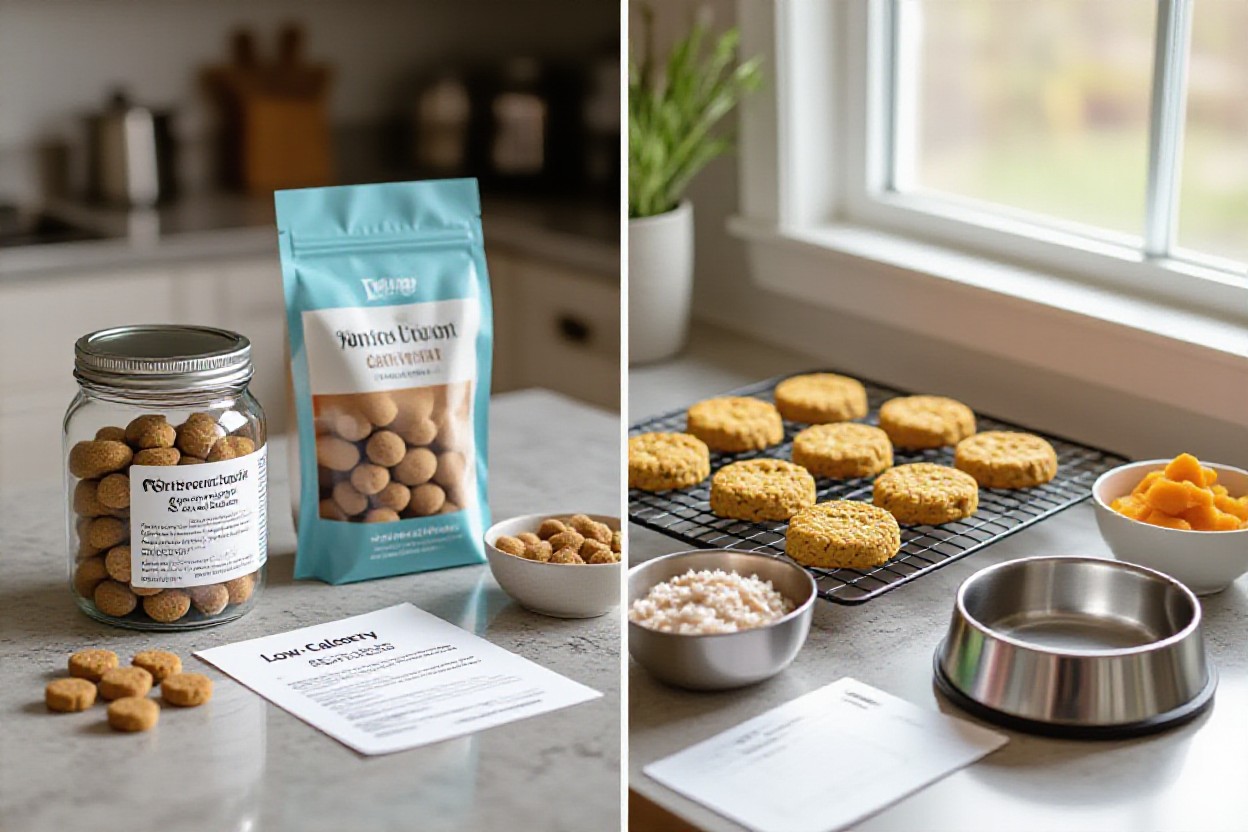
The Ultimate Cat Treat Debate – Store-Bought vs Homemade
What’s the truth about commercial treats?
Ever flip over a bag of “diet” treats and feel totally confused by the ingredient list? You aren’t alone. Many commercial options marketed as cat treats for weight loss are actually packed with carbohydrates and fillers like corn or wheat gluten to keep costs down. These empty calories spike blood sugar – a nightmare for your indoor kitty who just wants to nap. While they might claim to be low-cal, the serving sizes are often misleadingly small, making it way too easy to overfeed your chunky friend without realizing it. And let’s be real, most of us don’t stop at just one.
Cost comparisons – is homemade worth it?
So, does making your own healthy cat treats diet actually save money, or is it just a Pinterest fantasy? When you break it down by the ounce, the difference is actually pretty shocking. You might pay a premium for a tiny 2oz bag of “gourmet” freeze-dried liver at the pet store, but buying a pound of fresh liver from the butcher costs a fraction of that. You’re paying for the packaging and the brand name, not just the meat. It’s like buying a single coffee versus brewing a whole pot at home.
Price Breakdown: Store vs. DIY
| Product Type | Estimated Cost Per Ounce |
|---|---|
| Premium Store-Bought Freeze Dried Treats | $2.50 – $4.00 |
| Homemade Dehydrated Chicken/Liver | $0.40 – $0.70 |
Buying in bulk changes the game completely. When you pick up a value pack of chicken breast or a tin of sardines, you can whip up weeks worth of low calorie cat treats for weight loss in one afternoon. And since you control the portion sizes, you aren’t wasting money on crumbs at the bottom of the bag. Plus, you can freeze the dough or finished treats, meaning zero waste. Your wallet – and your cat’s waistline – will thank you. You are importantly cutting out the middleman and the marketing budget, putting that money back into high-quality ingredients.
Hidden Costs & Value
| Factor | Comparison Note |
|---|---|
| Medical Savings | Homemade reduces obesity risks, potentially saving thousands in diabetes or joint-related vet bills later. |
| Yield Volume | One $5 pack of fresh meat yields approx. 4x more treats than a $5 bag of commercial snacks. |
Convenience versus health – finding your sweet spot
Is it really realistic to bake for your cat when you barely have time to cook for yourself? It’s the biggest hurdle for most of us. Grabbing a bag off the shelf takes two seconds, but those seconds add up to potential health issues later. Finding a balance doesn’t mean you have to be Martha Stewart every weekend. It’s about swapping out the highest-calorie offenders for simple, fresh alternatives that don’t require a culinary degree. Sometimes, the laziest option is actually the healthiest.
You can start small. Maybe you just boil a piece of plain chicken while making your own dinner – no special recipe needed. That’s an instant, single-ingredient treat that fits perfectly into a cat treats for weight loss plan. Or try dehydrating sweet potato slices in the oven while you binge-watch your favorite show. It’s not about perfection. It’s about reducing the processed junk in your indoor cat’s diet one snack at a time. The effort is minimal, but the control you get over exactly what goes into their body is huge. And honestly, watching them go crazy for something you made? That feeling is pretty hard to beat.

Getting Creative with Treats: Beyond Just Food
Research indicates that cats frequently prefer social interaction over food when given the choice, which is kind of wild when you think about how much they scream for dinner. But if you are trying to manage a healthy cat treats diet, swapping that crunchy biscuit for a moment of connection is the ultimate zero-calorie reward. You aren’t just cutting calories here; you’re actually breaking the habit of begging. So next time they act like they’re starving, try offering your attention instead – it might just be the specific treat they were actually looking for.
Interactive playtime as a treat
Just ten to fifteen minutes of vigorous play can burn a significant amount of calories for the average 10-pound indoor cat. Think of this as their gym time – but way more fun for both of you. Instead of tossing a treat, grab a feather wand or a laser pointer and get them moving until they’re panting a little. Movement is metabolism magic. You are satisfying their deep-seated hunting instinct without the caloric guilt of commercial snacks. It’s a total win-win situation where your cat slims down and you get to watch them do those hilarious backflips.
DIY toy-making: Fun for you and your cat
Simple cardboard boxes reduce stress levels in cats significantly within just three days of introduction. You really don’t need to spend a fortune at the pet store to keep them happy. A crumpled ball of foil or a toilet paper roll can be just as exciting as that expensive electronic mouse you saw online. Novelty keeps them active. By making new toys every week, you keep their interest peaked and their bodies moving, effectively distracting them from the food bowl entirely.
Studies on environmental enrichment show that complex environments can actually decrease food intake in overweight cats. Take a standard cardboard box and cut varied holes in it – suddenly it’s a puzzle feeder or a fortress. You can hide a single piece of kibble inside to trigger their foraging instinct, making them work for that “treat” rather than just inhaling it. Foraging burns mental energy, which is surprisingly exhausting for cats. Even tying an old t-shirt into knots creates a “kicker” toy they can bunny-kick the heck out of. It is all about engaging their prey drive so they forget they were hungry in the first place.
Socializing your kitty – the best treat of all
Oxytocin levels rise in both cats and humans during petting sessions, creating a chemical bond that food just can’t replicate. Sometimes when your cat meows at the fridge, they aren’t actually hungry – they’re just bored or lonely. Attention is a potent reward. Try grooming them or just sitting on the floor for a slow blink session instead of reaching for the bag. Replacing a snack with a good chin scratch reinforces your bond and helps manage their weight without them feeling deprived at all.
Indoor cats with low interaction levels are at a much higher risk for obesity because they eat out of sheer boredom. Since domestic cats spend up to 50% of their waking hours grooming, you can mimic this social bonding to make them feel great. Get a high-quality brush and turn it into a daily spa ritual. Many overweight cats can’t reach their lower backs anyway, so you’re helping them out big time. Grooming reduces hairballs too, which is a nice bonus for your carpet. By turning affection into the primary reward system, you shift their focus from their stomach to their heart.
What to Do If Your Cat Has Food Allergies
How to identify food sensitivities
You might notice your indoor kitty scratching way more than usual or maybe throwing up right after snack time. It’s not always just hairballs. Food allergies often show up as itchy skin, chronic ear infections, or gastrointestinal upset. If you see this after feeding a new low-calorie treat, stop immediately. Pinpointing the actual trigger usually takes an elimination diet where you stick to novel proteins like duck or venison for about 8-12 weeks to see if symptoms clear up completely.
Substituting ingredients – making it work
Don’t toss out that recipe just because it calls for wheat flour. You can usually swap it for coconut flour or oat flour, which are often much easier on sensitive tummies. If chicken is the culprit – and it’s actually a top allergen for cats – try using canned tuna in water or cooked turkey instead. The goal is keeping those treats healthy and low-calorie without sparking a flare-up. Just make sure the consistency of your dough stays pliable enough to roll out.
Getting the texture right when you swap ingredients can be a bit tricky, so you’ll need to play around with moisture levels. Since coconut flour absorbs way more liquid than wheat, you might need to add an extra splash of water or a bit more pumpkin puree to keep the treats from turning into dust. And if you’re ditching eggs because of an allergy, plain unflavored gelatin is a fantastic low-calorie binder that holds everything together without adding fat. It’s all about experimentation until you find that perfect crunch your cat loves.
Consult your vet – why their advice is crucial
Before you go full chef mode on a restricted diet, verify your plan with a professional. Your vet knows your cat’s specific medical history and caloric needs better than any blog post ever could. They can tell you if a specific “healthy” substitute might actually interfere with medications or existing conditions like kidney disease. Plus, they can calculate the exact daily calorie limit for weight loss so you don’t accidentally overfeed even with homemade goodies.
There’s a really fine line between a fun snack and a dietary imbalance, especially when you’re managing a chubby cat’s weight. A vet or a board-certified veterinary nutritionist can review your homemade recipes to ensure you aren’t creating a deficiency in taurine or calcium over time. They might suggest adding specific supplements if these treats make up more than 10% of their daily intake, ensuring your weight-loss plan doesn’t compromise their immune system or heart health in the long run.
Summing up
To wrap up, with the massive shift towards fresh pet food lately, it’s the perfect time to finally ditch those processed bags. You don’t have to starve your chunky indoor furball to stick to a healthy cat treats diet, you just need to get a little creative in the kitchen. Whipping up DIY low calorie cat treats for weight loss is actually way simpler than decoding those confusing ingredient labels – and honestly, it’s cheaper too. So if you really want effective cat treats for weight loss that won’t leave your kitty hangry, grab an apron. You’ve got this.
FAQ
Q: How do I actually pull off low calorie cat treats for weight loss without my cat hating me?
A: We all know that specific guilt-trip stare your cat gives you when you walk past the pantry, and it’s tough to say no when they’re begging. The problem with most store-bought bags is that they are absolutely packed with carbs and fillers that indoor cats just don’t burn off sitting on the couch. Making the switch to homemade low calorie cat treats for weight loss is mostly about swapping those empty calories for high-protein, moisture-rich snacks that actually make them feel full.
You can start simple by just using plain, cooked proteins. Boiled chicken breast or white fish flaked into tiny bites works wonders because it’s high value to them but low in fat.
Real meat is the secret weapon here.
Since these have so much more flavor than dry biscuits, your cat usually won’t even notice they’re on a “diet” snack plan. Just be careful not to use any oils or seasonings – especially garlic or onion – since those are toxic to kitties. You’re basically giving them the good stuff without the junk, so they think they’re getting spoiled while you know you’re helping them trim down.
Q: What are some good ingredients for a healthy cat treats diet that I probably already have?
A: You’d be surprised how much stuff in your fridge right now is actually cat-safe and diet-friendly. A lot of people think they need to buy expensive specialty ingredients, but a solid healthy cat treats diet can be built around simple things like eggs or even certain veggies. Plain canned pumpkin – not the pie filling with spices – is a total game changer because the fiber helps keep them full and aids digestion.
Try mixing a little pumpkin with water from a tuna can and freezing it in an ice cube tray.
It makes a crunchy, icy treat that takes them a while to eat, which is great for boredom eating. Another easy one is plain scrambled eggs cooked without butter or salt. Eggs are a protein powerhouse and most cats go crazy for the texture.
So next time you’re making breakfast, just set aside a tiny spoonful for your feline friend. It feels like a “human food” cheat to them, but it fits perfectly into a weight loss plan as long as you account for the calories.
Q: How many of these cat treats for weight loss can I give daily?
A: Even though these are homemade and way healthier than the processed stuff, calories still count at the end of the day. It is super easy to go overboard just because it’s “healthy” food, but if your cat is already overweight, you have to be a bit stingy. A good rule of thumb is that treats shouldn’t make up more than about 10% of their total daily calorie intake.
So if you are making cat treats for weight loss, keep the pieces tiny.
Like, really tiny – think the size of your pinky fingernail. Cats honestly care more about the fact that they are getting a reward and the interaction with you than the actual size of the snack. You can take one piece of homemade chicken jerky and break it into five microscopic bits.
This lets you treat them five times for the “price” of one snack. They think they hit the jackpot because the hand kept coming down with food, but really you’re just being smart with portion control.