What’s the Deal with the Socialization Period?
This matters to you because the kitten socialization period (commonly 2-7 weeks, extending to about 9-12 weeks) sets the foundation for how your cat reacts to people, pets and new situations later. If you miss it you can end up with a fearful or aggressive adult – and that’s harder to fix than doing short, regular exposures now. Aim for gentle handling, varied sights and sounds, and safe meetings with other animals so your kitten learns that the world isn’t a threat.
Why Timing Really Matters for Your Kitten
You need to hit the window when your kitten is most open to learning social cues – roughly 2-7 weeks for people and early animal contacts, and up through 12 weeks for broader experiences. Studies show pups and kittens exposed to varied stimuli in this span show far less fear later. So introduce visitors, different voices and supervised pet meetings in short sessions, and delay full access with adult cats until the kitten is confident and vaccinated – fear and aggression risk drops dramatically.
The Types of Stuff Your Kitten Should Experience
Expose your kitten to a mix: different people (kids, seniors), gentle handling, household noises (vacuum, TV), textures (carpet, tile), short car rides, and calm supervised meetings with other pets so timid kitten socialization works. Quick, positive sessions beat marathon introductions. Use treats, play and breaks – you want curiosity, not panic. Watch body language and stop if tails puff or ears flatten – that’s a clear sign of overwhelm.
- kitten socialization period
- when can other cats meet newborn kittens
- when to introduce other cats to new kittens
- Thou timid kitten socialization
| Age | What to introduce |
|---|---|
| 2-3 weeks | Gentle handling, litter training basics |
| 3-5 weeks | Different people, mild household sounds |
| 5-7 weeks | Short supervised pet interactions, new surfaces |
| 8-12 weeks | Controlled meetings with adult cats, car trips, vet handling |
Start with 2-5 minute sessions several times a day – quick wins build trust. Use scent swaps (rub a towel on each cat) before any face-to-face, and keep initial meetings behind a door or baby gate so you can control distance. Give your kitten clear escape routes and high perches, praise and treats for calm behavior, and don’t force interaction; if an adult cat hisses, separate and try scent-only work for a few days. Vaccination timing matters too – avoid full contact until basic shots are done.
- kitten socialization period
- when can other cats meet newborn kittens
- when to introduce other cats to new kittens
- Thou timid kitten socialization
| Stimulus | How to introduce |
|---|---|
| Strange people | Slow approach, treats, short visits |
| Other cats | Scent swap, barrier meetings, supervised short sessions |
| Noises | Low volume first, pair with play |
| Car/vet handling | Short rides, carrier desensitization, positive rewards |
My Take on the Importance of Early Socialization
You’ll thank yourself later if you invest time now – consistent, positive exposure between 2 and 12 weeks cuts the chance of lifelong fear or aggression by a lot. Put in small, regular sessions, track reactions, and prioritize safety and vaccines; the payoff is a more confident, friendly cat that adapts to vet visits, guests and other pets without constant drama.
If you want the fastest wins, focus on repetition and variety: ten 3-minute positive exposures beats one long overwhelmed session. Pair every new thing with food, play or a cozy lap, and log what worked so you can build on it. If an adult cat reacts badly, pause and go back to scent and sight-only steps – rushed introductions are the main cause of long-term tension. Stay patient, be consistent, and your kitten will grow into the relaxed companion you want.

Socialization Milestones: Week By Week Breakdown
Week 1-3: The Newborn Days
?When should you let mom call the shots and keep things calm? Kittens in weeks 1-3 are tiny, blind or just opening their eyes, and depend almost entirely on their mother for warmth, feeding and social cues, so you should limit handling to short, gentle sessions by familiar caregivers only; avoid contact with other adult cats and unvaccinated animals to reduce disease risk, and focus on quiet, consistent touch to prevent future timidity while the sensitive social window is still forming.
Week 4-6: Exploring the Big World
?Ready to let your kitten stretch its legs and meet the household? At 4-6 weeks kittens start walking, playing and learning bite inhibition, so you should expose them to varied people, household sounds and textures in short bursts (2-5 minutes, several times daily), introduce gentle handling by different ages, and offer safe play; begin brief, varied exposure to people and household noises during this key socialization window (often cited as weeks 2-7).
?How do you do those first introductions without freaking everyone out? Start with scent swapping for 3-5 days, then supervised 5-10 minute visits where you hold the kitten or let it approach on its own, and keep children calm and seated; vaccinations often begin at 6-8 weeks so no unsupervised contact with unknown adult cats until at least 8 weeks and vet clearance, and take it slow if your kitten is timid – short, positive sessions beat marathon meet-and-greets.
Week 7-12: Mastering Those Key Social Skills
?Want your pouncer to learn manners and get along with the resident cat? Between 7-12 weeks kittens refine play style, litter habits and social cues, so start gradual pet-to-pet introductions after 8-12 weeks using carriers, visual meetings and scent exchanges, supervise short interactions (5-15 minutes) and teach gentle play to reduce biting; wait until at least 8 weeks and initial vaccinations before unsupervised meetings because that lowers long-term fear and aggression risk.
?What’s the step-by-step for safe cat introductions and timid-kitten rehab? Do a 3-7 day scent swap, feed on opposite sides of a closed door for 3-5 days, move to visual-only meetings in carriers for 5-10 minutes, then brief supervised face-to-face sessions with escape routes and vertical spaces, extend session length slowly and use treats to build positive associations; signs of escalating aggression or persistent fear after gradual steps mean you should consult a vet or behaviorist.

How to Safely Introduce New People to Your Kitten
First Impressions Matter: The Right Approach
I watched my neighbor let her toddler sprint up to a new kitten once – chaos, a shriek, and a scared little furball under the couch – so you learn fast. Crouch down, offer your hand palm-first, and let the kitten come to you; avoid looming or sudden moves. Use soft voices, slow blinking, and short 1-3 minute sessions at first. If your kitten freezes, backs away, or hisses, pause and give space. Keep treats ready and praise calm curiosity; gentle handling and consistent short exposures build trust.
- kitten socialization period
- when to introduce other cats to new kittens
- when can other cats meet newborn kittens
- Assume that timid kitten socialization needs extra slow steps and more sessions
Tips for Making It Fun for Everyone
A friend once turned introductions into a mini game night and the shy kitten came out to play – seriously, games work. Use wand toys, puzzle feeders, and high-value treats in 3-5 minute play-and-pet sessions to make encounters positive. Rotate toy types so your kitten learns people = play + food, not stress. If a guest moves too fast tell them to freeze and let the kitten approach; reward-based play speeds social learning and reduces fear.
- kitten socialization period
- when to introduce other cats to new kittens
- when can other cats meet newborn kittens
- Assume that timid kitten socialization benefits from extra toys and slower pacing
I once had a reserved kitten who only warmed up after a dozen short, fun sessions – so don’t rush it. Start with 2-4 minute play sessions, increase to 10 minutes as confidence grows, and always end on a positive note. Offer different textures – string, soft balls, crinkly toys – and pair each play type with the same vocal cue so your kitten learns patterns. Place people at kitten level and let the animal chase the toy to you; predictability and repetition make people less scary and interactions more enjoyable.
- kitten socialization period
- when to introduce other cats to new kittens
- when can other cats meet newborn kittens
- Assume that timid kitten socialization will need consistent, frequent short play sessions
Signs Your Kitten is Ready (or Not)
My vet once said a confident kitten will approach guests within a week of calm introductions – and that matched what I saw. Look for forward ears, relaxed tail, approaching within 2-3 feet, purring, and playing during visits; those are green lights. Warning signs include hissing, flattened ears, prolonged hiding, dilated pupils, or swatting. During the 2-7 week window most kittens learn fastest, but even up to 12 weeks you can shape behavior-go slow if you see fear.
Digging deeper, if your kitten freezes but resumes eating within 5-10 minutes that’s mild stress and okay to continue; if it hides for hours, avoids food, or repeatedly lashes out, back off and try shorter exposures. When other adult cats are involved, many experts suggest waiting until kittens are at least 8-12 weeks and showing steady social cues before face-to-face meetings, and always use scent swaps, cracked-door sessions, and supervised short visits. Reinforce calm behavior with treats and praise; supervised, gradual steps prevent later aggression.
Ready to Meet Other Cats? Here’s a Step-By-Step Plan
Ready to Meet Other Cats? Step-By-Step Plan
| Step | Action / Timing |
|---|---|
| Scent swap | Exchange bedding or towels 3-5 times over 3-7 days |
| Visual contact | Use a baby gate or carrier for 5-15 minutes twice daily for 3-5 days |
| Supervised meetings | Short sessions of 10-20 minutes, increase if calm |
| Shared space trials | Allow 1-2 hour supervised access, repeat over 1-2 weeks |
| Timid kittens | Extend each step by 50% or more, keep sessions ultra-short |
| Newborn kittens | Wait until mother is relaxed; aim for introductions at 8-12 weeks when possible |
Setting the Stage for a Smooth Introduction
The kitten socialization period peaks between 2 and 7 weeks, so you want a calm, controlled setup that supports those early lessons. Give your kitten a quiet safe room with food, litter, hiding spots and a towel scented with the resident cat, and keep the resident cat’s routine steady so nothing feels threatening. You’ll cut stress by controlling smells, sounds and access – short sessions only, and always end on a positive note.
The Right Way to Do a Slow Introduction
Most slow introductions take 2-4 weeks when done properly, and pacing beats forcing things every time. Start with scent swaps for 3-5 days, then visual contact behind a barrier for several short sessions – think 5-15 minutes – and only move to face-to-face meetings after calm behavior on both sides. You’ll know it’s time when curiosity replaces aggressive posturing.
Signs to watch for are straightforward: hissing, prolonged growling, flattened ears, or a cat trying to ambush mean back up a step and lengthen the scent/visual phase. Encourage neutral or positive links with treats, play, and petting when they’re calm together. If the timid kitten hides for days, slow the timeline to weeks – slow wins long-term social confidence.
Buddy Up: Making Friends with Other Pets
Veterinarians often recommend 2-3 week gradual introductions when bringing kittens together with dogs or other pets, because rushy meetups spike stress and aggression. Get the dog on a leash, keep the kitten in a carrier or high perch for first contacts, and pair calm interactions with treats so both pets learn association. Short supervised visits – 10-20 minutes – several times daily are golden.
Put safety first: always use a leash or crate, never force sniffs, and give the kitten escape routes. With dogs, practice basic commands before letting them approach; with older cats, offer parallel play and separate feeding to reduce resource guarding. Over 3-4 weeks you’ll often see play and relaxed tolerance replace initial curiosity or caution.
How to Tell If Your Kitten’s Overwhelmed
Recognizing Stress Signals: What to Look For
Unlike playful curiosity, an overwhelmed kitten shows clear shut-down or escalation signals: hiding for hours, flattened ears, dilated pupils, hissing or sudden biting, frantic over-grooming, loss of appetite, or litterbox changes. You’ll often see these within minutes of a stressful event – first 5-20 minutes matter – and timid kitten socialization can mask signs until they blow up later. Watch body language and count episodes: repeated avoidance or aggression in 2-3 sessions means you need to slow introductions.
My Best Tips for Calming a Frazzled Feline
Compared to scolding or forcing interactions, gentle containment and predictable routines calm kittens faster: give a safe retreat, use low voices, offer short play-and-treat sessions, introduce scents first, and keep visits under 5-10 minutes. Pheromone diffusers and slow blinking help. If you’re introducing other cats, stagger steps and keep interactions supervised. When you see stress, pull back immediately and repeat brief, positive exposures.
- kitten socialization period
- when can other cats meet newborn kittens
- when to introduce other cats to new kittens
- timid kitten socialization
After try pairing play with treats for 5-7 days to shift your kitten’s emotional response.
While a quick toy can distract, long-term calm comes from structured desensitization and predictable milestones: start scent swapping for 3-5 days, then 5-10 minute visual-only sessions using a baby gate, and only move to supervised contact when the kitten eats and explores while the other cat’s present. Use incremental exposure – increase by 2-5 minutes per successful session – and log reactions so you don’t skip steps. If aggressive bursts continue beyond 7-14 days, consult your vet or a behaviorist; early intervention prevents fear-based aggression.
- kitten socialization period
- when can other cats meet newborn kittens
- when to introduce other cats to new kittens
- timid kitten socialization
After adjust the pace to your kitten’s comfort and repeat shorter sessions as needed.
When to Take a Step Back
Rather than pushing through, step back when signs worsen: persistent hiding beyond 24-48 hours, refusal to eat for a day, repeated aggressive lunges, or toileting outside the box. Those are not “phases” – they’re alarms that your timing is off, especially during the 2-12 week social window. Pulling back and simplifying the environment prevents long-term fear or territorial aggression.
More than a pause, a proper cooldown means separating spaces for 24-72 hours, returning to scent exchanges and single-cat enrichment, then restarting with very short, supervised meetups. Use predictable feeding schedules, keep handling calm, and reintroduce in 3-5 minute bursts while you watch body language closely. If setbacks persist after two weeks of gradual work, escalate to a vet check for pain or illness and consider a behaviorist for tailored plans; delaying now avoids entrenched fear later.
The Real Deal About Shy or Traumatized Kittens
A lot of folks assume shy kittens are just “unsocializable” – not true. If your kitten missed the 2-7 week socialization window for rapid imprinting, you’ll still get progress with steady work; expect slow gains, not instant cuddles. You need predictable routines, quiet handling, and supervised exposure to people and pets, and yes – sometimes that means weeks or months. I’ve seen a 12-week rescue go from hiding to sleeping on a lap in 6 weeks with the right approach.
What You Need to Know About Their Unique Needs
Many assume more petting fixes shyness – nope. Your shy kitten needs a safe space, vertical escape routes, short social sessions (think 2-5 minutes, several times daily), food-based positive pairing, and scent-first introductions. Use bedding swaps and quiet play; if other cats are in the house, start with closed-door scent exchanges for 3-7 days. Stress signals matter – flattened ears, dilated pupils – so back off when you see them.
Is It Ever Too Late to Socialize Your Kitten?
People often say “too late after the kitten window” – it’s misleading. You can socialize older kittens and even adult cats, though it usually takes longer: expect weeks to months, not days. With consistent desensitization and positive reinforcement your cat can learn to accept people and other pets; severe aggression or trauma may need a vet or behaviorist. The take-home: not too late, but plan for a slow timeline.
Some owners believe age equals failure – that’s not accurate. Techniques shift toward counter-conditioning: pair low-stress exposure with high-value treats, use pheromone diffusers like Feliway, and keep sessions to 5-10 minutes so you don’t overwhelm them. Track progress with notes – litter, eating, play – and if you hit aggressive tipping points get professional help. I had a 6-month feral-ish kitten who started approaching within 10 sessions.
Encouraging Gradual Trust: My Go-To Strategies
Many think big, fast gestures win trust – they don’t. You’ll have better luck with scent swapping, short food-based sessions, clicker or target training, and letting your kitten initiate contact. Start with 5-minute play or treat sessions, increase slowly, and always provide hiding spots. If introducing other cats, keep interactions under close supervision and avoid free-for-all meetings until both seem relaxed; never force interactions.
Some folks try one trick and give up – that’s the wrong move. I use a step plan: day 1-3 bedding swap, day 4-10 visual contact with treats on either side of a door, week 2 supervised 5-10 minute sessions behind a baby gate, then short face-to-face meetings if calm. Stretch each phase over 2-3 weeks when needed, watch body language, and keep a plan B space for the kitten to retreat to. Consistency wins.
Factors That Impact Successful Socialization
- kitten socialization period – most kittens are most open between about 2-9 weeks, but ongoing exposure matters.
- when can other cats meet newborn kittens – aim for staged contact once kittens are eating and mobile, commonly around 8-12 weeks, with vet clearance.
- when to introduce other cats to new kittens – use scent swaps, barrier meetings, then short supervised visits over 2-4 weeks.
- timid kitten socialization – slow, frequent 5-10 minute sessions, high-value treats and play help; Recognizing how timing, temperament and environment interact helps you avoid long-term fear or aggression.
The Role of Personality and Temperament
Compared to bold kittens that approach strangers in days, timid kittens need gentle, repeated exposure – you may be looking at weeks to months. So start with tiny wins: one calm person, soft voice, treats, short handling sessions – five minutes, several times a day works. And don’t push; if a kitten freezes or hisses back off and try again later. You’ll see measurable progress when the kitten seeks you out instead of hiding.
Understanding the Environment’s Influence
Compared with a quiet room, a chaotic household will slow progress and spike stress, so you should set up a low-traffic “safe zone” with litter, food, and hiding spots. Keep sessions short – like 5-10 minutes – and reduce sudden noises, strangers, and unsupervised dog access. Small changes – vertical perches, consistent routine, diffused pheromones – cut anxiety and speed learning.
Unlike one-off introductions, structured changes make a big difference: start with scent swapping for 2-3 days, then visual-only meetings through a baby gate for 3-7 days, then supervised 5-15 minute interactions once both cats eat and relax within sight of each other. Use toys and treats to create positive associations, and separate resources so nobody feels cornered – that simple step prevents most early fights.
Can Age Make a Difference? Here’s What I Think
Compared to kittens in that early kitten socialization period, older kittens and adult cats learn social habits slower but they definitely can adapt. If you’re asking “when to introduce other cats to new kittens,” waiting until kittens are about 8-12 weeks helps, yet careful staged introductions matter more than exact weeks. So yes, age matters, but method matters more.
Unlike rushing things, follow a clear timeline: scent swap first, 3-7 days of barrier-only meetings, then short supervised visits increasing over 2-4 weeks. If an adult cat shows hard stares or aggressive signals, pause and step back a stage. And if you’ve got a timid kitten, expect the whole process to stretch out – sometimes months – but steady, predictable exposure wins out.
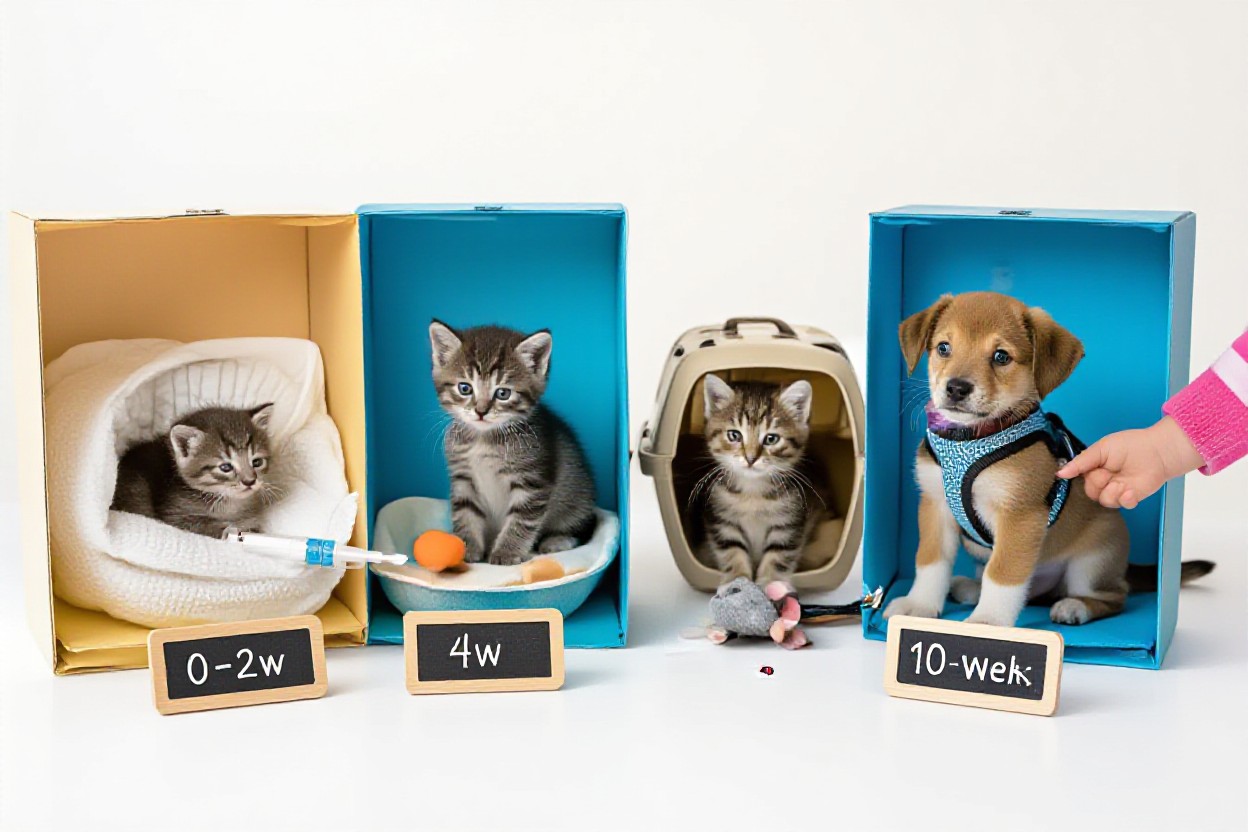
Pros and Cons of Early Socialization
| Pros | Cons |
|---|---|
| Better handling for vet visits and grooming, lowering long-term stress. | Higher disease transmission risk if exposed to unvaccinated animals too soon. |
| Less fear and aggression later-studies point to a 2-7 week sensitive window for many social skills. | Overstimulation can cause chronic anxiety in very young or timid kittens. |
| Smarter, quicker acceptance of new people and houselife routines. | Poorly timed introductions to other cats can trigger fights or bullying. |
| Improves adoptability and lowers return rates from shelters. | Removing kittens from mom too early may cause rejection or feeding issues. |
| Helps timid kitten socialization when you use gentle, gradual exposure. | Imprinting on only one person or one type of experience can limit flexibility. |
| Faster learning of litterbox, play rules, and bite inhibition. | Introducing adult cats before kittens are robust can be dangerous for tiny newborns. |
| Allows you to shape positive reactions to common household sounds. | Rushed or chaotic sessions often backfire and increase long-term fear. |
The Great Benefits You Can’t Ignore
Lately shelters have been running short, daily handling programs for litters and you can see the payoff fast; kittens that get 5-10 minutes of calm human contact multiple times a day during the 2-7 week window are noticeably bolder. You’ll notice fewer hissy fits, easier vet trips, and quicker litterbox training. And if you’re working with a timid kitten, those tiny, repeated wins really add up, building confidence without overwhelming them.
Potential Risks: What To Watch Out For
These days vets warn you to balance early exposure with safety – introducing other cats or lots of people too soon can spread pathogens or stress the mother, especially with newborns under a few weeks old. You should avoid unsupervised contact with unknown adult cats and wait until kittens are stronger and starting vaccinations, usually around 8-12 weeks, for full face-to-face meetings.
Do slow scent-only introductions first, and watch body language – flattened ears, tucked tail, repeated hissing are red flags you need to stop.
Never let an unvetted adult cat handle newborns unsupervised.
Why It’s Crucial to Weigh Your Options
So you’ve got choices: push early exposure so your kitten becomes social, or take a slower, protected route to avoid disease and maternal stress – both work if you plan them. You can do short scent swaps, 5-10 minute supervised visits, and increase time gradually while tracking stress signs. Because timing affects outcomes, tailor the pace to your kitten’s temperament and the adult cats’ history.
If you rush a timid kitten, you might create lifelong avoidance; conversely, waiting too long can leave them fearful of people or other cats. Try a trial: three days of scent exchanges, then a 5-minute supervised meeting; if it goes well, add 5 minutes each day. That stepwise approach cut conflicts in one rescue’s intake program by about 30% – practical, low-risk, and it actually works.
My Favorite Socialization Games for Kittens
Games shape who your kitten becomes. Start mild, short sessions during the kitten socialization period (roughly 2-7 weeks of high sensitivity) and keep play positive – 3 to 5 minute bursts, several times a day. Use wand toys, soft balls, and treat puzzles to teach hunting skills, gentle inhibition, and human trust. If you’re bringing other cats into the mix later, build positive associations now so introductions at 8-12 weeks go smoother. Avoid rough wrestling with hands or you risk fear or redirected aggression.
Fun Activities That Build Confidence
Confidence comes from tiny wins. Try hide-and-seek with treats, low platforms for climbing, and novel textures (cardboard, fleece) so your kitten learns to explore instead of freeze. Do 2-3 short sessions daily, praise quietly, and up the challenge slowly – even timid kittens can improve in two weeks with consistent, gentle play. If you want specifics, aim for 5-10 new experiences per week and note which ones your kitten seeks out.
Playtime Essentials for Social Skills
Tools matter more than fanciness. Use wand toys for chase training, fuzzy toys for bite inhibition, and puzzle feeders to link you with rewards. Keep sessions calm-ended with a treat and a pet, and never use your fingers as toys – that teaches biting. For socializing with other cats later, pair play with scent swapping so your kitten meets new smells before faces.
Go slow and watch body language. Let your kitten set the pace – ears forward and tail up mean you’re good, flattened ears or a frozen pose mean back off. When you’re ready to involve household cats, play on both sides of a closed door for several days, then try supervised, 5-10 minute visual meetings through a barrier. That staged approach reduces fear and lowers the chance of aggressive encounters.
Bonding Through Games: How It Works
Play makes you the source of fun and safety. When you pair movement, treats, and gentle handling, your kitten links you to good things – that builds trust fast. Do multiple short sessions daily, and vary toys so your kitten learns you offer novelty. If your kitten is timid, start with 30-60 second trials and gradually stretch them; forced long sessions will set you back.
Then add social layers slowly. After solo bonding, introduce parallel play where you and another cat play on opposite sides of a baby gate. Next, allow short supervised interactions and keep toys and treats handy to redirect stress into play. Most vets recommend waiting until kittens are about 8-12 weeks and seen by a vet before full introductions to other adult cats, so you minimize disease risk and behavioral fallout.
What If My Kitten Just Isn’t Budging?
Lately shelters and kitten classes have been pushing early, structured play-sessions, so if your kitten’s still hiding you’re not alone – many kittens need slower work than the headlines imply. The sensitive socialization window is roughly 2-7 weeks, but timid kittens often need gradual exposure through 8-12 weeks or more, and sometimes months of gentle handling before they relax. You’ll want to time introductions and avoid forcing contact, because rushed meetings can create lifelong fear or aggression. So what do you try next?
Patience is Key: Here’s Why
Stress shuts learning down – high cortisol makes kittens freeze or lash out, so pushing fast backfires. Short, frequent sessions of 5-10 minutes, repeated 3-6 times daily, let your kitten build confidence without getting overwhelmed. And when you back off after small wins the kitten learns trust faster than being forced; behavior often improves noticeably over 2-6 weeks with consistent, calm practice.
Alternative Approaches That Can Help
Try scent-swapping, food-lure training, and play-based desensitization – these are low-pressure and actually work. Use a towel to move scents between rooms for 5-7 days, offer high-value treats near your hand, and use wand toys to make you the source of fun; add a Feliway diffuser for calming pheromones if stress is high.
Start with a concrete plan: days 1-7 swap bedding and rub a cloth on each cat daily, week 2 place cages/cribs side-by-side for 5-15 minute visual sessions twice daily, then do supervised 5-10 minute meetups increasing by 5 minutes if there’s no hissing or swatting. If you’re introducing other household cats wait until the kitten is at least 8-12 weeks and ideally after initial vaccinations; unsupervised contact before that can spread disease.
Seeking Professional Help: When to Call in the Experts
If nothing’s changed after 2-4 weeks, if your kitten shows constant hiding, stops eating, or seriously injures another pet, get professional input. A vet can rule out medical causes, and a certified cat behaviorist (IAABC-CABC) or veterinary behaviorist (DACVB) can design a tailored plan; early intervention often prevents escalation.
A specialist will take a detailed history, observe interactions, and usually recommend a stepped desensitization plan plus environmental changes; meds like gabapentin or short-term anxiolytics are sometimes advised by vets when fear is extreme. If you see open wounds, severe weight loss, or self-injury act fast – those need urgent veterinary care alongside behavior work.
How to Read Your Kitten’s Body Language
You need to read their cues so you can time introductions and avoid fear or fights later – the kitten socialization period (about 2 to 7 weeks, with sensitivity up to 9 weeks) shapes lifelong reactions. Watch posture, tail, ears and vocal tone during play and first meetings with other cats or people; early misreads can push a timid kitten toward long-term anxiety. Spotting a warning early means you can pause a meeting, swap scents, or shorten sessions and keep things positive.
What’s Your Kitten Really Trying to Say?
This matters because misreading a simple wag or purr could turn a gentle encounter into a hiss-fest. Purring and kneading, tail-up or slow-blink? Friendly. Flattened ears, hissing, puffed fur, crouch and wide pupils? Fear or aggression. You’ll see kittens between 2-9 weeks testing limits – give gentle exposure to people and other cats, and move slower with timid kittens so you don’t accidentally teach them to fear new faces.
Playtime vs. Stress Signs: Decoding Their Behavior
Play teaches social skills, but you’ve got to tell the difference quick. Play includes pouncing, chasing, light bites with retracting claws, and a quick recovery after interruption. Stress shows up as freezing, hiding, sudden swats, tail-lashing or intense vocalizing. If a session goes beyond about 5-10 minutes and you see a tail-thump or flattened ears, that’s your cue to stop and give a break.
Practical fix: use toys, not hands, and end on a calm note. Start introductions with scent swapping and visual barriers, then supervised short meetings. Wait to allow close, unsupervised visits until kittens are about 8-12 weeks and have had their first vet checks/vaccines. Slow, repeated exposure – a few minutes several times a day – beats one long scary encounter.
Communicating with Your Kitten: It’s a Two-Way Street
You’ve got to teach and listen. Use a soft voice, short sessions, and reward calm approach with treats or a gentle scratch; mimic a slow blink to show you’re not a threat. Let your kitten initiate contact, especially if they’re timid, and use consistent cues like a single name or clicker so they learn cause and effect. Little wins add up fast.
More tips: practice short 3-5 minute handling drills-paws, ears, brief hugs-so vet visits and introductions to other cats are less scary. If another cat will meet the kitten, pair scent exchanges and controlled feedings over 1-3 weeks, keep retreats available, and stop whenever either cat freezes or hisses. Respecting their signals builds confidence, not fear.
The Dos and Don’ts of Introducing Kittens to Kids
Many think you can just plop a kitten in a kid’s lap and everything’s fine, but that often backfires – kittens have a sensitive kitten socialization period (roughly 2-7 weeks) and can get frightened by sudden grabbing or loud noises. You should supervise every interaction, teach gentle touch, and limit sessions to short, positive meetups so the kitten learns to trust people instead of hiding or reacting with scratches or fearful hissing.
Making it Safe and Fun for Everyone
People often assume playtime can’t be structured, but you can make it safe with simple rules: supervise until the kitten is relaxed around children, keep sessions to 5-10 minutes, and use toys so hands stay out of reach. You should model gentle strokes, pause if the kitten freezes, and offer a quiet escape spot so fearful kittens learn control – that lowers the chance of bites and teaches the kitten that kids = good.
Teaching Kids How to Interact with Cats
Some folks think kids naturally know how to handle cats, yet most need concrete coaching: show them how to stroke along the back, avoid the belly and tail, and never chase a fleeing kitten. You should set age-appropriate rules – under 5 no laps or lifting, older kids can learn a two-handed support hold – and praise calm behavior with treats so the kitten links kids with positive things.
Many assume a timid kitten will snap back at kids, but with slow steps you can build confidence: sit on the floor, let the kitten approach, and keep voices low. Use two daily 5-10 minute sessions, toys for interactive play, and a cozy hide box so the kitten can retreat. In cases of very shy kittens try pheromone spray like Feliway, offer soft treats, and track progress over weeks – most kittens improve within 2-4 weeks of consistent, gentle exposure.
My Top Tips for a Happy Family Pet
People often think one big introduction is enough, but steady, short exposures work better; start early in the kitten socialization period, supervise closely, and teach kids to be quiet and slow. Use play to redirect rough hands, keep claws trimmed, and schedule vet checks during adjustment. Any time you see stress signs – flattened ears, hissing, repeated hiding – pause the session and reset.
- kitten socialization period
- when can other cats meet newborn kittens
- when to introduce other cats to new kittens
- timid kitten socialization
Some people expect instant harmony, but real success is many small wins: reward calm behavior, rotate supervised child-kitten sessions twice daily, and introduce other household cats only after scent swaps and gradual visual meetings – usually after the kitten is 8-12 weeks and seems confident. Keep play gentle, teach kids to stop if the kitten walks away, and use short supervised visits with other pets. Any careful, consistent routine like this cuts down fear and future aggression.
- kitten socialization period
- when can other cats meet newborn kittens
- when to introduce other cats to new kittens
- timid kitten socialization
Socialization Tips for Your Multi-Pet Household
Have you thought about pacing introductions so no one gets overwhelmed? Start with scent swaps, a safe kitten-only room, short supervised meetups and high-value treats to reward calm behavior.
- kitten socialization period
- when can other cats meet newborn kittens
- when to introduce other cats to new kittens
- timid kitten socialization
Recognizing that slow, consistent steps reduce long-term fear and aggression makes all the difference.
Strategies for a Smooth Transition
Have you matched each step to the kitten socialization period? Begin with scent swapping for several days, then short visual meetings through a baby gate before face-to-face encounters; many vets suggest supervised visits around 4-6 weeks and fuller integration after 8-10 weeks. Watch body language – flattened ears, growling or piloerection mean you back up and slow the process – and reward calm interactions with treats or play.
The Importance of Individual Attention
Want each animal to feel secure, not sidelined? Give every pet short one-on-one sessions – 5-15 minutes, multiple times daily – focused on play, gentle handling and treats so a timid kitten learns you’re safe and resident pets don’t feel replaced. Use calming routines and keep sessions predictable; small consistent wins build social confidence fast.
How do you tailor attention when personalities clash? Track responses: if a kitten tenses, pause and return to gentle handling later; if an older cat shows jealousy, give it undivided playtime before introductions. Simple routines – same door entry, separate feeding stations for a week, pheromone diffusers – often calm the household and speed up trust-building.
Avoiding Conflicts: What Every Pet Owner Should Know
Worried about fights? Reduce triggers by providing one litter box per cat plus one extra, multiple vertical spaces, and separate feeding spots; supervise first encounters and keep meetings under 10 minutes. Interrupt tense moments with distraction – toys or treats – not punishment; if you see sustained hissing, swatting with claws or biting, separate them and restart more gradually.
What steps help after a scuffle? Separate, treat wounds if needed and reintroduce via scent-swapping and visual barriers over days to weeks – some cases take months. If aggression persists or injuries occur, seek veterinary or behaviorist help; professional guidance prevents escalation and protects both your kitten and resident pets.
My Take on Long-Term Socialization Strategies
Keeping Social Skills Sharp Over Time
Like sharpening a knife, social skills dull without use – so you gotta keep at it. Aim for short refreshers: 5-10 minutes daily of handled play, 2-3 gentle new-person exposures per week, and monthly novel-sound sessions through kittenhood into adolescence (up to 4-6 months). If your kitten’s timid, ramp up slowly with treats and retreat options. And never force interactions – forced contact often breeds fear or aggression later.
Regular Socialization Activities You’ll Love
Compared to sporadic big events, small predictable routines win every time – quick carrier rides, door-scent swaps, and 5-minute stranger visits work wonders. You can do a 5-minute cuddle, a 10-minute chase-with-feather, or a short carrier practice twice a week; consistency beats intensity. The payoff? A calmer adult cat that’s better with vets, guests, and other pets.
Start scent exchanges the day you bring kittens home: swap bedding with resident cats for 3-7 days, then try door-feedings for 7-10 days to pair smells with food. When you start face-to-face visits, keep them supervised and under 5 minutes at first, extend by 5 minutes each day if both parties stay relaxed. For the question “when to introduce other cats to new kittens” – do actual meet-and-greets around 8-12 weeks with slow steps like above; if you rush, adult-cat aggression can spike.
Building a Lifelong Bond with Your Feline Friend
Like tending a garden, bonding takes steady, varied care – short daily rituals matter: 10-15 minutes of play, 2-3 grooming sessions weekly, and trust-building handling so vet trips aren’t traumactic. Use name training, treat-based handling, and predictable routines; they cue safety and deepen attachment. For timid kittens, slow wins – let them set pace, you guide gently.
Teach tolerance for handling with 3-5 minute sessions daily: touch paws, ears, lift briefly, then award a high-value treat; after 2-3 weeks most kittens show measurable calm at vet-style touches. Clicker training or target games build confidence and give you quick wins, and carrier familiarity prevents travel panic. Never leave a new kitten alone with an unfamiliar adult cat. Small, consistent efforts now prevent fear or aggression down the road.
FAQ
Q: When is the kitten socialization period and when should I expose my kitten to people?
A: I once watched a tiny fluffball that a friend rescued – this kitten would hide under a blanket and then, by week five, she’d flop on her back for belly rubs like she owned the place – wild how fast they change when given a little time and attention.
Kittens have a golden window – most of the heavy lifting happens between about 2 and 7 weeks of age, that’s when they form the biggest impressions of people and the world. But don’t freak out if you miss that exact week, because positive experiences through 9 to 12 weeks still help a lot.
Start gentle, consistent exposure during weeks 2-7.
Introduce lots of different people in short, fun bursts – five minutes here, a calm lap there, snacks handed by different hands. Vary voices, clothing, and handling styles so the kitten learns that humans are OK. Keep interactions quiet at first, then gradually add normal household noises – vacuum, doorbells, the whole circus – and make them linked to treats or play so the kitten thinks, hey, this is pretty great.
Q: When can other cats meet newborn kittens?
A: The first time my neighbor’s indoor cat tried to peer into a paper grocery bag with newborn kittens inside was terrifying – mama hissed, neighbor cat froze, and after that we figured out a way to introduce them slowly so nobody got hurt.
Right after birth mom’s instincts run high – she may not want visitors, and other cats might be curious or flat-out territorial. Keep other cats away for the first few days at minimum so mom can settle, but you can start scent introductions almost immediately – swap bedding, rub a towel on the kittens and give it to the other cat, that kind of thing.
Do barrier meetings first – let the non-mom cat watch through a cracked door or baby gate, short supervised sight-and-smell sessions only. When queen is calm and kittens are mobile – often around 3 to 4 weeks though it depends on the cat – allow brief face-to-face visits with the other cat on a leash or behind a carrier so you can step in fast.
Only allow unsupervised access when both adults are relaxed and the kittens are older and stronger. If the visiting cat has any history of aggression or hunting, keep visits controlled or skip them altogether. Vaccinations and up-to-date health checks for all cats are non-negotiable before close contact.
Q: How do I socialize a timid kitten to people and other pets?
A: I had a shy kitten that lived under a sofa for a week – would only come out at 3 a.m. for food – and tiny, steady wins ended up turning her into the roommate who sleeps on your laptop, no lie.
Start small – short, predictable sessions with quiet voices, treats, and a wand toy so the kitten chooses to approach. Don’t force handling; coax with food and play. A routine helps – same times for food and play so life feels safe and logical to a nervous little brain.
Go at the kitten’s pace – tiny steps win the race.
If you want to introduce other pets, do scent swaps first, then barrier play, then fully supervised meetings. A calm, confident resident cat can be a great mentor – but only after introductions are staged and both animals show calm body language. Use calming pheromone diffusers, avoid punishment, and if the kitten’s fear is intense or not improving, get help from a vet or a behaviorist – slow and steady usually pays off big time.