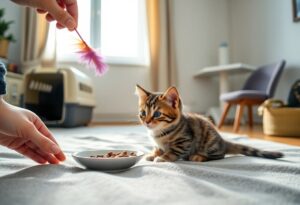
Buying a bag of premium treats only to watch your cat sniff it once and walk away feels like a personal insult, doesn’t it? But before you label your fluffball a snob, know that biology is actually pulling the strings here. Unlike dogs who’ll eat anything that hits the floor, cats are evolutionarily wired to be suspicious of new foods to avoid poisoning. They aren’t trying to be difficult – they’re just being cautious survivors. Plus, with only about 470 taste buds compared to your 9,000, they rely way more on aroma and texture than flavor nuances.
Why Some Cats Turn Up Their Noses at Treats
If it doesn’t smell like prey, it isn’t food. That’s the rule most felines live by. Since your cat has a sense of smell 14 times stronger than yours, stale commercial treats that have been sitting in a warehouse for months just won’t cut it. Often, the texture is the culprit too – many older cats or those with dental issues find crunchy biscuits actually painful to eat, preferring soft, meat-heavy bites that mimic fresh catches. If the “mouth-feel” is wrong, they won’t swallow it.
Common Reasons for Fussy Behavior
Sometimes the problem isn’t the treat itself, but how you’re serving it. Whisker fatigue is a genuine stressor where deep bowls overstimulate the sensitive nerve endings on a cat’s face, making eating uncomfortable. Or maybe the manufacturer quietly tweaked the formula. Cats are creatures of extreme habit, so even a slight shift in the protein-to-filler ratio can make a favorite snack suddenly “inedible” to them. They notice changes you can’t even see.
Temperature plays a massive role that most owners overlook. Serving treats straight from the fridge kills the aroma, rendering the food invisible to your cat’s nose. Try warming homemade goodies slightly – around 101°F mimics the body temperature of prey – to release those savory meat compounds.
Also, take a hard look at the ingredient label on those rejected store-bought bags; many are packed with corn or soy fillers that your obligate carnivore’s digestive system barely recognizes as food, causing an instinctive rejection.
Is It Just a Phase or Something More?
A sudden refusal of a treat they used to beg for is a different beast than lifelong pickiness. If your cat approaches the treat, drops it, or tilts their head oddly while chewing, you might be dealing with dental disease like resorptive lesions. This isn’t just being picky; it’s a silent cry for help because eating has become physically painful. Watch their body language closely when they reject food.
Nausea is tricky because a nauseous cat often acts hungry – hovering near the bowl – but turns away at the last second. This behavior is a classic red flag for underlying issues like kidney disease or pancreatitis, especially in seniors. If the pickiness extends to their regular meals or you notice weight loss, don’t try to fix it with tastier recipes.
Get to the vet immediately.
However, if they’re purely holding out for the “good stuff” (like the tuna water you gave them yesterday), you’ve likely just trained them to manipulate you for better options! It happens to the best of us.
My Take on Healthy Treats – What to Know
Most people assume a picky cat just isn’t hungry, but usually, it’s actually about the aroma and texture failing to trigger their predatory instincts. When you’re making treats at home, you don’t need a degree in nutrition or a pantry full of supplements to fix this. You just need high-value proteins that smell stronger than the processed stuff. By skipping the fillers and focusing on single-ingredient bases like liver or tuna, you’re mimicking what they’d hunt in the wild – making it irresistible even to the fussiest eater.
Essential Ingredients for Making the Cut
Don’t overcomplicate this part by buying expensive organic flour that your cat can’t even digest properly. The real secret weapon for picky eaters is organ meat, specifically chicken liver or hearts, because they pack a nutrient punch and a scent that travels across the room. Canned sardines packed in water – with no added salt – are another goldmine for omega-3s. And if you need a binder, stick to a tiny bit of plain pumpkin puree or an egg yolk, which helps hold everything together without adding empty calories.
What’s a No-Go for Kitty Treats?
It’s easy to assume that if it’s safe for dogs or humans, it’s fine for your cat, but that assumption can be dangerous. You absolutely must avoid garlic and onions in any form – powder, raw, or cooked – because they damage red blood cells and cause anemia. Grapes and raisins are just as bad, leading to potential kidney failure. Even that saucer of milk is a bad idea since most adult cats are lactose intolerant and will end up with an upset stomach rather than a happy purr.
Another sneaky danger is cooked bones, which can splinter and cause internal damage, so keep the meat boneless. And be super careful with “sugar-free” ingredients like Xylitol, often found in peanut butter, which is toxic. If you’re using baby food as a base, always double-check the label for onion powder because manufacturers sneak it in for flavor, and it’s enough to make your cat sick. Stick to plain meats and you won’t have to worry about accidental poisoning.
How Many Treats Is Too Many?
You might feel like food is love, but overfeeding is the quickest way to health problems, especially for indoor cats who don’t burn much energy. Treats should never make up more than 10% of their daily caloric intake. For an average 10-pound cat, that’s only about 20 to 30 calories a day. It sounds like nothing, right? But since homemade treats are nutrient-dense, a tiny cube of liver is plenty.
If you give too much, your cat might start refusing their regular balanced meals, holding out for the “good stuff” instead. To make the treats last longer without adding calories, try breaking a single treat into three or four micro-pieces. Your cat enjoys the interaction and the taste multiple times, and you aren’t risking obesity. It’s a win-win that keeps their waistline in check while still letting you spoil them a little bit every day.
Let’s Get Creative – Types of Treats to Try
Since you’re dealing with a cat that treats a premium salmon bite like a personal insult, it’s time to switch up your strategy. You’ve probably noticed that for many felines, texture is just as important as taste. Some cats absolutely refuse to chew anything harder than pate, while others crave that specific snap of a dry kibble. By experimenting with different consistencies, you can pinpoint exactly what makes your picky eater tick without wasting ingredients.
Lickable purees for cats with dental pain or low thirst drive
Soft-baked chews that mimic prey texture
Dehydrated crisps for intense aroma concentration
Recognizing your cat’s specific texture preference is the first step toward a clean bowl.
Treat Style
Why It Works for Picky Eaters
Warm Meat Puree
Heating gently releases volatile oils and aromas that trigger appetite.
Frozen Bone Broth
Offers a different sensory experience and helps with hydration.
Dehydrated Liver
Provides a concentrated flavor punch that commercial treats often lack.
Soft-Baked Bites
Easier to manipulate and break apart for portion control.
Bonito Flakes
Paper-thin texture that melts on the tongue with a strong fish scent.
Lickable Treats That Drive Cats Wild
Sometimes the act of chewing is just too much effort for a finicky cat. If your cat tends to just lick the gravy and leave the chunks, you need to lean into that. Blending plain, boiled chicken breast with a bit of the cooking water creates a slurry that’s irresistible. You can also use baby food – specifically the meat-only varieties – but you have to be careful. Always check the label to ensure there is absolutely no onion or garlic powder, as these are toxic to cats.
Soft Baked Goodies for the Softies
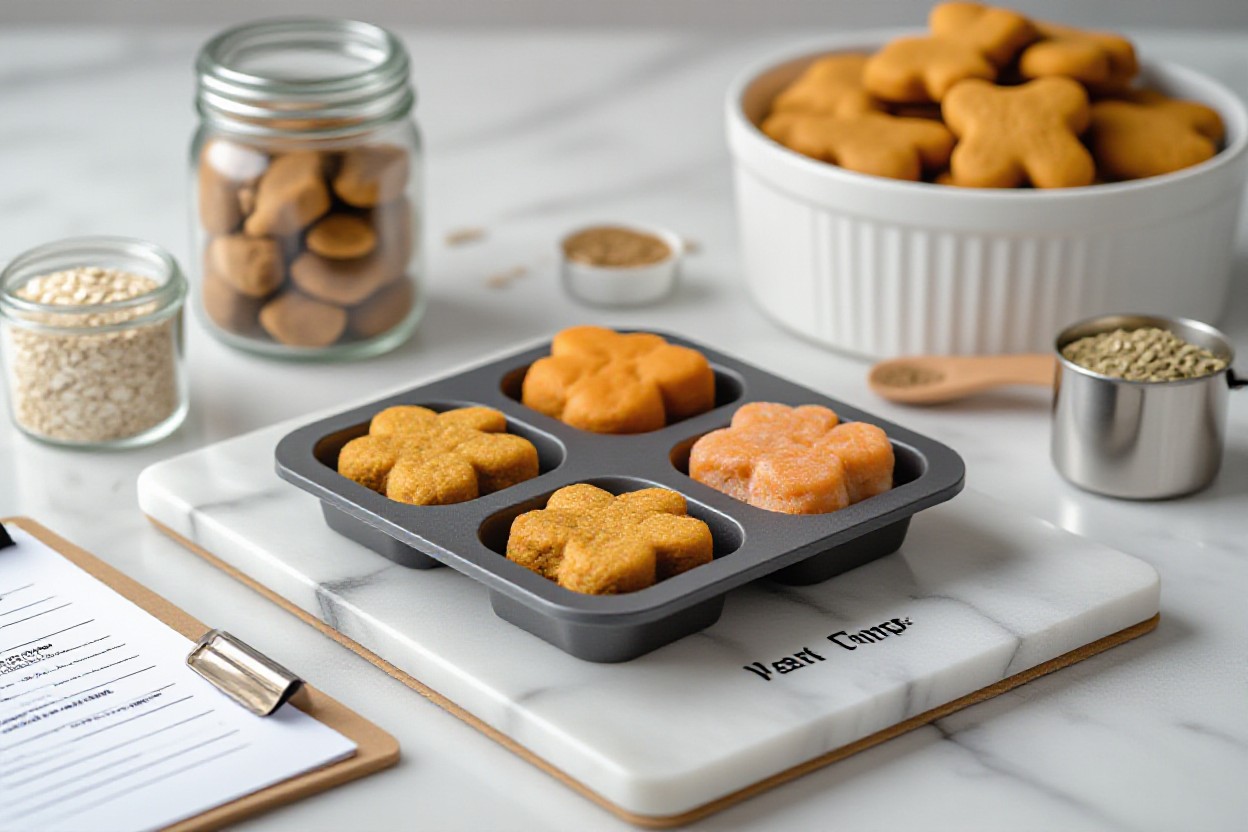
These are perfect if you want something that holds its shape but yields easily under the tooth. Think of it like a savory cookie that’s still a bit doughy in the middle. The trick here is using a binder that isn’t full of empty calories. Canned pumpkin or a smashed sweet potato works wonders to hold tuna or salmon together. Because these retain moisture, they spoil faster than store-bought stuff. You absolutely must keep them in the fridge to prevent mold growth.
When you’re mixing these up, don’t worry if the dough feels a bit sticky. That’s actually a good sign.
You want high moisture content because it makes the treat far more palatable for cats who turn their noses up at dry biscuits. Plus, soft treats are the ultimate Trojan horse.
If you ever need to hide medication, you can mold a soft salmon bite right around a pill, and they’ll likely swallow it whole without noticing. Just make sure the pieces are small – about the size of a pea – so you don’t accidentally overfeed your indoor cat.
Crunchy Toppers for the Picky Chewers
For the hunters in the house, nothing beats the satisfaction of a good crunch. This is usually the easiest route because you’re imperatively making jerky. Thinly sliced chicken hearts or liver are fantastic here because organ meats are nutrient-dense and naturally salty-smelling. You don’t even need a dehydrator. You can achieve this in a standard oven set to its lowest temperature. The goal is to remove moisture to concentrate the meaty aroma, which is usually the deciding factor for a skeptical cat.
The beauty of making your own crunchy treats is that you control the hardness.
Commercial treats are often rock-hard and filled with starch, but homemade dehydrated meat retains a bit of give that feels more natural to a carnivore.
If your cat is exceptionally stubborn, try crumbling these dried pieces over their regular wet food. It acts as a flavor enhancer – like parmesan cheese on pasta – enticing them to eat their main meal. Just be careful with liver; while it’s a superfood, it is very rich in Vitamin A, so limit these treats to just a few small chips a week to avoid toxicity.
Step-by-Step Guide to Homemade Treats
Ever feel like you need a culinary degree just to get your cat to eat? You really don’t. Making treats at home is actually simpler than decoding those confusing commercial labels, and it gives you total control over the texture and aroma that picky eaters crave. We are focusing on high-value rewards that smell strong enough to wake a cat from a deep nap.
Preparation Phase
Cooking & Serving
Select high-protein bases like liver or tuna
Bake at low heat to preserve nutrients
Mash ingredients for consistency control
Cool completely to enhance texture
Basic Tools and Ingredients You’ll Need
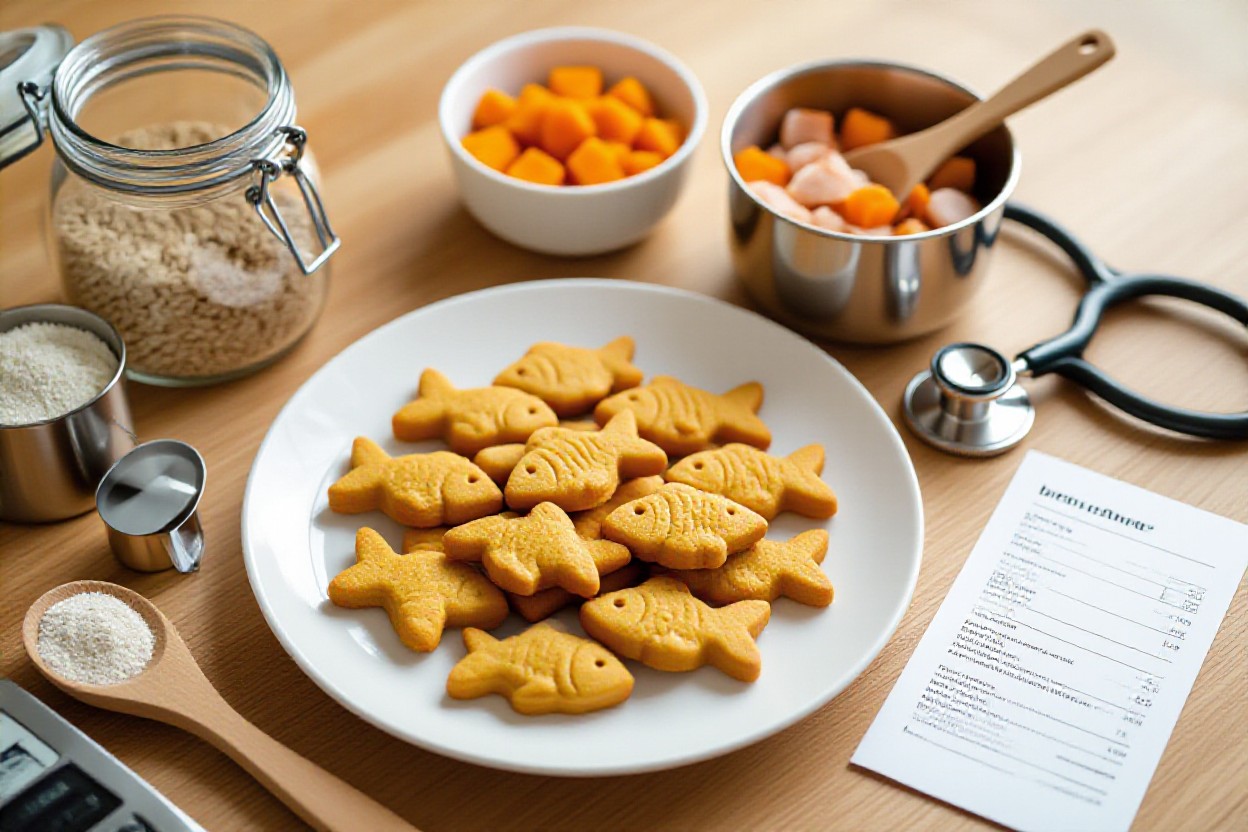
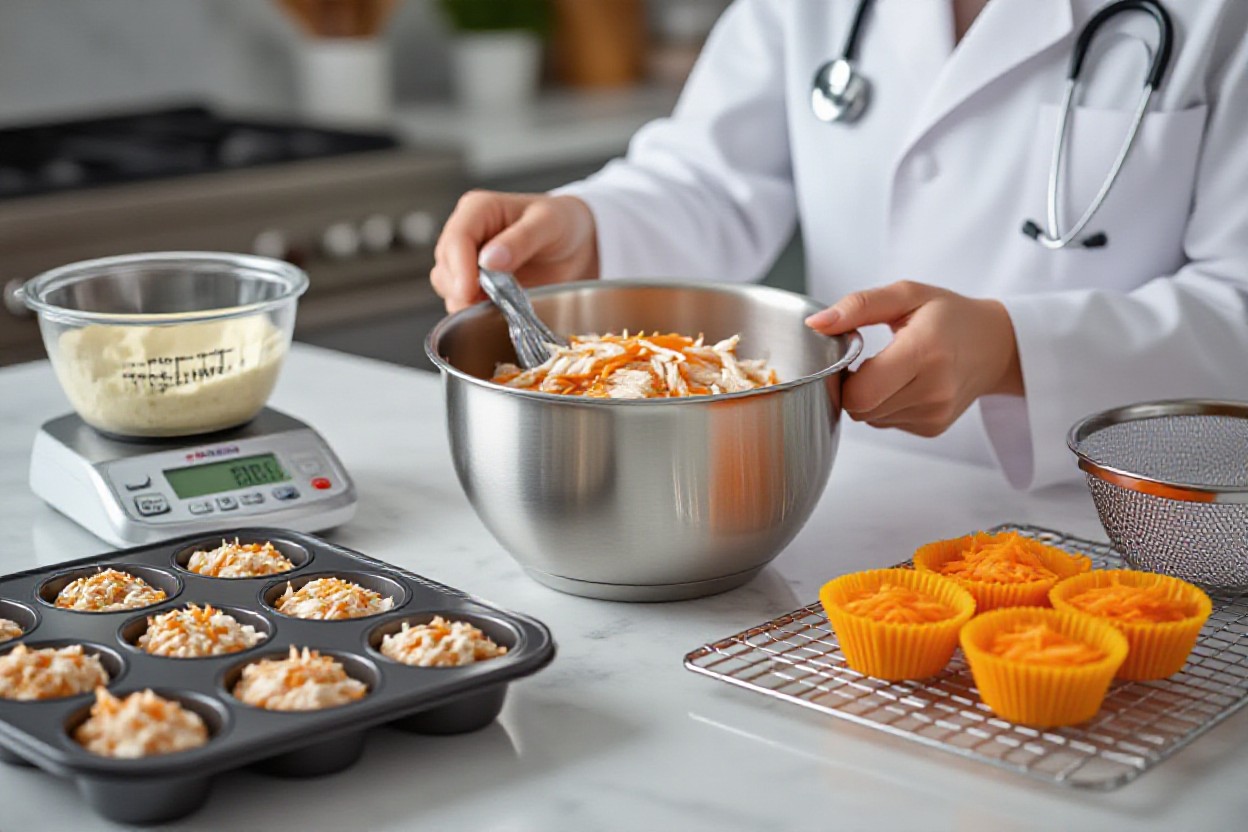
Ready to turn your kitchen into a feline bakery? You don’t need fancy gadgets since a standard blender or food processor is perfect for creating that smooth, lickable consistency picky cats love. If your kitty prefers chewing, a simple fork works to mash canned tuna or sardines into chunks. Stock up on plain proteins like chicken liver or eggs, and keep some oat flour handy for binding without using heavy grains.
Safety First: Kitchen Tips
Why risk an upset tummy when safety is so easy to manage? You’ll want to avoid toxic seasonings that often sneak into human food, specifically onions, garlic, and chives, which damage red blood cells. Always let cooked treats cool down to room temperature to prevent mouth burns on eager eaters.
The fridge is your best friend for preserving freshness.
It isn’t just about ingredients – how you handle the food matters too. Cross-contamination can turn a healthy snack into a vet visit, so ensure your cutting boards are scrubbed if you’ve been chopping veggies or other meats. You also need to be hyper-aware of cooked bones, which splinter easily and cause internal damage. Since we are targeting picky eaters, you might be tempted to leave food out to “tempt” them, but bacterial growth happens fast on homemade goods without preservatives.
Check fish for tiny pin bones before blending.
Discard treats left out for more than 30 minutes.
Sanitize bowls used for raw egg mixtures.
The safest treat is one that is fresh and handled with care.
Follow These Easy Recipes
Can you guess which protein your cat will actually eat today? It’s a bit of a gamble, so start with small batches to test the waters. These recipes focus on strong aromas like sardines and liver to trigger their appetite. You can easily adjust the moisture content by adding broth if your cat prefers a soupier texture over a crunch.
Don’t get discouraged if the first batch gets the dreaded “sniff and leave” treatment. Picky eaters often react more to temperature and mouthfeel than the actual taste, so try warming the treat slightly to body temperature (around 100°F) to release more scent molecules. You might find that your cat hates the crumbly texture of a baked biscuit but goes crazy for the exact same ingredients when they are frozen into a slushy cube. It is all about experimentation. And honestly, keeping a log of what they rejected helps you narrow down their specific preferences faster than guessing.
The Real Deal About Picky Eater Strategies
You’ve probably stood in your kitchen, holding a piece of premium salmon, completely baffled as your cat sniffs it once and walks away like you’ve offended them. It’s not just stubbornness. Cats are evolutionarily wired to be suspicious of new foods, a survival instinct called neophobia that keeps them safe in the wild but drives you crazy at home. You don’t need to be a Michelin-star chef to fix this. You just need to outsmart that instinct by proving these new, healthy snacks are actually worth their time.
Gradual Introductions – Patience Pays Off
Don’t just toss a new homemade treat on the floor and expect miracles. Start by crumbling a tiny piece of the new treat directly on top of their favorite wet food. This associates the new smell with a “safe” food they already trust. If they eat around it the first time, that’s fine – they’re still getting used to the aroma. Keep doing this for 3-4 days before offering the treat solo. It’s a slow burn, but forcing it usually backfires.
Mixing It Up: Rotating Flavors and Textures
Texture is often the dealbreaker that owners overlook. Some cats are “crunchers” who need that satisfying snap, while others are “lickers” who will only touch soft, pate-style goodies. You have to cater to their mouthfeel preference. If they rejected your baked tuna cookies, don’t assume they hate tuna; they might just hate the crunch. Try rotating between dehydrated meats and soft-baked bites to see what actually triggers their appetite.
You can actually hack this preference by using strong-smelling “toppers” to bridge the gap between textures. If you’re trying to get a soft-food lover to try a crunchy dental treat, dust it with nutritional yeast or bonito flakes. These are like catnip for the taste buds. The intense umami flavor can override their hesitation about the texture. And honestly, switching proteins matters too. Don’t stick to chicken every week – rotating proteins not only prevents boredom but helps avoid developing sensitivities to specific ingredients.
Keeping It Fresh to Keep Their Interest
Since these homemade goodies lack the heavy chemical preservatives found in store-bought bags, they lose their scent profile much faster. And for a cat, if it doesn’t smell strong, it’s not food. Store crunchy treats in airtight glass jars to maintain that snap, but anything with moisture needs to hit the fridge. If a batch sits out too long and goes stale, your picky eater will know immediately and likely shun that recipe forever.
The freezer is actually your best tool for maintaining high-value status. Freeze about 75% of any batch immediately after it cools. You can pull out small portions to thaw in the fridge every few days. Before serving a thawed treat, try microwaving it for literally 3-5 seconds – just enough to warm it up without cooking it. Heat releases the volatile oils in the meat or fish, making the aroma explode. It tricks their brain into thinking you just cooked it fresh, which is usually enough to convince even the most skeptical indoor hunter to take a bite.
Pro Tips for Treat Time Success
Unlike dogs who usually inhale anything that hits the floor, your cat acts like a bomb disposal expert inspecting a wire. You have to play dirty with their biology by boosting the aroma and perfecting the texture to bypass their skepticism. Even the best homemade recipe fails if it’s served cold or stale, so try warming it up slightly to release those savory oils. Picky eaters rely heavily on smell, and a cold treat is basically invisible to their nose.
Warm treats for 5-10 seconds to enhance smell.
Offer treats when hunger peaks before meals.
Store leftovers in airtight containers to keep them chewy.
Assume that if it doesn’t smell strong, it doesn’t exist to them.
The Perfect Serving Size – Let’s Break It Down
It’s tempting to show love with food, but an extra pound on a cat is like thirty pounds on a human frame. Treats should never exceed 10% of their daily calorie intake, which is surprisingly small – usually just 20 to 30 calories for an average 10-pound indoor cat. Since homemade goodies are nutrient-dense, a piece the size of your pinky nail is plenty. Overfeeding kills the appetite for actual meals, making picky eaters even fussier because they aren’t actually hungry.
Fun Ways to Serve Treats
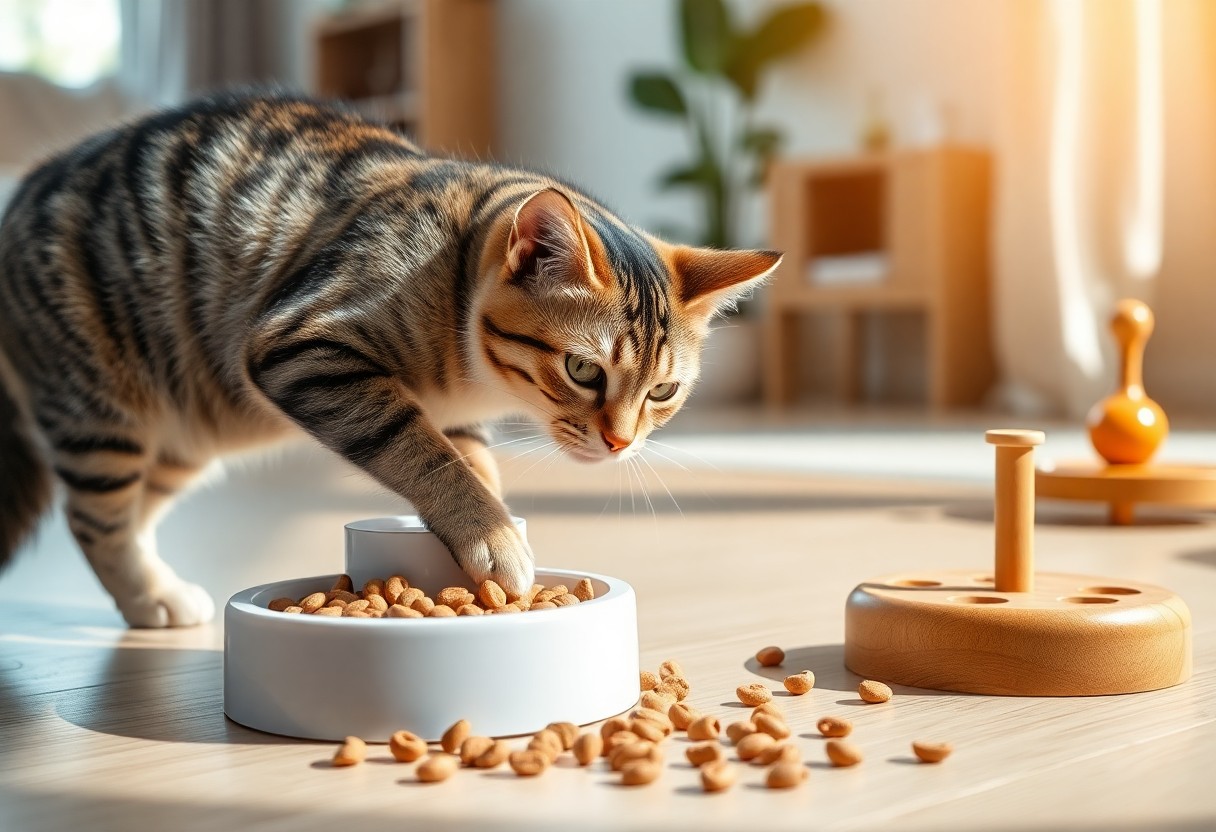
Boredom kills appetite faster than bad flavor. Instead of just dropping food in a bowl, tap into their hunting instincts by hiding small morsels inside a crumpled paper ball or balancing them atop a scratching post. This “hunt” triggers the seeking circuit in their brain, making the reward feel earned and significantly more valuable. If they ignore it on a plate, they might devour it if they have to “kill” it first.
You don’t need expensive gadgets to make this work, either. An empty egg carton makes a fantastic DIY puzzle feeder – just drop a treat in a few cups and watch your cat fish them out with their paws. For super skeptical cats, try the “toss and chase” game across the kitchen floor. The movement mimics scurrying prey, often overriding their pickiness because the instinct to pounce hits before they have time to sniff and judge the food too harshly. Plus, it gets your indoor cat moving.
Using Treats as Training Tools
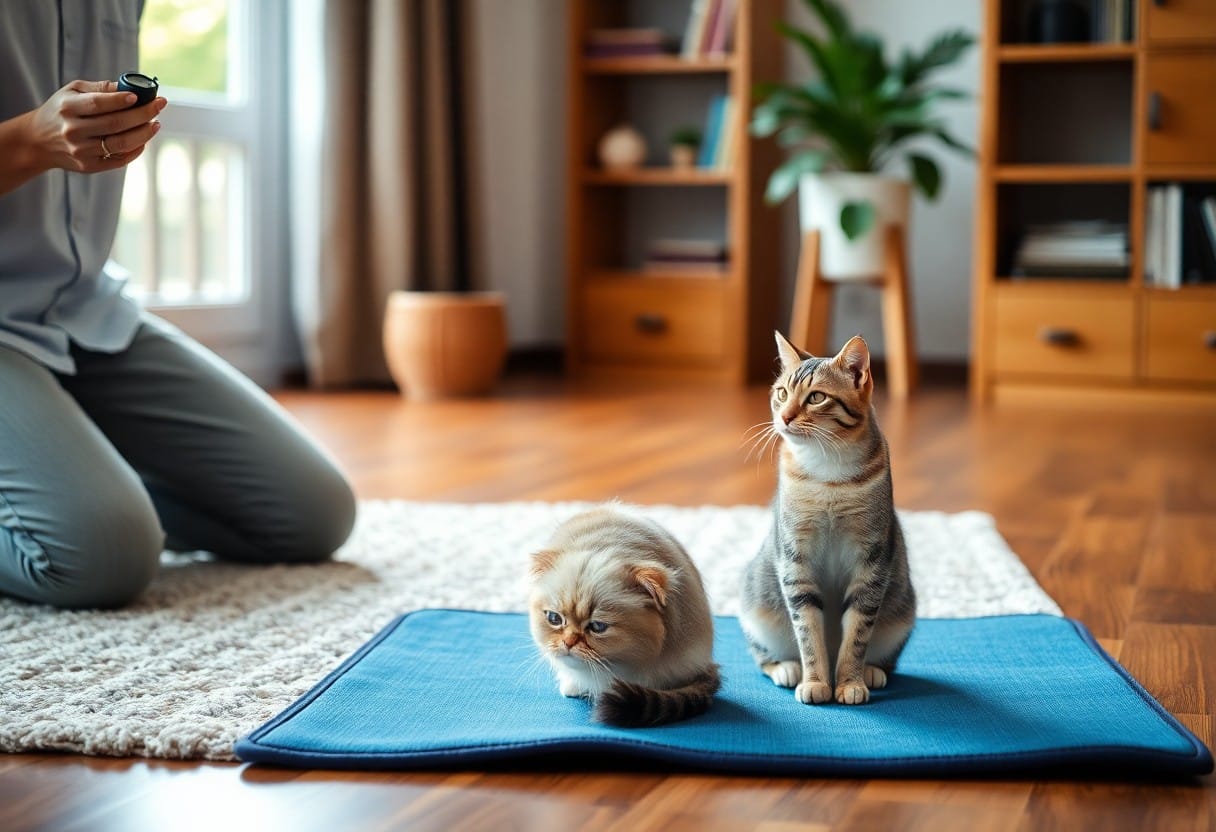
Who says you can’t teach a cat? You absolutely can, but you have to use high-value rewards like these fresh homemade bits to get their attention. The key is immediacy – deliver the treat within two seconds of the desired behavior so they make the connection. Whether it’s “sit” or “high five,” the treat becomes a paycheck rather than just a snack, and working for food often increases its value to the cat.
Training sessions need to be short and sweet because a cat’s attention span is about as long as a commercial break. Aim for three to five minutes max before they get bored and wander off to groom themselves. Always end the session on a success so they associate the training – and the specific homemade treat – with a positive feeling. If you push too hard or bore them, they’ll just view the treat as a bribe for work they don’t want to do and walk away.
Why Isn’t My Cat Interested? Troubleshooting Tips
It feels like a personal rejection when you present a lovingly baked treat and your cat just gives it a sniff before walking away. Usually, it’s not that the food is “bad,” but rather that it doesn’t register as edible to them immediately. Cats have around 200 million scent receptors, so if the aroma profile isn’t strong enough, they won’t even taste it. You need to troubleshoot the environment and the presentation before tossing the batch.
Temperature plays a massive role in releasing scent molecules.
Texture aversion is common in cats with dental sensitivity.
Bowl placement might be causing stress if it’s in a high-traffic area.
This is how you turn a rejection into a win.
Warming Treats – Does It Really Help?
Serving treats straight from the fridge is basically the number one reason for refusal. Cold food suppresses the volatile oils that carry the smell, effectively making the treat invisible to your cat’s nose. By microwaving the treat for just 3-5 seconds, you bring it closer to the natural prey body temperature of roughly 100-102°F. It sounds like a small detail, but heat amplifies the scent intensity by ten times, triggering an immediate biological feeding response.
Crumbling Options for Fussy Felines
You might be offering pieces that are simply too much work for a lazy or dental-sensitive chewer. Instead of offering a whole treat, try crushing it into a fine powder or flavor dust. Sprinkle this over their regular wet food to create a bridge between the familiar dinner and the new snack. This technique, often called a topper transition, allows them to taste the ingredients without committing to chewing a strange new object.
It’s actually a pretty sneaky way to get them hooked. If you take one of those dehydrated liver snaps and smash it with the back of a spoon, the smell explodes. Sometimes they’ll lick up the dust and leave the bigger chunks – and that’s totally fine for a start. It tells you they like the flavor but hate the texture. You can slowly increase the size of the crumbs over a week or so. Eventually, they get used to the mouthfeel and start accepting the whole treat without thinking twice.
Re-evaluating Preferences
Just because your cat eats chicken kibble doesn’t mean they’ll automatically like fresh chicken breast treats. Commercial foods are often coated in animal digests and fats that mask the actual protein source. When you switch to homemade, you are stripping away those artificial enhancers. If they turn their nose up, don’t assume they aren’t hungry. Try swapping the base protein for something with a stronger natural scent, like oily fish or beef liver, to see if that sparks interest.
Keeping a quick note on your phone about what they rejected helps a ton. You might notice a weird pattern – maybe they hate anything with coconut flour but go crazy for oat flour binders. Or perhaps they only accept treats that have a “crunch” and refuse anything soft. Figuring out these specific texture preferences saves you from baking entire batches that end up in the trash. Plus, knowing their high-value currency is a lifesaver if you ever need to hide a pill later.
Got Questions? Frequently Asked Questions
Can Picky Cats Live Without Treats?
Your cat won’t starve without these snacks, mainly because treats should never make up more than 10% of their daily calories anyway. But let’s be real – treats aren’t just food, they’re how you bond and provide mental enrichment for bored indoor kitties. If your picky eater refuses everything, they aren’t missing vital nutrients, but they are missing out on fun and interaction. So while they can physically survive just fine on their regular kibble or wet food, you’re losing a major tool for training and affection.
How Long Can Homemade Treats Last?
Since you aren’t pumping these full of weird chemical preservatives like store-bought brands do, the clock starts ticking immediately. Most baked goodies only stay fresh for 3 to 5 days in the refrigerator in an airtight container. If you leave them on the counter, they might turn funky within 24 hours, especially meat-based ones. It’s a bit of a hassle compared to a bag of Dreamies that survives the apocalypse, but that short shelf life is actually proof you’re feeding real, fresh food.
The secret weapon here is your freezer. You can bake a big batch, let them cool completely, and freeze them for up to three months. Just pull out one or two nuggets about 20 minutes before snack time so they thaw out – or warm them slightly in the microwave for 5 seconds to release those enticing meat aromas that picky eaters can’t resist. Just be careful with moisture; if you see any mold or the treats smell sour instead of savory, toss the whole batch immediately because homemade treats carry a higher risk of bacterial growth once they turn.
What Should I Do If My Cat Has Allergies?
This is actually why you’re in the kitchen right now – DIY allows total control over what goes into your cat’s body. Stick to single-ingredient treats initially, like pure dehydrated chicken or liver, to rule out reactions. Commercial treats are often packed with hidden fillers like corn, soy, or wheat that trigger inflammation. By using just one protein source that you know they tolerate, you eliminate the guessing game. If your vet suspects a chicken allergy, swap it for novel proteins like duck or rabbit without worrying about cross-contamination.
Sometimes what we think is pickiness is actually your cat protecting their stomach. If they sniff and walk away, they might associate that smell with feeling sick later. Watch closely for signs like excessive scratching, ear infections, or vomiting after trying a new protein. If you’re dealing with a super-sensitive stomach, try using hydrolyzed protein flour (if you can find it) or stick to gelatin-based gummy treats using bone broth. It’s gentle on the gut and high in moisture, which is fantastic for kidney health. And hey, always introduce new ingredients one at a time over several days so you know exactly who the culprit is if things go south.
The Pros and Cons of Homemade Treats
Making food for a cat that usually turns their nose up at everything feels like a gamble, doesn’t it? But when you control the ingredients, you change the game completely. You aren’t guessing what “meat by-product” actually means anymore, and you can finally cater to those weird texture preferences your finicky feline has. It’s about finding that sweet spot between nutrition and flavor without the additives that commercial brands rely on.
The Good Stuff
The Tricky Parts
Total control over ingredients
Short shelf life (3-5 days usually)
No hidden sugars or sodium
Requires prep and cooking time
Customizable textures (soft vs. crunch)
Need fridge or freezer space
Often cheaper per ounce
Risk of nutritional imbalance if overfed
Higher moisture content for hydration
Trial and error with picky eaters
Eliminates common allergens
Kitchen cleanup is required
Stronger, natural aromas entice eating
Consistent texture is hard to master
What’s Great About Going Homemade?
You finally have total control over what goes into your cat’s body. No more scanning labels for unpronounceable preservatives or fillers that are terrible for indoor cats. If your cat loves tuna but hates the jelly in commercial pouches, you can make a pure tuna crunch. Plus, you can adjust the moisture content specifically for cats that just want to lick their treats, ensuring they actually eat the whole thing rather than just sucking the gravy off and walking away.
The Challenges You Might Face
Real food spoils fast. Unlike that bag of kibble that sits in your pantry for months, fresh treats usually need to stay in the fridge and must be tossed after a few days to avoid bacteria. You also have to be careful about nutritional balance – while treats shouldn’t make up more than 10% of their daily calories, using the wrong ingredients can still upset a sensitive stomach.
Texture is often the biggest hurdle with fussy eaters. You might spend an hour baking perfectly shaped salmon bites only for your cat to sniff it once and ignore it because it’s too hard. It happens. Getting the consistency right – whether it’s a soft pâté style or a dehydrated jerky – takes trial and error. Avoid ingredients like onions, garlic, or grapes at all costs as these are toxic. It’s frustrating when a batch goes to waste, but learning your cat’s specific preference for “crunch vs. mush” is part of the process.
Is It Worth the Effort?
Absolutely, especially if you’ve wasted money on ten different brands of premium treats that are currently gathering dust in your cupboard. Seeing your picky eater actually get excited about food is a massive win. You aren’t just feeding them; you’re solving a behavioral puzzle that has probably stressed you out for months.
Think about the long-term health benefits too. By cutting out fillers and high-calorie additives, you’re actively managing their weight and kidney health. A simple piece of dehydrated chicken liver has way more nutritional value than a starchy biscuit. So yes, it takes a bit of prep time on a Sunday, but knowing exactly what your cat is eating provides peace of mind that money can’t buy. Start small with simple recipes and watch their reaction – that first purr while eating is worth every minute of chopping.
A Peek into Nutrition – What Cats Really Need
You’re probably tired of buying fancy bags of treats only to have your cat turn their nose up at them. It’s frustrating, but it actually hints at their biology because cats are obligate carnivores, meaning meat isn’t just a preference, it’s a biological requirement. They don’t need the carbs or fillers often found in store-bought snacks, which might be exactly why your picky eater ignores them in favor of a plain piece of chicken. By focusing on high-protein, moisture-rich ingredients, you aren’t just catering to their taste buds – you’re finally speaking their nutritional language.
Understanding Cat Nutrition Basics
Your cat’s body is designed to run on animal protein and fat, not grains or veggies. Specifically, they need taurine and arachidonic acid, nutrients found almost exclusively in meat sources. If you’re making treats at home, skip the flour and focus on the good stuff like chicken, liver, or fish since it’s simpler than you think. Even a tiny deficiency in taurine can lead to serious heart issues, so strictly stick to meat-based recipes to keep things safe and savory for your little hunter.
Treats vs. Complete Meals – What to Know
While homemade goodies are healthier, they aren’t balanced meals. Think of them like a dessert or a side dish rather than the main course. Vets generally recommend that treats should make up no more than 10% of your cat’s daily caloric intake. Any more than that and you risk throwing off their nutritional balance or causing weight gain, especially for indoor cats who don’t burn much energy lounging on the sofa all day.
It’s easy to go overboard when your picky cat finally accepts a treat you made, but you have to be careful. A 10-pound cat only needs about 200 to 250 calories a day. If you hand over a chunk of cheese or a large piece of sardine, you might accidentally provide 20% of their daily needs in one go. This creates a “nutritional dilution” where they eat less of their balanced food because they’re full on snacks. Over time, this leads to nutrient deficiencies even if the treats themselves are healthy. So, keep those portions tiny – literally pea-sized is plenty.
Special Considerations for Kittens and Seniors
Age changes everything when it comes to snacking. Growing kittens burn through energy like crazy and need extra protein for muscle development, so they can handle slightly richer treats. Seniors, on the other hand, often have sensitive kidneys or dental issues. For older cats, avoid high-sodium treats or hard textures that could hurt their teeth or stress their organs. Soft, moisture-rich snacks are usually the way to go to keep them hydrated and happy.
You really have to watch the phosphorus levels for older cats. Ingredients like organ meats or certain fish are incredibly healthy for a young, active cat but can put dangerous strain on a senior cat’s kidneys. If your vet has mentioned renal issues, stick to lower-phosphorus options like cooked egg whites or specific lean meats. For kittens, the risk is usually just filling up their tiny stomachs with stuff that isn’t their growth formula. They need every bit of space for calcium and vitamins to grow strong bones, so make sure those homemade bites are high-value nutrition, not just empty calories.
My Favorite Cat Treat Recipes to Try
Making these treats doesn’t require a culinary degree or hours in the kitchen – usually just three ingredients or less will do the trick. Since we know texture is everything for a finicky feline, these recipes focus on strong aromas and specific mouthfeels that trigger their appetite. You can easily adjust the batch sizes too, which is perfect for keeping calories down if your cat is strictly indoors and prone to weight gain. It’s really about quality over quantity here.
Wholesome Chicken Bites That’ll Get Them Purring
Plain chicken breast is the gold standard, but baking it concentrates that meaty smell they can’t ignore. You’ll want to cube raw chicken breast into tiny, pea-sized pieces – portion control is key here – and bake them until they’re slightly chewy but not rock hard. This texture mimics the “prey” feel that drives their predatory instinct wild, even if they usually turn their nose up at dry store-bought biscuits. Plus, since there are no fillers, you know exactly what they’re eating.
Salmon Delights for the Fish Lovers
If your cat is the type to come running when you open a can of tuna but ignores actual treats, this is the one. Using canned pink salmon (boneless and skinless) provides a powerful scent profile that cuts through their indifference. Mix it with a tiny bit of egg to bind it, form small balls, and flatten them. The oils in the salmon are fantastic for their coat, and the smell is usually enough to wake them from a deep sleep.
Be super careful about the specific type of salmon you grab off the shelf though. You need to avoid anything smoked, cured, or seasoned, as excess sodium and garlic are toxic to cats and can cause serious health issues. Stick to water-packed options and drain them thoroughly before mixing. Since fish is incredibly rich, keep these as occasional high-value rewards rather than an everyday snack – too much fish can actually mess with their vitamin E levels over time.
Veggie Treats for the Adventurous Cat
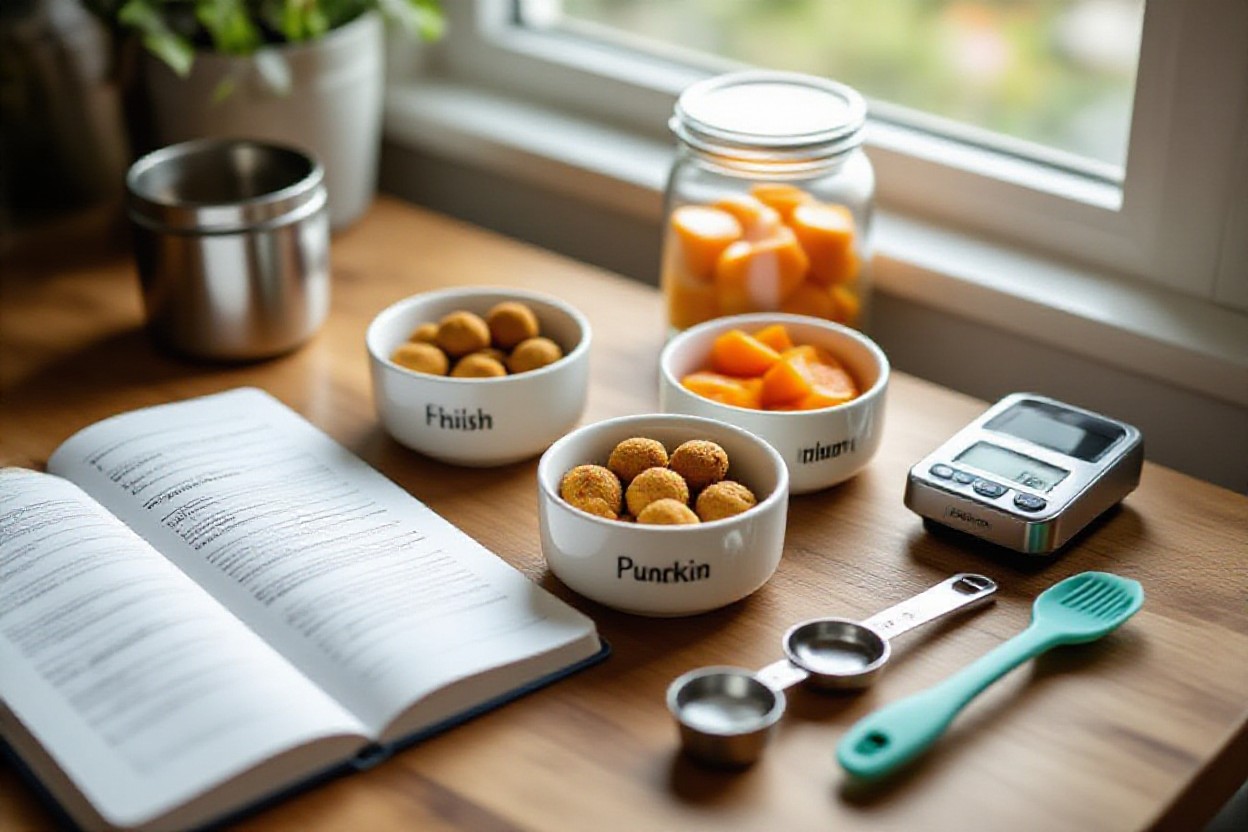
Not every cat is a carnivore 24/7 – some weirdly love the crunch of greens or the sweetness of squash. Steamed pumpkin or sweet potato cubes are fantastic because they’re low-calorie and high-fiber, helping with digestion and hairballs. You don’t even need to bake these if you don’t want to; serving them warm and mashed can entice a senior cat with dental issues who struggles with crunchy snacks.
Sometimes you have to get sneaky with the presentation to make veggies work. Try sprinkling a little nutritional yeast – which has a cheesy, nutty flavor cats adore – on top of steamed green beans or carrots. It sounds strange, but that umami flavor bomb can trick a picky eater into trying something new. Just ensure you never use onions, garlic, or chives in any veggie mix, as these damage red blood cells and are incredibly dangerous even in small amounts.
The Importance of Treats in Cat Bonding
Sharing food is actually one of the most primal social behaviors in the feline world, mimicking how a mother cat cares for her kittens in the wild. When you hand-feed a homemade morsel, you’re not just filling a belly – you’re speaking their language of trust and affection. This is especially true for the picky eater who turns their nose up at store-bought bags; when they finally accept that warm, smelly piece of cooked chicken from your hand, it’s a massive vote of confidence in your relationship. You become the provider of the “good stuff,” solidifying your bond in a way that simply filling a bowl can’t match.
Studies suggest that indoor cats spend up to 50% of their waking hours grooming simply out of boredom, which can lead to hairballs or over-grooming issues. Offering a high-value, homemade treat creates a break in this monotony and engages their hunting instincts, especially if you make them work for it. It’s less about the calories and more about the dopamine hit they get from a new, exciting smell. You aren’t just feeding them; you’re providing mental enrichment that keeps their brain sharp. For a cat that usually ignores food, finding a texture they love provides a necessary spark of excitement in their day.
Creating Positive Associations
Veterinary behaviorists confirm that food rewards are the single most effective tool for counter-conditioning fearful behaviors in cats. If your cat bolts the second the carrier comes out, small bits of strong-smelling tuna or liver treats can change that narrative entirely. You can turn a terrifying event into a tolerable one by pairing it with a flavor they can’t resist. It’s about rewriting their emotional response – making them realize that good things happen when you’re around. Even the most aloof cat can be swayed if the reward is homemade and smells potent enough.
Success here relies entirely on the value of the reward – a dry kibble biscuit won’t cut it for a stressful situation like nail trimming or meeting new guests. You need to use what vets call a “high-value reinforcer,” which is exactly where your homemade, moisture-rich treats come in. Since you control the texture, you can make these treats soft and lickable, which is often more palatable for a stressed cat than something crunchy that requires chewing. By offering a tiny smear of homemade salmon puree *while* you touch their paws, you bridge the gap between fear and safety, teaching them that cooperation earns the ultimate prize. It takes patience, but eventually, the treat becomes more important than the fear.
Making Everyday Moments Special
Cats are creatures of habit who thrive on predictable schedules, with stress levels dropping significantly when they know exactly when a reward is coming. Establishing a “treat ritual”-like a small bite of dehydrated shrimp right before bed or when you get home from work-anchors their day. It transforms your arrival from a non-event into the highlight of their afternoon. Even for the pickiest eater, this routine builds anticipation and ensures they actively seek you out for interaction. It’s a small gesture that says “I see you” without disrupting their dietary needs.
But you have to be careful not to turn these special moments into a weight problem, especially since indoor cats have much lower caloric needs than their outdoor counterparts. The beauty of homemade treats is that you can focus on aroma intensity rather than size; a tiny, pea-sized ball of warmed chicken fat and oat flour smells strong enough to satisfy them without packing on pounds. Because cats have 200 million odor sensors, warming the treat slightly releases those volatile compounds, making a micro-portion feel like a feast. It allows you to bond multiple times a day without risking obesity-related health issues.
DIY Treats on a Budget – Tips to Save
Commercial freeze-dried treats often cost over $30 per pound, a price that hurts even more when your cat turns their nose up at the bag after one sniff. You can slash that cost dramatically by focusing on high-value, whole foods that you likely already buy for your own dinner or can find in the discount meat section. It’s not about buying fancy organic purees; it’s about smart substitutions and knowing where the value lies. To keep costs down while keeping quality high, try these strategies:
Buy generic brands for base ingredients like plain pumpkin or sardines.
Shop the clearance meat section for organ meats that are nearing their sell-by date.
Utilize seasonal produce for filler ingredients rather than out-of-season veggies.
This keeps your budget in check while giving you total control over what goes into your cat’s body.
Affordable Ingredients You Can Use
Chicken hearts and livers often sell for less than $2 per pound at standard grocery stores, making them a nutritional goldmine for pennies compared to store-bought liver snaps. You don’t need filet mignon to impress a cat; actually, the “gross” bits are often what they crave most because of the strong aroma. Canned sardines – specifically the ones in water with no added salt – and plain eggs are other wallet-friendly powerhouses that pack a protein punch without the markup. Just be sure to cook the eggs thoroughly to avoid any risk of salmonella.
Bulk Cooking for Cost-Effectiveness
Running your oven for a single tray of treats wastes energy, but prepping a month’s supply at once maximizes your utility bill efficiency. It takes the same amount of effort to blend one cup of tuna mixture as it does four, so go big. By dedicating one Sunday afternoon to batch cooking, you ensure you always have a stash of high-value rewards ready for training or bribery, preventing those impulse buys at the pet store when you run out. Plus, buying ingredients in family-sized packs usually drops the price per ounce significantly.
Freezers are the secret weapon here because homemade treats lack the heavy chemical preservatives found in store-bought bags. Since wet ingredients spoil quickly – usually within 3-5 days in the fridge – you’ll want to portion the dough or finished treats into freezer-safe bags immediately after cooling. A great trick is freezing small blobs on a cookie sheet first so they don’t stick together in a giant clump, letting you grab just one or two frozen portions at a time to thaw for your finicky friend. It keeps the texture fresh and stops you from throwing away moldy batches that sat on the counter too long.
Avoiding Waste with Smart Planning
Nearly 40% of food in the US goes to waste, and you definitely don’t want your cat’s rejected snacks adding to that stat. Before making a huge batch, always do a tiny taste test with a single ingredient or a micro-batch to see if the texture works for them. If they ignore it, you haven’t wasted a whole tray of ingredients. You can also repurpose “failures” by mixing them into your dog’s food if you have one, since they are usually much less picky about texture nuances.
Texture aversion is actually the leading reason picky cats reject homemade food, but a rejected treat doesn’t necessarily have to hit the trash can. You can crumble those refused baked bites into a fine powder to use as a food topper, enticing them to eat their regular kibble with a new, exciting scent. Alternatively, if the treat is too hard, re-hydrating dried treats with a little warm water or low-sodium bone broth can sometimes change a cat’s mind entirely by ramping up the smell. It’s all about experimenting with the format rather than dumping the food.
What I’ve Learned – Personal Insights
You might think you need perfect recipes or a culinary background to win over a picky cat, but that’s rarely the case. It’s actually about observation over perfection. After watching my own cats sniff and walk away from expensive organic treats, I realized success usually boils down to temperature and smell rather than fancy ingredients. You’ll find that patience is your best tool, and even a “failed” batch teaches you exactly what texture your cat hates.
Stories from My Own Fussy Eaters
My cat Luna used to refuse everything except cheap, filler-filled kibble, ignoring fresh salmon completely. It was maddening. But then I tried warming a sardine mash for just seven seconds in the microwave to release the oils. Suddenly, she was interested. Another time, my tabby, Max, would only lick the jelly off wet treats and leave the solids. That’s when I switched to blending treats into a smooth puree, and he finally cleaned the plate. Sometimes you just have to out-stubborn them.
Lessons Learned from Experimenting
Texture is often the dealbreaker, not flavor. You can have the highest quality organic chicken, but if it’s too chunky or too dry, a fussy cat won’t touch it. I learned the hard way to always make micro-batches first – literally one or two treats – before baking a whole tray. Also, hydration is a secret weapon; adding a teaspoon of unsalted bone broth can turn a dry, rejected biscuit into an irresistible, smelly snack that gets eaten immediately.
Don’t get discouraged if a hit recipe suddenly becomes “poison” next week. Cats get bored easily, so rotating proteins is necessary to keep them interested and prevent nutritional gaps. I’ve found that consistency is key too – if you chop liver into irregular chunks, they might pick out the small ones and leave the big ones. And never underestimate the “prey temperature” trick. Serving treats at roughly 100°F mimics fresh prey, triggering instincts that cold fridge leftovers just can’t touch.
Finding Joy in the Process
It stops being a chore when you see them finally eat something good for them. You aren’t just making snacks; you’re taking control of their health. There is a weird satisfaction in knowing exactly what went into that treat – no mystery gums or hidden sugars. Plus, the bonding time is real. When your cat starts purring while you’re mixing up a tuna dough, you realize the effort is worth it just for that interaction.
Even the failures can be funny if you let them be. I’ve baked treats that turned into rock-hard pucks that my cats batted around like hockey toys instead of eating, and that’s okay. Use those moments to laugh and adjust your approach. The goal isn’t Michelin-star presentation; it’s about finding one healthy thing they love. Every time you successfully swap a high-calorie commercial treat for a simple, homemade protein bite, you’re actively extending your cat’s quality of life.
To wrap up
Presently, you might be staring at a shelf full of expensive bags your cat sniffed once and totally rejected. It’s frustrating when they just lick the flavor off and strut away – leaving you with the mess. But making these vet-inspired snacks at home changes everything because you control the texture and smell.
So don’t overthink it.
Use those simple ingredients and keep portions tiny for your indoor kitty. You are finally ready to win over that fussy eater.
FAQ
Q: Why does my cat sniff my homemade treats and just walk away?
A: It feels like a total rejection when you spend time in the kitchen and they just stick their nose up at your hard work. Usually, the issue isn’t the taste itself but the fact that the treat doesn’t smell “loud” enough to trigger their predatory instincts. Cats rely heavily on scent to decide if something is actually food – much more than we do.
Try gently warming the treat in the microwave for just three to five seconds before offering it. Heat helps release those meaty fats and aromas that drive them wild.
If it doesn’t stink, they probably won’t eat it.
Texture is another big factor here. Some picky eaters, especially older ones with dental sensitivity, might find baked treats too hard. You could try under-baking them slightly for a chewier texture or crumbling it over their regular food to get them used to the flavor first.
Q: What are the safest ingredients to start with if I’m worried about sensitive stomachs?
A: You really don’t need a pantry full of fancy flours or weird supplements to make something safe and tasty. Actually, the best vet-inspired recipes are often the most boring ones on paper because they stick to what carnivores naturally digest well.
Start with plain cooked proteins like chicken breast, lean turkey, or salmon, and maybe a little egg to bind it all together.
Keep the ingredient list short to lower the risk of tummy trouble.
Stay far away from garlic, onions, and grapes since those are toxic to kitties. When you keep it simple, it’s way easier to pinpoint what they love and what they hate without guessing which of the ten ingredients caused the issue.
Q: How many of these treats can I actually give without my indoor cat gaining weight?
A: It is super easy to go overboard when they finally start eating what you make and begging for more. But even healthy, protein-based snacks have calories that add up fast, especially for indoor cats who spend 18 hours a day sleeping on the back of the couch.
A good rule of thumb is that treats shouldn’t make up more than 10% of their daily calorie intake.
Think fingernail-sized pieces, not cookie-sized.
You can break a single homemade treat into four or five tiny specks. They get the thrill of the reward multiple times, and you don’t have to worry about them packing on the pounds. It’s a win-win for everyone involved.