Just move slowly and patiently around your shy kitten, create a quiet, safe space, and let them set the pace while you observe body language; watch for stress signals like hissing, flattened ears, or hiding and never force interactions or sudden movements. Use soft voices, short play sessions, and small food rewards to build trust, increasing contact gradually so your kitten learns that you are a calm, reliable companion.
Understanding Shyness in Kittens
Shyness often shows as cautious movement, prolonged hiding, or refusal to take treats, and you need to assess both background and current environment to help effectively. Research pins the sensitive socialization window at roughly 2-7 weeks, so limited gentle handling then increases long-term wariness. You can expect improvement with consistent, calm exposure over days to weeks; using quiet routines and positive reinforcement speeds progress.
Factors Contributing to Shyness
Poor early handling, separation from littermates, or long shelter stays greatly raise the chance a kitten will be timid, and you’ll often see littermates behave similarly. Genetic temperament matters: some lines display higher baseline fear, while loud homes, sudden visitors, and painful health issues amplify avoidance. Thou should watch for signs of pain-untreated ear infections, dental pain, or parasites can mimic shyness and need veterinary attention.
- Genetics
- Early socialization (2-7 weeks)
- Trauma or negative experiences
- Environment: noise and chaos
- Health problems
Recognizing Signs of Fear and Anxiety
You’ll notice clear behaviors: crouching, flattened ears, dilated pupils, tucked tail, hissing, or hiding for extended periods; some kittens freeze for 10-30 seconds before fleeing. Vocal cues like low growls or repeated yowling often indicate escalating anxiety, and you should log frequency and triggers so you can adjust interactions appropriately.
Specific examples help: a kitten that darts from your lap at the sight of a broom or snaps when cornered is showing defensive fear, while one that avoids eye contact but accepts treats is apprehensive yet reachable. Use short, predictable sessions-start with 2-5 minutes of calm engagement and reward brave steps with high-value treats; seek veterinary or behaviorist help if aggression or withdrawal persists beyond several weeks.
Preparing Your Home for Socialization
Set aside a single, quiet room for the first 3-7 days so your shy kitten can acclimate without being overwhelmed. You should keep noise low, maintain consistent feeding and cleaning times, and provide vertical perches and hiding spots to let the kitten choose when to engage. Use soft lighting and limit foot traffic; this controlled environment speeds up trust-building and reduces stress hormones that hinder social learning.
Creating a Safe Space
You should create a secure retreat with a snug hide box, a low-sided litter box, food and water placed at least a meter apart, and a comfortable bed on a perch. Make sure windows and screens are secured and conceal electrical cords and small objects that pose a choking hazard. Remove toxic plants (like lilies) and keep cleaning products locked away so the area stays both inviting and safe.
Introducing Play and Enrichment Activities
Begin with short, gentle play sessions of 5-10 minutes, two to three times a day using wand toys to encourage stalking without forcing contact. Rotate 3-5 toys every few days to maintain novelty, and add a puzzle feeder during one session to link play with positive rewards. Let your kitten initiate interaction; if it retreats, pause and try a quieter approach later.
Increase detail by using specific tools and timing: place a wand toy 1-2 meters away to prompt stalking, offer kibble in a small puzzle for 10-15 minutes to stimulate foraging, and use a pheromone diffuser (e.g., Feliway) for 2-4 weeks as an adjunct. You should stop play if the kitten shows overstimulation-hissing, flattened ears, or sudden darting-and avoid leaving strings or feathers unsupervised due to ingestion risk. Shelter programs often report improved approach behavior within 10-14 days of consistent short sessions, so stay patient and consistent.
Gentle Approaches to Socialization
When you begin, keep sessions short and predictable: 5-10 minutes, 3-4 times daily. Sit quietly at kitten level, offer hidden retreat spots, and use soft voices to lower arousal. If the kitten freezes, back off and try again later; forcing interaction raises fear and can lead to biting or hiding. Offer toys and treats to associate human presence with positives while gradually expanding exploration zones over several days.
Gradual Introductions to People and Pets
Start with one calm person who sits quietly and lets the kitten approach; allow scent exchanges by leaving worn clothing in the room for 24-48 hours. For other pets, use barriers like baby gates or a leash for the dog and do 5-10 minute supervised meetings twice daily. Watch for flattened ears, hissing, or raised hackles and pause if these appear; move forward only after 3-5 calm sessions.
Using Treats and Positive Reinforcement
Choose high-value, kitten-safe treats like small bits of cooked chicken or tuna and reward calm approaches immediately-ideally within 1 second-so the kitten links action to reward. Start with frequent rewards (every 5-10 seconds of calm) during early sessions and gradually space them out as confidence grows. Use a consistent marker word or clicker to speed learning and keep sessions under 10 minutes to avoid overexcitation.
Give tiny portions-treats the size of a pea or 1-3 calories each-and limit them to 5-10% of your kitten’s daily calories to prevent weight gain. Aim for 3-5 short reward sessions per day with 2-5 treats each, then gradually replace treats with petting or play after 2-4 weeks. Avoid human foods like onions, garlic, chocolate, and xylitol, and consult your vet if you use commercial treats for kittens under 2 months.
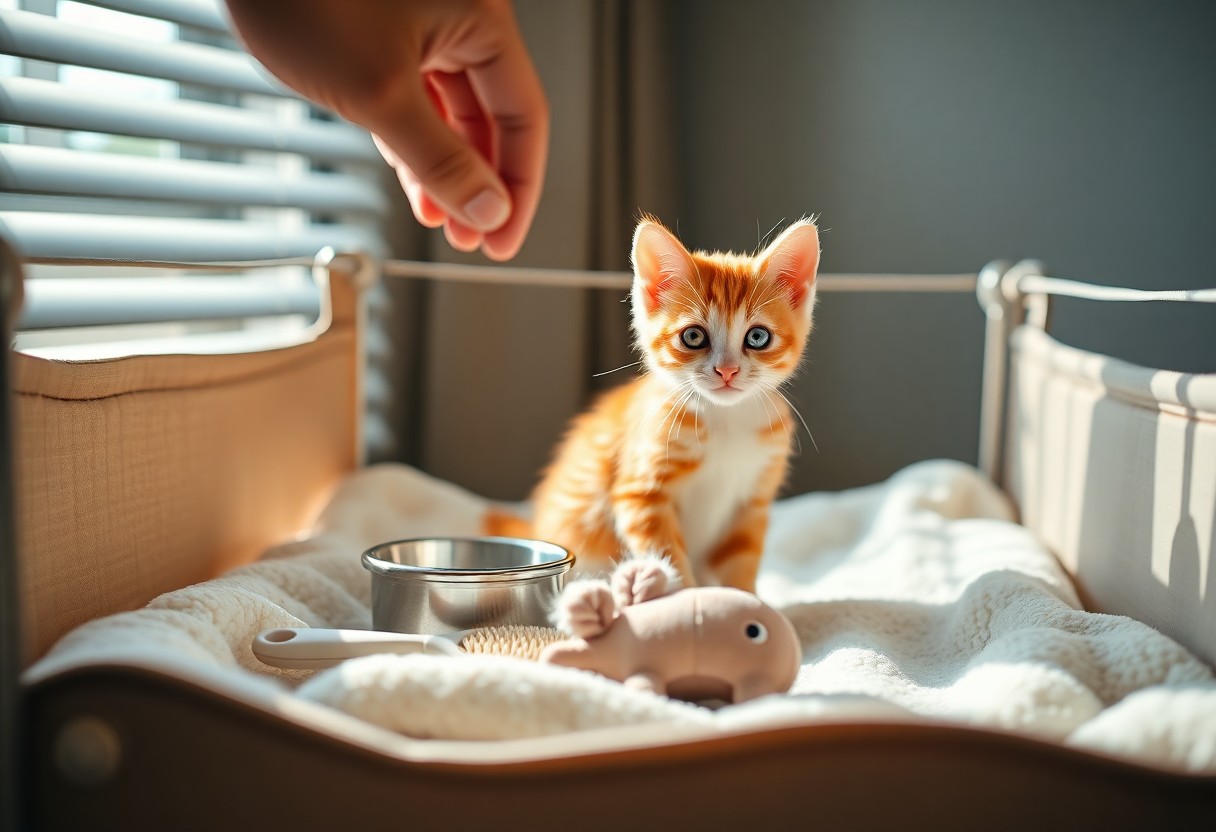
Enhancing Comfort Through Routine
Establishing a Consistent Schedule
You should feed and interact at predictable times-young kittens typically need 3-4 small meals daily until six months, then twice daily; set play at the same times and clean the litter box daily. Consistent wake/eat/play routines create safety; sudden changes or loud household upheaval can spike anxiety, so avoid surprise guests and noisy renovations. Keeping vet appointments on schedule and using a short morning and evening handling routine helps your kitten map the day and lowers stress.
Encouraging Exploration and Play
Offer a safe base like a covered bed and a vertical route (shelves or a cat tree) so your kitten explores on their terms; use interactive wand toys and rotate toys weekly to keep novelty. Aim for 5-10 minute sessions, 3-5 times daily, reward brave steps with treats, and let retreats happen without forcing contact. Never leave a shy kitten unsupervised outdoors-unfamiliar environments are dangerous and can set back progress.
Introduce puzzle feeders and low-stress handling: start with a slow food puzzle or treat-dispensing toy so your kitten associates exploration with reward, and pair wand play immediately before meals to boost interest. Clicker training in 2-3 minute hits builds confidence; progress over 1-3 weeks is common when sessions are brief and consistent. Use a Feliway diffuser near the safe room and block off stairs or high-traffic zones to prevent startling; you should always supervise new toys until you know they’re safe.
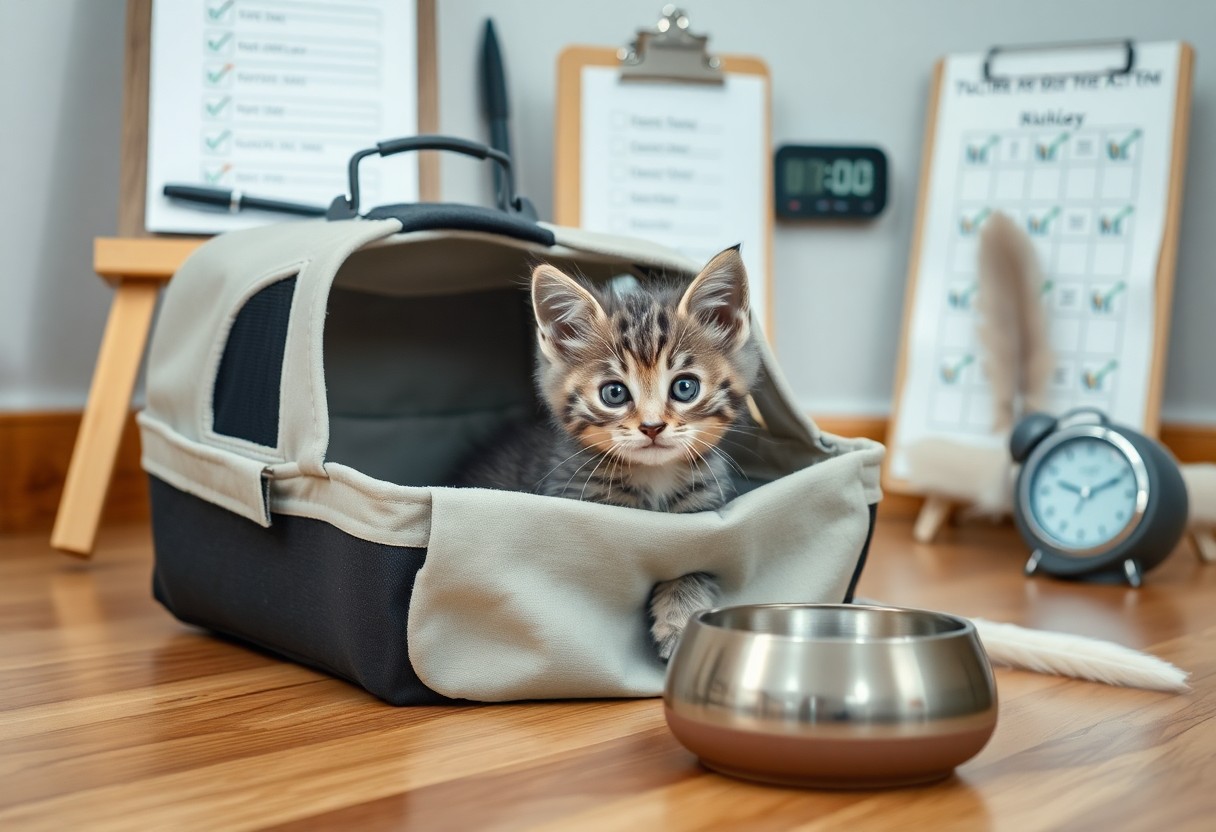
Patience and Progress Tracking
You should plan for gradual gains: many shy kittens show measurable improvement within 2-6 weeks if you practice 5-10 minutes daily of calm interaction, while some need up to 12 weeks. Track small wins like approaching within a meter or accepting a treat, and watch for stress signs such as hissing, flattened ears, or hiding-those are warning signals to back off. Use short, consistent sessions and adjust pace when progress plateaus.
Setting Realistic Goals for Socialization
Set concrete, time-bound steps: week 1 – sit quietly in the room for 5 minutes; week 2 – place food 50 cm from you and step closer over days; week 4 – aim for a 20-30 second touch or lap visit. Use a simple scale (1-5) for tolerance so you can measure change, and plan to increase challenge only after you record three positive interactions.
Keeping a Journal of Developments
Log date, time, session length, location, stimuli, the kitten’s behavior score (1 = hide, 5 = confident), treats used, and any triggers; e.g., “2/10: 7 min, sniffed hand, fled after 10s, score 2/5.” Include photos or 10-30 second videos for comparison. That record helps you spot patterns and shows your vet or trainer objective progress when you need advice.
Review your journal every 7 days to chart trends: tally sessions, average behavior score, and note times of day with best responses. Mark setbacks as data-if noise at 6 p.m. causes a drop, schedule sessions in the quieter morning. Share notes and clips with professionals; a vet can correlate behavior dips with health issues, and a trainer can recommend targeted exercises based on your documented trends.
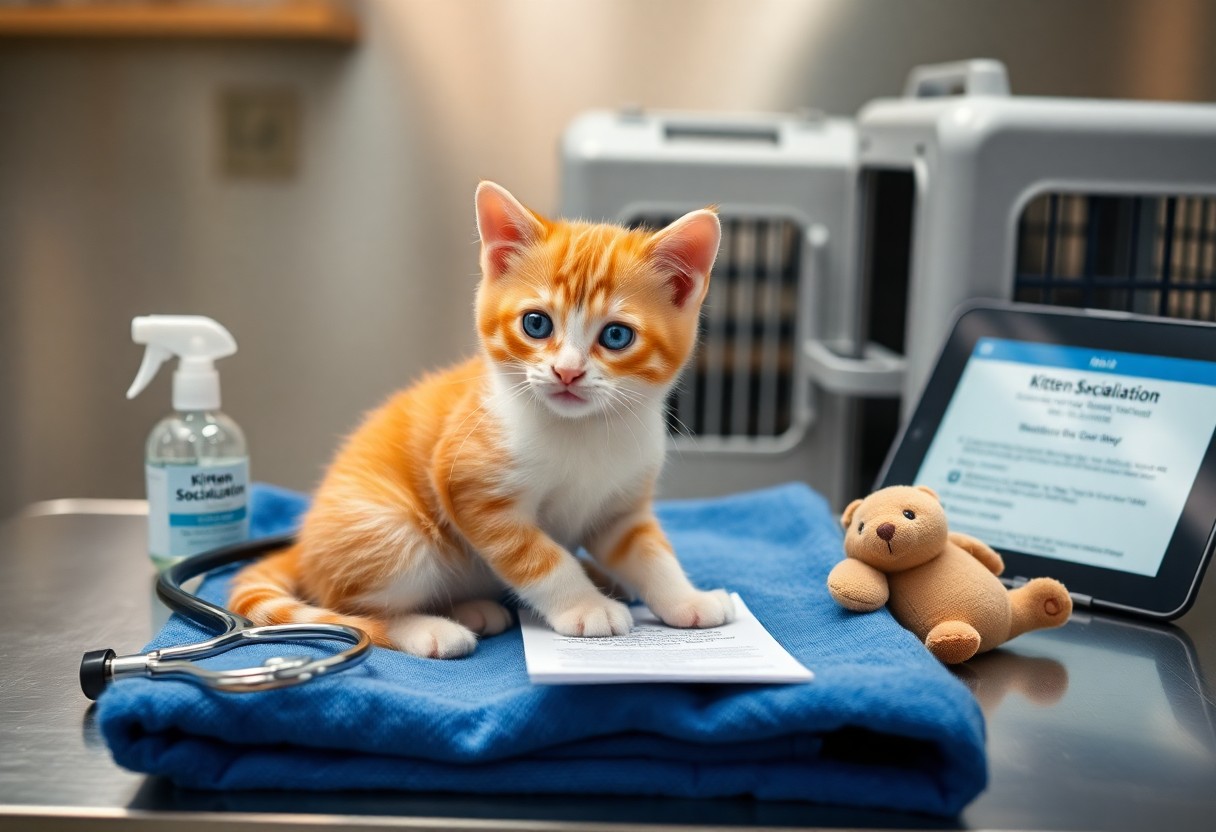
When to Seek Professional Help
Recognizing When to Consult a Veterinarian
If your kitten shows sudden changes such as persistent hiding for over 48 hours, loss of appetite, vomiting or diarrhea lasting more than 24 hours, visible wounds, or signs of pain, book a vet visit promptly. Immediate emergency care is required for difficulty breathing, seizures, collapse, or uncontrolled bleeding. Vets can run CBCs, chemistry panels, pain assessments, and infectious disease tests to identify medical causes that often present as behavior changes.
Finding a Certified Animal Behaviorist
When fear or aggression continues after 2-4 weeks of gentle socialization, or when inappropriate elimination persists despite medical clearance, consult a behaviorist. Look for a DACVB (veterinary behaviorist) or an IAABC-certified cat consultant; typical consultations run 60-90 minutes and commonly cost $150-$400. Expect a written behavior plan, scheduled follow-ups over 4-12 weeks, and tailored desensitization and counterconditioning exercises for your kitten.
Use the ACVB and IAABC directories or ask your veterinarian for referrals, and verify credentials and sample case reports before hiring. Prioritize professionals who perform in‑home evaluations when possible and who use force‑free, reward‑based methods with clear follow-up schedules. Decline anyone recommending shock, choke, or punitive tools; teleconsults may help initially, but in‑home visits often uncover subtle triggers you might miss.
Summing up
So you can calm a shy kitten by approaching slowly, offering gentle voice and treats, providing hiding spots, and using short, positive interactions that respect your cat’s pace; stay consistent, avoid forcing contact, and reinforce confident behavior with play and praise so trust and curiosity grow steadily.
FAQ
Q: How can I help a shy kitten feel safe when I first bring it home?
A: Set up a small, quiet room with a hiding spot, comfortable bedding, food, water, litter box and toys so the kitten has a predictable safe base. Move slowly and speak softly; sit at the kitten’s level and allow it to approach you on its own schedule. Offer high-value treats or wet food at a short distance and gradually reduce that distance over days to encourage voluntary interaction. Use gentle play with wand toys to build positive associations without forcing touch. Avoid loud noises, sudden movements and crowding; give the kitten several short, calm sessions each day rather than prolonged handling.
Q: What are gentle steps to socialize a shy kitten with people and other pets?
A: Start with scent exchanges-rub a cloth on the kitten and on household members or other pets so everyone becomes familiar by smell. For people, have quiet, low-key visits where guests sit still and let the kitten approach; offer treats and avoid reaching over the kitten. For other pets, use barrier introductions (baby gate, carrier door, or screen) so they can see and smell without direct contact, then progress to supervised, brief face-to-face meetings while the kitten can retreat. Reinforce calm behavior with play, treats and praise. Keep sessions short and gradual, and always provide escape routes and separate spaces so the kitten controls the pace.
Q: Which calming techniques help during stressful events like vet visits or loud noises?
A: Train the kitten to accept the carrier by leaving it open with bedding and treats, then practice short car trips to reduce travel stress. Use feline pheromone sprays or diffusers in the carrier and at home to lower anxiety. For noisy triggers, use desensitization: play recordings of the sounds quietly while pairing them with treats and play, slowly increasing volume over days to weeks. At the vet, ask for a quiet exam room, bring familiar-smelling bedding and a favorite toy, and consider asking your veterinarian about short-term, vet-prescribed calming medication if needed. After any stressful event, offer quiet recovery time, gentle play and rewarding interactions to rebuild confidence.