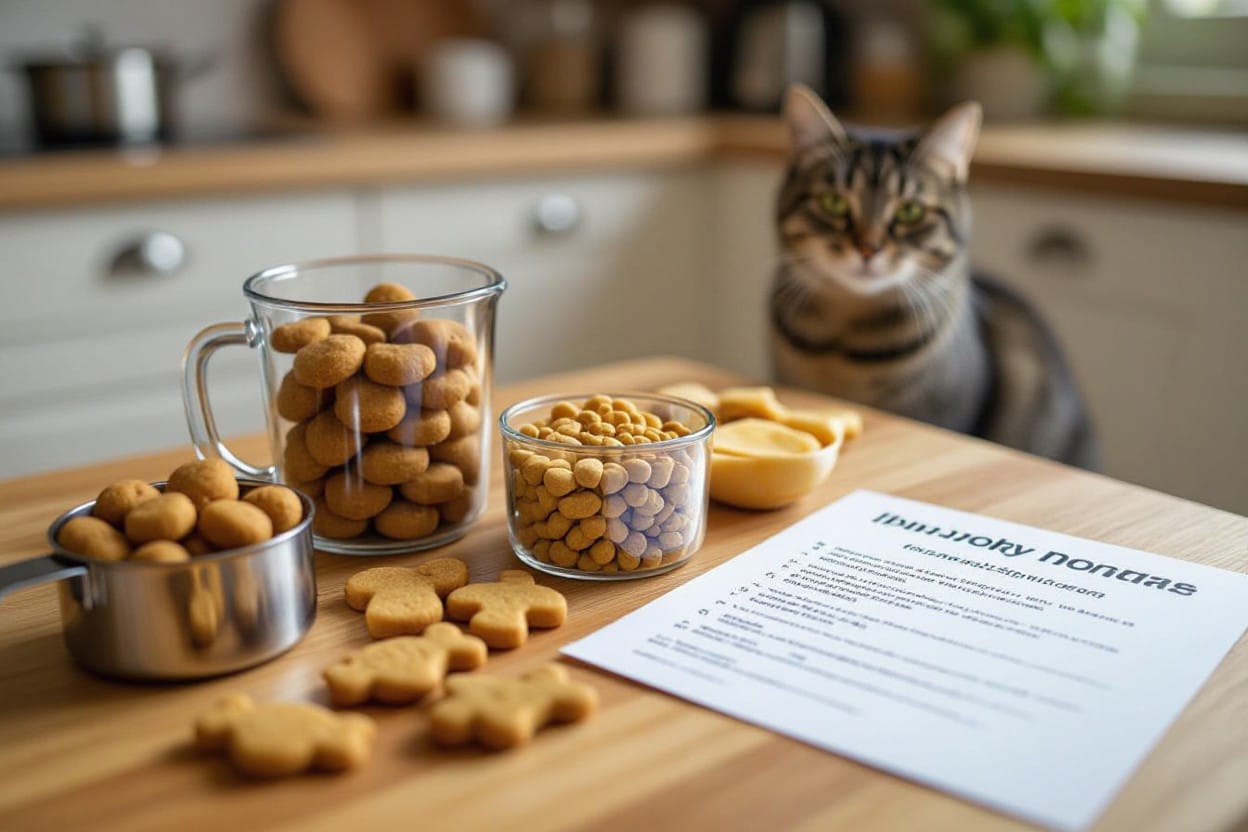
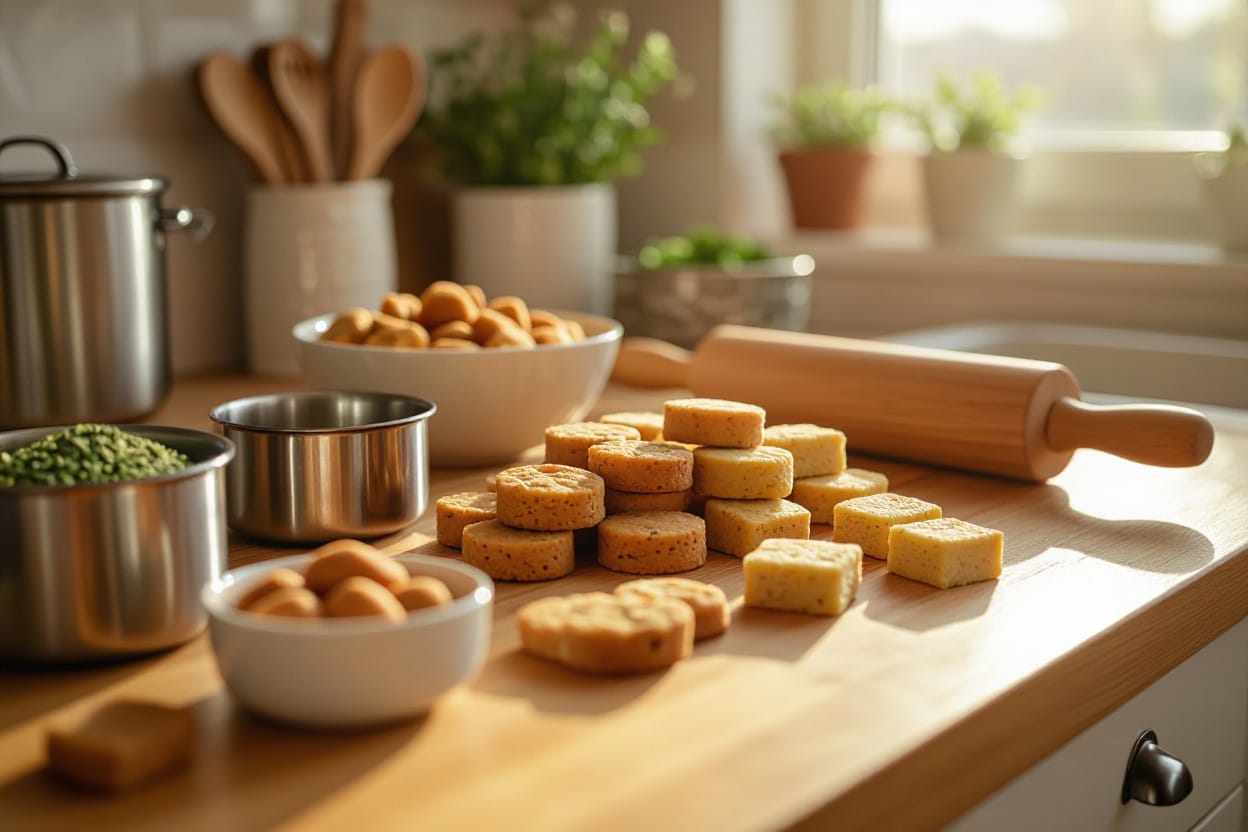
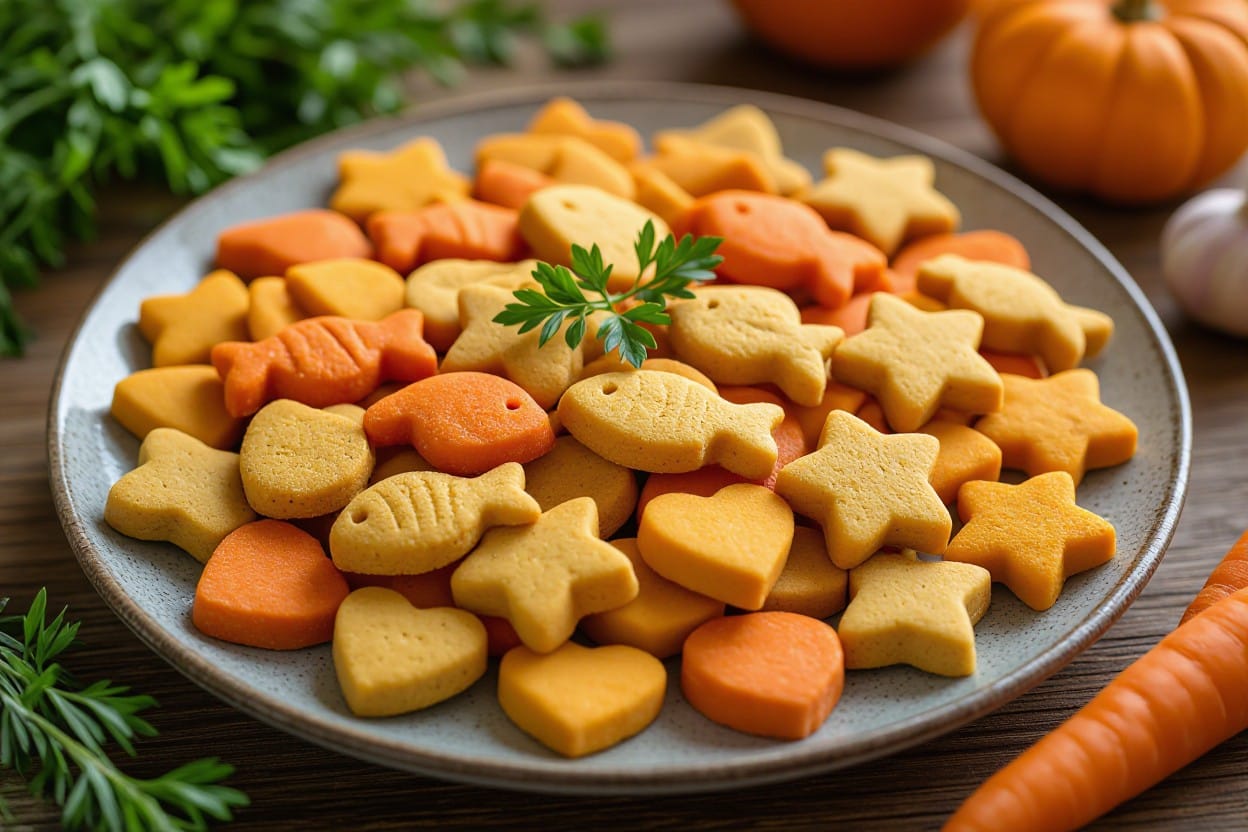
There’s an easy method to prepare wholesome treats that let you control ingredients and portion size so your cat stays healthy; you can whip up recipes in under 15 minutes using cooked fish or poultry and no added salt or sugar. Always avoid onions, garlic, chocolate and consult your vet about allergies or dietary needs before offering new treats.
Benefits of Homemade Cat Treats
You gain direct control over calories, protein and ingredient quality, so treats can support weight management, allergies and training goals. Aim to keep treats to under 10% of daily calories, use lean proteins like cooked chicken or turkey, and add small amounts of pumpkin or mashed carrot for fiber. Homemade options also reduce exposure to fillers and artificial additives, letting you prioritize high-quality protein and appropriate portion sizes tailored to your cat’s needs.
Nutritional Control
You can design treats with the macronutrient balance your cat needs: focus on animal protein first, moderate fat, minimal carbs. Use single-ingredient sources-cooked chicken, turkey, or plain canned salmon-and consider an occasional cooked egg for enrichment. Keep treats protein-rich and portioned for training sessions; veterinarians typically recommend treats make up no more than 10% of daily calories, so measure servings and log calories if you’re managing weight or medical conditions.
Avoiding Harmful Ingredients
You must exclude ingredients known to be toxic or risky: onion, garlic, chives, grapes, raisins, chocolate, alcohol, and artificial sweeteners like xylitol. Even powdered forms of onion or garlic used in seasonings can cause oxidative damage to red blood cells in cats, so avoid seasonings and flavored broths when preparing treats.
You should also avoid raw fish regularly because some raw fish contain enzymes that destroy thiamine and can lead to deficiency, and limit tuna to occasional servings (for example, no more than once per week) due to mercury concerns. Skip cooked bones and high-salt ingredients, and steer clear of commercial jerky or mystery-meat treats that have been associated with pet illnesses; stick to simple, single-ingredient recipes so you know exactly what your cat is eating.
Quick and Easy Treat Recipes
These recipes deliver quick, nutritious snacks you can make in 5-15 minutes; most use 3-4 common ingredients and require minimal equipment. Try no‑bake tuna bites or oven‑crisp chicken snacks in under 15 minutes, with portions sized for a 4-5 lb (1.8-2.3 kg) cat-about 1-3 small treats per session. Pay attention to ingredient safety and simple substitutions.
Tuna and Pumpkin Bites
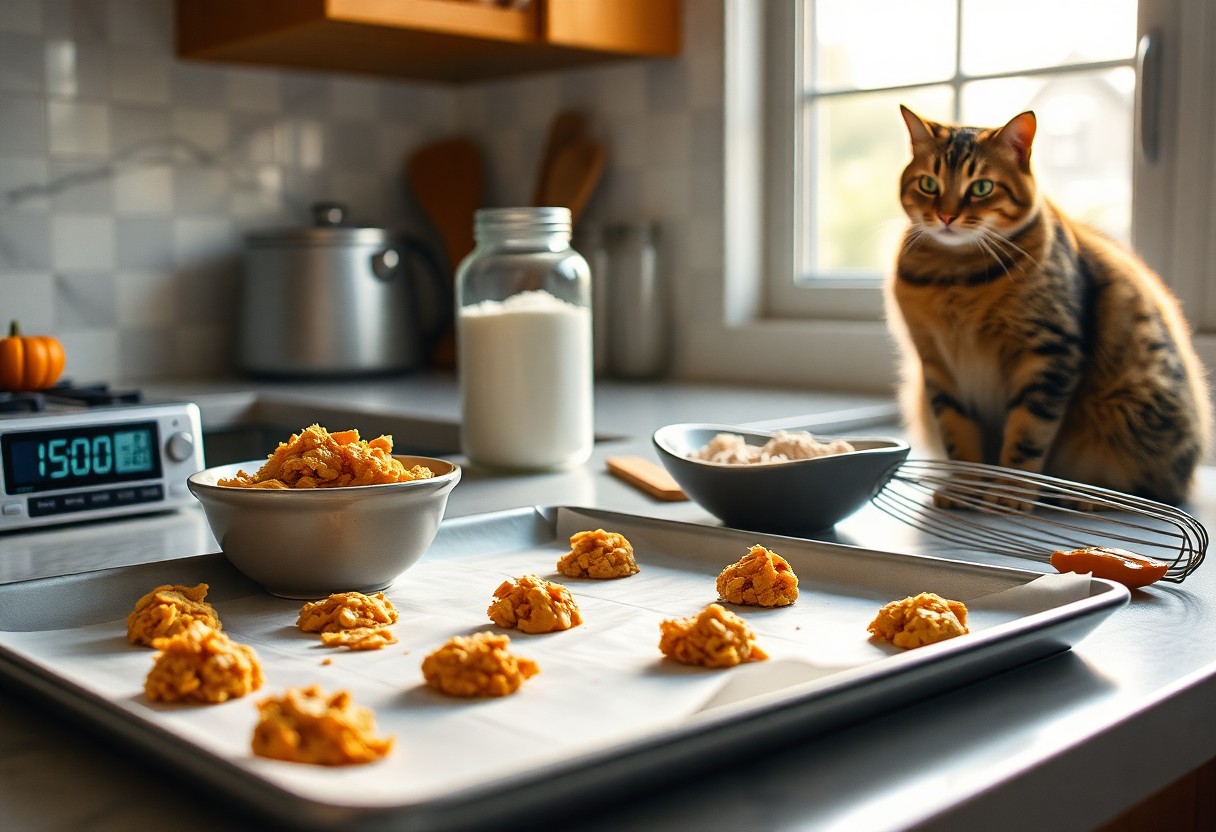
You can whisk one 5 oz (140 g) can tuna in water (drained) with 2 tbsp pumpkin puree and 1 beaten egg, drop teaspoon-sized mounds onto parchment and bake at 350°F (175°C) for 8-10 minutes; yields ~30 small bites. Pumpkin aids digestion and tuna provides protein and omega‑3s; limit tuna to avoid mercury buildup and omit added salt.
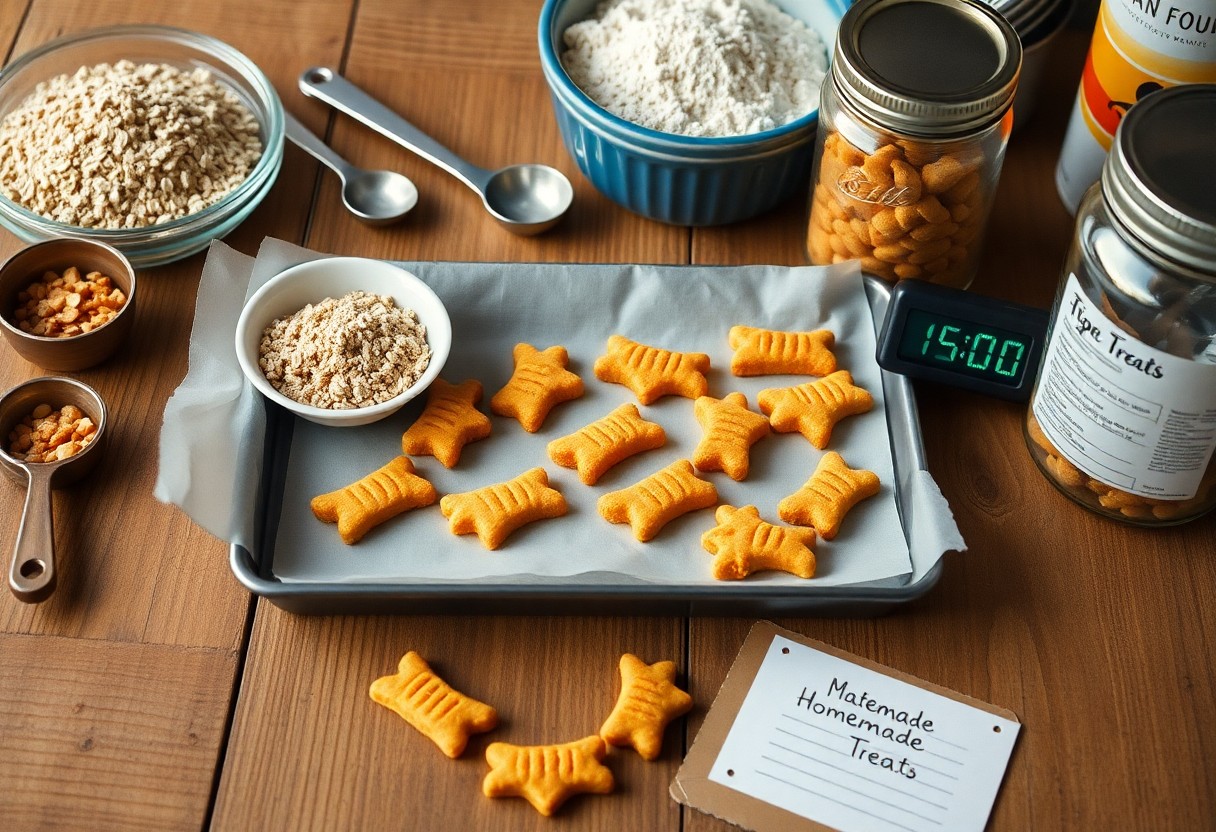
You combine 1/2 cup cooked, finely diced chicken with 1/3 cup oat flour and 1 egg white, stir in 1 tsp dried catnip, form pea-sized balls and bake 10-12 minutes at 350°F (175°C) until firm; makes ~40 treats. Cats respond to the scent and the mix is protein-rich; do not add onion, garlic, or salt and serve in moderation.
Texture turns crisp when fully baked; if your cat prefers softer chews, flatten the balls and bake 6-8 minutes or pulse the mixture finer. Store airtight in the fridge up to 4 days or freeze for 4 weeks, thaw before serving. For a 4 kg cat aim for treats under 10 kcal each-these are roughly 5-8 kcal apiece depending on size. Watch for digestive changes; stop feeding if vomiting or diarrhea occurs.
Tips for Preparing Healthy Treats
You can control calories and test sensitivities by making small batches with simple recipes that emphasize high-quality protein and minimal additives for healthy cat treats. Measure portions and note ingredients to catch reactions, and avoid toxic foods like onion, garlic, and xylitol. The average indoor cat needs only 5-10 treats per day.
Measure portions-a teaspoon-sized treat is typically 5-10 kcal.
Freeze batches in individual portions to reduce waste and speed serving.
Label and date containers to track storage and freshness.
Choosing Quality Ingredients
You should prioritize single-ingredient proteins like cooked, deboned chicken or unsalted canned salmon, plus binders such as plain pumpkin or mashed banana; these provide vitamins and fiber without fillers. Opt for human-grade or minimally processed items, pick lean cuts, and avoid added salt, sugars, and artificial sweeteners that can harm your cat.
Safe Cooking Practices
You should always cook poultry to 165°F (74°C) and ground meats to 160°F (71°C) to eliminate pathogens, and never serve raw poultry or undercooked eggs. Use separate cutting boards and utensils to prevent cross-contamination, wash hands and surfaces with hot soapy water, and let treats cool completely before offering them to your cat.
After cooking, you should portion treats into single-serving sizes and refrigerate for up to 3 days or freeze for up to 3 months; thaw in the refrigerator and reheat to 165°F (74°C) if serving warmed leftovers. Label containers with dates, test a small piece after reheating, and discard any treats with off odors or visible mold to protect your cat’s health.
Storing and Preserving Your Treats
Immediately refrigerate meat-based treats within 2 hours and keep your fridge at or below 40°F (4°C); you can store cooked treats for about 3-4 days and freeze portions for up to 3 months (vacuum-sealed up to 6 months). Use airtight containers, label with dates, and portion into single servings to reduce waste. Watch for mold or off smells, which indicate bacterial growth and require you to discard the batch.
Best Storage Methods
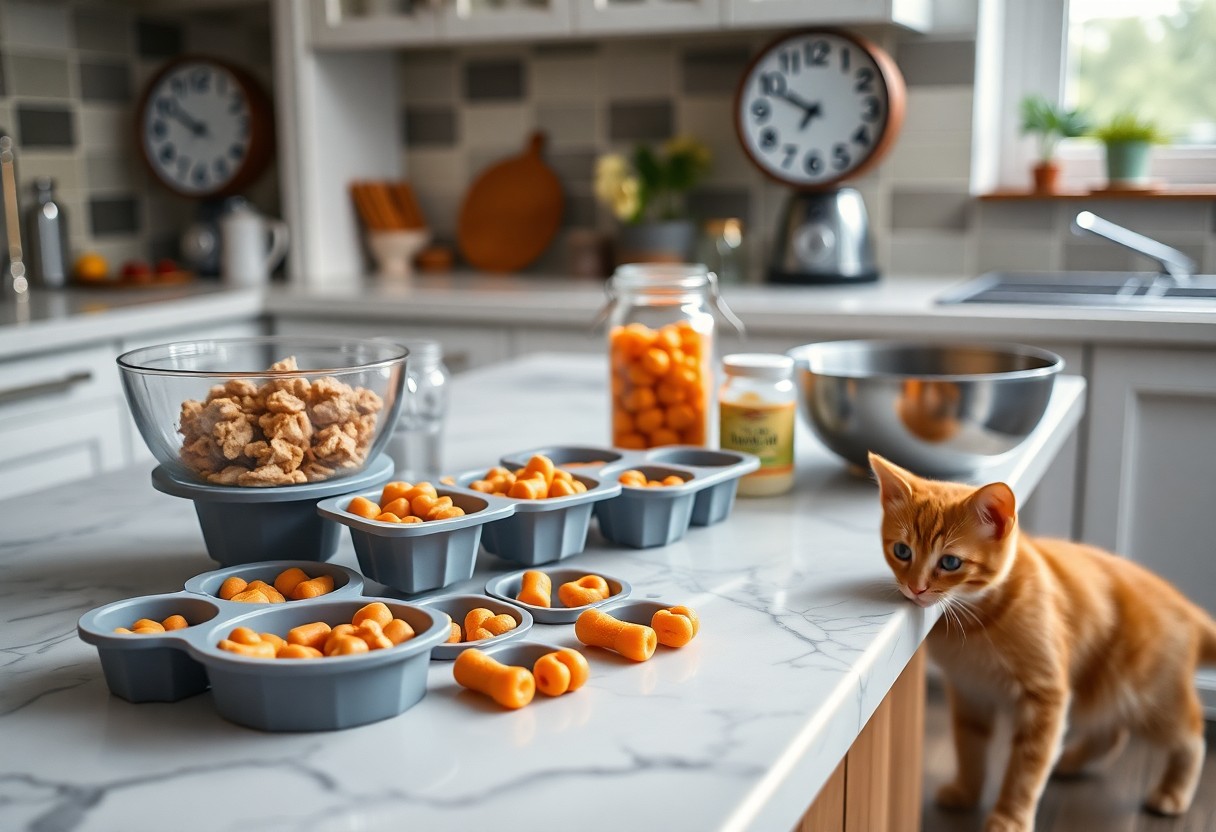
Use airtight glass jars or silicone bags for dry and baked treats, and vacuum sealing for long-term freezing. For moist treats, portion into ice-cube trays or small containers before freezing so you thaw only what your cat needs. Keep dehydrated treats in a dark place with a desiccant pack, and always label with prep and freeze dates to track freshness.
High-moisture recipes (pâtés, purees) have the shortest shelf life: refrigerate and use within 24-48 hours; cooked lean meat lasts 3-4 days, while dehydrated snacks can remain safe at room temperature for 2-3 weeks if dry. Fatty fish treats oxidize faster, so freeze those sooner to avoid rancidity.
Check treats before serving: if they smell sour, have sticky residue, visible mold, or slimy texture, discard immediately. Thaw frozen treats in the fridge and use within 24 hours after thawing; never refreeze thawed meat-based treats. Batch small (enough for 3-7 days refrigerated) to minimize spoilage and keep your cat safe.
Incorporating Treats into Your Cat’s Diet
Serving Sizes and Frequency
You should limit treats to no more than 10% of your cat’s daily calories; for a 10‑lb adult needing ~200 kcal/day that’s about 20 kcal from treats. Offer one small freeze‑dried piece, 1 tsp of wet food, or 2-3 kibble pieces per session. For overweight cats reduce treats to 5% or less and pick low‑calorie options like steamed fish flakes or plain boiled chicken.
Monitoring Your Cat’s Health
Weigh your cat weekly and assess body condition on a 1-9 scale aiming for a BCS of 4-5; if weight rises by more than 5% in a month cut back on treats. Track bowel movements and appetite, and watch for vomiting, diarrhea, lethargy, or loss of appetite after a new treat-these signs warrant veterinary advice within 24-48 hours. Also inspect skin and coat for allergy flares when introducing new proteins.
Keep a two‑ to four‑week treat log you update with type, portion size (use a kitchen scale to measure grams), and any reactions so you can calculate calories per treat and spot trends. Use a pet‑tracking app or spreadsheet to log kcal, and if you see persistent issues or new symptoms consult your veterinarian. For senior cats you should schedule checkups every 6-12 months and periodic bloodwork.
Enhancing Your Cat’s Treat Experience
Presentation Ideas
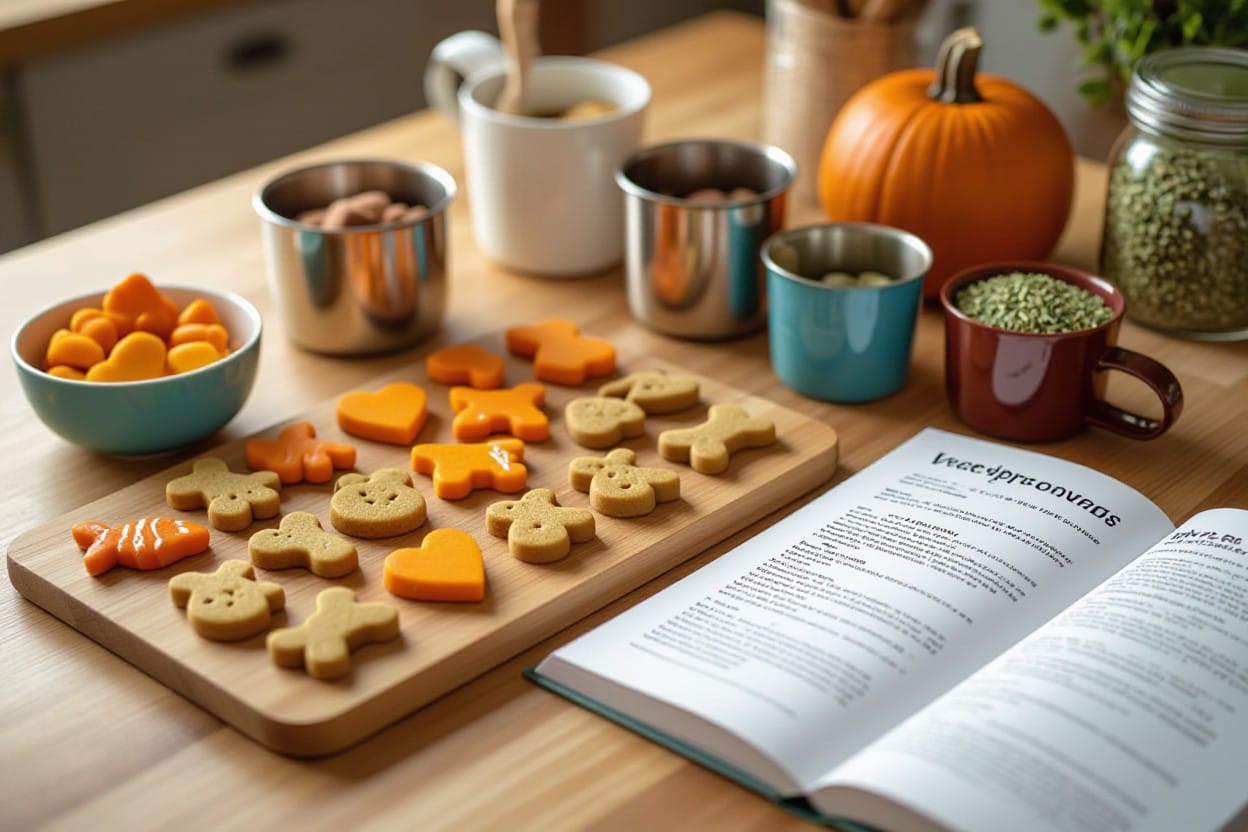
Try serving treats as small, 5-10 calorie bites on a shallow ceramic dish or silicone mat to slow snacking and boost appeal; you can warm wet treats 3-5 seconds in the microwave to intensify aroma. Scatter a few on a puzzle feeder or use tiny cookie cutters for uniform pieces. For safety, always avoid onion, garlic, chocolate, grapes, and bones, and favor single-ingredient options like plain cooked chicken or freeze-dried fish for a high-protein, low-carb choice.
Engaging Your Cat
Rotate interactive toys and hide 3-5 treats around a room to encourage foraging and mental stimulation; puzzle feeders that make your cat work 5-15 minutes per session often reduce overeating. You should limit treats to under 10% of daily calories and monitor portions so play-based feeding doesn’t become extra calories. Change hiding spots every 2-3 days to keep engagement high.
For practical setups use a muffin tin covered with tennis balls, a Kong-style ball for kibble-sized treats, or a DIY toilet-paper-roll puzzle for soft bites; start with 3 hiding spots and increase to 6-7 as your cat learns. Schedule 1-3, 5-10 minute sessions daily and weigh treats weekly to keep totals accurate-this helps prevent weight gain while increasing activity and enrichment.
Final Words
Taking this into account, you can confidently prepare quick, nutritious treats that support your cat’s health, using simple, high-quality ingredients and safe cooking methods; these recipes save time while letting you control portions and avoid harmful additives.
FAQ
Q: What quick homemade cat treats can I make in under 15 minutes?
A: Five simple options: 1) Tuna & oat mash – drain canned tuna in water, flake and mix with a spoonful of cooked rolled oats, form tiny balls and chill for 5-10 minutes; 2) Cooked egg bites – scramble one egg without oil or butter, cool, chop into pea-sized pieces; 3) Pumpkin-chicken drops – mix shredded cooked chicken with a teaspoon or two of plain canned pumpkin, drop small dollops on a plate and refrigerate until firm; 4) Salmon flakes – use a small piece of fully cooked salmon, remove bones, flake and serve cold; 5) Plain yogurt topper (only if your cat tolerates dairy) – a teaspoon of plain, unsweetened, low-lactose yogurt spooned onto a treat or spoon. Use tiny portions, avoid salt, spices, garlic, onions, and sweeteners, and ensure everything is fully cooled before serving.
Q: How do I keep these treats healthy and safe for my cat?
A: Focus on lean animal protein and minimal additives: no onions, garlic, chives, chocolate, raisins, xylitol, or added salt; avoid heavy oils, sauces, and high-carb mixers. Cook proteins thoroughly to kill bacteria, debone fish and poultry, and keep portion sizes small (treats should be under 10% of daily calorie intake). Introduce one new ingredient at a time to watch for allergies or digestive upset, and pause homemade treats if your cat has pancreatitis, kidney disease, or other conditions without first checking with your veterinarian.
Q: What are the best ways to store and serve these quick treats?
A: Store small batches in an airtight container in the refrigerator for up to 2-3 days or freeze single-serving portions (ice cube tray or small bag) for up to a month; thaw in the fridge and serve at room temperature. Serve treats as tiny bites or broken pieces to avoid overeating and choking; warm a chilled treat briefly if your cat prefers scent, but never serve hot. Discard any leftovers that smell off, and stop feeding a new recipe if you see vomiting, diarrhea, lethargy, or changes in appetite, then consult your veterinarian.