Food that doesn’t suit your cat often causes visible and behavioral changes, so you should watch for persistent vomiting, diarrhea, unexplained weight loss or gain, recurring lethargy, and skin and coat problems. Pay attention to decreased appetite, strong odors, and sudden litterbox changes that may signal allergic reactions or nutrient imbalance; conversely, a return to a healthy appetite and improved energy usually indicates better suitability.
Common Signs of Poor Nutrition
You’re likely to see several red flags when nutrition falters: unexplained weight loss, persistent vomiting or diarrhea, increased thirst, dull or patchy coat, and reduced muscle mass. Labs often reveal low albumin or anemia; in one clinic series 40% of malnourished cats had gastrointestinal signs. Early correction of diet and targeted testing can prevent progression to serious illness.
Unexplained Weight Loss
When your cat loses more than 5% of body weight in a month or shows visible muscle wasting, it’s a warning sign. You may notice ribs or spine becoming prominent, decreased appetite, or picky eating. Causes range from inadequate calories or poor protein quality to dental pain, hyperthyroidism, or parasites; seek veterinary evaluation if weight drops or appetite changes.
Changes in Coat Quality
Your cat’s coat reflects diet: brittle, dry, greasy, or patchy fur and excessive shedding suggest deficient necessary fatty acids or low-quality protein. You might spot increased dandruff or matting, especially along the spine and flanks. These signs often coincide with secondary skin infections or allergies, so evaluate diet and consult your vet.
Switching to a formula with higher-quality animal protein and balanced omega-3/6 often improves coat condition; choose foods listing chicken, turkey, or fish as first ingredients. Aim for roughly 30-40% crude protein on a dry-matter basis if your vet agrees. Many cats show visible improvement in 4-8 weeks, though allergies or parasites may require additional treatment.
Behavioral Indicators
Subtle shifts in play, grooming, and social behavior often signal an unsuitable diet: if your cat stops initiating play, hides more, or begins avoiding the litterbox, that can reflect nutritional distress or discomfort. Most adult cats sleep 14-16 hours daily, so a marked change in activity patterns-like losing routine 10-15 minute play bursts-warrants attention. Avoiding interaction, increased aggression, or obsessive grooming are particularly telling.
Decreased Energy Levels
When your cat’s energy dips, you’ll notice fewer jumps, less climbing, and shorter play sessions; a once-spry cat that no longer leaps onto counters may be signaling nutrient deficiency, anemia, or thyroid dysfunction. If your cat avoids stairs or struggles to clear a 2-3 foot jump, that’s significant. Profound lethargy-unable to stand or eat-requires immediate veterinary evaluation.
Changes in Appetite
Sudden increases or decreases in appetite can point to underlying disease: polyphagia with weight loss suggests hyperthyroidism or diabetes, while reduced intake often links to dental pain, kidney disease, or gastrointestinal upset. Track daily intake; if your cat refuses food for more than 48 hours or shows a >20% change in intake over 3 days, contact your veterinarian.
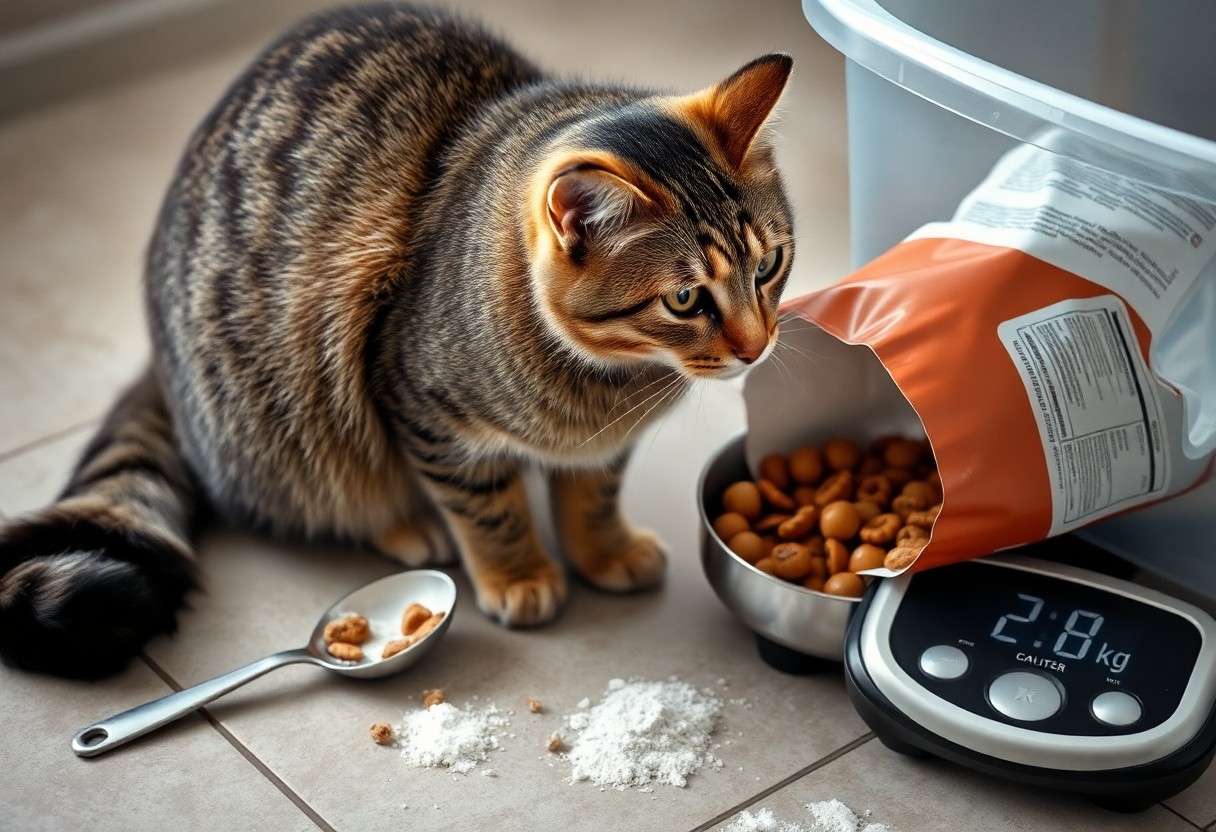
Measure meals with a kitchen scale and keep a 3-7 day food diary noting grams eaten, vomiting, stool changes and water intake; for example, a 10 lb (4.5 kg) cat typically needs about 200-300 kcal/day, so a sudden 20% drop can lead to rapid weight loss. Share this diary with your vet-if appetite loss persists beyond 48-72 hours, or is accompanied by vomiting, excessive thirst, or weight loss >5% over weeks, seek evaluation.
Digestive Issues
Vomiting and Diarrhea
Occasional hairball vomiting is common, but if your cat vomits >2 times in 24 hours or has ongoing diarrhea for >48 hours, that signals a problem. Sudden changes after a diet switch, or signs like bloody stool, severe lethargy, or refusal to drink, require prompt vet attention. Acute cases can cause dehydration and electrolyte imbalance within a day, so track frequency, stool consistency, and any weight loss to give your vet precise details.
Constipation
Most cats defecate about 1-2 times daily; straining, passing small hard pellets, or going >48 hours without stool suggests constipation. You may notice a tense abdomen, repeated trips to the litter box, or vocalizing while trying to pass stool. Causes often include low-water diets, hairball accumulation, or reduced mobility in older cats; left untreated, constipation can progress to obstipation or megacolon, which is a serious condition.
At home, check for a dry, rock-hard abdomen, decreased appetite, and continued straining-these are red flags indicating you should contact your vet. Treatment options your vet may use include rehydration, prescription fiber or wet-food switches, stool softeners, enemas under supervision, or, for chronic megacolon, surgical intervention. Keep a log of bowel movements, water intake, and any medication to help your vet decide the safest, most effective plan.
Specific Nutritional Deficiencies
Importance of Balanced Diet
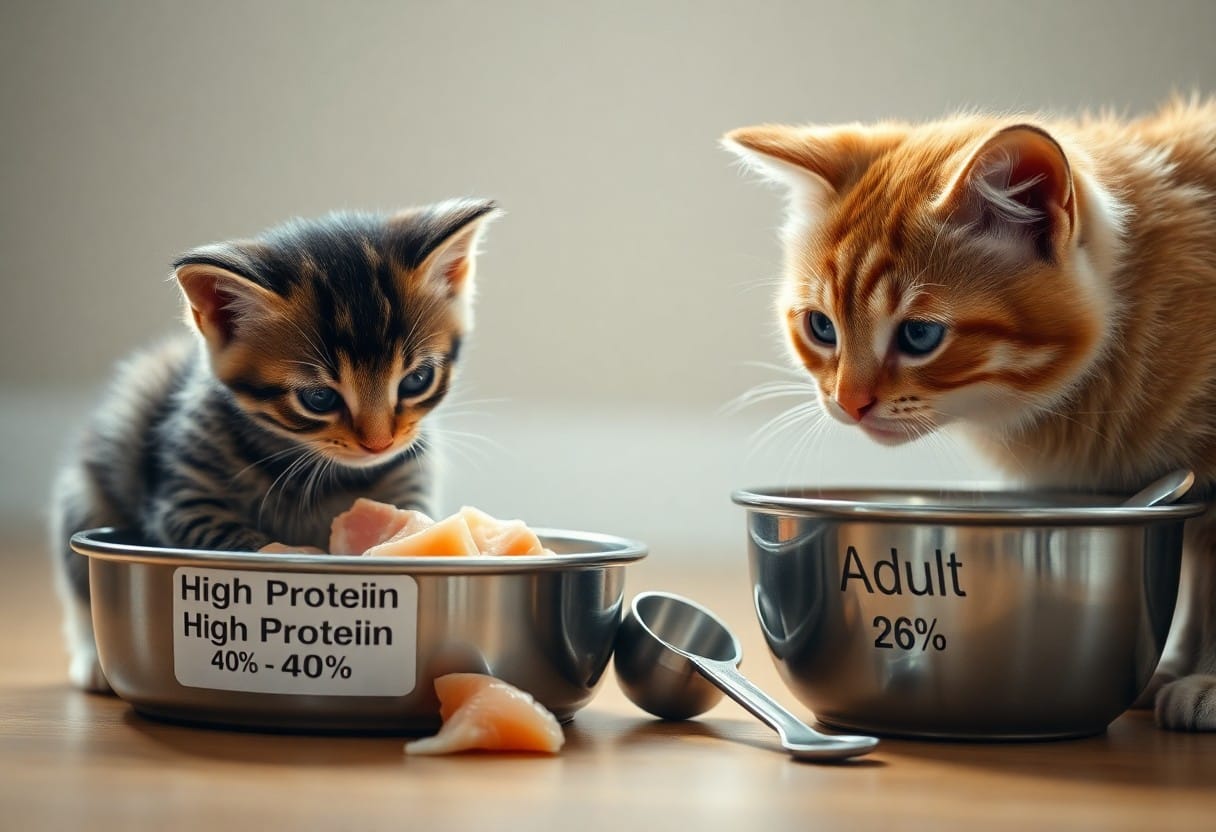
Proper balance matters because cats need imperative nutrients like taurine, preformed vitamin A, arachidonic acid, vitamin D, B vitamins and high-quality animal protein; AAFCO minimums (for example, roughly ~26% crude protein on a dry-matter basis for adult maintenance) set baselines. You’ll find commercial diets vary in bioavailable sources, so paying attention to ingredient quality and guaranteed analysis tells you whether your cat’s daily food actually meets those specific needs.
Consequences of Deficiencies
Taurine deficiency can produce retinal degeneration and dilated cardiomyopathy, often developing within 3-6 months on an inadequate diet. Thiamine shortfalls cause neurological signs-ataxia, seizures-sometimes within weeks. Calcium/phosphorus or vitamin D imbalances lead to metabolic bone disease and growth problems in kittens. You should watch for progressive lethargy, poor coat, weight loss, vomiting or sudden collapse as red flags that nutrition is failing your cat.
In clinical practice, bloodwork often reveals low taurine, low albumin or altered electrolytes; thoracic radiographs or echo may show cardiac enlargement from taurine-related cardiomyopathy, and fundus exams detect retinal thinning. With prompt supplementation and a corrected diet, cardiac function frequently improves within 2-8 weeks, but retinal damage can become permanent if intervention is delayed, so early detection matters for outcomes.
Weigh portions and set meal times: kittens need 3-4 small meals daily, while most adult cats do well on 2 measured meals. An average indoor neutered 4 kg cat requires about 200-250 kcal/day; if your kibble is 350 kcal/100 g that equals roughly 60-70 g daily split into two. Use a kitchen scale and stick to set feeding windows to prevent grazing that masks appetite issues.
Understanding Your Cat’s Needs
Factors like age, activity, and neuter status change calorie needs: kittens and pregnant cats need frequent feeding, while an active outdoor 4 kg cat may need 250-300 kcal/day compared with ~200 kcal for an indoor neutered counterpart. Use a body condition score (target 4-5/9) and weigh your cat monthly; a gain or loss of more than 5-10% in a month signals you should adjust portions or consult your vet.
Overfeeding vs. Undereating
Overfeeding shows as steady weight gain, a heavy waist, and reduced activity; long-term excess calories raise the risk of obesity and diabetes. Conversely, undereating causes rapid weight loss, muscle wasting, and lethargy; in overweight cats, stopping food can trigger hepatic lipidosis within 48-72 hours. Track weight weekly and compare to the target BCS to spot trends early.
For example, if your 4 kg cat needs 200 kcal/day but you feed 300 kcal, that 50% surplus can produce a 1-2 kg gain over months; conversely, if your cat refuses food for >48 hours, the risk of hepatic lipidosis rises and you must seek veterinary care. Weigh portions with a scale, reduce or increase calories by ~10% increments, and consult your vet if weight changes exceed 10% in a month.
Transitioning to New Food
Ease the change over a structured schedule: aim for a gradual swap over 7-10 days, or extend to 10-14 days for sensitive cats. Start by mixing a small amount of the new kibble into the old, increasing the new ratio every 2-3 days; sudden switches often cause vomiting, diarrhea, or loss of appetite. You should weigh your cat weekly, note stool quality, and be prepared to slow the ramp-up if any digestive signs appear.
How to Properly Switch Foods
Use a stepwise plan: days 1-2 mix 25% new / 75% old, days 3-4 50/50, days 5-6 75/25, then full new food on day 7. Warm the food slightly or add a teaspoon of low-sodium broth to increase aroma for picky eaters. If your cat balks, pause at the last comfortable ratio for 48 hours before progressing, and consider a longer 14-day transition for kittens, seniors, or cats with prior GI issues.
Monitoring the Change
Track appetite, energy, stool consistency, and body weight daily to catch problems early; keep a simple log or photos. Seek veterinary advice if you see vomiting for more than 48 hours, diarrhea lasting over 24-48 hours, visible blood in stool, or > 5% body-weight loss in a week.
For minor loose stool, revert to the previous mix for 48-72 hours, then resume a slower progression over 10-14 days; severe signs require stopping the new food immediately and contacting your vet. Use a weight trend (weekly) and a 1-5 stool-score chart to quantify changes-many owners see coat or energy improvements in 4-6 weeks, so give benefits time while you monitor for adverse reactions.
Final Words
With this in mind, watch for persistent vomiting or diarrhea, sudden appetite or weight changes, dull coat or skin irritation, excessive thirst, bad breath, altered energy or litter-box habits-these signal your cat’s food may not be right. Act promptly: consult your veterinarian, track symptoms and ingredients, and adjust your feeding plan to protect your cat’s health and comfort.
FAQ
Q: What digestive signs indicate my cat’s food might be wrong?
A: Frequent vomiting (more than once or twice a week), persistent diarrhea, loose or mucousy stools, constipation, or visible blood in stool can indicate a dietary problem. Note timing-symptoms that begin shortly after a meal or after switching formulas point to food-related issues. Repeated digestive upset that causes weight loss, dehydration, or lethargy requires veterinary evaluation within 24-48 hours. Keep a log of episodes, what your cat ate, and any treats or table scraps to help the vet identify triggers.
Q: How can my cat’s skin and coat reveal a poor diet or intolerance?
A: A dull, thinning, greasy, or excessively shedding coat; flaky, dry, or inflamed skin; persistent scratching or hot spots; and patchy hair loss are common signs that the diet may be lacking imperative nutrients or that an ingredient is causing sensitivity. Food allergies often cause both skin and gastrointestinal signs. Improvements from a properly balanced or elimination diet may take 4-8 weeks; if there’s no progress or the condition worsens, consult your veterinarian for diet trials, allergy testing, or prescription formulas.
Q: What behavioral or urinary changes suggest the food isn’t right?
A: Sudden changes in appetite (refusing food, frequent begging, or overeating), unexplained weight loss or gain, reduced energy, hiding or irritability after meals, accidents outside the litter box, straining to urinate, frequent urination, or blood in the urine can all signal a dietary problem or intolerance. Palatability issues, dental pain from hard kibbles, or food components that affect urine pH and concentration can cause these signs. Track food type, amounts, and timing; if behavior or urinary signs are severe, persistent, or accompanied by pain, seek veterinary care promptly.