Cat grooming is one of the best ways to keep your pet healthy, reduce hairballs and strengthen the bond between you and your feline. When you establish a routine and use the right tools, grooming becomes easier and less stressful for both of you.
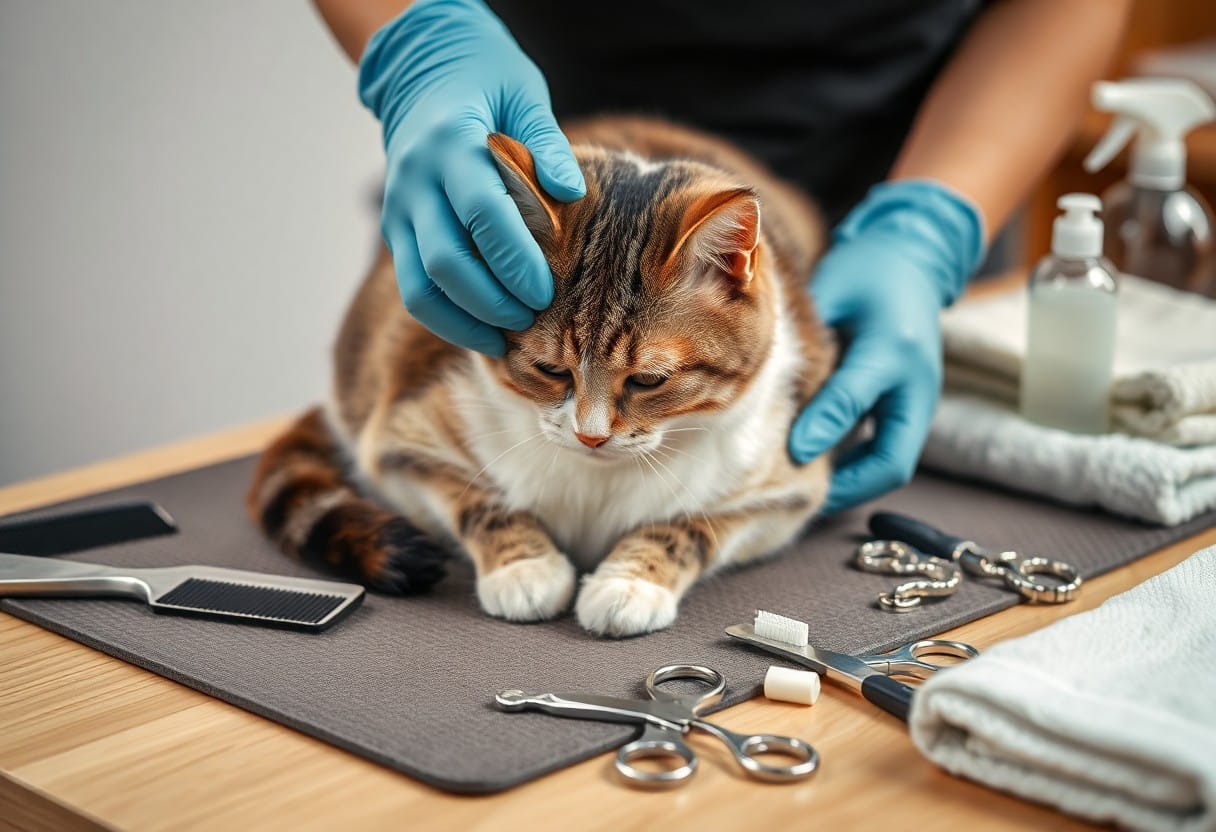
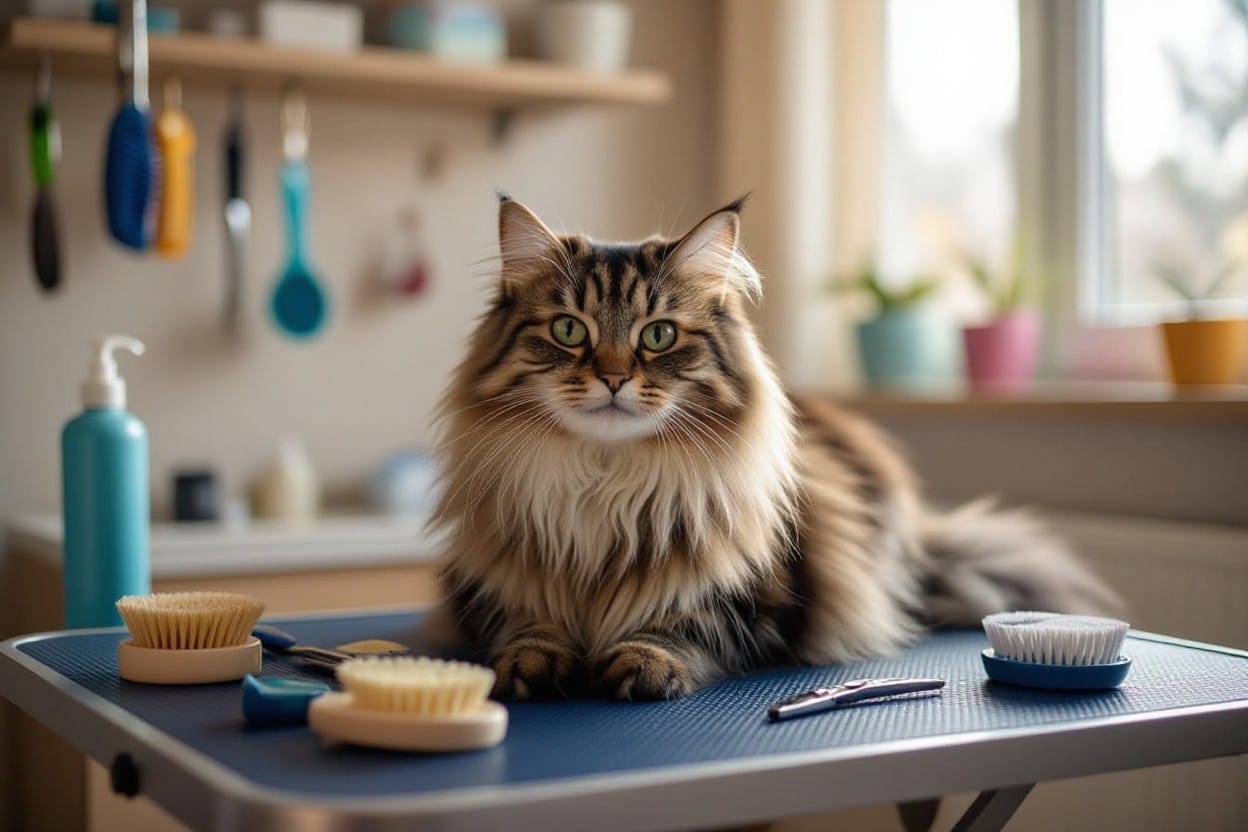
Essential tools include a slicker brush for mats, a comb for finishing work, a deshedding tool for heavy shedding, and nail clippers or a grinder for trims. Add a soft toothbrush and cat-safe toothpaste for dental care, gentle ear cleaner for occasional ear checks, and cat-safe shampoo if bathing is needed. Keep styptic powder on hand to stop minor nail-bleeding and use a sturdy towel to wrap an anxious cat.
For brushing, start with short sessions and reward your cat with treats and praise so you build positive associations. Use the slicker brush in gentle strokes, follow with the comb to catch loose hair, and pay special attention to areas prone to tangles like behind the ears and under the legs. For long-haired cats, detangle mats carefully by working from the edges and, if necessary, trimming a mat with blunt-nosed scissors while avoiding the skin.
If you need to bathe your cat, prepare everything first: warm water, cat-safe shampoo, and towels. Keep the bath brief, support your cat securely, and rinse thoroughly. For nail trimming, hold paws gently, trim the tip avoiding the quick, and use styptic powder if you nick it. Clean ears with a cotton ball and veterinarian-approved ear cleaner, never insert objects deep into the canal.
Make grooming stress-free by using short sessions, positive reinforcement, and consistent timing. Schedule professional grooming or consult your veterinarian if mats are severe, skin issues appear, or you encounter behavioral resistance. With patience and the right techniques, you and your cat can enjoy safer, more comfortable grooming.