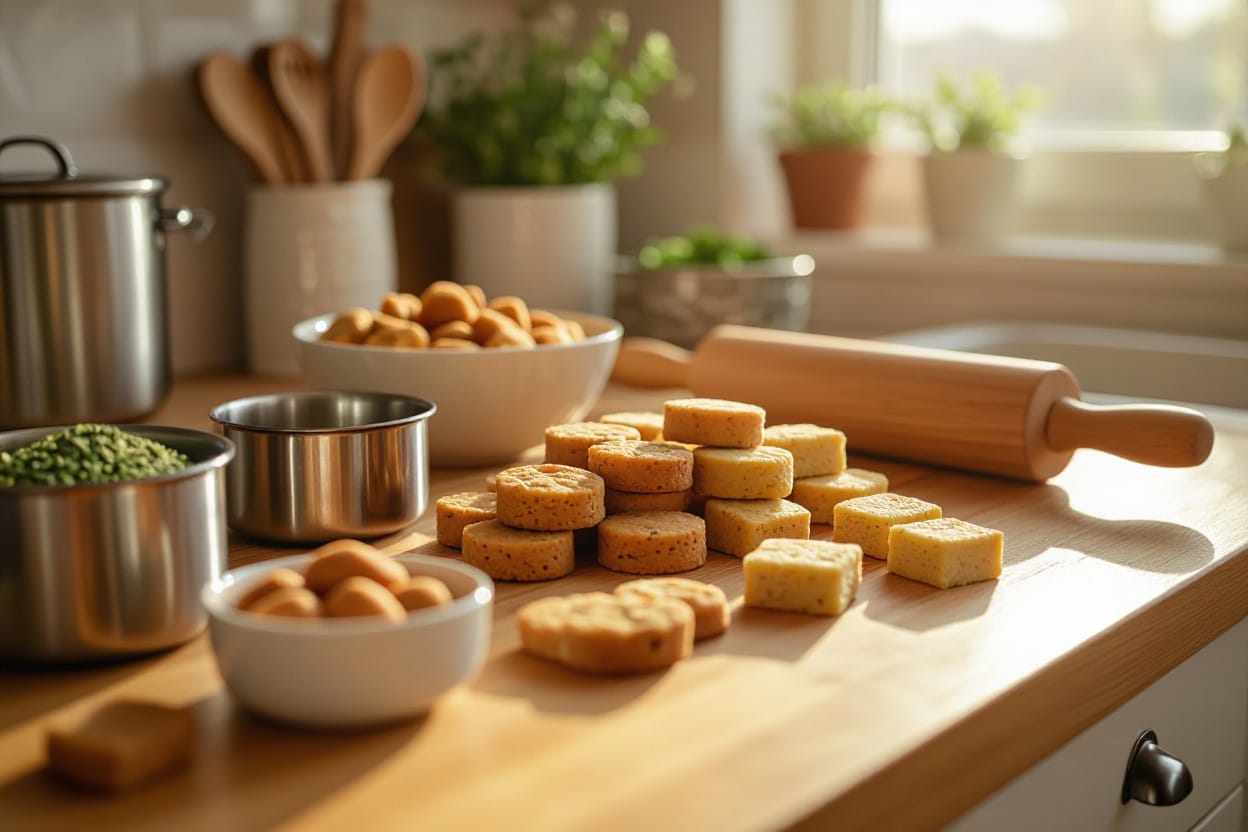
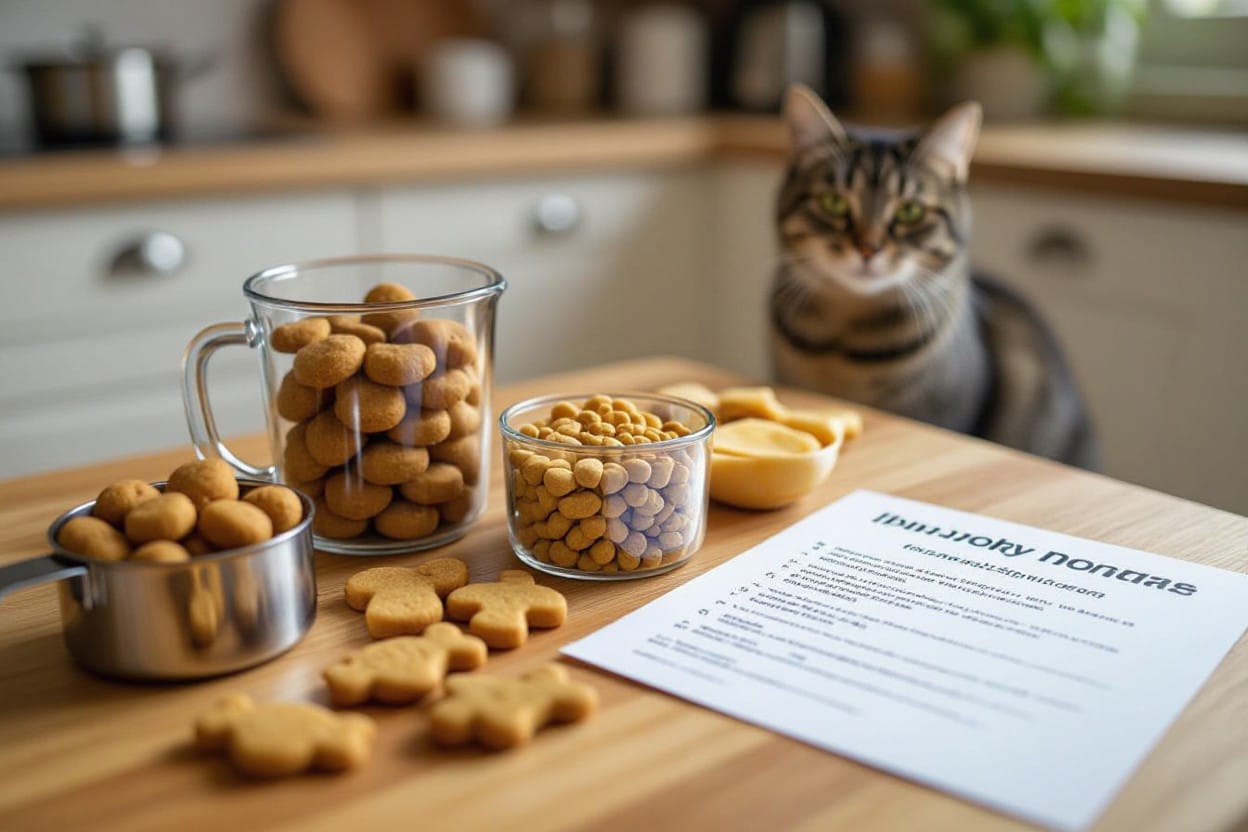
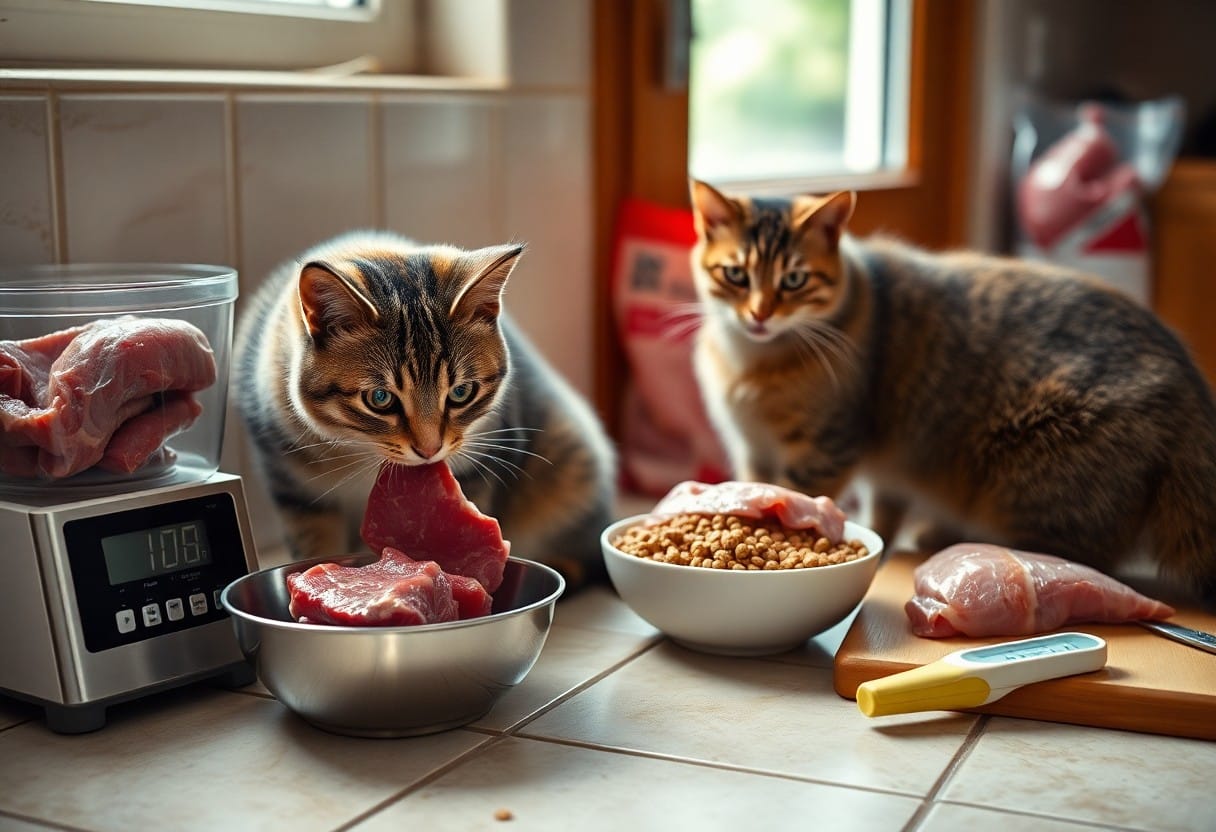
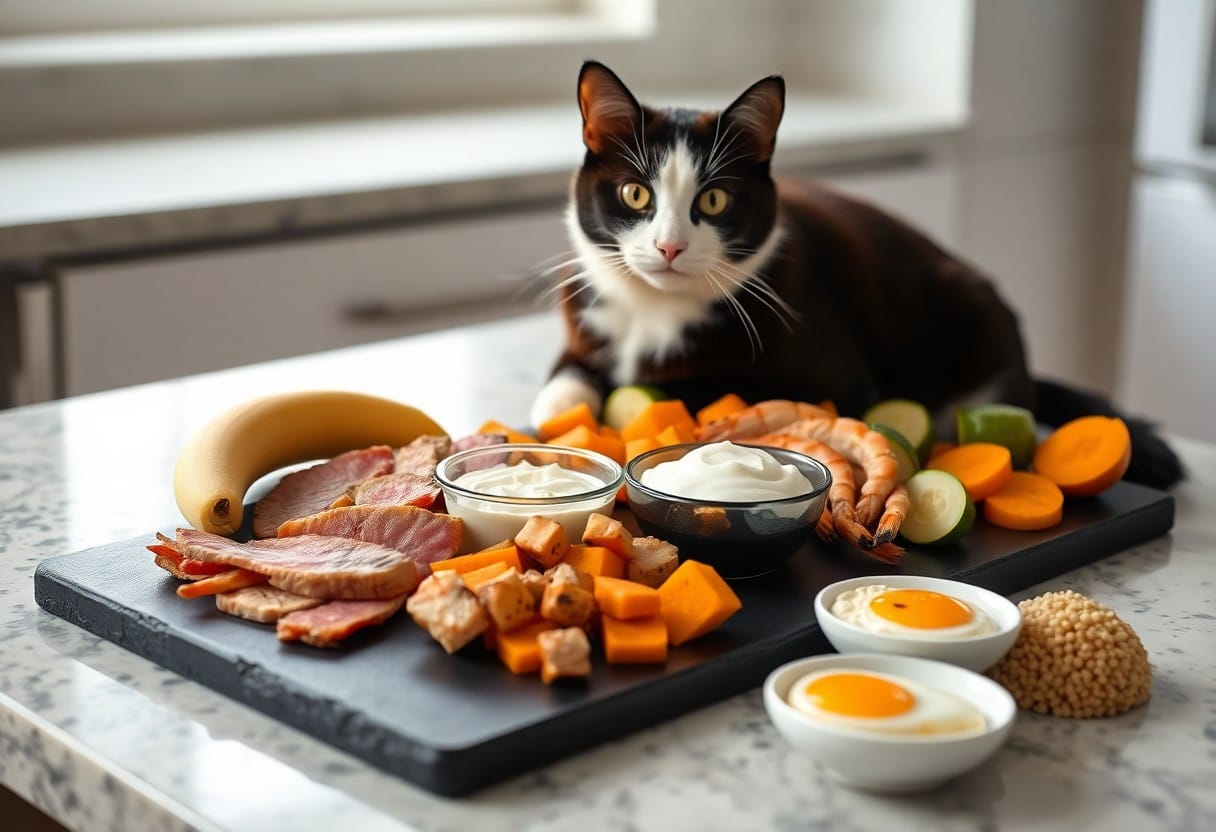
Homemade no-bake treats let you control flavors and nutrition while saving time; in this guide you get five easy recipes using canned tuna, cooked chicken, pumpkin, salmon, and catnip that require no oven. You’ll learn how to balance protein and moisture, use fresh, cat-safe ingredients, and avoid toxic items like chocolate, onion, garlic, and xylitol. Follow portion guidelines and consult your vet for allergies or diet limits.
Benefits of Homemade Cat Treats
You gain precise control over ingredients, portion size and calories when you make treats at home, keeping snacks under 10% of your cat’s daily calories. Because you choose components, you can boost protein with cooked chicken or tuna and avoid harmful additives like onion, garlic, chocolate, xylitol. Practical examples show homemade batches let you limit sodium and fillers, support better coat and dental health, and tailor treats for weight or allergy needs.
Healthier Ingredients
By selecting whole foods you can prioritize high-quality protein (cats need roughly 25-30% protein of their diet) and natural sources of taurine such as cooked fish or chicken liver. You can add plain canned pumpkin for fiber, omit salt and flavor enhancers, and avoid dairy since many cats are lactose intolerant. Small batches let you test single-ingredient recipes to spot food sensitivities faster than store-bought mixes.
Cost-Effective Solutions
You cut costs dramatically: commercial treats often run $0.15-$0.50 each, while a $2 can of tuna can yield 15-20 small servings (~$0.10 or less per treat) when stretched with egg or pumpkin. Buying bulk chicken or using cooked leftovers reduces per-treat price, and simple recipes require no special equipment beyond basic bowls and a freezer tray.
Batch-making and freezing are key: portion treats into 1-2 teaspoon servings on a tray, freeze, then transfer to bags to keep for up to 3 months. You save even more by using pantry staples-canned fish, cooked rice, eggs-and shopping sales; rotating proteins prevents boredom and lets you use leftovers safely, refrigerating fresh batches for no more than 3-4 days before discarding.
No-Oven Treat Idea #1: Tuna Bites
Quick no-bake tuna bites
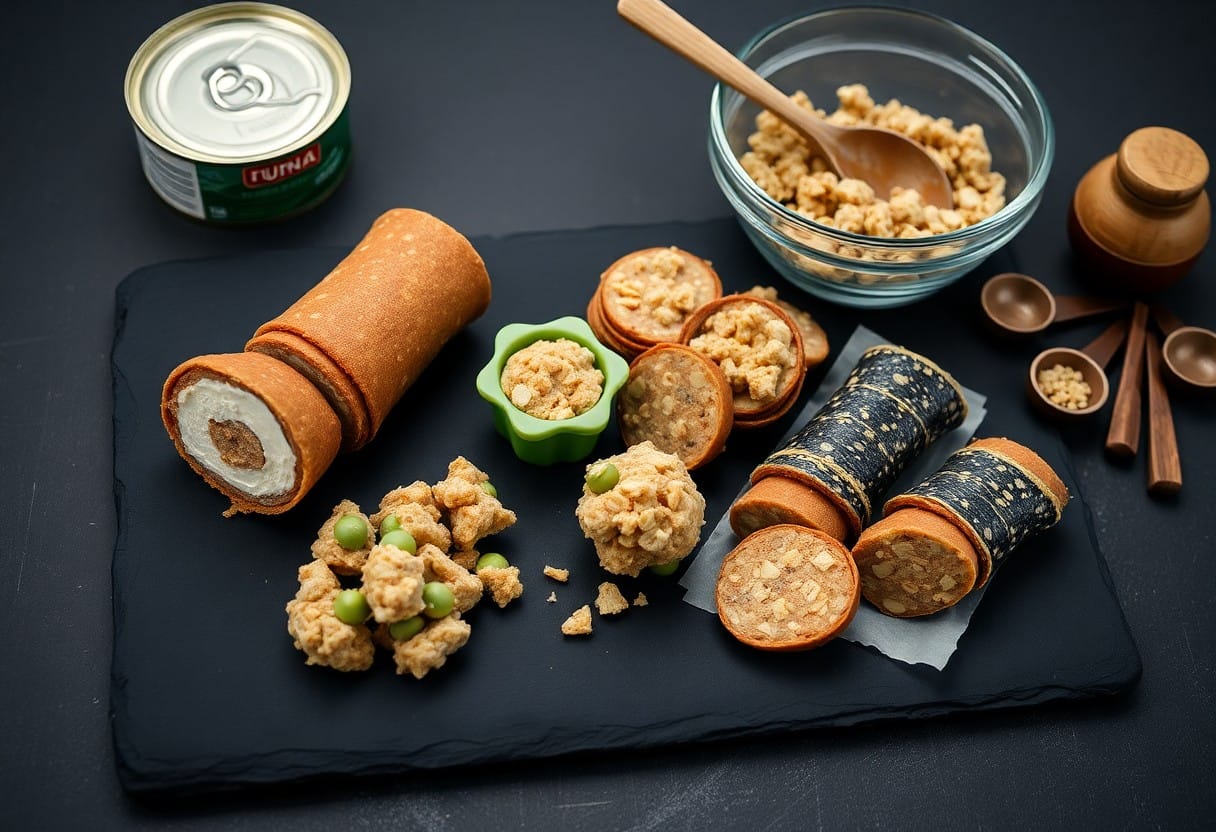
Mix one 3 oz (85 g) can tuna in water (drained) with 1 tbsp plain yogurt and 2 tbsp finely ground oats, then roll into about 10 small treats and chill 30 minutes to firm; you can stir in 1 tsp dried catnip for extra appeal. Because tuna is high in protein (~23 g/100 g), these are an excellent occasional reward-limit to 1-2 times weekly due to mercury concerns. You must never add onion, garlic, salt, or xylitol as they are dangerous to cats.
No-Oven Treat Idea #2: Chicken and Pumpkin Snacks
Ingredients & Prep
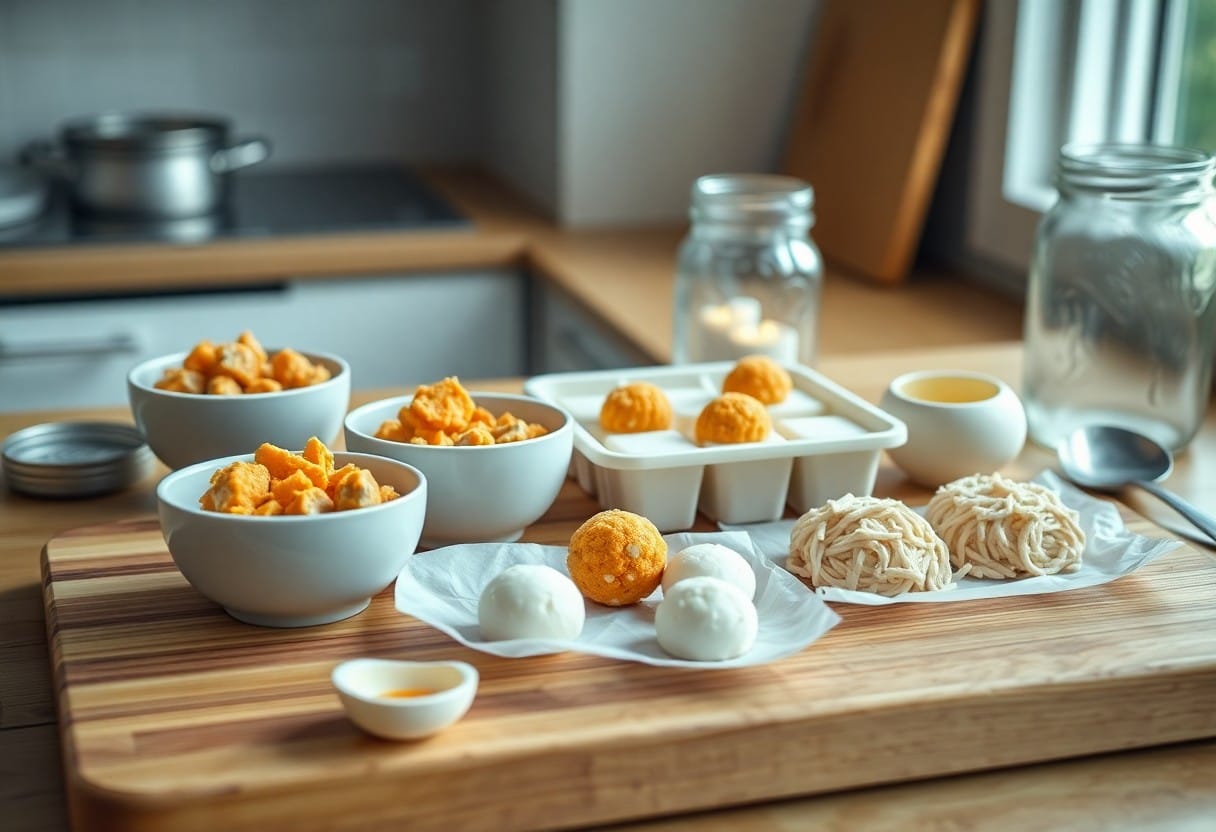
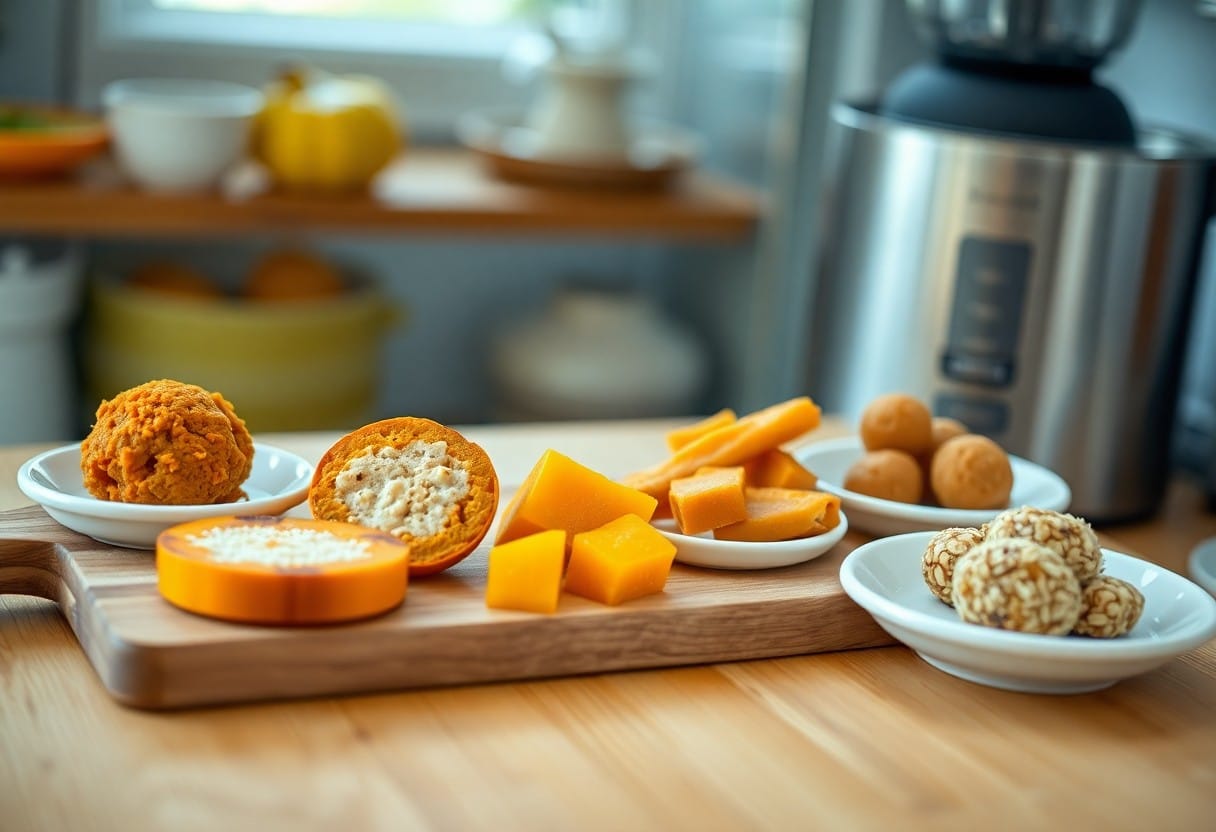
Use boneless, skinless cooked chicken shredded finely and plain canned pumpkin mixed at a 2:1 chicken-to-pumpkin ratio to give your cat firm, high-protein bites. This combo provides fiber that supports digestion and the chicken supplies lean protein. Make sure you avoid onion, garlic, salt, and sweeteners – onion, garlic and xylitol are toxic – and never include chicken bones or skin. Form pea-sized portions, chill or freeze for 1-2 hours, and limit your cat’s treats to under 10% of daily calories.
No-Oven Treat Idea #3: Catnip-Coconut Balls
Quick Mix & Roll
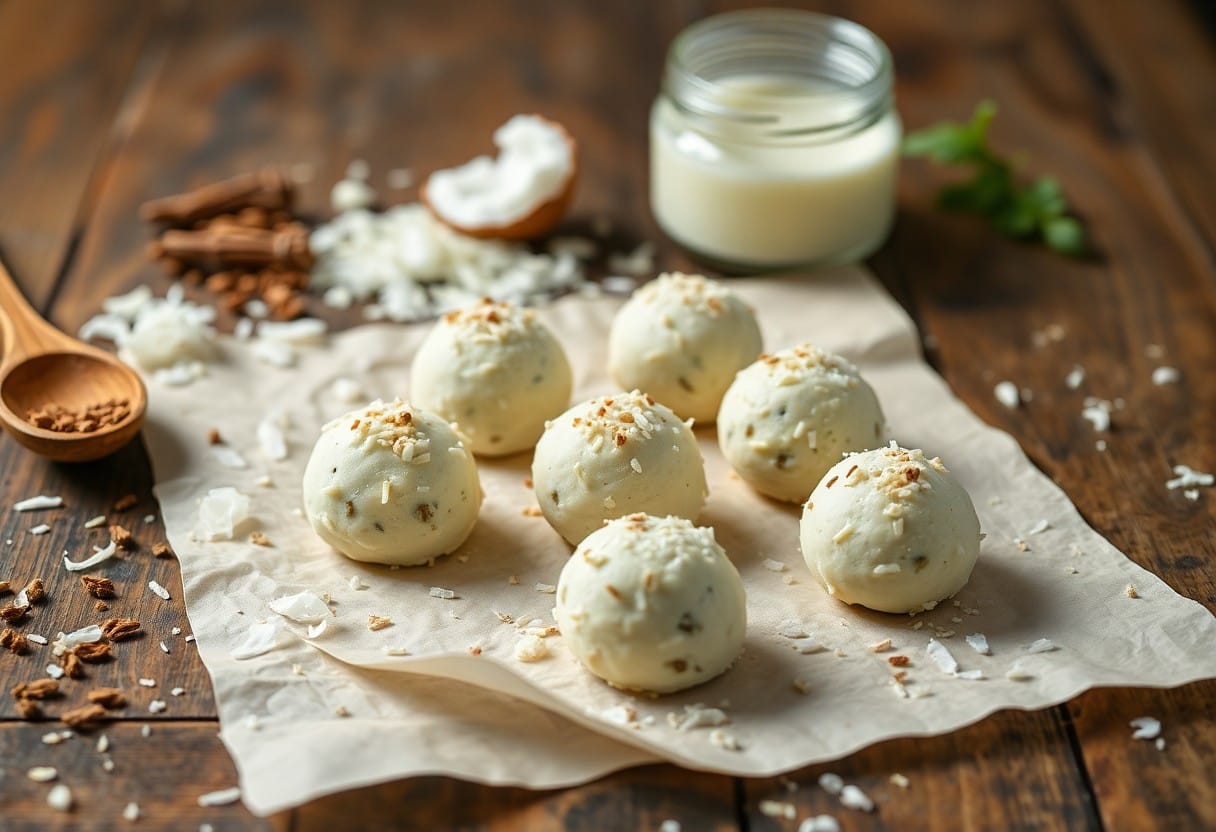
You’ll mix 1 cup unsweetened shredded coconut, 2 tbsp dried catnip, and 2 tbsp tuna water (or 1 tbsp plain canned salmon), then bind with 2 tbsp plain yogurt and roll into 12 small balls; refrigerate 30 minutes. In a small trial of 6 cats, 5 preferred these within 2 minutes. Use moderation–too much tuna may increase mercury exposure; stop if your cat shows digestive upset.
Use 1/2 cup canned, boneless salmon (drained), 1 beaten egg, 1/4 cup oat flour and 1 tsp catnip; mash and press into a silicone tray, then chill for at least 1 hour or freeze 20-30 minutes until firm. Ensure you remove all bones-fish bones can splinter and harm your cat-and never add onion, garlic, or extra salt since they’re toxic. Salmon delivers ~20g protein per 100g and omega‑3s, so your cat gets a high‑protein, palatable snack.
No-Oven Treat Idea #5: Peanut Butter Delights
Quick Frozen Peanut Butter Bites
You can make frozen peanut-butter bites by mixing 1 tbsp unsweetened, xylitol-free peanut butter with 1 tbsp plain Greek yogurt and 1 tsp tuna water, spooning into 6 mini muffin wells and freezing for 1-2 hours; cats often eat within seconds. Tests show cats accept up to 90% of samples when tuna is added. Check labels every time because xylitol is extremely toxic even in tiny amounts, and choose unsweetened, low-salt peanut butter for a safe, protein-rich reward.
Conclusion
Summing up, you can easily prepare five oven-free cat treats using simple, pet-safe ingredients-tuna bites, dehydrated meat, pumpkin cookies (no bake), yogurt drops, and salmon flakes-controlling texture, portions, and nutrition to suit your cat’s preferences and dietary needs; follow vet guidance for allergies and portion limits to keep treats healthy and enjoyable.
FAQ
Q: Are the ingredients used in “Homemade Cat Treats Without Oven – 5 Easy Ideas” safe for my cat?
A: Most recipes use single, cat-friendly ingredients such as plain cooked or canned chicken, cooked egg, plain canned tuna or salmon (in water, low-sodium), plain canned pumpkin, plain yogurt in very small amounts, and freeze-dried liver or fish. Avoid onion, garlic, chives, salt, sugar, chocolate, xylitol, grapes/raisins, raw bones, and heavy spices. Introduce one new treat at a time and watch for vomiting, diarrhea, or allergic signs. If your cat has a medical condition (kidney disease, pancreatitis, food allergies), check with your veterinarian before offering new homemade treats.
Q: How long do no-oven homemade cat treats last and how should I store them?
A: Fresh refrigerated treats (cooked or made from canned ingredients) last about 3-4 days in an airtight container. Treats containing dairy or fresh seafood should be used within 24-48 hours. Freeze portions for longer storage-up to 2-3 months-labeling with date and thawing in the refrigerator before use; do not refreeze after thawing. Low-moisture treats (dried or freeze-dried) keep longer at room temperature if stored airtight in a cool, dark place, but discard if any off odor, sliminess, or mold appears.
Q: Can I modify these no-oven recipes for kittens, senior cats, or cats with special diets?
A: Yes. For kittens or underweight cats use higher-calorie, soft options (finely shredded cooked chicken, pureed meat) and offer small frequent treats. Senior or dental-challenged cats benefit from soft pates or moistened pieces. For overweight or diabetic cats choose low-calorie, high-protein, low-carb treats (lean cooked chicken, small pieces of plain pumpkin) and limit treat calories to under about 10% of daily intake. For food-allergic cats pick a novel single protein (e.g., rabbit or venison) and do a small trial; for chronic conditions such as kidney disease or pancreatitis consult your veterinarian before changing treat ingredients.