With purring, you can assess feline well-being: research links vibrations to tissue healing, but persistent purring with lethargy may signal serious illness, so you should monitor patterns and consult your vet.
The Physiology of the Purr
Cats produce purrs through coordinated vocal fold and muscle activity; you can read those signals for health. Watch for frequency shifts or weak, irregular purrs that may indicate respiratory or neurological problems.
Neural Oscillators and Laryngeal Muscles
Neurons in the brainstem fire rhythmic signals that drive the laryngeal muscles; you hear this as a steady vibration. Pay attention to abrupt pauses or changed rhythm, which can reflect nerve damage or muscle disease.
The Role of the Hyoid Bone and Airflow
Airflow shaped by the hyoid and throat tissues modulates purr frequency; you should note noisy breathing or labored inhalations during purring as red flags for airway obstruction.
Hyoid positioning influences how air moves past the larynx and how vibrations sustain; you can observe changes after swallowing or injury. Fractures, tumors, or swelling around the hyoid can cause airway compromise and alter purr amplitude, while consistent, strong purrs often signal comfort and may promote tissue healing through low-frequency vibrations.

Purring as a Developmental Tool
Purring acts as an early developmental signal: you observe it calming kittens, encouraging suckling, and even aiding tissue repair through low-frequency vibrations.
Post-Natal Communication and Nursing
Kittens purr to signal hunger and secure warmth, so you respond to their cues; purring often stimulates nursing and keeps the litter coordinated during feeding.
Establishing the Mother-Kitten Bond
Mother purrs to reassure and locate kittens, and you witness it strengthening attachment while reducing stress for both.
You can observe mothers vary purr intensity and rhythm to guide behavior: softer, continuous purrs soothe, while short bursts prompt movement toward the teat. Low-frequency vibrations at 25-150 Hz promote healing and calm, and you should note that an absence of purring in weak kittens is a warning sign requiring intervention.
The Therapeutic Frequency Hypothesis
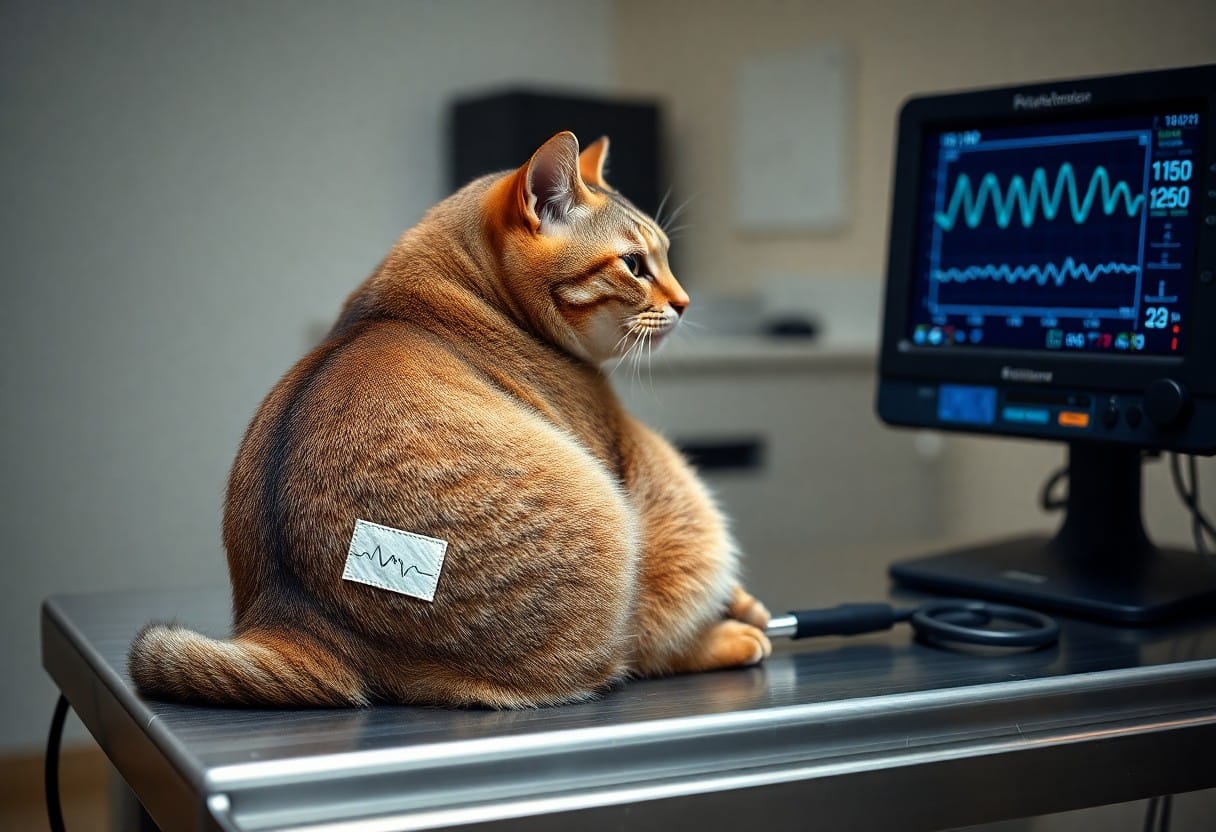
Study suggests that cat purrs emit low frequencies that may produce therapeutic effects, and you can consider them as natural biomechanical signals that influence musculoskeletal and soft-tissue function.
Impact of Low Frequencies on Bone Density
Low-frequency purrs around 20-50 Hz have been associated with increased bone formation in studies, suggesting you might benefit from similar mechanical stimulation to support bone density.
Promoting Tissue Regeneration and Healing
Purring vibrations in the ~25-150 Hz range may stimulate cell proliferation and reduce inflammation, so you could see enhanced tissue regeneration and faster healing after injury.
Cellular experiments show purr-range vibrations trigger mechanotransduction, causing fibroblasts and osteoblasts to upregulate repair pathways, and you should interpret these findings cautiously because much evidence is preclinical. Enhanced microcirculation and growth-factor release are proposed mechanisms that can accelerate collagen deposition and angiogenesis, so you may view purring as a complementary aid to recovery rather than a standalone therapy.
The Solicitation Purr and Human Interaction
Cats tune their solicitation purr to blend a low rumble with a high-pitched cry that compels your attention; this acoustic mix lets them secure care and signal distress, often prompting you to feed, comfort, or check for illness.
Manipulation of Human Caregivers through Sound
You respond instinctively to solicitation purrs because their frequencies engage caregiving circuits, allowing cats to influence attention and timing of care, which can lead you to prioritize feeding or comforting even when not medically necessary.
Psychoacoustic Similarities to Human Infant Cries
Acoustic patterns in solicitation purrs share spectral peaks with infant cries, causing you to react as if tending a baby and increasing the purr’s success at eliciting comfort and resources.
Listen: detailed psychoacoustic analyses reveal solicitation purrs contain specific frequency bands and rapid modulation that overlap with human infant distress calls, so you unconsciously prioritize the cat; this heightens caregiving and can save lives, yet it also means you may overlook subtle signs when purring masks pain or illness, prompting clinicians to advise careful observation beyond vocal cues.
Feline Purring and Human Health
Purring often soothes you physically and emotionally; low-frequency vibrations can reduce stress, lower blood pressure, and even assist tissue healing when you spend time with your cat.
Cardiovascular Benefits for Owners
Heart-rate studies show that when you relax with a purring cat, you can get lower blood pressure and reduced heart rate, which correlates with decreased risk of cardiovascular events.
Stress Reduction and Emotional Regulation
Calming purrs help you downshift cortisol levels and boost oxytocin, letting you feel more centered and less anxious after short interactions.
Research indicates that even brief petting sessions can reduce your cortisol, improve sleep quality, and give you a measurable mood lift; if you suffer from chronic stress, regular contact may provide notable relief.
To wrap up
With this in mind, you can view purring as a multifaceted signal: it indicates contentment, self-soothing, pain management, and potential healing via vibrations, so monitoring frequency, context, and changes helps you assess your cat’s wellbeing and seek veterinary care when patterns shift.
FAQ
Q: Why do cats purr?
A: Purring originates from a neural oscillator in the brain that drives rapid twitching of the laryngeal muscles, creating vibrations at roughly 25-150 Hz as air passes the vocal cords. Cats purr in multiple contexts, including contentment, mother-kitten bonding, solicitation of attention or food, and during stress or pain. Low-frequency vibrations produced by purring have been associated in experimental studies with benefits such as improved bone density, accelerated soft-tissue healing, reduced swelling, and analgesic effects. The combined evidence supports purring as both a communicative signal and a potential self-soothing, physiologically restorative behavior.
Q: How can changes in purring indicate health problems?
A: Changes in the pattern, amplitude, or presence of purring can signal medical issues. Persistent purring accompanied by signs of distress, avoidance, or hiding may indicate pain, gastrointestinal upset, or systemic illness. A weak or absent purr in a normally vocal cat can point to upper airway obstruction, laryngeal dysfunction, severe pain, or advanced disease. Purring that sounds unusually loud, high-pitched, or is paired with coughing, labored breathing, nasal discharge, appetite loss, or sudden behavioral changes warrants prompt veterinary evaluation.
Q: Can purring be used therapeutically for cats or humans?
A: Research into therapeutic applications of purring-range vibrations (vibroacoustic therapy) shows promise for reducing stress, lowering heart rate and blood pressure, and promoting tissue healing in some models. Practical uses for cats include environmental enrichment that encourages natural purring, use of calming vibration devices during rehabilitation, and incorporating purring-rich interactions to reduce anxiety during veterinary visits. Purring-based approaches should supplement, not replace, veterinary care; consult a veterinarian before applying vibration therapies to animals with cardiac, respiratory, or neurological conditions.