Anxiety in cats can appear as hiding, overgrooming, aggression, or litterbox changes, so you must learn signs and apply calming routines and seek veterinary care to protect your pet.
Identifying Key Stress Factors in Domestic Cats
Patterns in grooming, litterbox use, vocalization and hiding reveal stress; you should watch for changes like aggression or inappropriate elimination. Knowing these signs helps you act quickly.
territory disruptions
environmental change
multi-pet stress
Environmental changes and territory disruptions
Shifts in household layout, new people, or altered scents can unsettle your cat’s territory, so you may see hiding, urine marking, or loss of appetite as early stress signals.
Social tension and multi-pet household dynamics
Tension between animals often produces fighting, blocked access to resources, or a withdrawn cat; you might observe aggression or persistent avoidance that signals serious stress.
Monitor interactions, provide separate feeding, resting, and litter areas, add vertical escapes and safe zones, introduce pets gradually, and seek veterinary or behavioral help if aggression or chronic stress continues.
Recognizing Physical and Behavioral Signs of Anxiety
You may notice increased hiding, aggression, decreased appetite or litterbox avoidance; these are often signs of stress. Pay attention to changes in sleep, play, and grooming, since some symptoms like sudden weight loss or self-injury require immediate veterinary attention.
Subtle shifts in body language and vocalization
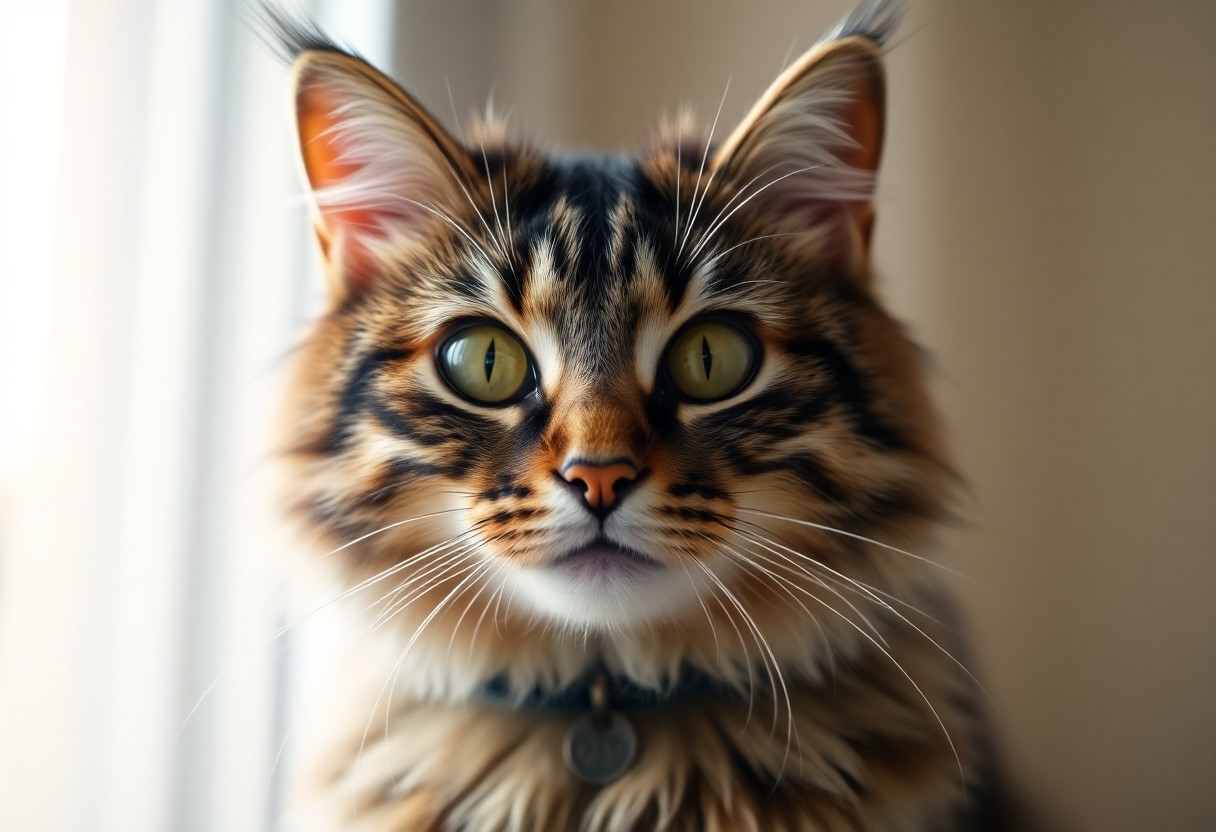
Observe ears, tail, pupils and vocal changes: flattened ears, a puffed tail, dilated pupils, increased yowling or sudden silence can signal anxiety. If you notice repetitive pacing or hiding, consider those early warning signs and modify the environment to reduce triggers.
Physiological symptoms and compulsive grooming habits
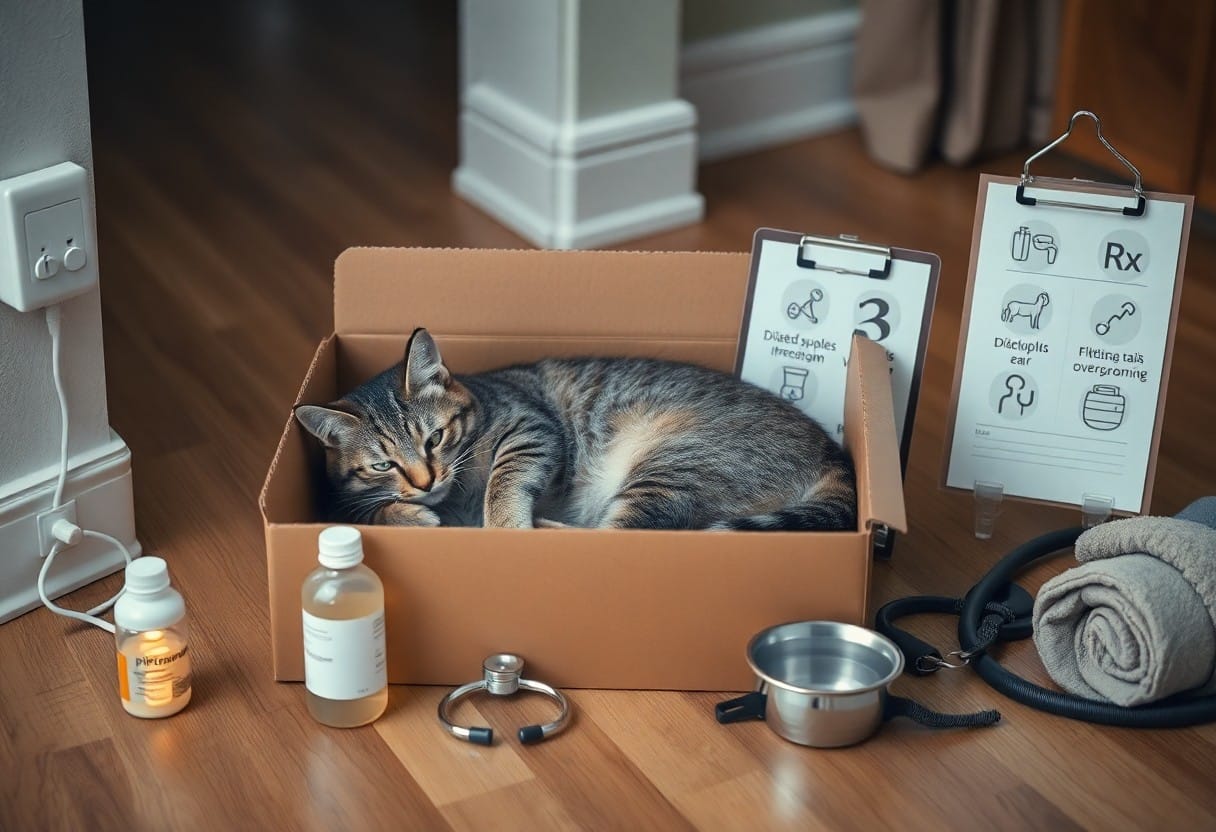
Check your cat for excessive licking, bald patches, bleeding or sores from overgrooming; rapid breathing, vomiting, or weight changes can indicate stress-related physiology. Seek a vet if you find open wounds or sudden weight loss to rule out medical causes.
When your cat shows persistent grooming that creates baldness, scabs, or breaks the skin, you should book a veterinary exam to exclude allergies, parasites, or pain; these medical issues often mimic stress. You can reduce compulsive licking by increasing play, introducing vertical space, offering puzzle feeders and using pheromone diffusers. If self-injury continues, pursue a veterinary behaviorist for treatment options, including short-term medication.
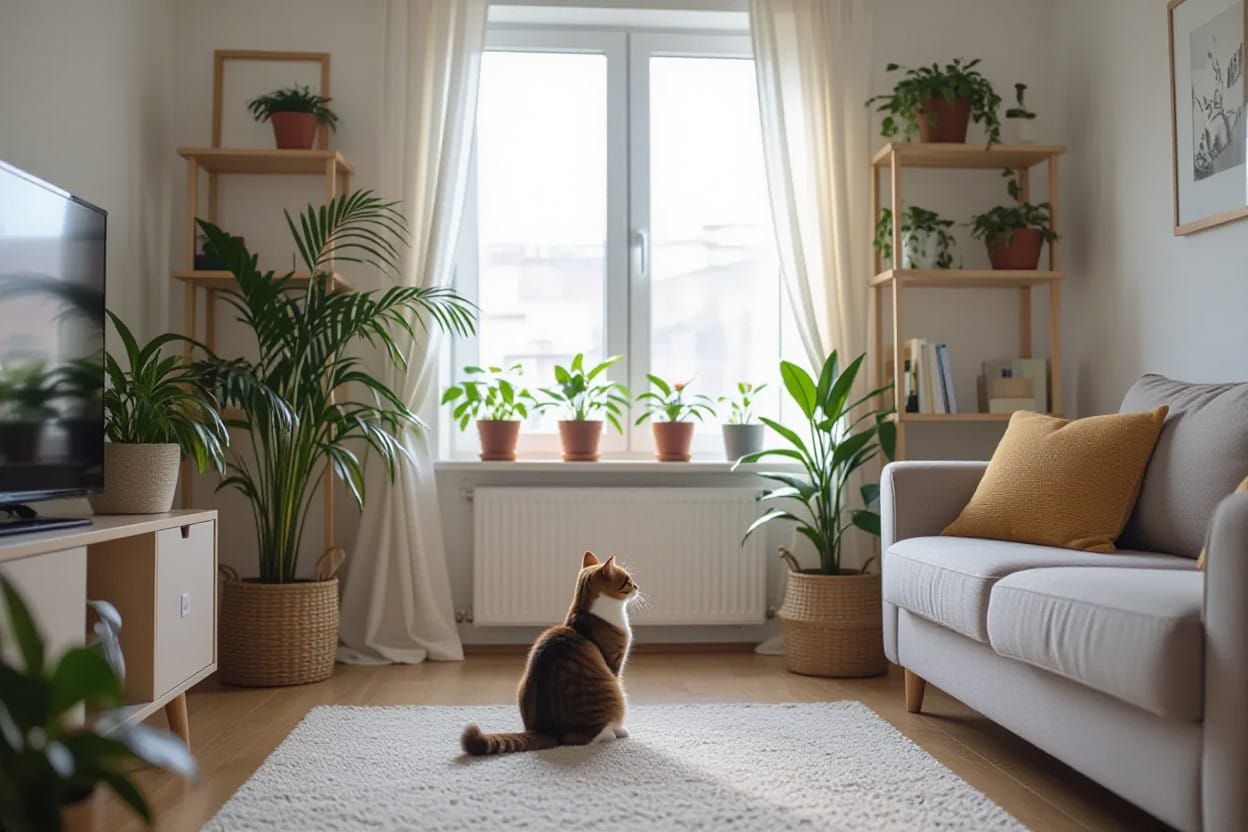
Create a calm home by placing vertical perches, quiet hiding spots and predictable routines so you reduce stress triggers; when you avoid loud disruptions and sudden changes, your cat feels safer.
Establishing secure vertical spaces and hiding spots
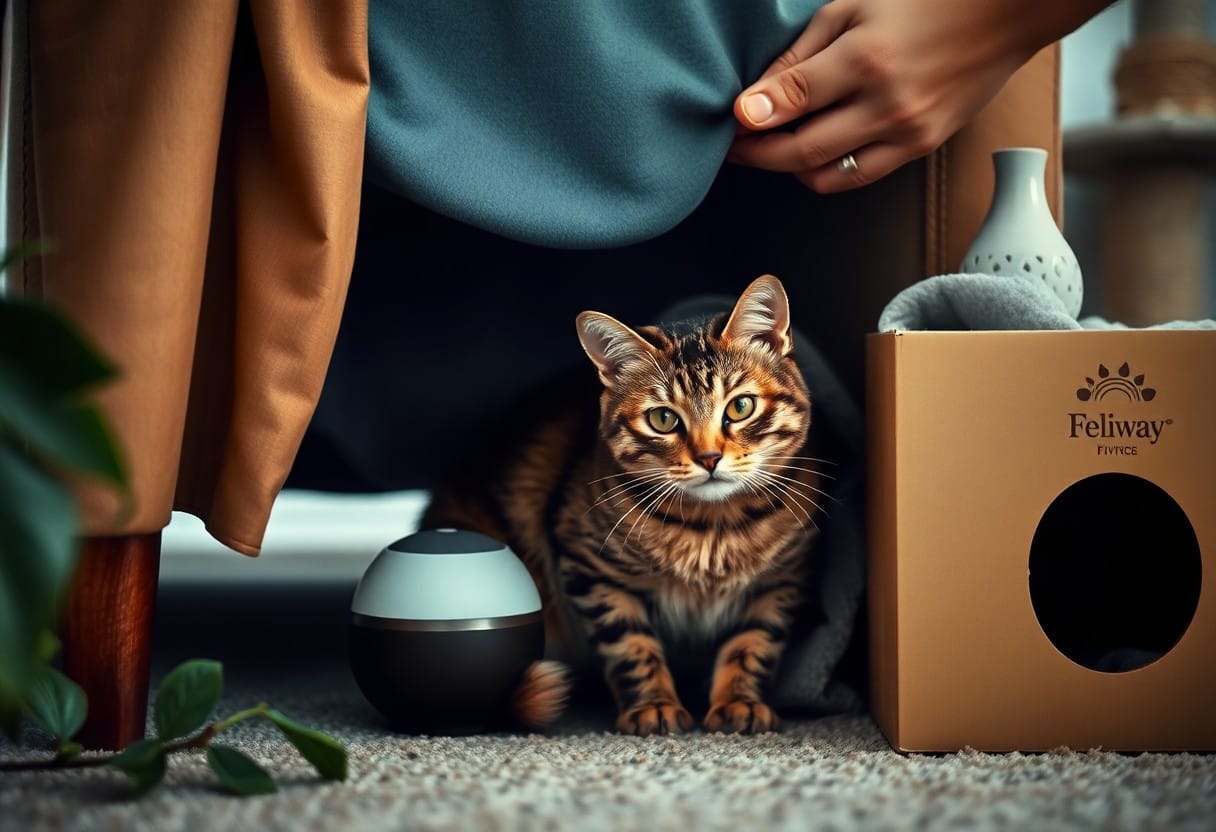
Offer tall, sturdy perches and snug hiding spots so your cat can retreat and observe; when you provide stable heights and concealed beds you reduce tension and lower risk of aggression.
Strategic resource placement to reduce competition
Place food, water and litter boxes in several, spaced locations so you prevent confrontations; multiple stations let shy cats eat and use the litter without stressful encounters, reducing competition.
Organize resources by offering one per cat plus one feeding and litter station across different rooms and heights; you should keep litter boxes away from food and water, provide both high and low feeding sites, and avoid narrow corridors where cats feel trapped. If you observe guarding or repeated fights, separate pets and consult your veterinarian or a behaviorist.
Expert Tips for Building Trust and Security
Trust builds when you provide predictable care, calm handling and safe retreat spaces for a cat showing feline anxiety. Watch for hiding, aggression or litterbox changes as danger signs. Knowing simple steps like routine, gentle touch and positive reinforcement reduce stress and increase security.
Routine
Safe spaces
Positive reinforcement
Observation
Implementing predictable daily routines and feeding schedules
Consistency in meals and playtimes helps your cat predict events, lowering stress and reducing territory-driven behaviors; keep feeding locations and timing stable so your cat feels secure.
Utilizing positive reinforcement during human interaction
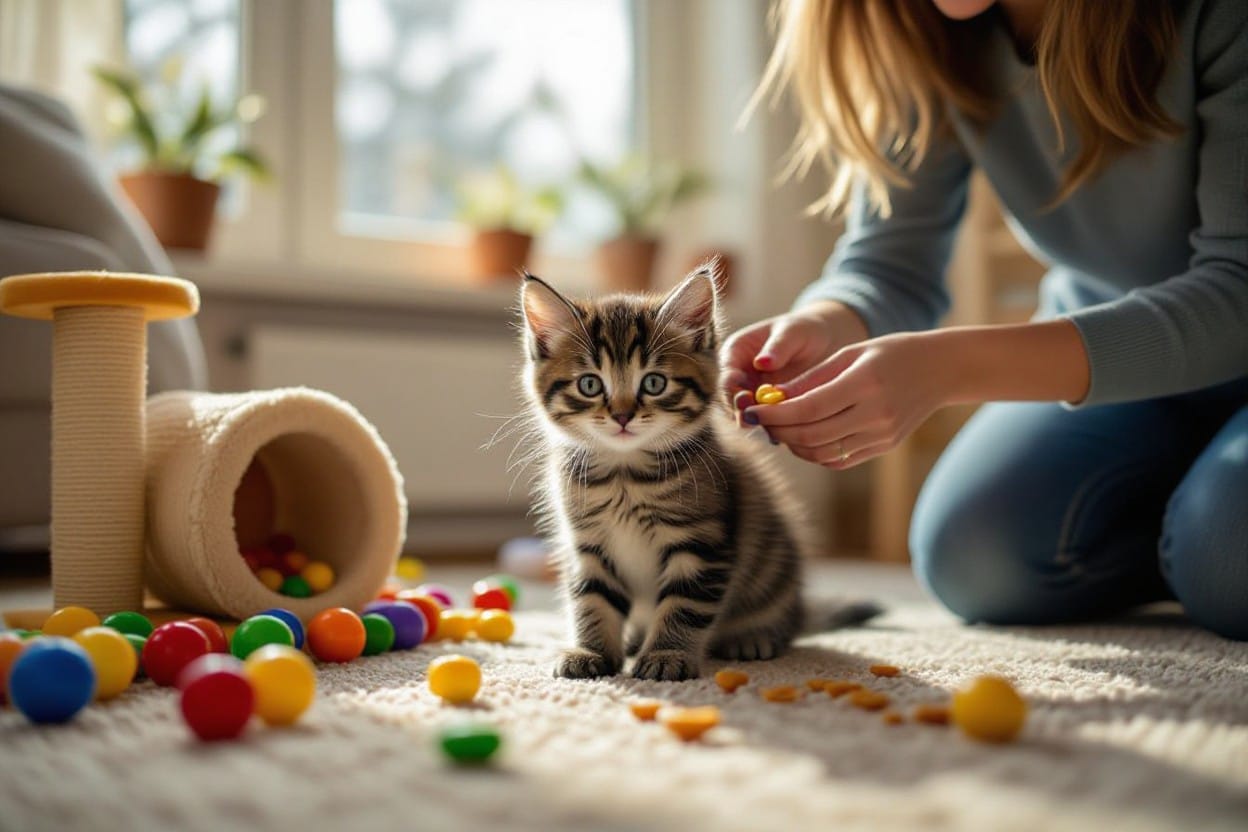
Reward calm responses with treats, gentle petting or a click so your cat links your approach to safety; avoid punishment that spikes anxiety and erodes trust.
When you time rewards within seconds of calm behavior, your cat learns faster; use high-value treats, short sessions and a consistent marker word or click to mark the desired response. Watch body language for signs of stress-flattened ears, tail flicking or hissing-and stop before escalation; building trust means letting your cat choose interaction and avoiding force.
Utilizing Therapeutic Aids and Professional Resources
Explore targeted tools like pheromone diffusers, calming supplements, and structured enrichment to reduce anxiety; you should combine them with behavioral management and veterinary input when aggression or self-injury occurs.
Evaluating the efficacy of pheromones and calming supplements
Test pheromone diffusers and single supplements one at a time for 2-4 weeks so you can spot change; track signs, expect gradual improvement, and stop any product causing lethargy, increased anxiety, or other adverse effects, then consult your veterinarian.
When to seek guidance from a veterinary behaviorist
Contact a veterinary behaviorist if your cat shows persistent or escalating aggression, repeated elimination outside the litterbox, or self-injury; you should pursue specialized plans when basic interventions fail to reduce risk to people or the cat.
Expect a comprehensive evaluation that rules out medical causes, uses behavioral history, and may include prescription anxiolytics or structured training; you will receive a tailored plan, follow-up monitoring, and steps to lower injury risk and improve well-being.
How to Implement Desensitization and Counter-Conditioning
Begin by pairing a mild trigger with something your cat loves, using short, frequent sessions and high-value treats; increase intensity only when you see relaxed behavior.
Gradual exposure to identified environmental triggers
Expose your cat to triggers at very low intensity, increasing only when you observe calm body language; stop if you see hissing, flattened ears, or hiding.
Using interactive play to redirect nervous energy
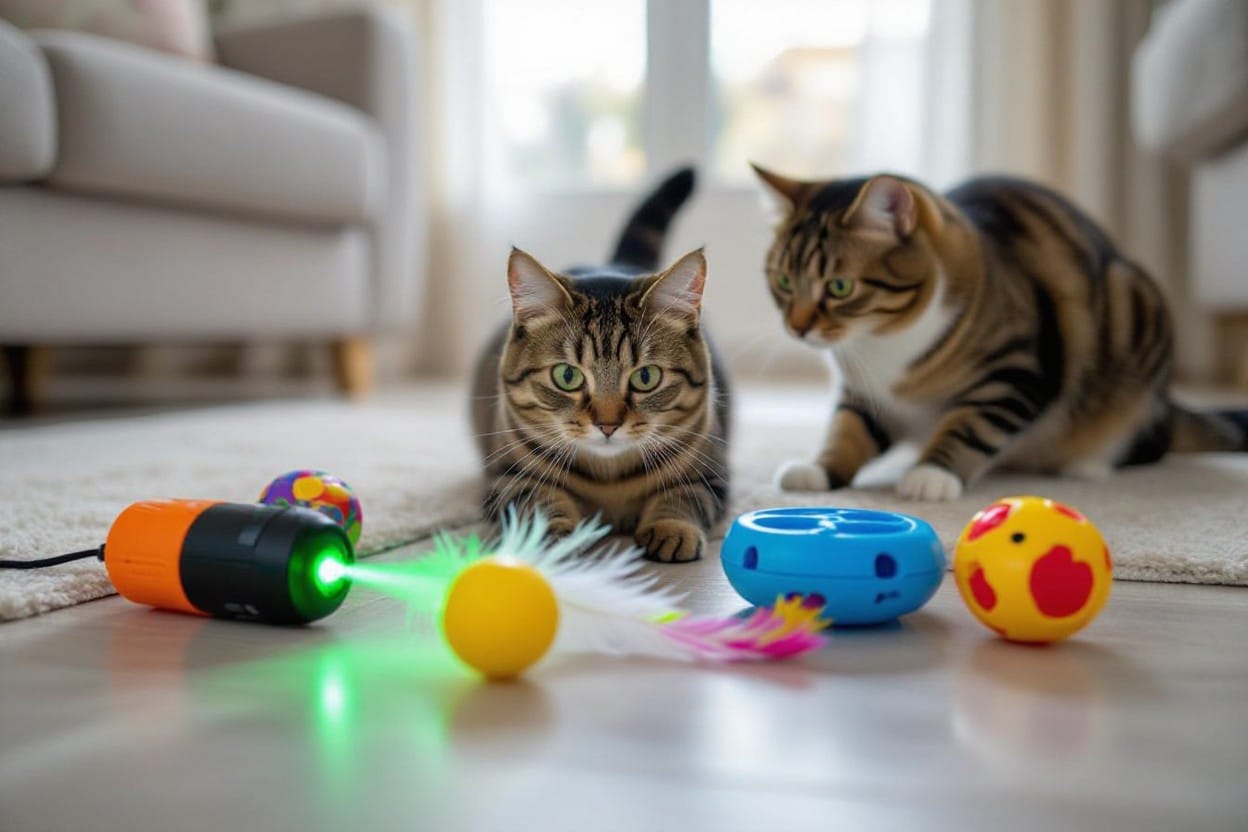
Use interactive play with wand toys to convert your cat’s anxiety into focused activity, keeping sessions brief and positive and giving your cat a calm retreat afterward; you should end play before overstimulation.
Offer varied play rhythms-short bursts of chasing, then slow calming petting-so you teach your cat that movement ends in comfort; watch for dilated pupils or tail flicks and pause immediately to avoid escalating fear.
Conclusion
With this in mind you can spot stress signs-hiding, changes in appetite, grooming shifts-and take practical steps like environmental enrichment, routine, gentle play, and veterinary consultation to reduce anxiety and protect your cat’s wellbeing.
Q: What are the common signs that my cat is experiencing anxiety?
A: Behavioral changes such as hiding, reduced grooming, sudden aggression, increased vocalization, inappropriate elimination, decreased appetite, or overgrooming that creates bald patches indicate stress. Physical signs can include dilated pupils, flattened ears, rapid breathing, trembling, or gastrointestinal upset like vomiting or diarrhea. Changes in litter-box habits and territory marking are often stress-related and should be monitored. Subtle shifts in play, sleeping patterns, or interaction with household members can also signal rising anxiety.
Q: What common triggers cause feline stress and how can I spot them in my cat’s environment?
A: Environmental changes such as moving house, new pets, new people, loud noises, or altered feeding routines often trigger anxiety. Medical issues like pain, thyroid problems, or urinary tract infections can produce behaviors that mimic stress, so have a veterinarian evaluate them. Social tensions between household cats, lack of safe vertical space, and sudden changes in daily interaction can increase fear and insecurity. Observation of when and where symptoms appear helps identify specific triggers and patterns.
Q: How can I help reduce my cat’s anxiety and when should I seek veterinary or behavioral help?
A: Create predictable routines for feeding, play, and quiet time to reduce uncertainty and help your cat feel secure. Provide safe spaces such as covered beds, high perches, and vertical routes that offer escape and control over surroundings. Use interactive play and enrichment to redirect nervous energy, introduce new people or animals slowly, and use pheromone diffusers or synthetic calming aids as short-term support. Consult a veterinarian if signs are severe, sudden, persist despite environmental changes, or include self-injury. Seek referral to a veterinary behaviorist for persistent problems or when medication combined with behavior modification may be required.