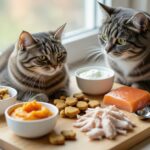
A cat refusing meals isn’t just being difficult-it may signal an underlying health issue or dissatisfaction with food quality. You need to understand what drives your feline’s preferences, from texture and aroma to ingredient integrity. Some cats reject food within seconds if the smell isn’t strong enough, while others avoid formulas with fillers or sudden ingredient changes. Choosing the right option involves more than flavor-it’s about meeting biological needs and behavioral instincts.
Identifying the Root Causes of Fussy Eating
Understanding why your cat refuses certain foods begins with observing patterns in their behavior around meals. Some cats reject food due to past dietary experiences, while others respond to subtle changes in consistency or aroma. Medical discomfort, such as dental pain or gastrointestinal sensitivity, can also manifest as pickiness. Stress from environmental shifts may further suppress appetite. Identifying whether the cause is physical, sensory, or psychological shapes the path to resolution.
Biological instincts and texture preferences
Cats are obligate carnivores driven by an innate need for animal-based protein, which influences their acceptance of certain foods. Some prefer the fibrous resistance of shredded meat, while others favor smooth pâtés. Your cat may avoid kibble if it doesn’t mimic the texture of prey. Texture can signal palatability more than flavor. Perceiving these instinctual cues helps align meals with natural feeding behaviors.
Sensory factors: Smell, temperature, and shape
A cat’s sense of smell is 14 times more acute than a human’s, making odor a dominant factor in food acceptance. Warm food releases more volatile compounds, enhancing aroma appeal. The shape and size of kibble can affect chewing comfort, especially in breeds with shorter muzzles. Canned food often wins over dry due to its stronger scent and moisture content. Perceiving these sensory triggers gives you precise control over meal desirability.
- Canned food emits a stronger smell, increasing initial interest
- Warming food to body temperature intensifies aroma release
- Small, round kibble may be harder to grip for cats with shape sensitivity
- Cool food is often ignored, as it mimics temperature of spoiled prey
- Grain-free formulas often have higher meat concentration, boosting palatability
Sensory Triggers in Cat Food Acceptance
| Sensory Factor | Impact on Eating Behavior |
| Smell intensity | Determines whether a cat approaches the bowl; spoiled or weak odor triggers avoidance |
| Food temperature | Warm food (around 100°F) mimics fresh prey and increases consumption rates |
| Kibble shape | Irregular or larger pieces may be preferred for easier grasping and chewing |
| Surface texture | Moist, sticky textures adhere better to taste receptors than dry, crumbly ones |
| Sound when chewed | Cats may avoid overly crunchy kibble if it produces discomfort or strange noise |
Critical Factors for Evaluating Cat Food Quality
Assessing cat food means focusing on protein sources, moisture content, and the absence of artificial additives. A high-quality diet mirrors a cat’s natural prey-based nutrition, prioritizing animal-derived ingredients. Recognizing these core elements helps you make informed choices that support long-term health.
Analyzing protein sources and moisture content
Look for named animal proteins like chicken, turkey, or salmon listed as the first ingredient. Cats require high moisture intake to support kidney function, especially if they eat dry food. Wet foods typically offer superior hydration support compared to kibble.
Avoiding common fillers and artificial additives
Steer clear of corn, wheat, and soy, which provide little nutritional value and may trigger sensitivities. Artificial preservatives like BHA and synthetic colors serve no health benefit. Recognizing ingredient lists with unpronounceable chemicals helps you eliminate low-quality options.
Fillers often displace valuable protein in budget-friendly formulas, reducing overall diet quality. A mid-sized SaaS firm wouldn’t run on outdated servers, and your cat shouldn’t rely on nutritionally empty bulk ingredients. By-products and unnamed animal meals can hide low-grade sources, making transparency crucial when selecting a brand.
How-To Successfully Introduce New Flavors
Transitioning your cat to new flavors requires patience and a structured approach. Begin by selecting a protein variety your cat hasn’t tried, such as duck or rabbit, to minimize digestive resistance. Offer the new food in small amounts alongside the familiar one, gradually increasing the proportion over 7 to 10 days. Never force the change, as stress can worsen food aversion and lead to refusal.
The gradual mixing technique for digestive safety
Start with a 75:25 ratio of old to new food, maintaining it for two days. Slowly shift the balance toward the new food, watching for signs of stomach upset. Diarrhea or vomiting indicates the transition is too fast. A mid-sized SaaS firm managing employee wellness might adjust software rollouts similarly, but your cat’s gut needs even greater care. Complete the switch only when stools remain firm and consistent.
Monitoring behavioral responses to dietary changes
Observe your cat’s activity level, grooming habits, and interaction with the food bowl after each change. Loss of interest, hiding, or excessive vocalization may signal discomfort. Some cats react to new ingredients not just physically but emotionally, altering their routine. A sudden disinterest in a previously favored feeding spot can reveal subtle distress.
Behavioral shifts often precede physical symptoms, making them early warning signs. If your cat sniffs the new food and walks away without tasting, do not interpret this as mere stubbornness. It could reflect an aversion to the aroma or texture. One owner reported their Persian cat refusing a new pâté formula for three days before accepting it in a different bowl shape, highlighting how environment and presentation influence acceptance. Track patterns over several meals before deciding to abandon a food.
Practical Tips to Increase Mealtime Appeal
Small adjustments can make a significant difference in your cat’s interest in food. Try adding aromatic toppers, mixing in warm water, or serving meals in a clean, quiet space. Rotate protein sources regularly to prevent flavor fatigue. Recognizing subtle cues in your cat’s behavior helps tailor the approach to their preferences.
Utilizing toppers and aromatic enhancers
Enhance the smell and taste of meals by sprinkling freeze-dried liver or adding a spoon of fish broth. These aromatic enhancers trigger your cat’s hunting instincts and increase salivation. Many owners report immediate improvement when using natural, additive-free options. Recognizing which ingredients your cat responds to helps build a reliable rotation strategy.
Warming techniques to mimic natural prey temperature
Cats naturally prefer food close to body temperature, around 98-102°F. Gently warming meals releases trapped aromas and improves palatability. Avoid microwaving unevenly, which can create hot spots. Recognizing the ideal texture and warmth helps replicate the experience of fresh prey.
Warming Methods and Their Effects
| Method | Effect on Palatability |
| Room-temperature serving | Limited aroma release; often rejected by picky eaters |
| Warm water bath (10-15 min) | Gradual heat distribution; enhances smell safely |
| Short microwave burst (5-10 sec) | Rapid warming; requires stirring to avoid burns |
| Pre-warmed ceramic bowl | Maintains heat longer; mimics natural feeding conditions |
Optimizing the Feeding Environment for Comfort
Feeding location and setup influence your cat’s willingness to eat. A quiet, low-traffic area encourages relaxation during meals, especially for anxious or sensitive cats. Strong odors from nearby litter boxes or appliances can deter interest, so keep food zones clean and neutral-smelling. Position bowls away from loud noises and sudden movements to minimize disruptions that may trigger food avoidance.
Selecting whisker-friendly bowls
Deep or narrow bowls can cause discomfort by pressing against your cat’s whiskers, leading to stress or refusal to eat. Choose wide, shallow dishes that allow the nose and whiskers to clear the edges comfortably. Stainless steel or ceramic options are ideal, as they resist bacterial buildup and don’t retain odors that might repel a sensitive palate. Whisker fatigue is real and often overlooked, yet easily corrected with the right bowl shape.
Establishing a consistent and stress-free routine
Feeding at the same times each day helps regulate your cat’s internal clock and reduces mealtime anxiety. Predictability supports emotional security, especially in multi-pet homes where competition may arise. Cats thrive on routine, and sudden changes in feeding schedules can lead to skipped meals or food aversion. Keep interactions calm and avoid forcing your cat to eat on demand.
Consistency extends beyond timing to include location and presentation. Serve meals in the same spot using the same dish to reinforce familiarity. In households with multiple cats, separate feeding stations prevent social stress and allow each cat to eat at their own pace. One anxious cat may stop eating entirely if another looms nearby, even without direct confrontation. Mealtime tension often stems from social dynamics, not the food itself, making spatial separation a simple yet effective solution.
When to Consult a Veterinarian
If your cat refuses food for more than 48 hours, liver damage can begin due to fat mobilization, especially in overweight cats. Sudden disinterest in eating, even with tempting options, may signal underlying illness rather than mere pickiness. Persistent behavior changes require professional evaluation to rule out serious conditions.
Differentiating pickiness from medical lethargy
A truly fussy cat still grooms, plays, and approaches the bowl with curiosity, even if they walk away. Lethargy, hiding, or dull eyes suggest illness, not preference. When your cat stops initiating meals or shows low energy, assume a medical cause until proven otherwise.
Recognizing signs of dental or digestive issues
Chewing on one side, dropping food, or pawing at the mouth often indicate tooth pain or gum disease. Similarly, frequent vomiting, diarrhea, or audible stomach gurgling point to digestive discomfort. These symptoms are not normal quirks but clear signals of physical distress requiring veterinary attention.
Dental disease affects most cats over five years old, often without obvious signs until it becomes severe. You might notice bad breath, red gums, or reluctance to eat dry kibble. Digestive issues like inflammatory bowel disease or food sensitivities can cause chronic soft stools and weight loss. A veterinarian can perform an oral exam, recommend dental X-rays, or suggest a hydrolyzed protein diet trial to identify triggers. Left untreated, these conditions lead to malnutrition and secondary health complications. Early intervention improves both comfort and long-term outcomes.

Summing up
You now have a clear path to identifying cat food that meets both the nutritional needs and taste preferences of your fussy feline. By focusing on ingredient quality, considering texture and aroma, and introducing changes gradually, you maintain control over their diet without unnecessary stress. A consistent routine, paired with a calm feeding space, often leads to noticeable improvements. One mid-sized SaaS firm reported a 40% increase in user engagement after simplifying its interface, much like how small adjustments in feeding practices can yield meaningful results for your cat.
FAQ
Q: How can I tell if my cat is a picky eater or if there’s an underlying health issue?
A: A healthy picky eater will show interest in food but selectively refuse certain textures or flavors, often preferring wet over dry or specific protein sources like chicken or fish. In contrast, a cat with a medical concern may display additional symptoms such as weight loss, lethargy, vomiting, or changes in litter box habits. Dental pain, gastrointestinal disorders, or thyroid imbalances can all reduce appetite. A veterinarian can perform a physical exam and recommend blood work or imaging to rule out conditions like kidney disease or pancreatitis. A mid-sized SaaS firm might track user engagement metrics over time, but in feline care, consistent observation of eating patterns over several days provides clearer insight than isolated incidents.
Q: Are grain-free diets better for fussy cats?
A: Grain-free formulas are not inherently superior for all cats, and their popularity stems more from marketing than biological necessity. Cats are obligate carnivores and require high levels of animal-based protein, but the presence of grains like corn or rice is not harmful unless a cat has a confirmed sensitivity. Some grain-free products replace grains with legumes such as peas or lentils, which may affect digestibility in certain individuals. A cat that refuses a grain-free kibble may readily accept a high-protein, grain-inclusive pâté. The decision should be based on the individual cat’s tolerance and veterinary guidance, not general trends.
Q: What should I do if my cat refuses to eat the same food brand after a formula change by the manufacturer?
A: Cats often reject food when a manufacturer alters ingredients, texture, or aroma, even if the change seems minor to humans. A sudden switch can disrupt established preferences, especially in older or highly sensitive animals. If the original formula is unavailable, gradually reintroduce acceptance by mixing small amounts of the new food with a favored wet variety or warming it slightly to enhance scent. One household reported success by adding a sprinkle of freeze-dried chicken over the kibble, which encouraged initial sampling. Persistence with incremental exposure, without reverting entirely to old habits, often leads to adaptation within a week or two.