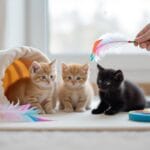
It’s an exciting milestone when your tiny kitten begins showing interest in food beyond formula, usually around the fourth week of life. Introducing solids at the right pace helps support healthy growth and prevents digestive upset. You’ll guide them from warm, liquid meals to crunchy kibble, using simple tools like a flat plate and soft gruel. Each step builds their confidence and independence.
The Time of the Fourth Week
By now, your kitten’s curiosity has peaked, and they’re beginning to mimic their mother’s eating habits. Introducing soft gruel at this stage aligns with their natural development, helping them adapt to new textures. Waiting too long can delay weaning progress, so starting now supports a smoother transition.
The Growing Strength
Muscle coordination improves noticeably this week, allowing your kitten to stand steadily and approach food with confidence. Their increased mobility means they’ll investigate their surroundings more actively, often stumbling upon food bowls by accident. This physical growth makes it easier for them to handle new feeding routines.
The Sharpness of Teeth
Tiny but sharp, your kitten’s emerging incisors can already nibble at soft mixtures. These new teeth signal readiness for texture changes, though they’re not yet built for dry kibble. Introducing moistened food now prevents frustration and supports chewing development.
Those little teeth may seem delicate, but they’re surprisingly effective at breaking down soft foods. You might notice your kitten gnawing on the edge of the bowl or pawing at their gums-signs of teething discomfort. Mixing warm water with high-quality kitten food creates a palatable, easy-to-chew consistency that respects their current dental limits while encouraging oral exploration.
The Preparation of the Gruel
Start by mixing high-quality kitten formula with warm water to create a thin base. The liquid should be lukewarm, not hot, to avoid burning your kitten’s mouth. Adding a small amount of wet kitten food introduces solid elements gently. This first blend offers a safe bridge between nursing and eating on their own.
The Blending of Liquids
Combine the formula and water in a clean blender or bowl until smooth. Lumps can confuse or frustrate your kitten, so thorough mixing matters. Using warm liquid helps dissolve the food evenly and mimics the temperature of milk, making it more appealing.
The Consistency of the Mush
The mixture should resemble creamy oatmeal, thick enough to coat a spoon but thin enough to lap easily. Too thick, and your kitten may struggle. Getting this balance right encourages confident eating and prevents mess or stress.
Think of the ideal texture as similar to runny yogurt. A mid-sized SaaS firm wouldn’t test software on live users without a prototype, and neither should you rush this stage. Adjust with small amounts of liquid or food as needed, watching how your kitten responds each time. Some may paw at the bowl at first, others dive right in.
The Use of the Flat Plate
Place the gruel on a shallow, flat plate so your kitten can easily reach it without straining. This setup prevents mess around their ears and eyes, which can lead to irritation or infection. A plate with low sides also helps them understand where the food begins, encouraging confident exploration with their paws and mouth.
The Low Barrier
A plate with a low edge lets your kitten step right up to the food without hesitation. Some kittens back away from deep bowls, sensing a threat to their whiskers or feeling trapped. A rim under an inch high removes that worry and supports a smooth transition.
The Cleaning of the Fur
Wipe your kitten’s face and chest gently after each meal with a warm, damp cloth. Formula or wet gruel stuck in their fur can attract bacteria or cause skin irritation. Keeping their coat clean also mimics how a mother cat would groom them, reinforcing comfort and hygiene.
Long-haired kittens especially need attention after eating, as their fur holds moisture and food particles more easily. A quick wipe-down every time prevents matting near the jawline and reduces the chance of yeast buildup in damp patches. Make it part of your feeding routine, like clearing your own plate.
The Hardness of the Kibble
Soft kibble helps your kitten transition smoothly from liquid to solid food. Starting with hard, dry pieces too soon can discourage eating and lead to frustration or gagging. Opt for a formula designed for kittens, as these are often smaller and easier to chew. Mixing in warm water softens them further, making the first bites much more inviting.
The Softening of the Grain
Soaking kibble in warm (not boiling) water for 10 to 15 minutes breaks down the texture gently. This creates a mush that resembles gruel, easing the shift from formula. The softened pieces are easier on tender gums and reduce the risk of choking, especially in hesitant eaters.
The Strength of the Jaw
Your kitten’s jaw muscles are still developing at four weeks, making chewing a real effort. Hard kibble can feel overwhelming, even painful, at this stage. Introducing softened food supports their growth without straining their developing jaw strength.
As your kitten practices eating, you’ll notice their chewing becoming more confident over time. By five to six weeks, many kittens can handle slightly firmer textures as their jaw muscles strengthen through regular use. Watch for signs like increased gumming or pawing at the mouth, which suggest the kibble may still be too firm. Adjusting texture gradually ensures they build strength without discomfort, setting the stage for full kibble acceptance by eight weeks.
The Basin of Cold Water
Introducing a shallow basin of fresh water alongside your kitten’s first solid meals encourages early hydration habits. Always use room-temperature water, as cold water can startle sensitive young kittens and discourage drinking. Place the dish near, but not mixed with, their food to help them distinguish between eating and drinking spots.
The New Source of Life
Water becomes a kitten’s independent lifeline once they begin weaning. Seeing them lap up water on their own marks a key developmental milestone, showing growing coordination and self-reliance beyond milk dependence.
The Weight of the Ceramic
A heavy ceramic bowl resists tipping when a playful kitten investigates. Stability prevents spills and keeps the area dry, reducing mess and discouraging avoidance due to wet paws.
Opting for a low-sided ceramic dish supports your kitten’s small size while providing durability. The material doesn’t retain odors like plastic, which can deter sensitive noses. A non-slip base adds extra security, letting your kitten drink without knocking the bowl across the floor during eager exploration.
The Resistance of the Young
Some kittens hesitate when faced with new textures, clinging to the comfort of warm formula. Your patience here is more important than persistence. Forcing the transition too quickly can lead to stress or food aversion, setting back progress. Each kitten adapts at their own pace, and that’s perfectly normal.
The Virtue of Patience
Progress often comes in small steps, like a single curious sniff at the plate or a tentative lick. Rushing can undo trust, so let your kitten explore on their terms. A calm, consistent routine encourages confidence far more than pressure ever could.
The Offering of the Hand
Let your kitten see food as something you provide gently, not something taken by force. Offering a bit of gruel on your clean fingertip can spark interest through scent and warmth. This simple act builds positive association with your presence at mealtimes.
When you extend your finger with a tiny amount of gruel, you mimic the familiarity of nursing while introducing change. The warmth and smell draw them in, and if they lick, celebrate quietly. One mid-sized SaaS firm’s office cat, Luna, took three days of fingertip offerings before fully engaging with her bowl, showing how personal this process can be.
Conclusion
You’re doing great, and your kitten is learning fast. By week eight, most kittens eat full meals of solid food three times a day, just like the litter at the local shelter that thrived on a slow, patient transition. Keep offering fresh water, stick to kitten-specific food, and enjoy these messy, purring moments-they grow up fast.
FAQ
Q: How do I know when my kitten is ready to start transitioning from formula to solid food?
A: Most kittens begin showing interest in solid food around the fourth week of life, when their gums become more sensitive and they start mimicking chewing motions. You might notice them pawing at dampened kibble or licking gruel off a flat plate. A clear sign is when they begin to struggle to lap up formula efficiently, indicating their nursing reflex is fading. This shift aligns with natural development, as their digestive system starts producing enzymes better suited for breaking down proteins in solid food. A foster caregiver working with a litter of six-week-old rescue kittens observed that three of them consistently nudged their noses into softened kibble within 48 hours of gruel introduction, a behavior not seen in younger litters.
Q: What should the first gruel mixture consist of, and how often should it be offered?
A: The initial gruel typically combines kitten formula with high-quality wet kitten food or water-soaked kibble, blended to a soupy consistency. It should be served warm, not hot, in a shallow dish to prevent whisker stress. Offer the gruel two to three times a day at first, gradually increasing frequency as the kitten shows more interest. One caregiver noted that a runt in a mixed litter consumed only half a teaspoon of gruel per feeding during the first two days, but by day five, intake doubled and the kitten began stepping into the dish to reach more. Replacing the mixture fresh each time prevents bacterial growth and keeps the scent appealing.
Q: My kitten refuses to eat the gruel or seems frustrated with the flat plate-what can I do?
A: Some kittens need tactile encouragement to understand the new food source. Dipping a clean fingertip into the gruel and letting the kitten lick it off can spark interest. Others respond well when a tiny smear is placed on their chin, prompting grooming and taste. A foster in Oregon reported success with a hesitant five-week-old tabby by placing a single softened kibble piece in the gruel, creating a visible target. Avoid forcing the kitten or inserting food into their mouth, as this can create aversion. Patience matters-most kittens make the switch within five to seven days, even if progress seems slow at first.