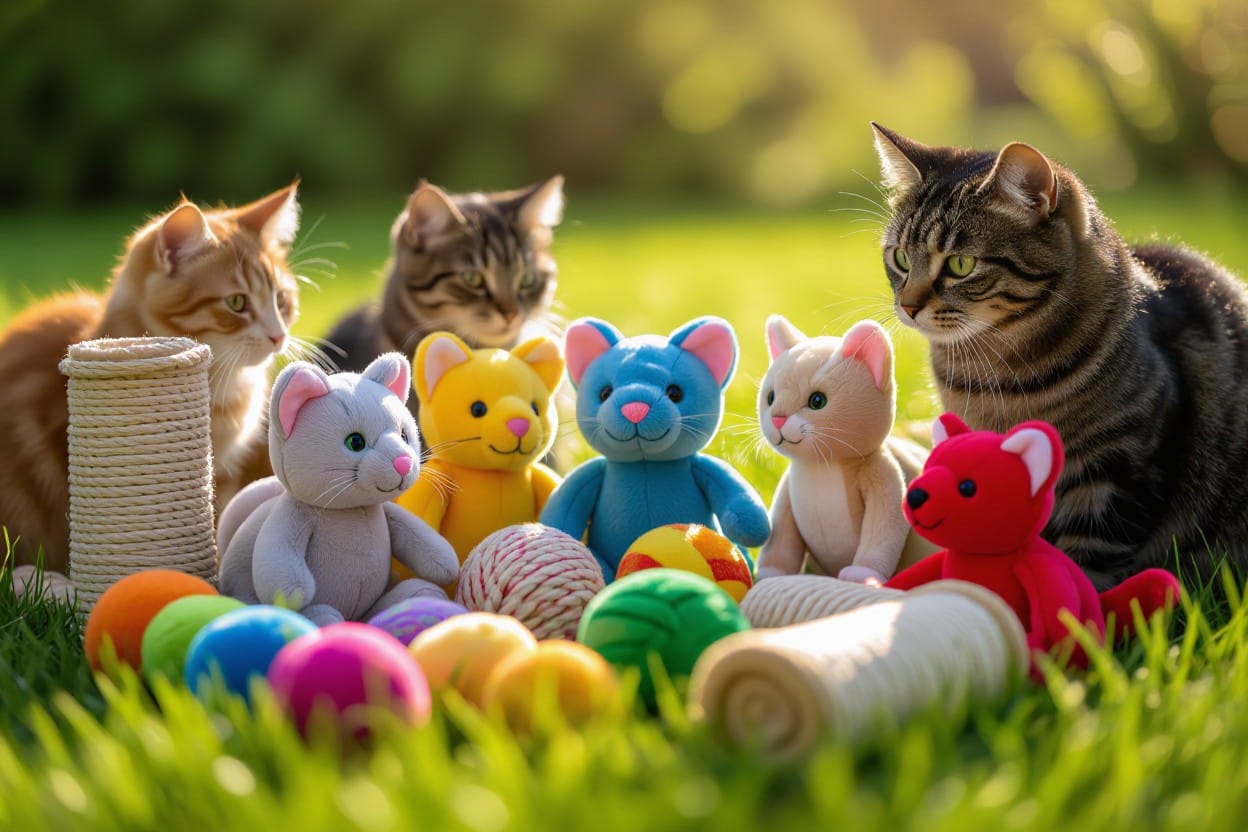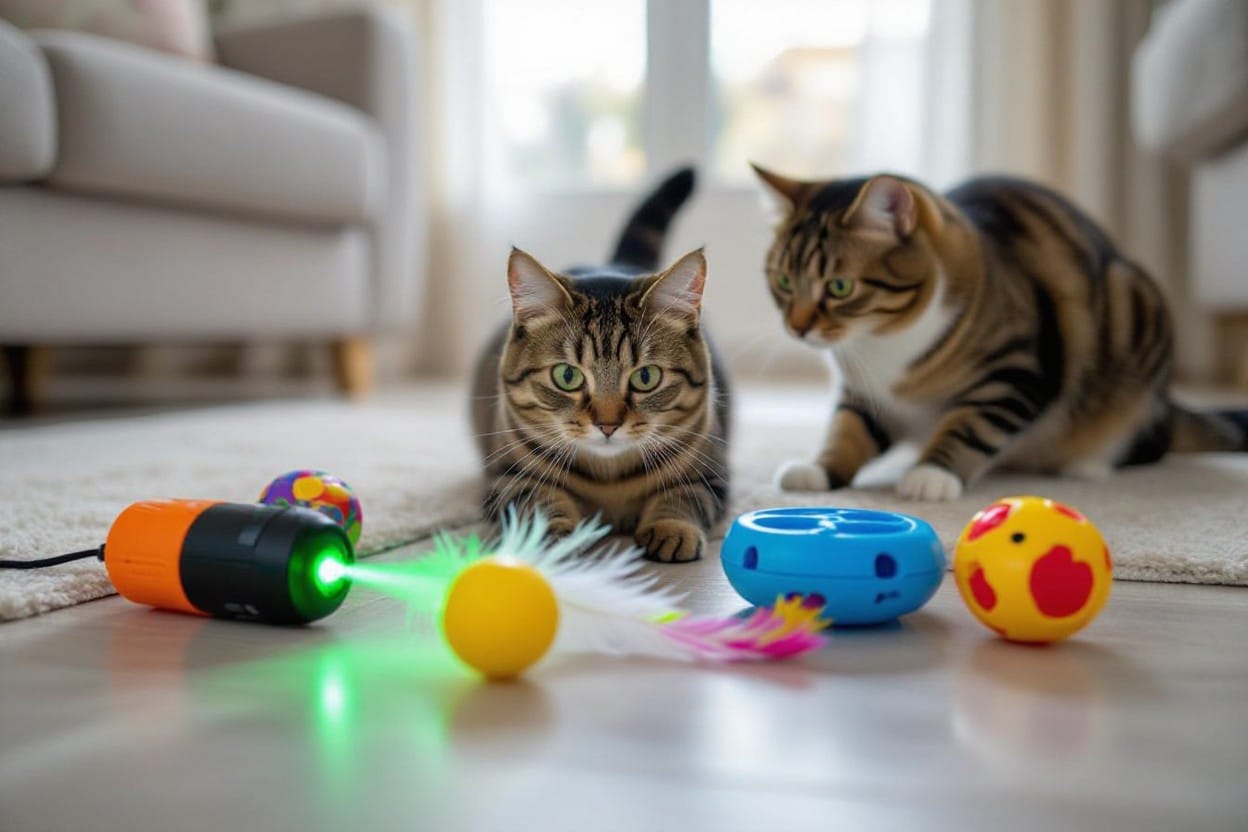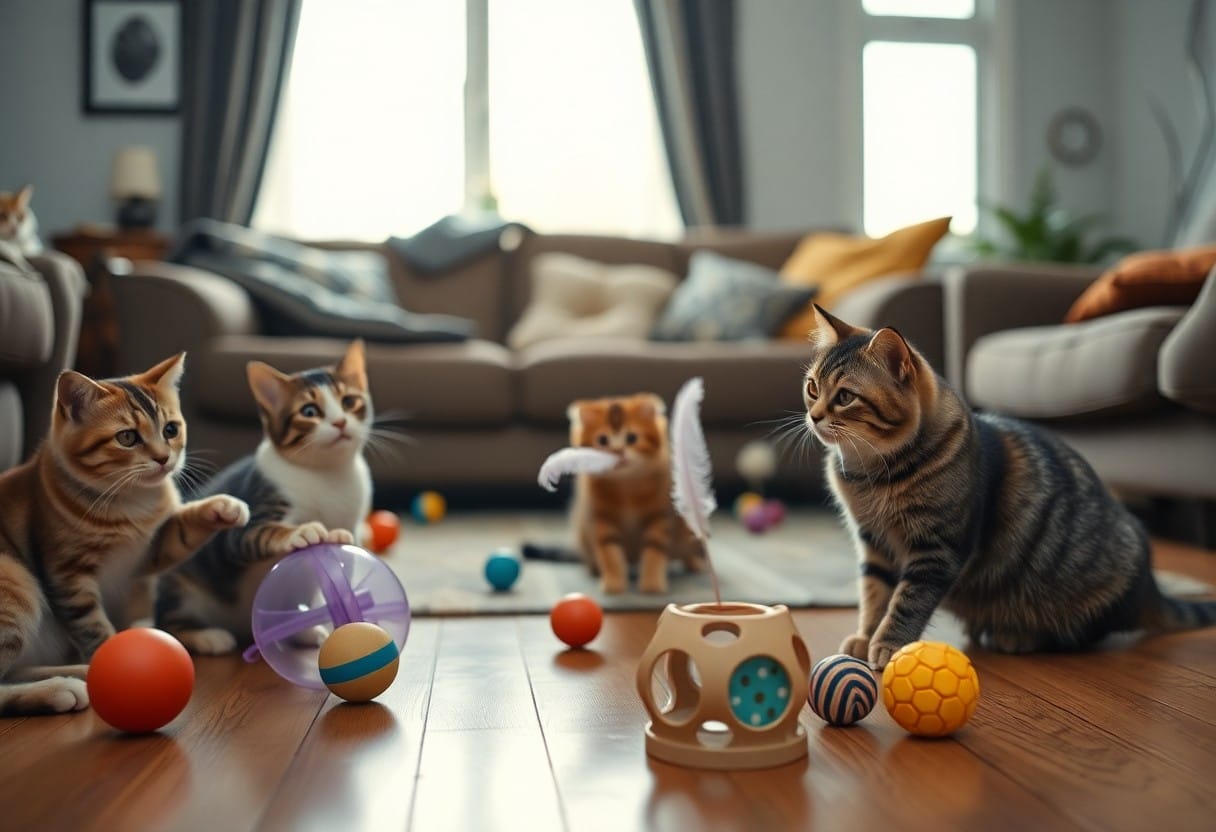
Exercise helps your cat stay sharp and active; in this list you’ll find the best toys to deliver mental stimulation and exercise while promoting interactive engagement. You’ll learn which toys boost your cat’s problem-solving and hunting instincts, which are safest for unsupervised play, and which pose choking hazards or entanglement risks so you can prioritize safety. Use these picks to tailor play sessions to your cat’s energy and keep your companion both fit and stimulated.
Interactive Feather Wands
Interactive feather wands mimic prey and give your cat mental stimulation and exercise, letting you shape hunting-like chases and pounces. You can vary speed and pattern to keep your cat engaged, and should choose sturdy designs with secure attachments; frayed feathers or loose parts can be swallowed. When used properly, wands provide high-value play and bonding.
Engaging playtime
Wand play stimulates hunting instincts, so you can mimic prey with unpredictable movements that hold your cat’s attention. Short, focused sessions of 5-10 minutes work best; end play with a reward to satisfy the hunt. Use interactive play to prevent boredom and strengthen your bond. Avoid leaving wands unattended because of the choking risk.
Encourages jumping
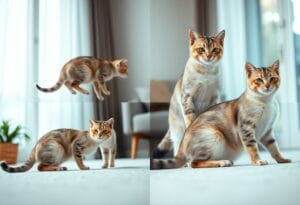
Feather wands prompt high-energy leaps and pounces, helping your cat build muscle and improve coordination; you can raise the wand to encourage vertical jumps or twitch it low for pouncing practice. Keep sessions varied and paced for safety; supervise jumps and avoid forcing repetitive high landings.
To maximize benefits, alternate vertical and horizontal motions so your cat works different muscle groups. Use softer flooring or rugs and ramp up session intensity gradually to reduce joint impact for kittens and seniors. If your cat limps or hesitates, stop play and consult your vet. Proper technique prevents injury and regular jumping improves cardiovascular health and agility.
Laser Pointer Toys
Laser pointers provide fast, focused exercise that sharpens reflexes and reduces boredom. When you guide the dot across floors and walls your cat gets intense mental and physical stimulation, but you must avoid shining the beam in your cat’s eyes and limit sessions to prevent obsession. Always end play by letting your cat catch a physical toy.
Fast-paced activity
Laser play creates short, high-energy bursts that mimic prey movement and boost cardiovascular fitness. You should vary speed and direction to keep your cat engaged, use 5-10 minute intervals, and watch for signs of fatigue or overstimulation. Combining laser sessions with climbing or jumping toys increases overall exercise value.
Stimulates hunting instincts
Chasing a laser dot taps into your cat’s predatory sequence-stalk, chase, pounce-providing mental challenge and satisfaction. To avoid frustration, avoid endless chases with no capture; instead finish with a tangible reward so your cat feels successful. This practice helps relieve boredom and refines natural hunting timing.
To deepen hunting practice, vary textures, heights, and hiding spots while mixing laser play with wand toys or treat-dispensing puzzles. You should supervise play, keep sessions brief, and always offer a physical catch at the end to prevent anxiety or repetitive chasing behaviors; this combination strengthens focus and coordination.
Puzzle Cat Feeders
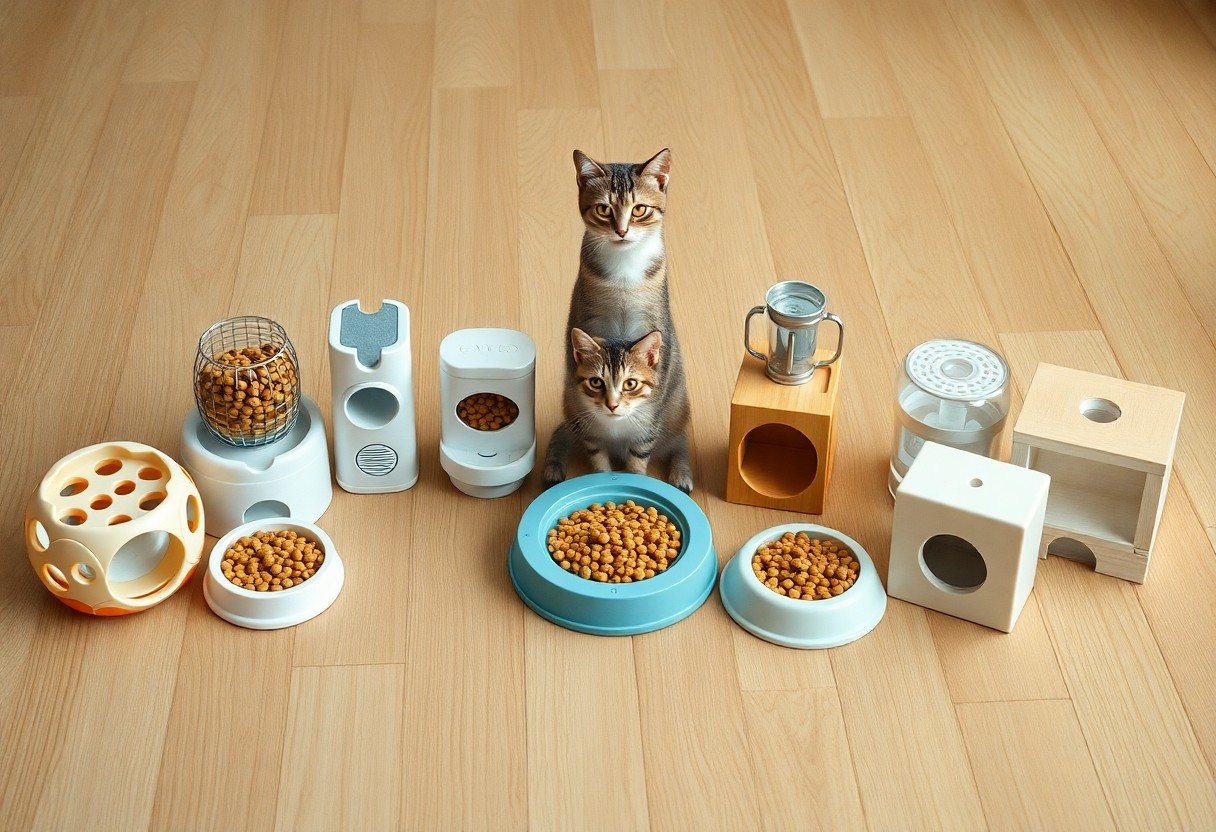
Puzzle feeders turn mealtime into play by engaging your cat’s hunting instincts and providing both mental stimulation and physical exercise. They reduce boredom, help control weight, and extend feeding time. Inspect toys for loose pieces because small parts pose a choking hazard, and clean regularly to prevent bacterial buildup.
Mental challenge
Well-designed puzzles require your cat to sniff, paw, and problem-solve, sharpening cognitive skills and offering rewarding stimulation. Start with easy levels so your cat experiences success; overly difficult puzzles can cause stress. Rotate puzzles to maintain novelty and keep your cat engaged daily for best results.
Slow feeding
Slow-feeding puzzles make your cat work for each bite, slowing ingestion and reducing gulping that can lead to regurgitation. For overweight or voracious eaters, this delivers weight-control benefits and steadier digestion. Choose sturdy, dishwasher-safe designs and monitor how your cat adapts.
Types include maze bowls, treat-dispensing balls, and modular feeders that let you adjust difficulty; you should introduce new feeders gradually and supervise initial sessions. Measure portions to avoid overfeeding and check moving parts frequently-detachable pieces can be dangerous. Clean after use to prevent mold and bacteria; this preserves health and the feeder’s lifespan.
Catnip Balls
Catnip balls are compact toys infused with catnip that stimulate play and encourage independent activity. You’ll see increased pouncing, rolling, and focused engagement that provides both mental enrichment and low-impact exercise. Choose non-toxic, well-sewn options and sizes suited to your cat; monitor play for chewing or loose pieces because small parts can pose a choking hazard. Rotate catnip balls to keep your cat interested and to preserve the effect.
Enticing scent
The strong aroma of catnip attracts many cats, provoking sniffing, rubbing, and playful bursts that last roughly 5-15 minutes. You can refresh interest by reapplying fresh catnip or alternating toys, since the scent is stimulating rather than addictive. Some cats won’t respond due to genetics; if your cat seems overly aroused, shorten sessions to avoid overstimulation, and store catnip airtight to maintain potency.
Encourages batting
Catnip balls are ideal for batting because they roll unpredictably, prompting swats, chases, and improved coordination while burning energy. You’ll encourage natural hunting behaviors and light exercise during short play bouts. Opt for balls with durable construction and secure seams; if stuffing or parts show, discard the toy to prevent ingestion or choking.
To maximize batting benefits, toss balls gently, hide them under blankets, or combine with wand play to simulate prey movement-this reinforces stalking and timing. Supervise kittens and cats that chew heavily, and replace damaged toys immediately. Regular batting sessions help with weight control, focus, and muscle tone while keeping play safe and engaging for your cat.
Crinkle Toys
Crinkle toys mimic rustling prey and stimulate your cat’s curiosity, encouraging stalking, pouncing and prolonged play. Because they are lightweight and often unpredictably noisy, they promote both mental enrichment and short bursts of exercise. Inspect toys frequently for tears and loose materials; ingestion of small pieces can cause choking or intestinal blockage, so supervise play and replace damaged items immediately.
Sound stimulation
Soft crinkles and rustles catch your cat’s attention and simulate prey sounds, prompting pounces and focused play. Use crinkle toys to vary auditory cues, but avoid constant or very loud noises that may alarm sensitive cats. Gentle sound increases engagement, while persistent loud noise can trigger stress or avoidance, so monitor your cat’s reaction and adjust volume and duration accordingly.
Safe chewing
Choose crinkle toys made from durable, non-toxic fabrics with reinforced seams to withstand chewing. Avoid thin mylar or loose foil that can shred into sharp pieces; mylar ingestion poses a serious hazard. If your cat tends to chew aggressively, pick larger toys without small detachable parts and inspect for loose stuffing or torn edges regularly to prevent choking or internal injury.
For safe chewing, replace crinkle toys when damaged and discard items with exposed plastic or frayed fabric. Offer chew-safe alternatives like rubber dental toys, rotate toys to keep interest, and wash fabric toys per manufacturer instructions. If you see persistent chewing through durable toys, consult your vet-it may indicate boredom, anxiety or dental issues-so you can address the root cause and protect your cat’s health.
Cat Tunnels
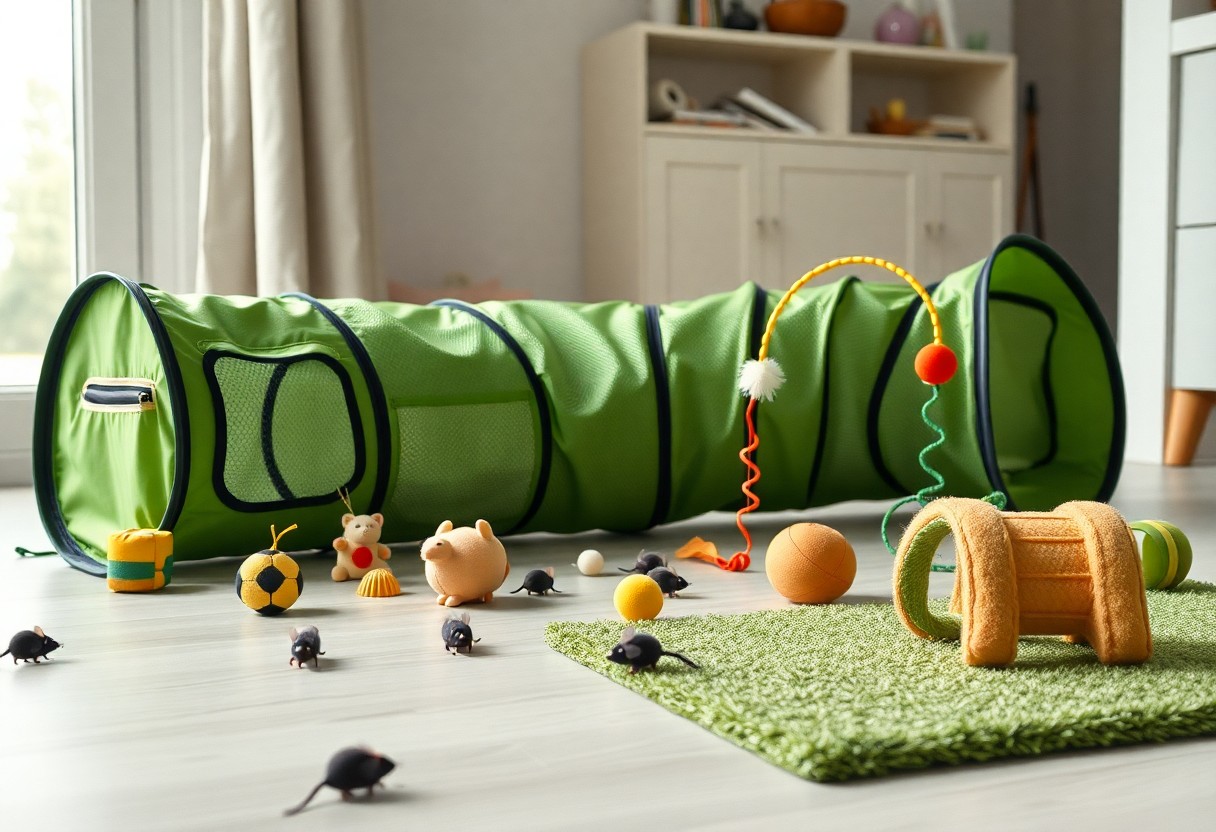
Cat tunnels give your feline a compact playground that boosts both mental stimulation and physical activity; you can entice exploration with toys or treats placed inside. Choose a durable, washable tunnel with multiple exits to prevent entrapment, and supervise play if the tunnel has loose threads or metal springs that could injure paws.
Adventure exploration
Tunnels satisfy your cat’s curiosity and hunting instincts by creating hidden pathways and ambush points; you can hide toys or dangle feathers at entrances to prompt investigation. Opt for tunnels with multiple openings to keep routes unpredictable and engaging, and check seams regularly to avoid loose fabric or sharp edges that pose risks.
Improves agility
Running through, weaving in and out, and sprinting along tunnels sharpens your cat’s coordination and reflexes while offering low-impact exercise; you can time short bursts to build speed and responsiveness. Use collapsible tunnels to vary length and complexity, and pick lightweight designs to prevent your cat from getting trapped under heavy material.
To further improve agility, set up short obstacle courses combining tunnels with low hurdles and wand toys so your cat practices quick turns and pounces; you should gradually increase challenge and session length to avoid fatigue. Always supervise interactions with dangling toys to prevent entanglement, and replace worn tunnels to eliminate tear-related hazards.
Spring Toys
Spring toys use coils or flexible rods to mimic prey movement, giving your cat unpredictable motion that boosts both mental and physical activity. They excel at encouraging pouncing, batting, and quick reflexes. For safety, inspect them often and discard toys with loose springs or sharp edges, since detached parts can pose a choking or ingestion hazard. Choose sturdy materials and supervise high-energy sessions to keep play safe and effective for your cat.
Bouncing fun
Bouncing spring toys deliver erratic motion that prompts your cat to leap and swipe, increasing cardio and coordination. They’re excellent for short, intense bursts of exercise and mental engagement. Watch for springs that can snap back or eject small pieces; supervise play and replace toys that show wear to prevent injury or swallowing of fragments.
Active pursuits
Spring-based wands and floor-mounted springs keep your cat moving with fast, enticing movements that simulate hunting. When you use them, vary speed and direction to sustain interest and build agility. These toys boost confidence and provide necessary physical outlet, but be mindful that exposed coils can pinch paws or shed parts-always check for damage before play.
To get the most from active spring toys, introduce them in short sessions and rotate different types to combat boredom; you’ll find five to ten minutes several times daily often works well. Prefer durable metals or reinforced plastics, avoid thin or rusty springs, and discard any toy with bent, stretched, or detached coils. If your cat is rough with toys, choose models with enclosed springs or replaceable parts to reduce hazards.
Wand with Toys
Wand toys mimic prey and get your cat chasing, leaping, and thinking; they deliver excellent mental stimulation and exercise. Use varied motions to keep your cat engaged and rotate attachments to prevent boredom. Always supervise play because dangling strings and small parts can be dangerous if chewed or swallowed, and retire worn pieces promptly.
Extended reach
Wand toys let you play from a distance so your hands stay safe while your cat practices stalking and pouncing. Vary height, speed, and direction to simulate different prey and boost coordination and fitness. Avoid overly aggressive swings that may startle or injure your cat, and inspect for loose feathers or parts that could be hazardous.
Interactive bonding
Playing with a wand strengthens the bond between you and your cat by turning exercise into focused, shared activity; your cat learns to seek you for fun. Use consistent cues and praise to reinforce positive behavior, and keep sessions short so play stays enjoyable. Ending with a calmer toy or treat fosters positive social interaction and reduces overstimulation.
To deepen interactive bonding, schedule brief sessions throughout the day, change movements to maintain interest, and let your cat “catch” the toy occasionally to satisfy its prey drive. Always supervise wand play, store wands and attachments out of reach when not in use, and dispose of torn components promptly to prevent accidental ingestion; these practices keep play safe and rewarding for both you and your cat.
Treat Dispensing Toys
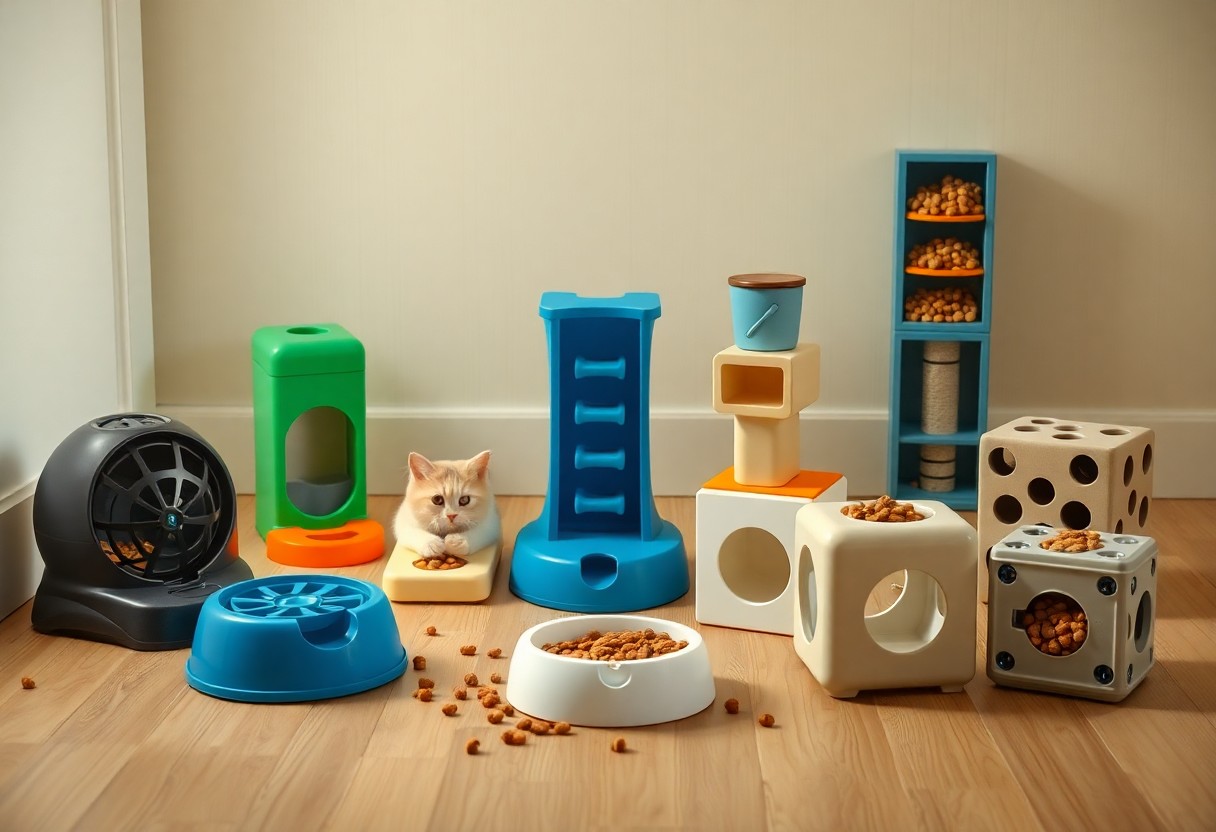
Treat-dispensing toys turn kibble into work, so you can boost your cat’s mental stimulation and exercise. You encourage natural hunting and problem-solving while controlling portions. Choose robust designs and avoid small removable parts that pose choking hazards. Supervise first sessions and clean toys regularly to prevent bacterial buildup. Rotate toys to keep novelty and reward your cat without overfeeding.
Rewarding interaction
Rewarding interaction lets you shape behavior by timing treats for correct actions and increasing difficulty as skills grow. You strengthen your bond and teach patience, using variable rewards to sustain interest. Keep treats small and calculated to avoid weight gain; monitor daily calories. Pick models with secure compartments so the toy remains safe during play.
Keeps engaged
These toys keep your cat occupied for longer stretches, reducing boredom and destructive behaviors. You can adjust puzzle difficulty to match skill level and increase engagement. Watch for signs of frustration; too-hard puzzles may cause anxiety. Prefer sturdy, non-toxic materials and discard damaged toys to prevent ingestion.
To maximize engagement, rotate several treat toys and vary challenges so your cat encounters novelty daily. You should schedule short play sessions to build confidence, gradually increasing complexity. If your cat solves tasks too quickly, add obstacles or smaller treats; if stalled, simplify the puzzle. Always inspect mechanisms for wear-broken parts can be a choking risk-and clean removable pieces weekly.
Summing up
Drawing together, you can choose toys that blend challenge and movement to keep your cat engaged and fit. Regular rotation of puzzle feeders, wand toys, interactive lasers, and climbing structures stimulates hunting instincts and provides mental enrichment. By observing your cat’s preferences and varying play sessions, you ensure balanced physical exercise and cognitive development, helping your cat stay healthy, confident, and content.
FAQ
Q: How do I pick the best toys from the “Top 10 Cat Toys for Mental Stimulation and Exercise” list for my cat?
A: Match toys to your cat’s age, energy level, and play style: kittens often prefer small, lightweight, soft toys and wand/fetch play; high-energy adults benefit from motorized toys, laser toys used with follow-up “catch” toys, and interactive puzzle feeders; seniors need low-impact, easily manipulated toys and food-dispensing puzzles that encourage gentle movement. Consider size and durability (no small parts that can be swallowed), materials that are non-toxic and washable, and whether a toy requires supervision or batteries. Try one type from each category-wand/feather, puzzle/treat-dispensing, rolling/chasing, and interactive electronic-to see which engages your cat most, and introduce new toys gradually while monitoring interest and safety.
Q: How often should I use and rotate these toys to keep my cat mentally stimulated and physically active?
A: Short, frequent play sessions work best: aim for two to three interactive sessions per day of about 5-15 minutes each to simulate hunting bursts. Rotate toys every few days or weekly so novelty is preserved; keep some toys always available (balls, soft toys) and others reserved for special play (interactive feeders, motorized toys). Incorporate puzzle feeders into mealtime to add mental challenge, and alternate high-intensity chase play with calmer puzzle or scent-based activities to avoid overstimulation. Track your cat’s engagement-if interest drops quickly, swap in a different category or reintroduce an older toy after a break.
Q: What safety and age-specific precautions should I take when using these top toys?
A: Inspect toys regularly for loose parts, exposed batteries, frayed string, or sharp edges; discard or repair damaged items to prevent choking or ingestion. Never leave string, ribbon, or wand toys unsupervised where a cat might chew and swallow pieces. Choose appropriate sizes-small parts for kittens increase swallowing risk, while heavy toys can strain older joints. For electronic toys, use quality batteries and remove them if storing the toy; ensure materials are non-toxic and washable to reduce infection risk. With laser play, always end sessions by letting the cat capture a tangible toy to satisfy hunting instincts. Consult your veterinarian if your cat has dental, joint, or medical conditions before introducing high-impact toys.