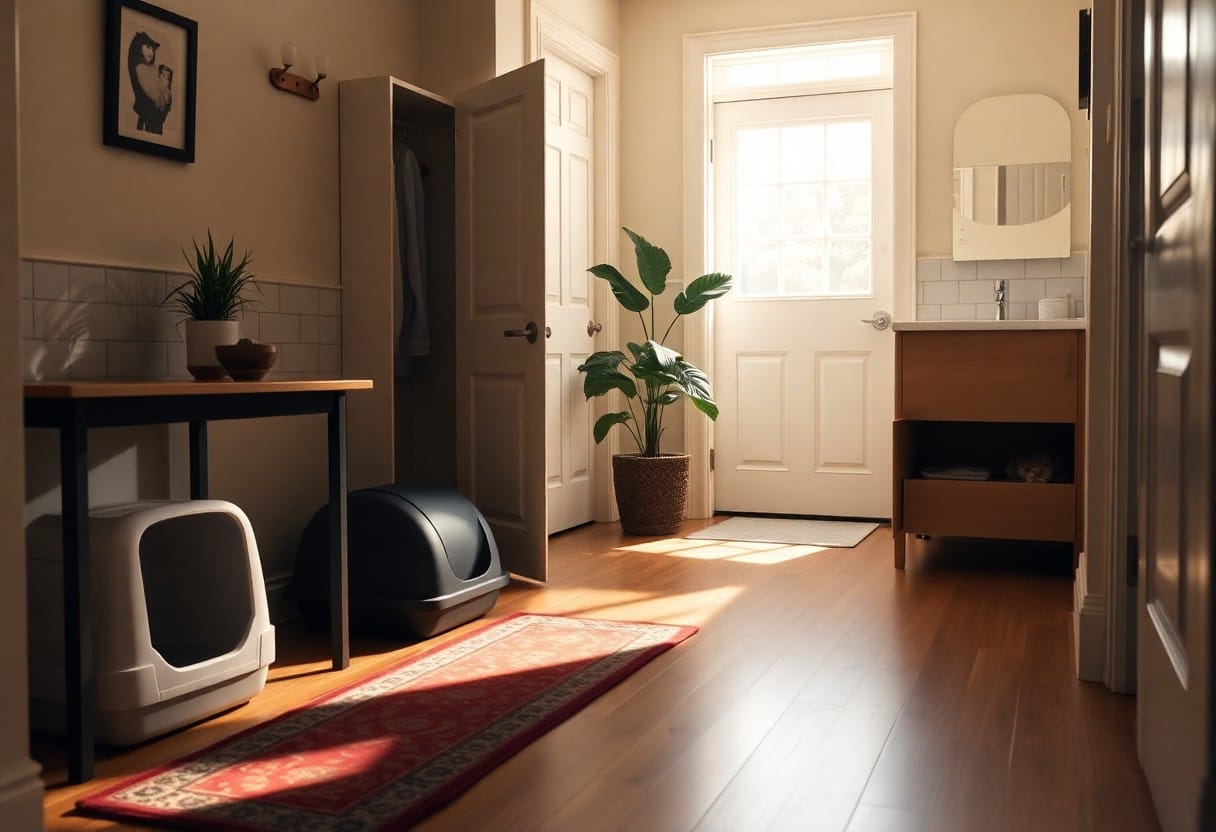
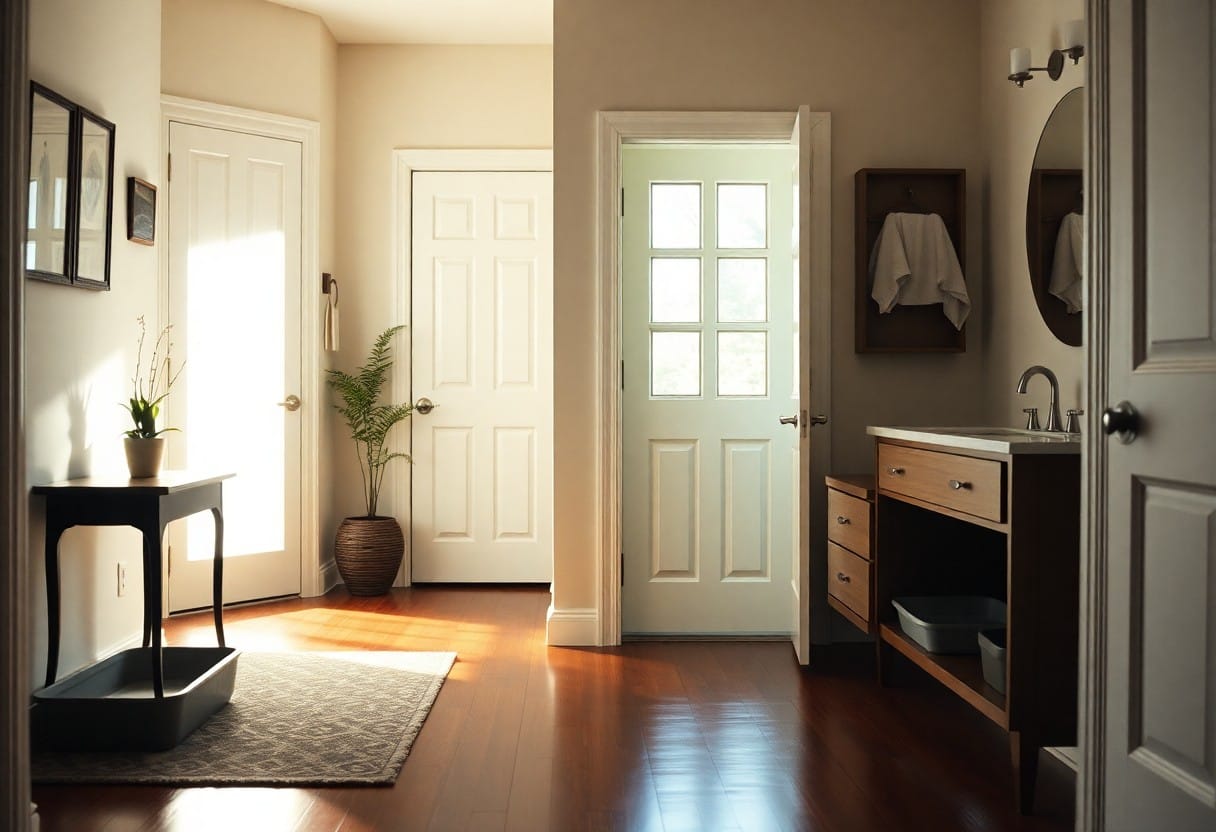
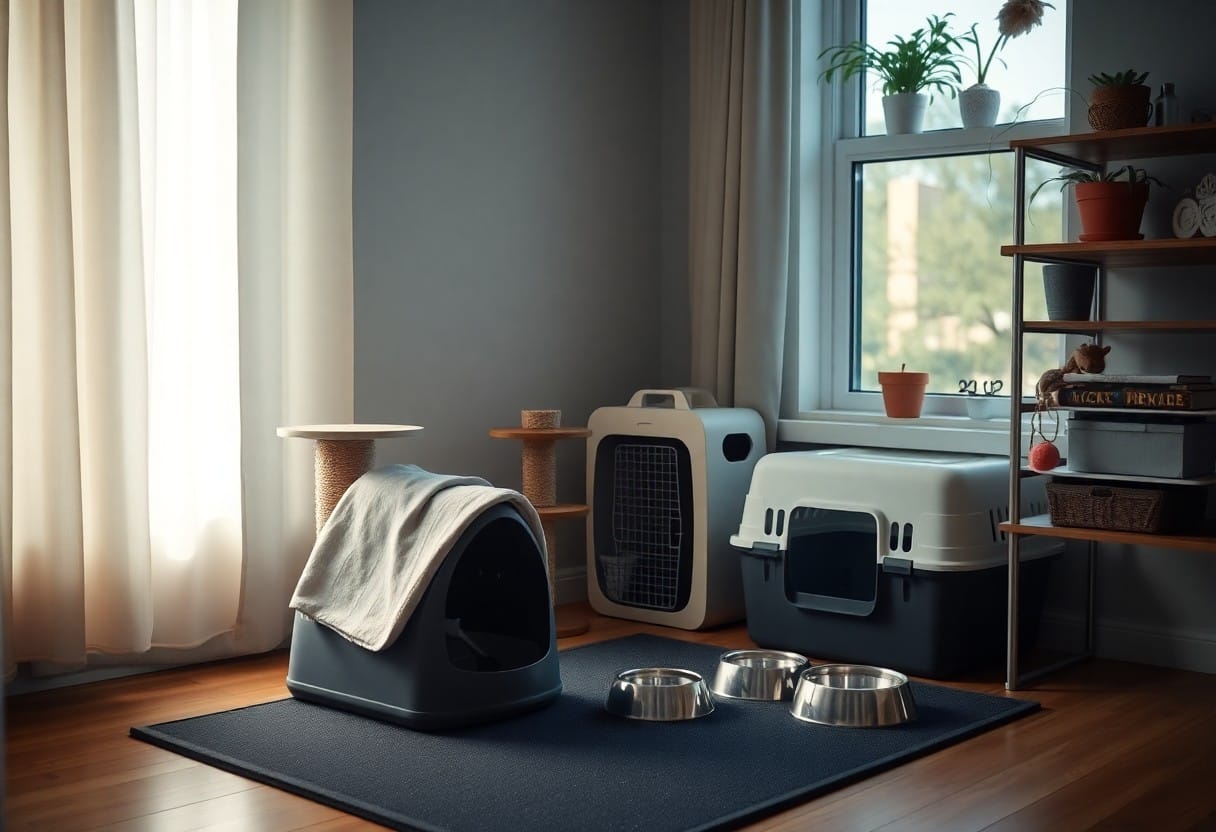
There’s an ideal spot: you should place it in quiet, accessible areas, avoid noisy high-traffic zones, and choose locations that encourage consistent use to reduce stress.
The Psychology of Placement: Safety and Instinct
Positioning the litter box where your cat feels secure reduces stress and accidents; you should choose spots with clear escape routes and minimal foot traffic to respect instinctive safety.
Vulnerability and the Need for Clear Sightlines
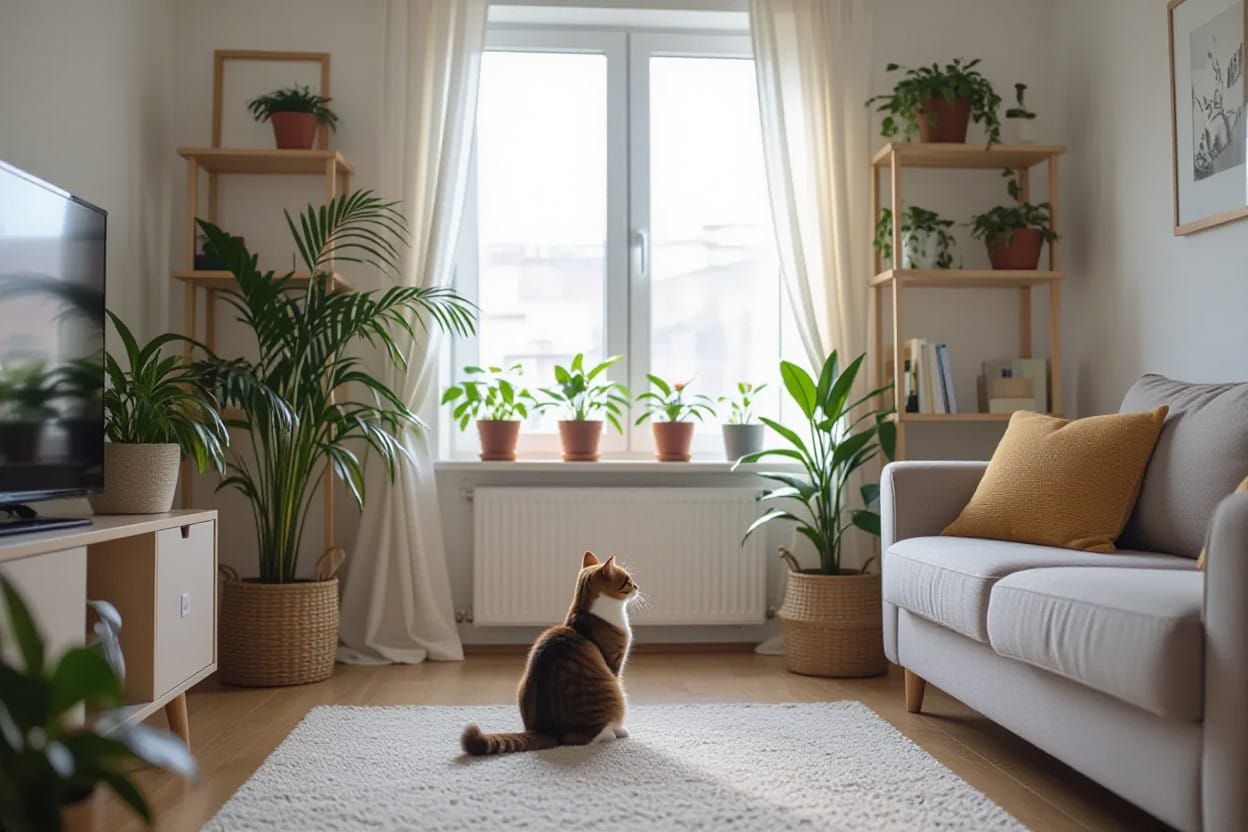
Open sightlines let your cat monitor the room and feel less vulnerable; you should avoid tight closets and busy corridors that trigger anxiety and discourage use.
Territorial Confidence Through Strategic Location
Placing the box in a stable, semi-private spot helps your cat claim territory confidently; you give them a sense of safety and ownership without isolating them from household activity.
Selecting a consistent, sheltered spot encourages your cat to mark and use the area; place boxes away from feeding stations and loud appliances, provide one box per cat plus one extra, and keep pathways clear so your cat can enter and exit without feeling trapped.
Choosing the Right Room: Privacy vs. Accessibility
Choose a spot where you balance privacy and easy access so your cat can go without anxiety. If the box is too exposed, your cat may avoid it; if too hidden, you limit monitoring and increase the risk of undetected accidents or health issues.
Avoiding High-Traffic Disruptions and Sudden Noise
Place the litter box away from doorways and busy corridors to reduce startle-related accidents, since sudden noises and foot traffic scare cats and cause avoidance or rushed eliminations; choose a quieter, easily reachable room for better litter habits and less stress.
Why Extreme Seclusion Can Lead to Litter Box Avoidance
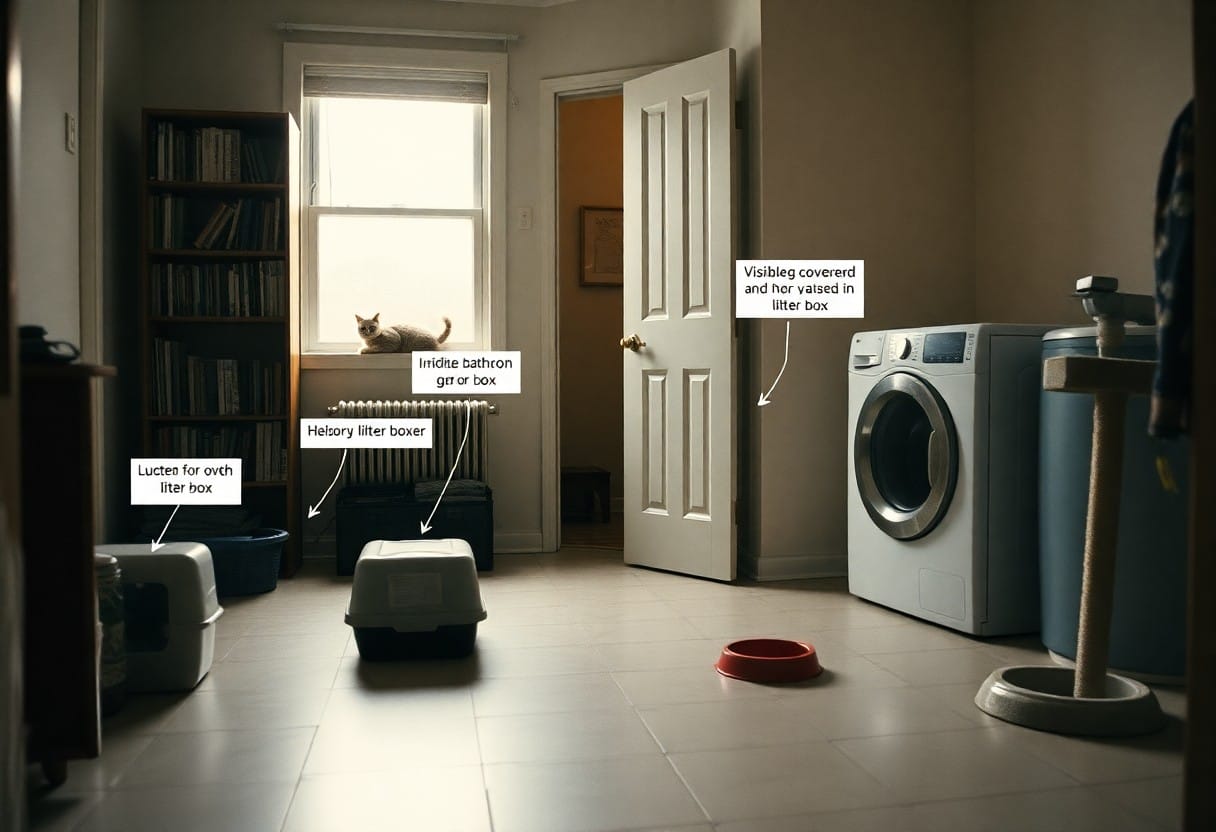
Isolating the box in a closet or attic can make your cat avoid it because access feels unsafe; this increases the chance of soiling outside the box and hides signs of medical problems from you.
Cats often avoid a super-hidden box when stairs, doors, or other pets block the route, making trips risky for elderly or ill cats; you then face more accidents and missed medical warnings. You also lose chances to monitor frequency and cleanliness, so pick a spot that keeps the box out of sight but within a clear, calm path to reduce stress and ensure timely health checks.
Keep litter boxes well away from your cat’s food, water, and sleeping spots; proximity increases stress and can cause avoidance or accidents, worsening hygiene and medical problems.
Separating Elimination Areas from Food and Water
Place litter boxes in separate rooms or distinct corners so your cat won’t associate elimination with eating or drinking; this reduces avoidance and preserves cleanliness and appetite.
Biological Drivers for Waste Isolation Within the Home
Recognize that cats are hardwired to isolate waste to avoid predators and protect scent cues; placing boxes too near activity disrupts that instinct and prompts inappropriate elimination or stress.
You should understand that isolating waste serves multiple biological purposes: it minimizes scent trails that attract predators, preserves communal scent markers, and reduces pathogen exposure near feeding sites. When you respect these instincts-by providing multiple, well-separated boxes and avoiding noisy, high-traffic spots-you lower stress, reduce the chance of urinary tract disease, and improve overall litter use compliance.
Environmental Stressors and Startle Risks
You should place litter boxes away from sudden noises and busy pathways so your cat feels secure. Recognizing that startle risks and persistent noise can trigger avoidance helps you choose calmer spots.
The Impact of Loud Appliances and Unpredictable Vibrations
Your cat will avoid areas near washing machines, dishwashers, or HVAC units that cause sudden vibrations or loud noises. Recognizing these triggers lets you move boxes to quieter rooms or create sound-buffer zones.
Loud appliances
Unpredictable vibrations
High-traffic noise
Appliance Effects
Appliance
Effect
Washing machine
Intermittent vibrations and noise
HVAC
Sudden airflow changes and hum
Dishwasher
Loud cycles near peak use
Lighting, Ventilation, and Ambient Temperature Factors
Place litter boxes in areas with soft, even lighting and steady airflow so your cat can enter and exit calmly. Recognizing harsh glare, drafts, or extreme temperatures will help you avoid deterrent spots.
Ensure room temperature stays moderate, avoid direct sun or cold drafts, and keep vents from blowing directly on the box to maintain consistent comfort. Recognizing how humidity and air stagnation alter scent cues can influence whether your cat uses the box reliably.
Direct sun
Cold drafts
Stale air
Comfort Details
Condition
Recommendation
Direct sunlight
Provide shaded placement
Cold draft
Move away from windows/doors
Poor ventilation
Improve airflow without drafts
Strategic Distribution for Multi-Cat Households
Placement of litter boxes across quiet, accessible spots reduces conflict; you should provide one box per cat plus one extra and avoid clustering boxes together to limit stress and marking.
Preventing Resource Guarding and Ambush Points
You should space boxes so cats have clear escape routes; this minimizes resource guarding and eliminates ambush points, letting lower-ranking cats access facilities without fear.
The Importance of Multiple Locations Across Different Floors
Placing boxes on each floor gives cats convenient privacy and reduces accidents; you should ensure at least one accessible box per level to respect territorial boundaries.
Consider placing boxes near quiet traffic areas on each floor; you should avoid kitchens and noisy appliances, and use varied box styles to help senior or shy cats; this lowers accident risk and eases access for all household members.
Accessibility for Kittens and Senior Cats
You should position litter boxes where kittens and seniors can reach them without climbing; blocked routes and stairs often cause accidents, while low-entry boxes and ramps encourage consistent use.
Reducing Travel Distance for Cats with Limited Mobility
Place litter boxes on each floor and near favorite resting spots so you minimize walking for arthritic or weak cats; short distances reduce accidents and stress.
Overcoming Physical Barriers and High-Entry Constraints
Lower the entry height or swap to a side-entry box to remove barriers that deter use; high rims and narrow openings can discourage or endanger less mobile cats.
Consider adding low ramps, non-slip mats, and side-entry boxes, and keep the path clear of furniture; slippery surfaces and obstacles increase fall risk, while ramped access, shallow litter depth, and multiple nearby boxes make elimination easier for kittens and seniors. Consult your veterinarian if mobility declines.
Final Words
Following this placement guidance, you will reduce accidents, lower stress, and encourage consistent litter use by choosing quiet, accessible, and well-ventilated spots that respect your cat’s privacy and routine.
Q: Where is the best place in the house to put my cat’s litter box?
A: Place the litter box in a quiet, low-traffic area that offers privacy but remains easily accessible. Cats prefer predictable routes, so select a spot where the cat can enter and exit without sudden encounters with people or other pets. Avoid placing the box next to loud appliances, heating vents, or inside rooms that are frequently closed. Provide good ventilation and natural light when possible, and use a stable, non-slip surface under the box. For kittens, senior cats, or mobility-impaired cats, put a box on the main living level to avoid stairs.
Q: How many litter boxes do I need and how should they be distributed?
A: A common guideline is one litter box per cat plus one extra to reduce competition and territorial stress. Distribute boxes on different floors and in distinct areas so cats can choose a private option close to their preferred resting spots. Keep boxes several feet apart rather than clustered together; back-to-back placement still risks conflict. Clean each box daily and perform a full empty-and-sanitize cycle weekly to maintain multiple-box systems.
Q: What placement mistakes cause litter box problems and how do I fix them?
A: Putting a litter box in a noisy or busy area often leads to accidents because cats avoid places where they feel vulnerable. Hiding boxes inside closets or behind doors that close can trap or startle a cat; keep doors propped or create a dedicated alcove instead. Using small covered boxes may trap odors and intimidate shy cats; provide at least one uncovered option so the cat can see its surroundings. Placing boxes too close to food or water discourages use, so maintain a clear separation between eating and toileting areas. If a cat consistently avoids a box, move it gradually toward a preferred room, switch to a finer, unscented litter, ensure easy entry for older cats, and consult a veterinarian to rule out medical causes.