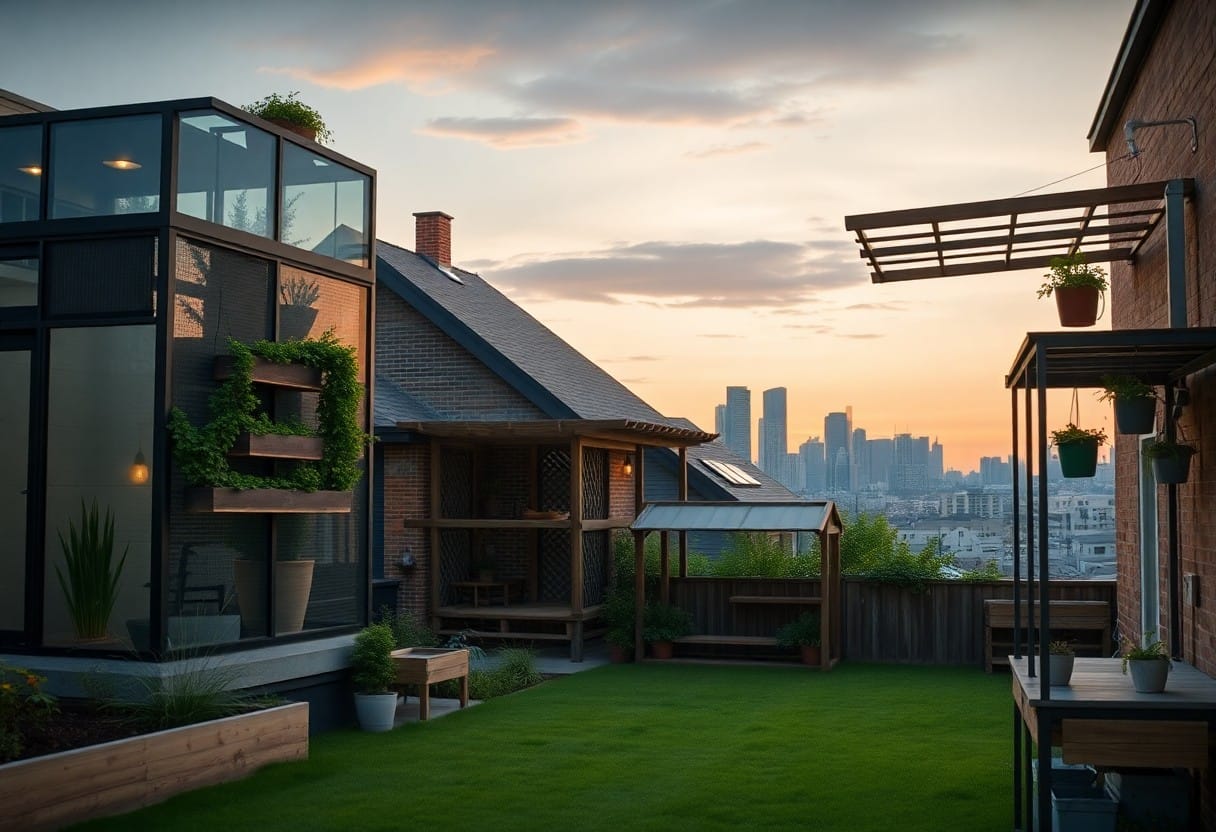
You can build a catio for balconies, yards, or patios to give your cat outdoor time safely; install predator-proof mesh and secure latches to prevent escapes or attacks, and choose durable, weatherproof materials for long-lasting enrichment.
Critical Factors to Consider Before Building
Plan around site constraints, permits, and structural limits to prevent safety or legal issues. Thou must check local codes, set a budget, and prioritize predator-proofing and weather-resistant materials before starting construction.
- space
- sunlight
- ventilation
- materials
- permits
Assessing Available Space and Home Layout
Measure your usable footprint-yard, balcony, or roof-and factor access points, gates, and furniture so you avoid cramped routes. You should design clear maintenance paths and vertical play areas to support cat mobility and safe supervision.
Evaluating Sunlight Exposure and Ventilation
Map daily sun patterns and prevailing winds to balance warmth and airflow; too much direct sun creates overheating, while stagnant air increases odors and dampness, affecting comfort and health.
Observe morning versus afternoon exposures, seasonal shifts, and nearby reflections so you can place lounging spots in gentle sun and shade. You should plan roof overhangs, adjustable shade, screened vents, and operable panels to enable cross-ventilation; monitor temperatures to avoid heat risk and protect sensitive plants and animals.
Selecting the Ideal Style for Your Home Type
Choosing a catio style depends on your dwelling’s footprint, access points and lifestyle, so you should prioritize safety, secure anchoring, and compliance with local rules.
Window-Mounted Units for Apartments and Condos
For apartment living, you can install a compact, space-saving window catio that gives your cat outdoor views while minimizing structural changes and respecting building rules; avoid unsecured screens.
Freestanding and Attached Structures for Houses
Houses often allow larger freestanding or attached catios where you can add ramps, climbing shelves and weatherproofing, and you should anchor them securely to prevent collapse.
Consider hiring a pro to handle foundations, permits and wiring, and make your catio predator-proof with raised bases for drainage, sealed joints and bolted anchors so you protect your cat and avoid structural failure.
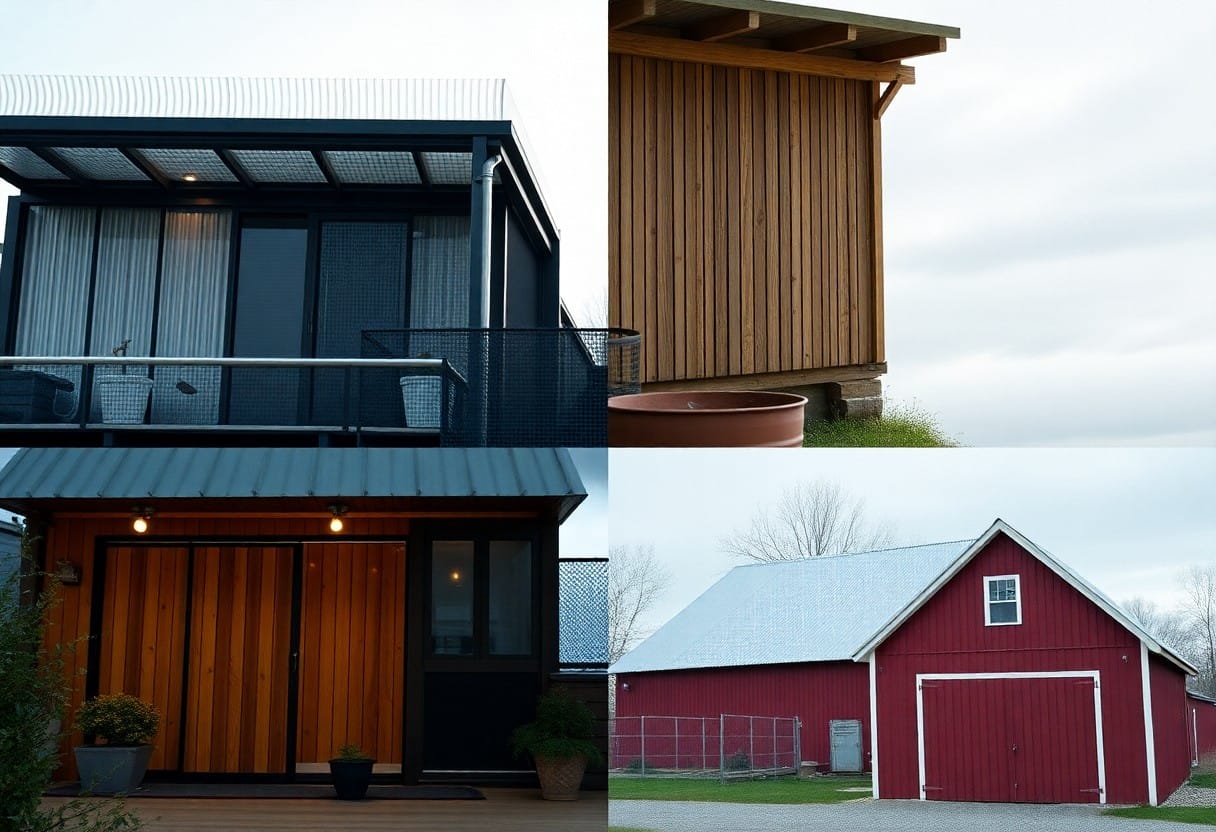
Sourcing High-Quality, Pet-Safe Materials
Sourcing materials that are non-toxic and pet-safe helps you avoid risks; pick low-VOC stains, food-grade plastics, and finishes without lead so your cat stays healthy.
Selecting Durable Mesh and Escape-Proof Wire
Choose stainless-steel or welded-wire mesh with a small gauge to stop chewing and climbing; you should avoid flimsy plastic netting that can snap and create escape points.
Choosing Weather-Resistant Wood and Hardware
Opt for pressure-treated or naturally rot-resistant woods and pair them with galvanized or stainless hardware so you protect your build from moisture and pests.
Inspect your lumber choices: prefer cedar, redwood, or cypress for natural decay resistance; if you must use treated wood, avoid older CCA-treated lumber and choose modern treatments labeled for residential use. Use 316 stainless or hot-dipped galvanized fasteners for corrosion resistance, countersink or cap any sharp hardware, and finish with a low-VOC exterior sealer safe for pets.

How-to Guide: Constructing the Framework
Start by laying out the perimeter and setting load-bearing posts into concrete footings so you anchor the frame against wind and animal force while keeping consistent spacing for panel support.
Building a Secure Base and Support System
Anchor posts to frost depth, brace corners with diagonal supports, and use galvanized brackets to prevent rot and loosening; verify plumb and level before concrete cures to avoid structural shifts.
Installing the Enclosure and Protective Roofing
Attach mesh panels with tamper-proof fasteners, seal all gaps and overlaps, and slope the roof at least 1:12 so you keep predators out and water off the catio.
Check mesh rating-use 14- or 19-gauge galvanized wire or 1/2″ hardware cloth-fasten with washers or clips, and install flashing where the enclosure meets walls. You should angle polycarbonate or metal panels for runoff, cover exposed edges to avoid cuts, and anchor the roof against uplift; any gap larger than 1/2 inch must be closed to prevent predator access.
Professional Tips for Interior Enrichment
- Use soft perches and varied textures
- Install secure fastenings and weight-rated mounts
- Add non-toxic plants and washable surfaces
Focus on tactile variety, scent control, and lighting to keep your cat engaged; combine perches, plants, and hideaways for layered interest. Assume that you test materials for chewability and avoid toxic finishes.
Designing Vertical Climbing Perches and Ramps
Mount staggered perches and angled ramps so you can create upward routes; anchor every platform to support weight and add grip surfaces for safety to prevent falls.
Adding Cat-Friendly Plants and Scratching Surfaces
Integrate only verified non-toxic plants and secure pots out of reach of paws; provide vertical scratchers and replace worn sisal to protect furniture and maintain cleanliness.
Choose well-draining pots, heavy bases, and fast-draining soil so you prevent tipping; anchor shelves and hang planters, keep a list of toxic species visible, and rotate replaceable scratch posts regularly to avoid splintering and injury.
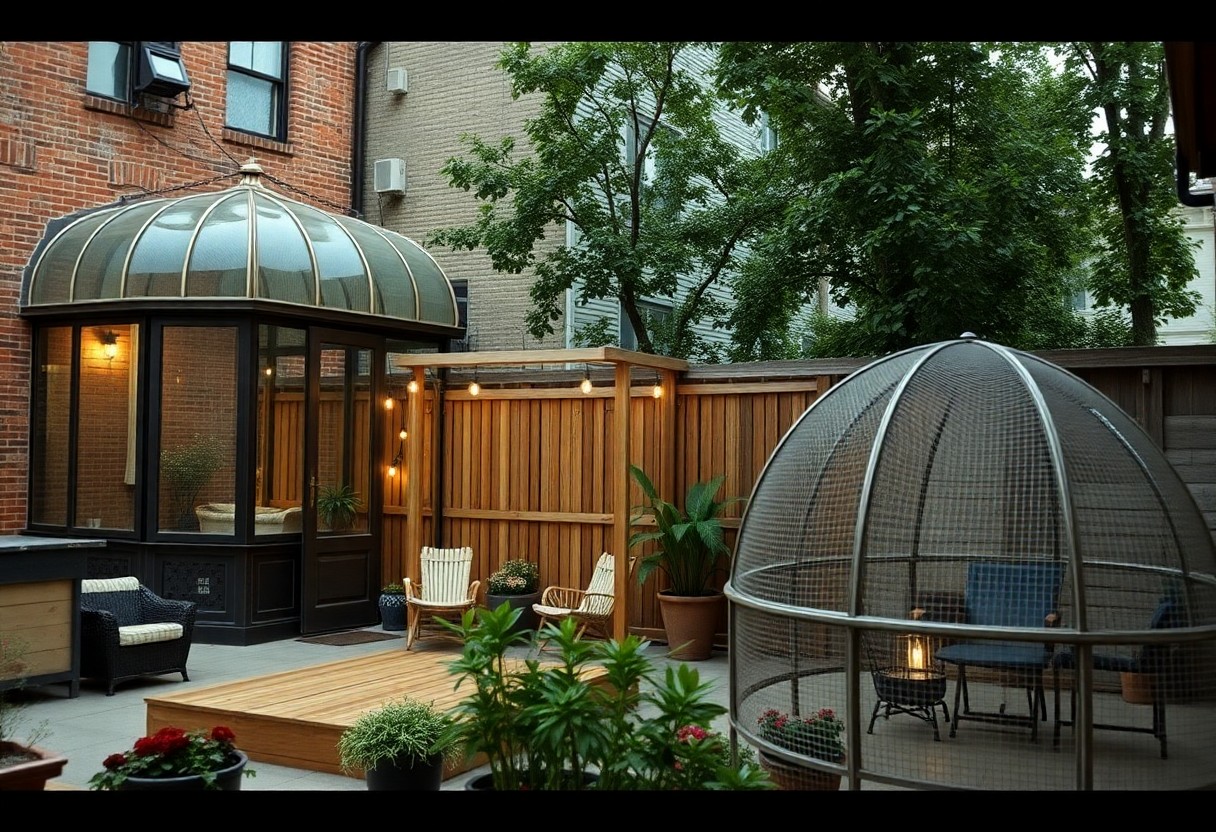
Ensuring Long-Term Safety and Maintenance
You must schedule seasonal inspections, fix wear promptly, and keep drainage clear; prioritize predator-proofing and weatherproofing to protect your cats and the structure.
Implementing Secure Latches and Entry Points
Install heavy-duty, tamper-resistant latches and make sure you use lockable secondary barriers on gates; test them daily to prevent escapes and deter predators.
Routine Structural Checks and Cleaning Protocols
Inspect frames, mesh, and anchors monthly for rust, gaps, or rot; clear droppings and debris to reduce disease risk and extend material life.
Schedule quarterly deep inspections and weekly quick sweeps; when you find corrosion, loose anchors, or torn mesh, replace parts immediately, use pet-safe cleaners, rinse thoroughly, and keep cats out until surfaces are completely dry.
Summing up
As a reminder, you can tailor a catio to your home by matching style to space and budget, prioritizing secure materials, weather protection, climbing and hiding features for enrichment, and routine maintenance so your cat stays safe and happy outdoors.
FAQ
Q: What is a catio and which styles work for apartments, townhouses, and detached homes?
A: A catio is a secure outdoor enclosure that lets cats experience fresh air, sun, and sights while staying protected. Small apartments benefit from window-mounted boxes, balcony cages, or slim vertical enclosures that attach to a window or railing. Townhouses pair well with porch conversions, deck-mounted cages, or narrow multi-level runs that use existing outdoor structures. Detached homes make room for large freestanding catios, connected walkways between doors, or rooftop enclosures accessed from an upper-level door. Design choices should match your cat’s activity level, local climate, and predator exposure.
Q: How do I plan size, layout, and features for a catio so it fits my home and keeps cats happy?
A: Measure available entry points and the usable outdoor footprint before sketching a layout that includes zones for running, climbing, and hiding. Include vertical features such as shelves, ramps, perches, and hiding boxes to increase usable space without expanding the footprint. Aim for at least 4-6 square feet per cat in small enclosures and increase that allocation for more active or multi-cat households. Provide shaded areas, sheltered sleeping spots, water, and secure access to the house through a cat door or removable panel. Check local building codes and HOA rules for permits, setbacks, and approved materials prior to construction.
Q: What materials and construction techniques work best for different home types, and how do I predator-proof and maintain a catio?
A: Use hardware cloth with 1/2-inch or smaller openings for reliable predator resistance; heavy-gauge welded wire is acceptable when properly framed. Choose pressure-treated lumber or cedar for outdoor frames and corrosion-resistant screws or brackets for long life; aluminum or galvanized steel framing suits modern designs. For apartments, select lightweight modular kits or custom window boxes that bolt to frames and include a secure interior barrier. For townhouses and condos, anchor structures to decks or porches and add lockable doors and angled top edges to deter climbers. Detached-home builds benefit from concrete footings or ground anchors and buried mesh at the base to prevent digging. Finish with non-toxic paints or stains, cat-friendly groundcover (artificial turf, pea gravel, or flagstone), and a regular inspection schedule to repair gaps, rust, or wear.