Just because cats are independent doesn’t mean your feline can’t learn simple commands; with the right approach you can teach your cat tricks that improve safety, cooperation, and bonding.
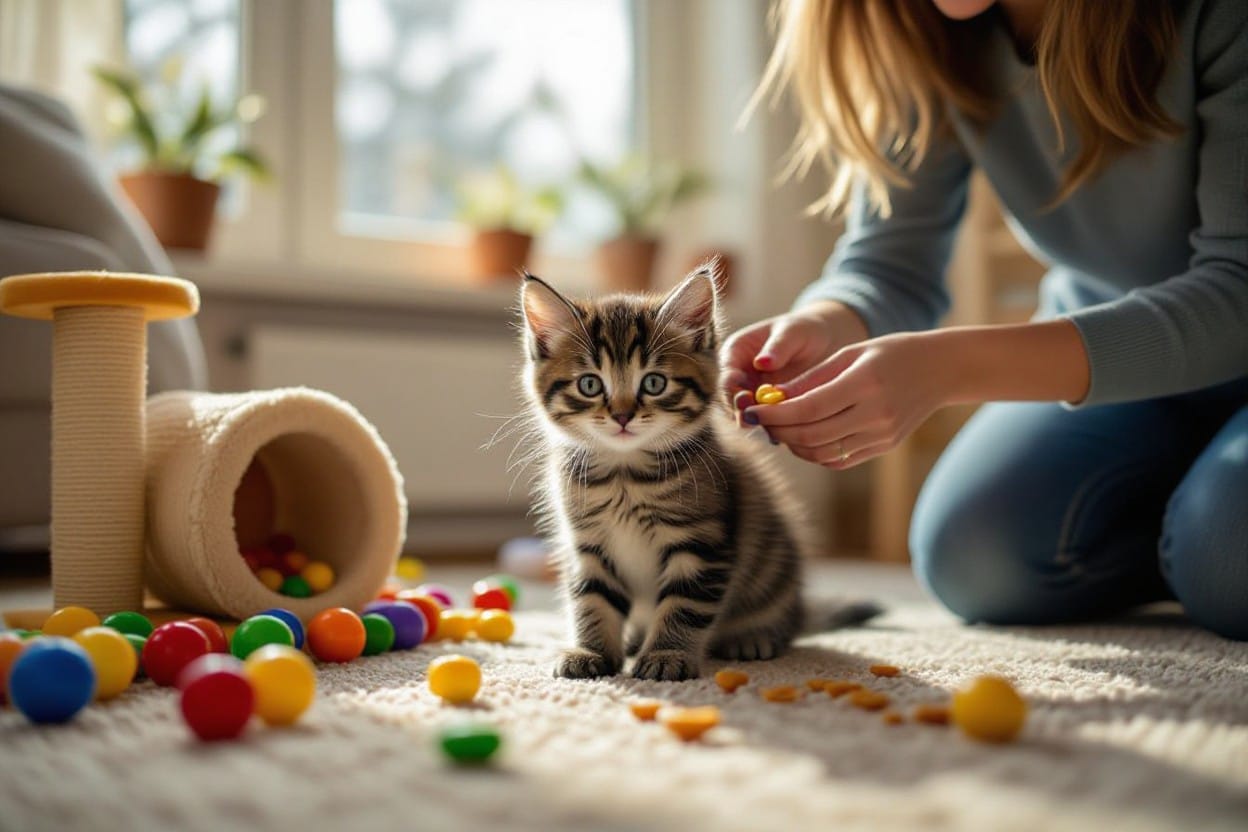
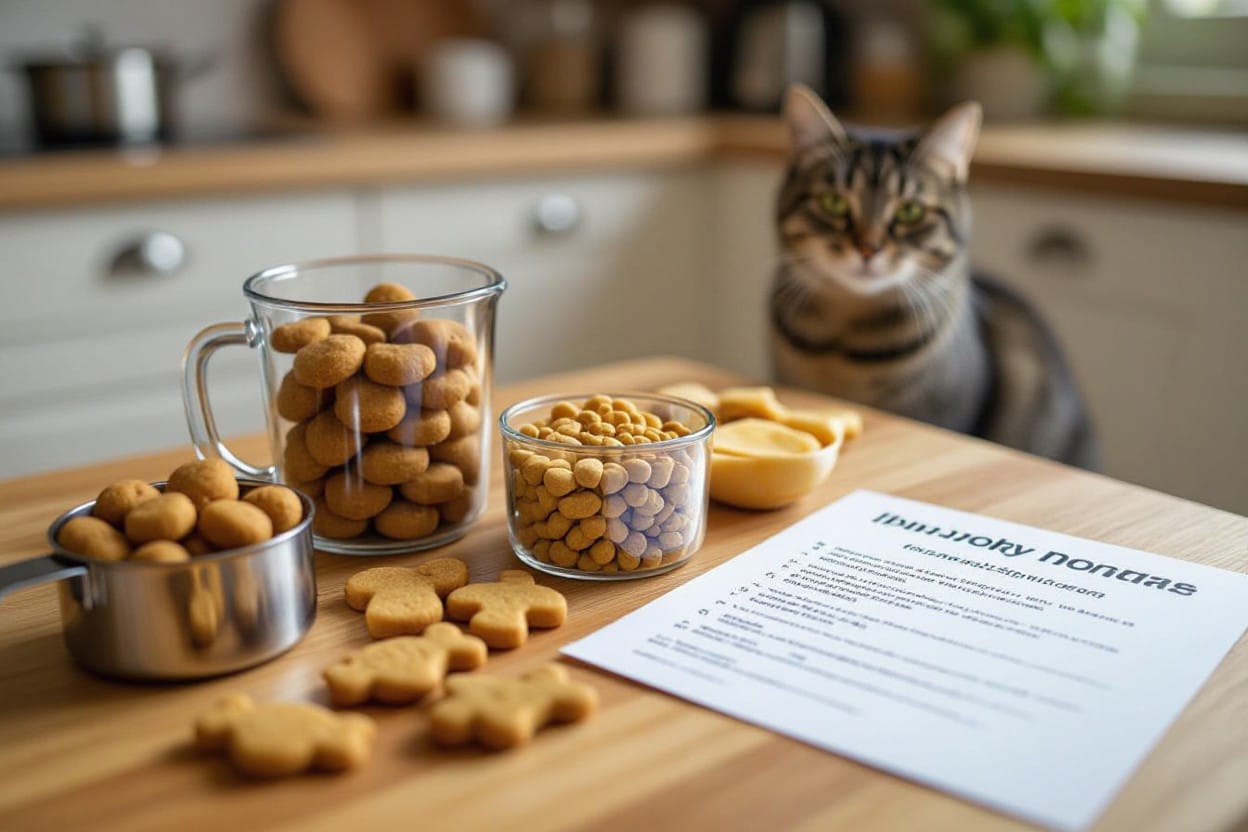
Start by gathering a few vitals: treats your cat loves, a clicker or a consistent verbal cue, and a quiet space for short sessions. Keep training sessions under five minutes, several times a day, so your cat stays engaged. Use immediate rewards and clear cues so the association between the behavior and the reward is strong.
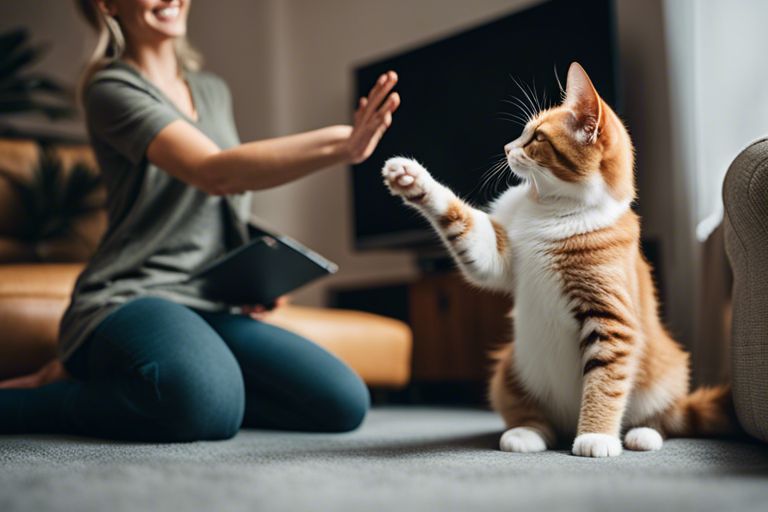
Teach one cue at a time. For Sit, hold a treat above your cat’s head and move it back slightly so their hind end lowers; mark the moment with a click or the cue word and give a treat. For Come, start close, call your cat in a happy voice, and reward when they approach; gradually increase distance. For Stay, ask for a short pause, step back one step, then reward for maintaining position; lengthen time slowly. For fun, try High Five by offering a treat on your palm and rewarding any paw lift, shaping the action into a formal cue. To prevent problems, teach Leave It by rewarding your cat for looking away from a tempting item when cued.
Use shaping: break big behaviors into tiny steps and reinforce progress. Keep training positive-never use physical force-and fade treats into occasional praise and affection once the behavior is reliable. If progress stalls, reduce distractions, shorten sessions, or try a more enticing reward. Consistent timing of the cue and reward helps your cat link actions to outcomes faster.
The real payoff is the relationship: when you train kindly and consistently, your cat learns to trust cues and participate. Expect gradual progress and celebrate small wins. With regular practice, your cat can master practical commands that make daily life smoother and more enjoyable for both of you.