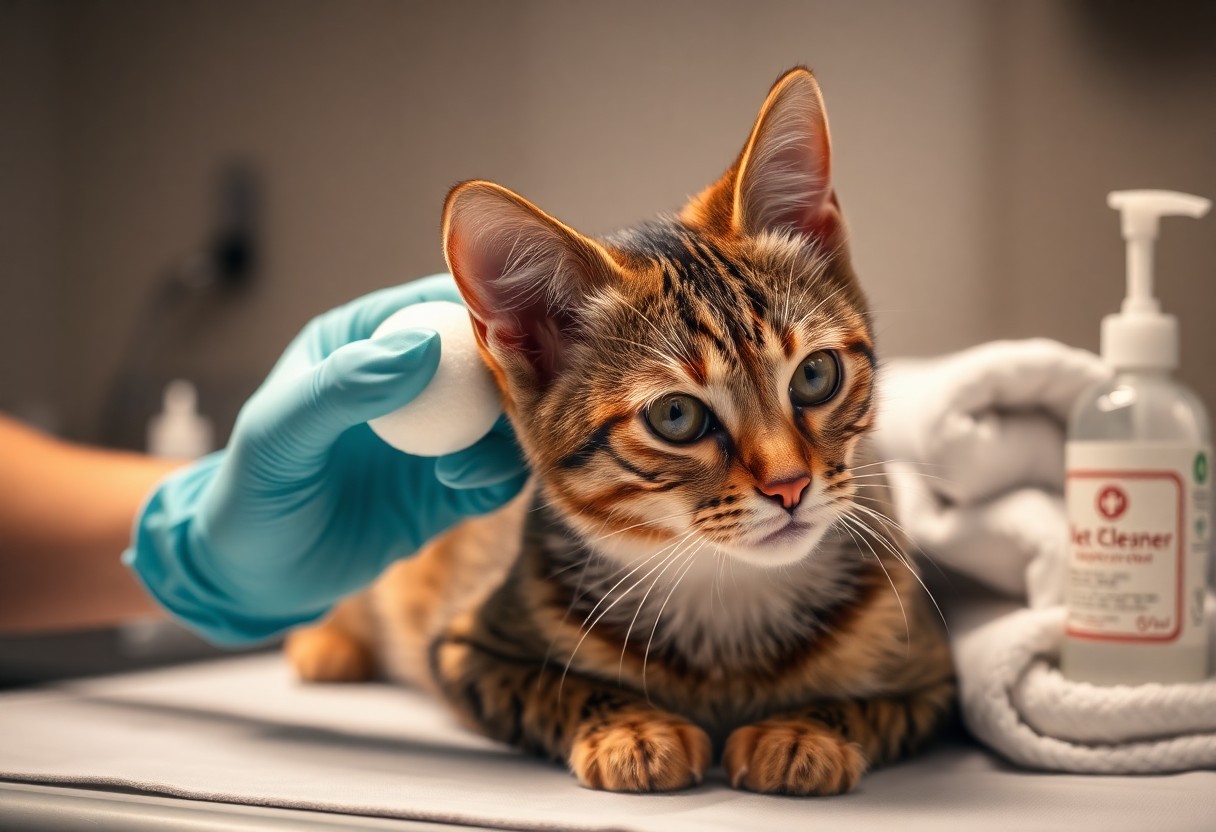
Cleaning your cat’s ears helps prevent infections and ear mites; you should inspect ears during grooming and clean only when necessary (often every 1-4 weeks depending on your cat). Use a veterinarian-recommended cleaner and soft cotton or gauze, use a gentle technique to avoid pushing debris deeper, and contact your vet if you notice pain, bleeding or a persistent odor.
Understanding Cat Ear Health
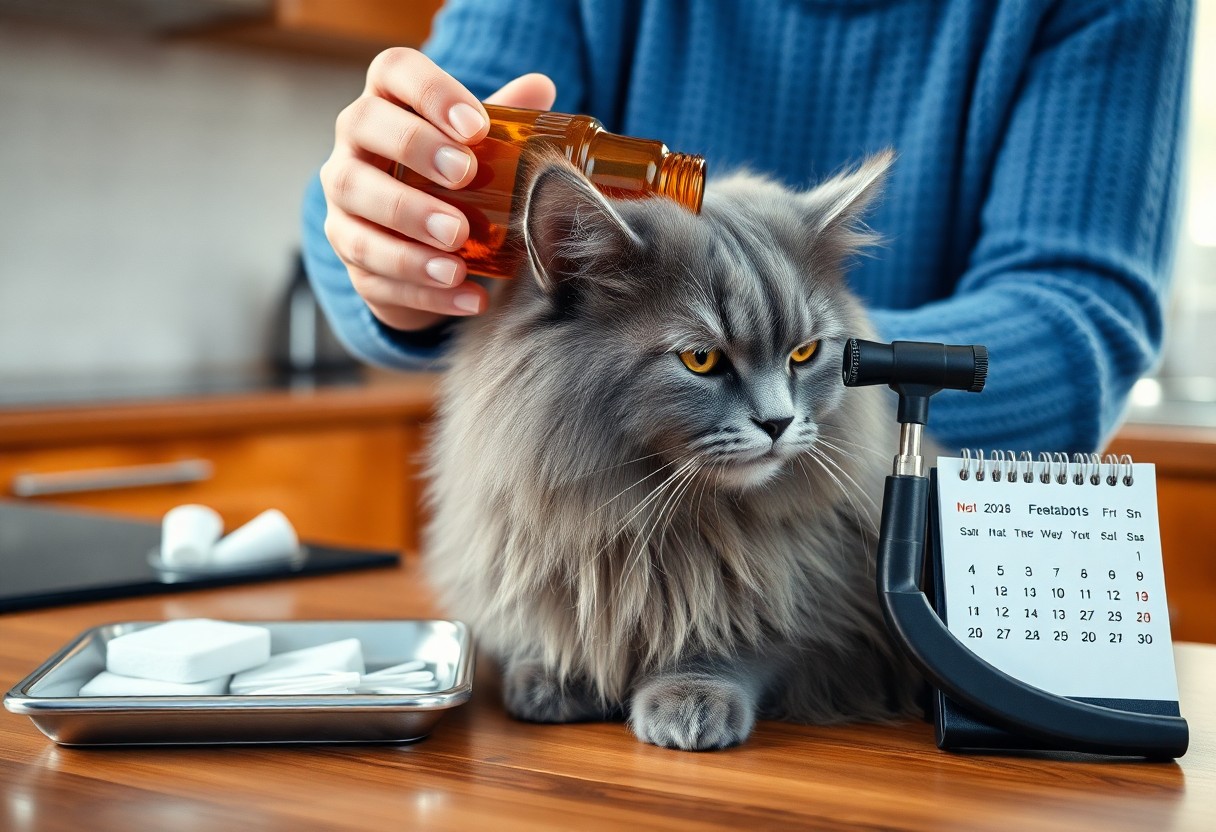
Your cat’s external ear has a vertical then horizontal canal (an L-shaped pathway) that traps debris, and the ear relies on natural cerumen migration to stay clean; breeds with folded or hairy ears like Persians and Scottish Folds, plus outdoor cats, are more prone to buildup. You should note that small changes – odor, increased wax, or head tilt – often signal pathology rather than routine dirt, so inspect ears weekly and track any trends you see.
Common Ear Issues in Cats
Ear problems you’ll encounter most are ear mites (Otodectes cynotis), bacterial or yeast infections (Malassezia species), foreign bodies, ear polyps, and allergic otitis. Ear mites are especially frequent in kittens and multi-cat households, while yeast and bacterial otitis often follow moisture or topical steroid use. You should treat recurrent scratching or odor seriously because untreated infection can lead to chronic pain and hearing loss.
Signs Your Cat Needs Ear Cleaning
Persistent head shaking, scratching at the ear more than usual, visible dark crumbly debris, or a foul odor are clear signs you need to clean or evaluate the ear; bleeding, severe swelling, head tilt, or sudden hearing loss indicate urgent veterinary care. If symptoms continue beyond 24-48 hours despite gentle wiping of the visible pinna, escalate to a veterinary exam to prevent deeper infection.
When you inspect, use a bright light and note wax color and texture: coffee-ground, black debris often means ear mites, while yellow-green purulent discharge with a strong odor suggests bacterial infection; brown, waxy, malodorous material commonly indicates yeast. Never insert cotton swabs into the canal – they can push debris deeper and damage delicate structures – and seek veterinary attention if pain, bleeding, or persistent symptoms occur.
How Often Should You Clean Your Cat’s Ears?
You should inspect your cat’s ears weekly and clean only when needed: many cats require a light cleaning every 4-6 weeks, while cats with heavy wax build-up, allergies, or previous ear infections often need cleaning every 1-2 weeks or as your vet directs. Outdoor cats and swimmers usually need more frequent care. If you detect foul odor, dark discharge, or persistent scratching, stop home cleaning and seek veterinary advice.
Factors Influencing Cleaning Frequency
Several variables determine frequency: ear shape, hair density, wax production, allergies and prior infections can all increase maintenance needs. For example, cats with folded ears or heavy pinna hair trap moisture and debris, and indoor-outdoor lifestyle affects exposure. Recognizing how these factors combine lets you set a schedule-weekly to monthly-tailored to your cat’s risk level.
- Ear Anatomy: folded or narrow canals trap debris
- Hair Density: long-haired cats collect more wax
- Health Conditions: allergies, previous otitis increase needs
- Environment: outdoor, swimming, or humid homes raise frequency
- Age: kittens and seniors may need closer monitoring
General Guidelines for Different Breeds
Adjust frequency by breed traits: long-haired Persians and Himalayan mixes often need cleaning every 1-2 weeks, while most short-haired breeds are fine at 4-6 week intervals. Scottish Folds and cats with narrow canals benefit from weekly checks. If your cat shows redness, swelling, bad smell, or discharge, stop home cleaning and consult your vet.
In practice, check ears after baths or outdoor time and use only vet-approved cleaners. Avoid cotton swabs-do not insert anything into the canal-and have excess ear hair trimmed by a pro if recommended. For recurring problems, your vet can set a medicated-cleaning plan; following it usually reduces flare-ups within a few weeks.
How to Safely Clean Your Cat’s Ears
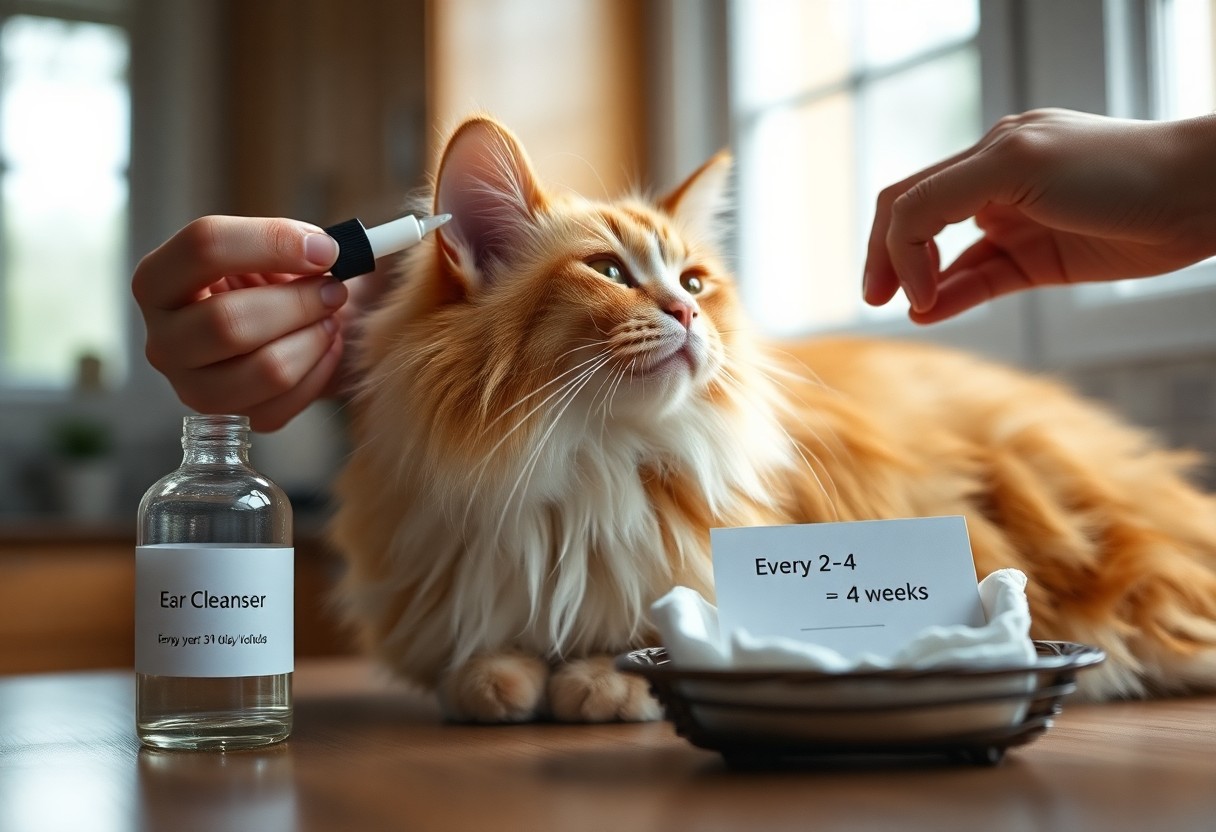
Check your cat’s ears for redness, swelling, foul odor, or dark crumbly discharge before cleaning, since those signs often indicate infection that needs a vet. Work in a calm area with gentle restraint and short sessions to minimize stress, and focus on the outer ear and ear flap. Never insert cotton swabs into the canal; stick to visible areas and stop if your cat shows strong pain or bleeding.
Step-by-Step Cleaning Procedure
Gather supplies (vet-approved cleaner, cotton balls, towel, treats), apply 2-3 drops into the ear, gently massage the base for 20-30 seconds, let your cat shake, then wipe away loosened debris with a cotton ball; repeat once if needed and call your vet for bleeding, intense pain, or persistent odor.
Step-by-step actions
| Step | Details |
|---|---|
| 1. Inspect | Look for redness, swelling, dark discharge or odor; any of these = vet visit. |
| 2. Restrain | Wrap gently in a towel, keep head steady, use treats to calm your cat. |
| 3. Apply solution | Use 2-3 drops of a vet-approved cleaner; avoid alcohol or hydrogen peroxide. |
| 4. Massage | Massage the base of the ear for 20-30 seconds to loosen wax and debris. |
| 5. Let shake & wipe | Allow the cat to shake (~10-20 sec), then wipe the canal entrance and pinna with a cotton ball. |
| 6. Finish | Repeat once if needed; do not insert cotton swabs deep into the ear canal. |
Recommended Cleaning Solutions
You should use a vet-approved, pH-balanced ear cleaner for routine maintenance; sterile 0.9% saline is fine for light debris. Products with low-concentration chlorhexidine or lactic acid treat yeast or bacterial buildup but consult your vet before medicated use. Avoid alcohol, hydrogen peroxide, and undiluted vital oils because they can burn and dry the ear canal.
For normal ears, clean every 3-4 weeks with a mild solution; if waxy or smelly, your vet may prescribe a medicated cleaner used 2-3 times weekly for 1-2 weeks. Follow product directions (typically 2-5 drops), keep bottles sealed, and stop use if irritation worsens. Your vet can perform cytology to determine whether an antifungal or antibacterial agent is indicated rather than simple maintenance cleaning.
Tips for a Stress-Free Ear Cleaning Experience
Keep sessions under 3 minutes and schedule them when your cat is calm, like after a meal; use a quiet room, soft towel, and one helper if needed. Offer small treats and praise to link cleaning to a positive outcome; use a vet-formulated cleaner and cotton pads-never insert cotton swabs deep into the canal. Recognizing signs of pain, sudden head shaking, blood, or foul odor should prompt immediate veterinary attention.
- ear cleaning
- ear infection
- cotton swabs
- ear drops
- vet visit
Preparing Your Cat for Cleaning
Spend several days desensitizing your cat: let them sniff the bottle, practice touching the base of the ear for 30-60 seconds per session, and reward with high-value treats. Wrap your cat in a towel for gentle restraint if they squirm; have a second person support the head. Use a vet-approved cleaner only, and stop if you see bleeding, swelling, or intense pain.
Handling Your Cat During the Process
Position yourself so you can reach the ear without stretching your cat; cradle the head with one hand and pull the ear flap upward to straighten the canal. Squeeze a few drops into the ear, massage the base for 20-30 seconds, then let your cat shake and wipe with a cotton pad-never use cotton swabs inside the canal because they can cause injury.
Use a helper to gently hold the body while you work; if solo, wrap your cat in a burrito towel leaving only the head exposed. Keep sessions short (aim for 2-3 minutes), and provide breaks with treats. If you notice persistent head shaking, discharge, or foul smell, stop and contact your vet-these are signs that at-home cleaning isn’t enough.
When to Consult a Veterinarian
If your cat shows persistent ear signs for more than 48 hours, sudden worsening, or any neurologic changes like head tilt or loss of balance, you should contact your vet immediately. Professional evaluation is needed for bleeding, open sores, or severe pain that makes your cat flinch when you touch the ear. In cases of recurrent infections (more than 2 episodes per year) plan for diagnostics such as otoscopy, cytology, or culture rather than home care alone.
Signs of Serious Ear Problems
Frequent head shaking and intense scratching that continues for hours, thick yellow/green discharge, foul odor, visible blood, swelling of the ear flap, or facial paralysis point to serious disease. Dark, crumbly debris often indicates ear mites; moist, malodorous discharge usually signals bacterial or yeast infection. If your cat shows ataxia or tilts its head, treat that as an urgent neurological sign and seek immediate veterinary attention.
Regular Check-Ups for Ear Health
You should inspect your cat’s ears weekly and schedule professional ear checks during routine wellness visits: for adult cats, at least annually; for kittens, alongside vaccinations every 3-4 weeks until ~16 weeks; for cats with prior ear disease, every 3 months or as your vet recommends. Regular checks catch early inflammation, allow cytology when needed, and prevent chronic changes like canal thickening that complicate treatment.
During a vet ear check you can expect an otoscopic exam to view the canal and tympanic membrane, immediate cytology to identify yeast or bacteria within minutes, and cultures when infections recur (results in 3-5 days). Sedated professional cleaning may be advised for heavy debris. Follow-up is often scheduled at 7-14 days to confirm resolution; chronic cases may require topical therapy cycles and monthly maintenance cleanings to prevent relapse.
Maintaining Overall Ear Health
You should inspect your cat’s ears weekly and only clean when you see excessive wax, dark discharge, or a foul odor; routine cleaning every 2-4 weeks fits many cats but increase frequency if your cat has allergies or a history of ear infections. Use a gentle vet-approved cleanser and avoid cotton swabs. If you notice head shaking, scratching, or swelling, or if signs worsen over 48-72 hours, seek veterinary care to rule out ear mites or bacterial/yeast infections.
Preventative Care Tips
You can reduce problems by tailoring checks to risk: long-haired breeds, overweight cats, or those with atopic signs need closer monitoring. Carry out cleaning with soft cotton and vet-approved solutions only, and preserve ear canal integrity by avoiding deep probing. Assume that you’ll adjust the schedule after vet advice if infections recur.
- Weekly checks – inspect for wax, odor, redness, or head tilt.
- Monthly cleaning – or every 2-4 weeks for wax-prone cats with a gentle cleanser.
- Vet exams – annual wellness plus sooner for recurrent signs.
- Allergy management – control environmental allergens and limit high-risk treats.
- Parasite control – maintain flea and ear mite prevention on schedule.
Diet and its Impact on Ear Health
Food can drive ear inflammation, so if your cat has recurrent otitis externa, trial a novel-protein or hydrolyzed diet for 8-12 weeks. You should consult your vet first because elimination trials require strict adherence and can reveal an underlying food allergy that presents mainly as ear disease rather than skin lesions.
In practice, cats with persistent wax or yeast overgrowth often improve after dietary changes: for example, switching to a single novel protein reduced flare frequency in several cases within 6-10 weeks. You can also discuss adding omega-3 supplements to lower local inflammation, but always coordinate diet, supplements, and monitoring with your veterinarian to keep the diet balanced and track weight and coat condition.
Conclusion
So you should inspect your cat’s ears regularly and clean them only when debris or wax builds up, using a veterinarian-approved cleanser and soft gauze or cotton; never insert cotton swabs deep into the canal. Be gentle, stop if your cat resists or you see redness or discharge, and consult your veterinarian for persistent odor, pain, or suspected infection.
FAQ
Q: How often should I clean my cat’s ears?
A: Most cats need ear cleaning only when visible wax, dirt, or debris accumulates or if they scratch and shake their head frequently. For low-maintenance indoor cats this is often once a month or less; breeds with heavy hair around the ears (Persians, Himalayans) or cats that produce more wax may need cleaning every 1-2 weeks. Kittens and cats with suspected ear mites, allergies, or recurring infections require a veterinary exam and possibly treatment rather than routine home cleaning.
Q: What is the safe step-by-step method for cleaning a cat’s ears at home?
A: Gather a vet-approved ear-cleaning solution, cotton balls or gauze, and treats. Restrain the cat gently-wrap in a towel if needed. Hold the ear flap upright, apply a few drops of the warmed (body temperature) cleaner into the ear canal opening, then massage the base of the ear for 15-30 seconds to loosen debris. Let the cat shake its head, then wipe away loosened wax and fluid from the visible ear flap and entrance to the canal with a cotton ball or gauze. Repeat on the other ear if needed. Never insert cotton swabs, fingers, or objects into the ear canal, avoid alcohol or hydrogen peroxide, and stop immediately if the cat yelps, bleeds, or shows signs of acute pain.
Q: What signs mean I should not clean my cat’s ears at home and instead see a veterinarian?
A: Seek veterinary care before cleaning if you see severe redness, swelling, bleeding, continuous foul-smelling discharge, excessive dark crumbly debris (possible ear mites), visible wounds, or if the cat shows intense pain, balance problems, or a persistent head tilt. Also consult a vet for recurrent infections, pre-existing conditions (diabetes, immune issues), or if you’re unsure of the cause; many ear problems require medication or professional treatment rather than routine cleaning.