Many times you face destructive scratching from your cat, but you can stop it with targeted strategies: provide stable vertical and horizontal scratching posts, use regular nail trims and safe deterrents, and apply consistent training and enrichment; untreated scratching can cause costly furniture damage and increased stress for you and your pet.
Understanding Cat Scratching Behavior
Natural Instincts
You should know that scratching is a built‑in behavior for stretching, claw maintenance and territory marking; your cat uses scent glands and visual marks to communicate. In many cases your cat scratches right after waking or before meals as a routine, and that routine can be redirected rather than punished. Perceiving the triggers and timing helps you design effective alternatives and reduce destructive incidents.
Scratching = claw maintenance + stretching
Territory marking via scent and visual cues
Glands on paws deposit scent
Perceiving patterns lets you intervene early
Reason
What you see
Stretching
Arching, extended claws on vertical surfaces
Claw care
Short, repeated swipes on firm textures
Marking
Scratches often placed in prominent spots
Stress
Excessive scratching after changes at home
Play
Scratches mixed with pouncing or vocalizing
Types of Scratching
Your cat displays several distinct forms: vertical scratching for marking, horizontal digs for claw sharpening, and vigorous air‑swipes during play or aggression; each demands a different management strategy. You can offer a mix of upright posts, flat pads and interactive play sessions to redirect behavior toward acceptable targets. Perceiving which type your cat prefers makes targeted solutions far more effective.
Vertical – posts, furniture edges
Horizontal – mats, cardboard pads
Play – interactive toys reduce misdirected scratching
Perceiving the dominant type guides your choice of deterrents
Type
Best substitute
Vertical
Sturdy sisal post, tall cat tree
Horizontal
Corrugated cardboard pad or flat sisal
Interactive/play
Wand toys, laser sessions before resting
Stress‑driven
Calming routines, pheromone diffusers
Territory marking
Multiple posts near entryways
For more detail on Types of Scratching, consider specific examples: an indoor-only 4‑year‑old often targets the couch edge after naps, indicating a preference for vertical marking and stretch; a kitten may dig horizontally into carpet during play, which responds well to corrugated pads and timed play breaks. You should test one change at a time-swap one piece of furniture coverage or add a new post near the problem spot and monitor for 1-2 weeks. Perceiving how your cat shifts between types will let you prioritize the most effective interventions.
Example: move a post next to the couch
Trial: 1-2 week observation per change
Adjust: change texture or height if ignored
Perceiving responses lets you refine the plan
Scenario
Action
Couch edge targeted
Place vertical post within 1-2 ft, use catnip
Carpet shredding
Offer flat cardboard pads and rotate locations
Nighttime scratching
Increase evening play, dim lighting
Post ignored
Change texture, add horizontal option
Multiple cats
Provide several posts in different rooms
Common Cat Behavior Problems Related to Scratching
You’ll encounter scratching as a multi-purpose behavior: cats mark territory with paw glands, remove the outer claw sheath, and stretch the back and shoulders. Expect both vertical and horizontal targets-sofas, doorframes, carpets-and activity peaks during kittenhood and seasonal shedding. Offer properly placed alternatives to redirect this instinctive activity.
Furniture Damage
When your cat targets upholstery you’ll see frayed fabric, exposed foam, and torn seams; armrests and couch edges are common hotspots. You can protect pieces with double-sided tape, slipcovers, or strategically placed sturdy sisal or carpeted posts that match the surface they prefer. Replace or rotate posts every 6-12 months to keep texture attractive.
If scratching spikes after changes-moving house, a new pet, or altered routine-it may be a sign of stress. You might notice increased frequency, nocturnal scratching, or fixation on doors and windows. Combine these behaviors with hiding, reduced appetite, or litter-box avoidance to build a clearer picture of anxiety-related scratching.
In one case a 3-year-old indoor cat began shredding a loveseat after owners adopted a dog; redirecting to two 28-32 inch sisal posts, placing them near exit points, and using a pheromone diffuser reduced incidents within 2-4 weeks. You should pair environmental fixes with daily play sessions and consistent feeding times to lower arousal and reinforce preferred scratching sites.
Effective Scratching Solutions
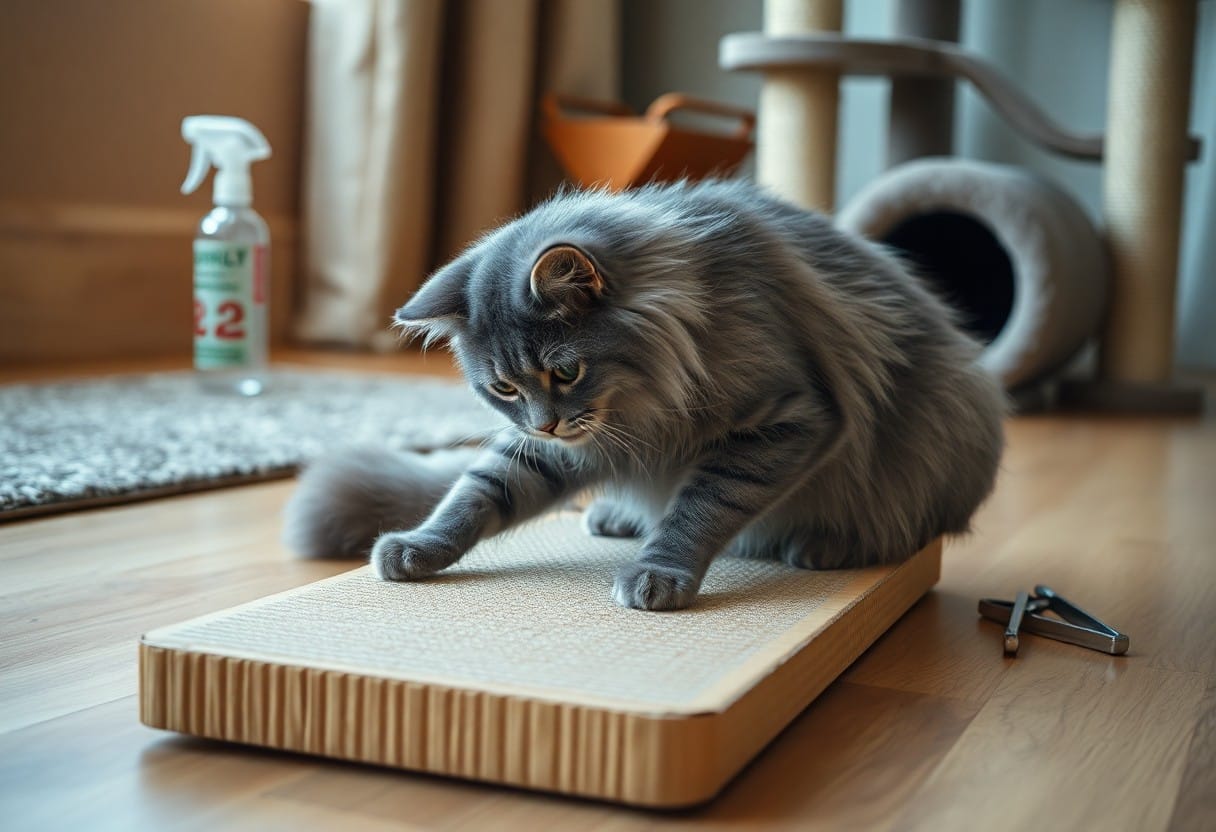
Place multiple scratching options near targets: a vertical sisal post beside the couch, a horizontal corrugated cardboard pad at the window, and a tall cat tree in a high-traffic room. Use materials like sisal, untreated wood, and corrugated cardboard to match your cat’s preference, and secure bases (≥30 cm/12 in) to prevent wobble. Rotate and replace worn surfaces every 3-6 months, combine with temporary deterrents (double-sided tape, aluminum foil) on furniture, and pair changes with positive reinforcement for faster success.
Providing Appropriate Scratching Surfaces
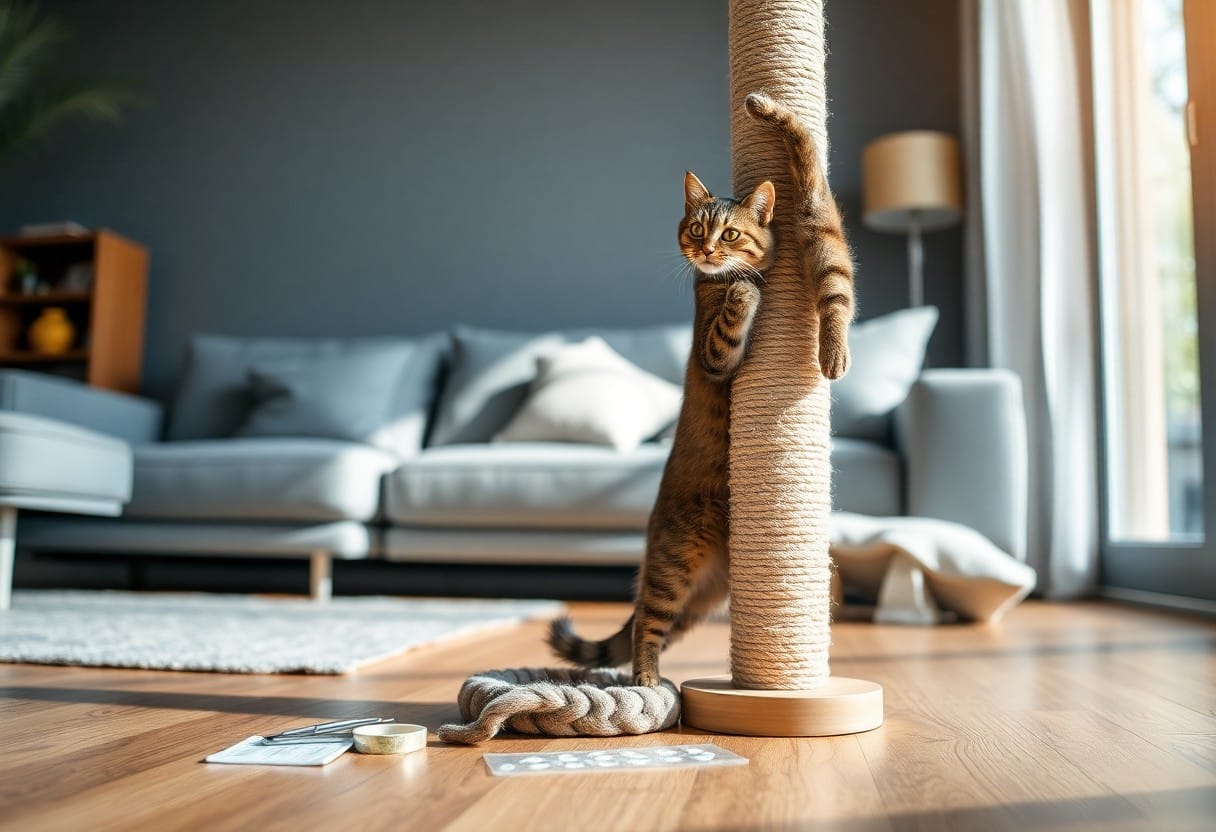
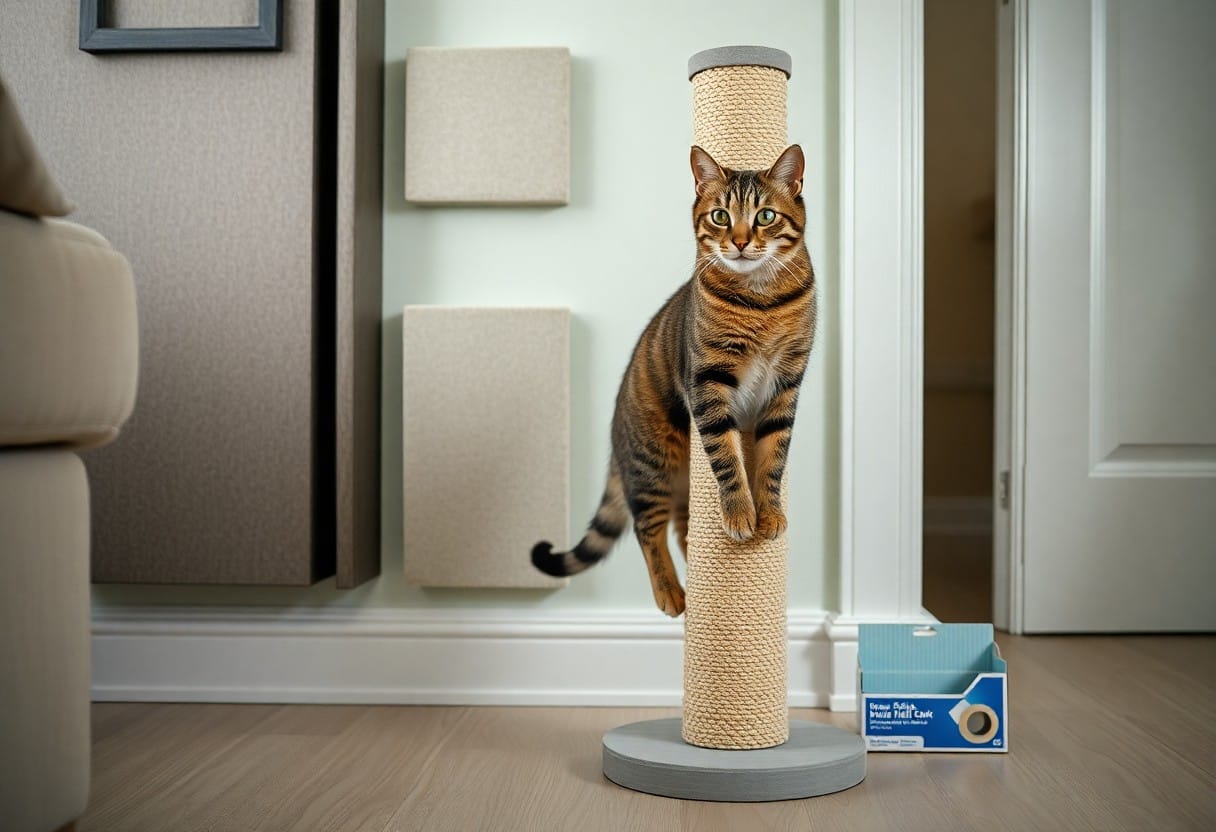
Match surface type and orientation to your cat: vertical posts satisfy stretching and scent-marking, while horizontal pads work for cats that rake; offer at least two different textures. Choose posts tall enough for a full stretch-about 60-90 cm (24-35 in)-and place them within a meter of problem areas and sleeping spots. Sprinkle catnip or use pheromone spray to attract your cat, and ensure the post’s base is heavy so it won’t tip when your cat digs in.
Training Techniques to Modify Behavior
Redirecting and rewarding is effective: interrupt inappropriate scratching with a toy or gentle sound, then immediately guide your cat to the appropriate surface and reward within 1-2 seconds. Use clicker training or a consistent verbal marker, keep sessions brief (2-5 minutes, several times daily), and avoid physical punishment-this increases stress and often makes scratching worse. Many owners see measurable improvement within 2-4 weeks with steady practice.
When you catch your cat using the wrong surface, calmly interrupt and lure them to the correct one with a wand toy; once they engage, click or say “yes” and offer a tiny treat. Repeat the sequence 3-6 times per session and schedule short training sessions after naps and playtimes when your cat is most active. Combine with environmental adjustments-more vertical space and two extra posts per cat-to reduce competition and maintain long-term behavior change.
Cat Furniture and Accessories
You should outfit the home with varied scratching options: a tall sisal post for full-body stretches, a low cardboard pad for quick sessions, and a multi-level cat tree that doubles as a perch and hiding spot. Aim for 2-4 pieces in a typical two-cat household and prioritize stability to prevent tipping and discourage sofa targeting.
Types of Scratching Posts
You’ll find five common styles that match different instincts and ages: vertical posts for stretching, horizontal pads for claw maintenance, inclined ramps for mixed use, wrapped posts for durability, and full trees for climbing and rest. Test one or two styles for 1-2 weeks to see preferences, and replace worn surfaces promptly. Perceiving a cat’s preferred angle and texture helps you pick the most effective option.
Vertical sisal post – great for full-body stretch
Horizontal cardboard pad – ideal for kittens and frequent short sessions
Inclined ramp – blends scratching with climbing
Carpet-wrapped post – soft but may attract furniture use
Multi-level cat tree – combines scratching, climbing, and resting
Best for stretches; choose 60-90 cm height and >28 cm base for stability.
Horizontal cardboard
Affordable, replaceable; effective for kittens and short scratching sessions.
Inclined ramp
Combines angle and surface variety; good for cats that like to lean while scratching.
Carpet-wrapped
Soft texture some cats prefer; monitor if it redirects them to your couch.
Cat tree
Multiple surfaces plus perches; best in multi-cat homes to reduce territorial conflict.
Choosing the Right Location
You should place posts near high-use zones: within 1-2 meters of entrances, next to favorite sofas, and close to windows where your cat stretches after looking outside. Install at least one vertical and one horizontal option per floor in homes over 100 m², and keep posts visible rather than tucked away to increase use of the preferred surfaces.
When you introduce a new post, position it where your cat already scratches for 3-7 days and gradually move it if needed by 10-20 cm per day; this reduces rejection. Pair new posts with positive reinforcement – toys, treats, or brief play sessions – and inspect bases weekly for wobble: a leaning post decreases use and raises the risk of injury, so tighten or replace hardware promptly.
Behavioral Modification Strategies
Pair attractive alternatives with consistent routines: place 2-3 scratching posts within 3 feet of problem spots, use vertical posts 28-32 inches tall and sisal or corrugated cardboard textures, and schedule 10-15 minute interactive play sessions twice daily to reduce restlessness. When your cat uses an appropriate surface, reward immediately; when she scratches furniture, gently redirect and cover the area for 2-4 weeks. Tracking progress weekly helps you adjust placement and rewards.
Positive Reinforcement
Reinforce the exact behavior you want by rewarding within one second-use a clicker or a distinct word plus a high-value treat like freeze-dried chicken or canned tuna. If your cat uses a post 4-6 times a day, give 2-3 small rewards initially and phase to praise over 7-14 days. Combine praise with 30-60 seconds of petting or a short play session to strengthen the association.
Disciplinary Methods to Avoid
Avoid physical punishment, yelling, rubbing a cat’s nose in damage, squirt bottles and declawing; these methods increase fear, stress and can provoke biting or litter-box avoidance. Studies link aversive techniques to heightened aggression and chronic stress behaviors such as overgrooming. Instead, focus on redirection, environmental modification and consistent positive reinforcement to change behavior without harm.
For more detail, never use methods that cause pain or fear: declawing is an amputation with long-term mobility and behavior consequences, and spray bottles often teach the cat to avoid you rather than stop the behavior. Try interrupting with a soft noise, immediately place the cat on a nearby post, then reward within one second. Add vertical spaces (2-4 per room) and pheromone diffusers like Feliway to lower stress and reduce the urge to scratch inappropriate surfaces.
When to Seek Professional Help
If scratching escalates to persistent blood, open wounds, or repeated infections, you should pursue professional evaluation; any active bleeding or self-inflicted sores warrant prompt attention. Seek help when interventions you’ve tried for >2 weeks fail, aggression increases, or your cat’s quality of life (sleep, appetite, social play) declines. Early assessment prevents chronic damage and lets you access targeted medical tests, behavior plans, or referral to a specialist.
Identifying Severe Behavioral Issues
Watch for patterns like redirected aggression toward people, intense territorial attacks on visitors, obsessive overgrooming that produces large bald patches, or elimination outside the litter box; these often indicate more than simple scratching. If you find >1 open lesion, daily self-trauma, or a sudden behavioral shift after an illness or move, treat it as a serious problem. Such signs can signal pain, neurological issues, or severe anxiety requiring specialized care.
A veterinarian will first rule out medical causes-dermatitis, parasites, pain, hyperthyroidism-using exams, bloodwork, and skin tests; a behaviorist then creates a tailored modification plan. Expect a structured intake (history, videos, home layout), with follow-ups over 4-12 weeks and possible multimodal therapy combining environmental changes, enrichment, and medication. Many cats show measurable improvement within 4-8 weeks when both medical and behavioral approaches are used.
When you book appointments, bring a concise timeline, photos or videos of the scratching, and notes on feeding, litter, and household stressors; this speeds diagnosis. Be prepared for trials of pheromone diffusers, puzzle feeders, vertical spaces, and short-term medications like fluoxetine or clomipramine under strict veterinary supervision-these often require 4-6 weeks to assess efficacy. If local resources are limited, request a referral to a board-certified behaviorist (DACVB) for complex cases.
Conclusion
Presently you can address scratching by combining consistent redirection to attractive scratchers, regular nail care, environmental enrichment, and targeted deterrents; you reinforce desired behavior with positive rewards, assess triggers to modify access to tempting surfaces, and consult a veterinarian or behaviorist if problems persist, ensuring your cat’s needs are met while protecting furniture and maintaining a calm household.
FAQ
Q: Why does my cat scratch furniture and how can I redirect the behavior?
A: Scratching is natural-cats shed outer nail sheaths, stretch their muscles, and mark territory with scent glands in their paws; stress or boredom can also increase the behavior. Provide multiple appropriate outlets: tall, stable vertical posts for full-body stretches and horizontal cardboard or sisal pads for surface scratching. Place a post next to the damaged furniture initially, then move it to a permanent spot; make posts sturdy and large enough for a full stretch. Encourage use with play, treats, catnip, or by rubbing a little of your cat’s scent on the new post. Temporarily deter furniture scratching with double-sided tape, sticky surface products, or covers, and avoid punishment, which increases stress and worsens the problem.
Q: What kinds of scratching posts and placement work best?
A: Match post type to your cat’s preference: vertical sisal-wrapped posts and tall scratch towers for cats that stretch upright; flat corrugated cardboard or carpet pads for horizontal scratchers. Posts should be tall/wide enough for a full stretch, very stable, and located near entry points, windows, and the furniture currently targeted. Provide one post per cat plus extras in high-traffic areas, rotate textures to maintain interest, add perches or toys, and replace worn surfaces so the post remains appealing.
Q: My cat still scratches despite posts and deterrents-what should I do?
A: Reassess for medical issues-book a vet exam to rule out pain, nail disease, or other health problems. Increase enrichment with daily interactive play, puzzle feeders, climbing shelves, and additional scratching options; consider pheromone diffusers or calming supplements if stress is present. Maintain regular nail trims and consider Soft Paws caps for temporary protection. If the behavior persists, consult a certified feline behaviorist for a tailored plan; declawing is not a humane solution and carries long-term physical and behavioral risks.