Many cats respond strongly to catnip, so you should match toys to your cat’s personality, play style and safety needs.
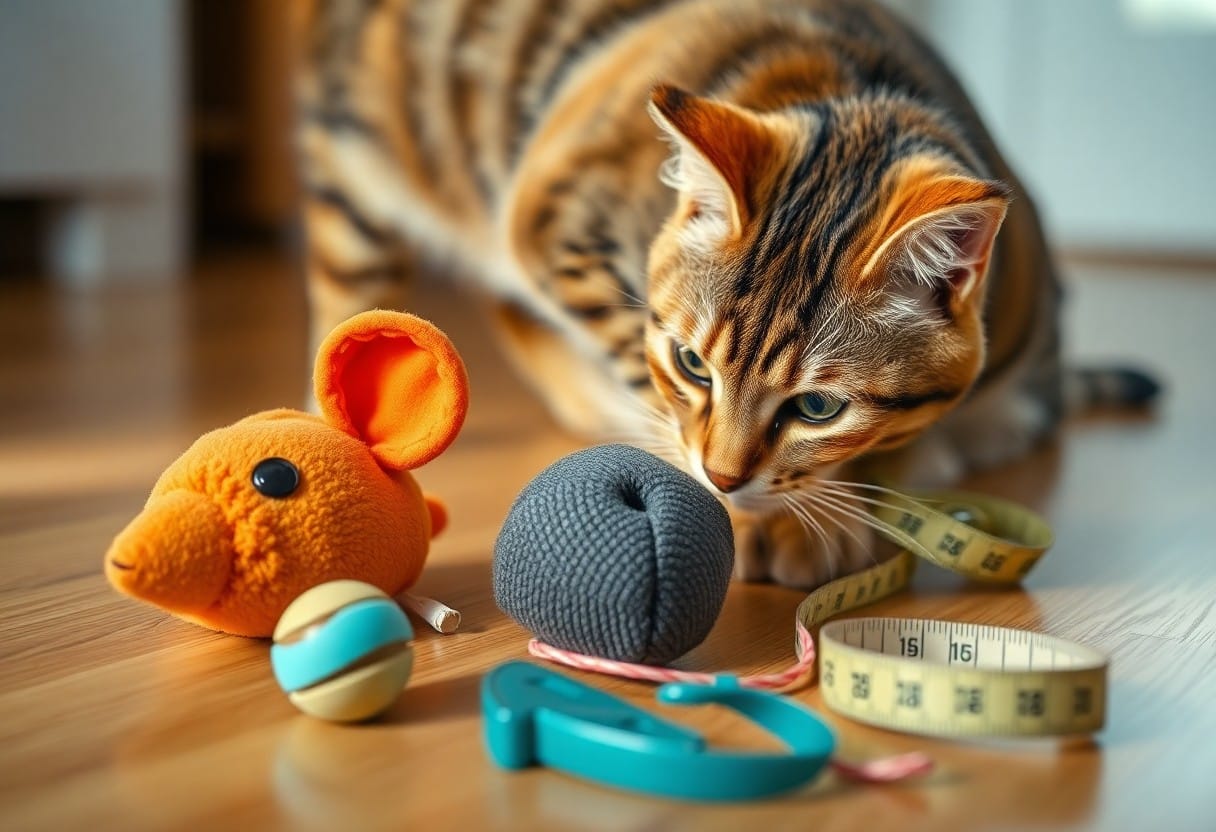
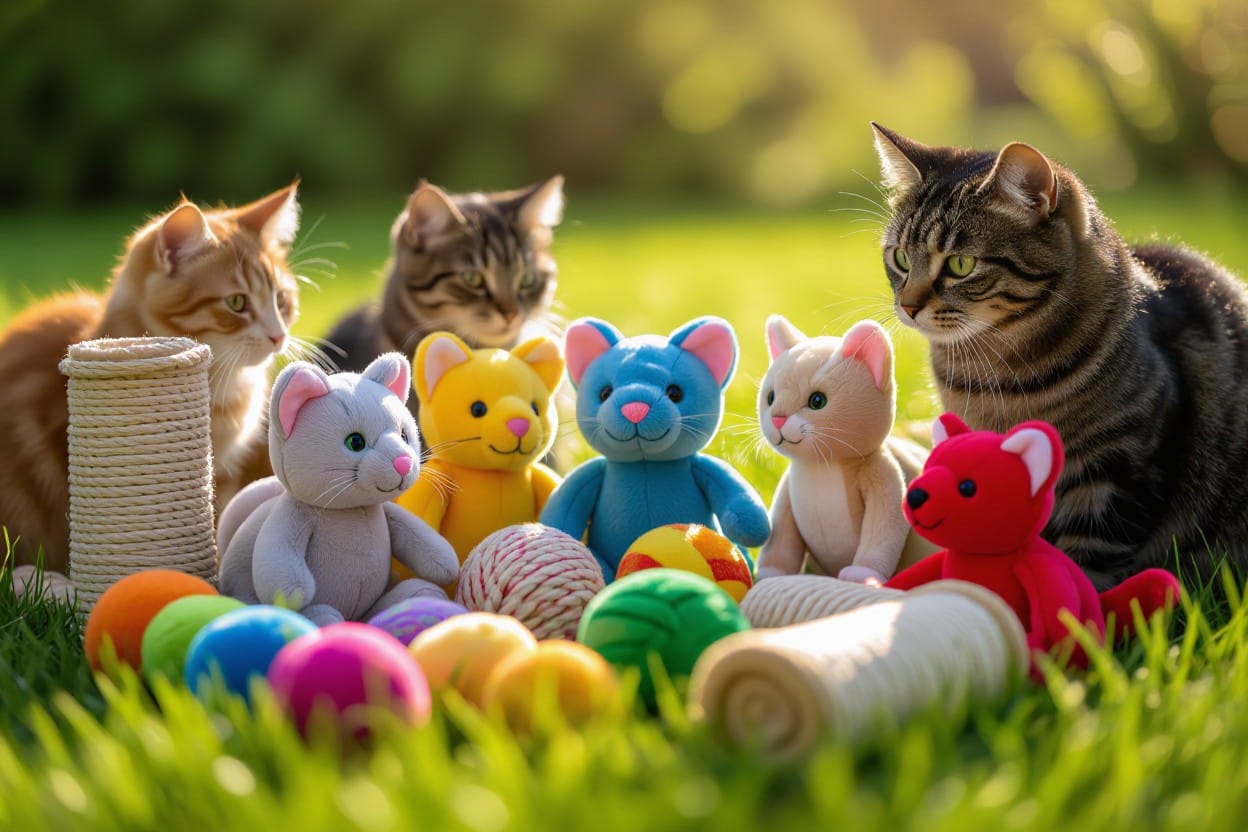
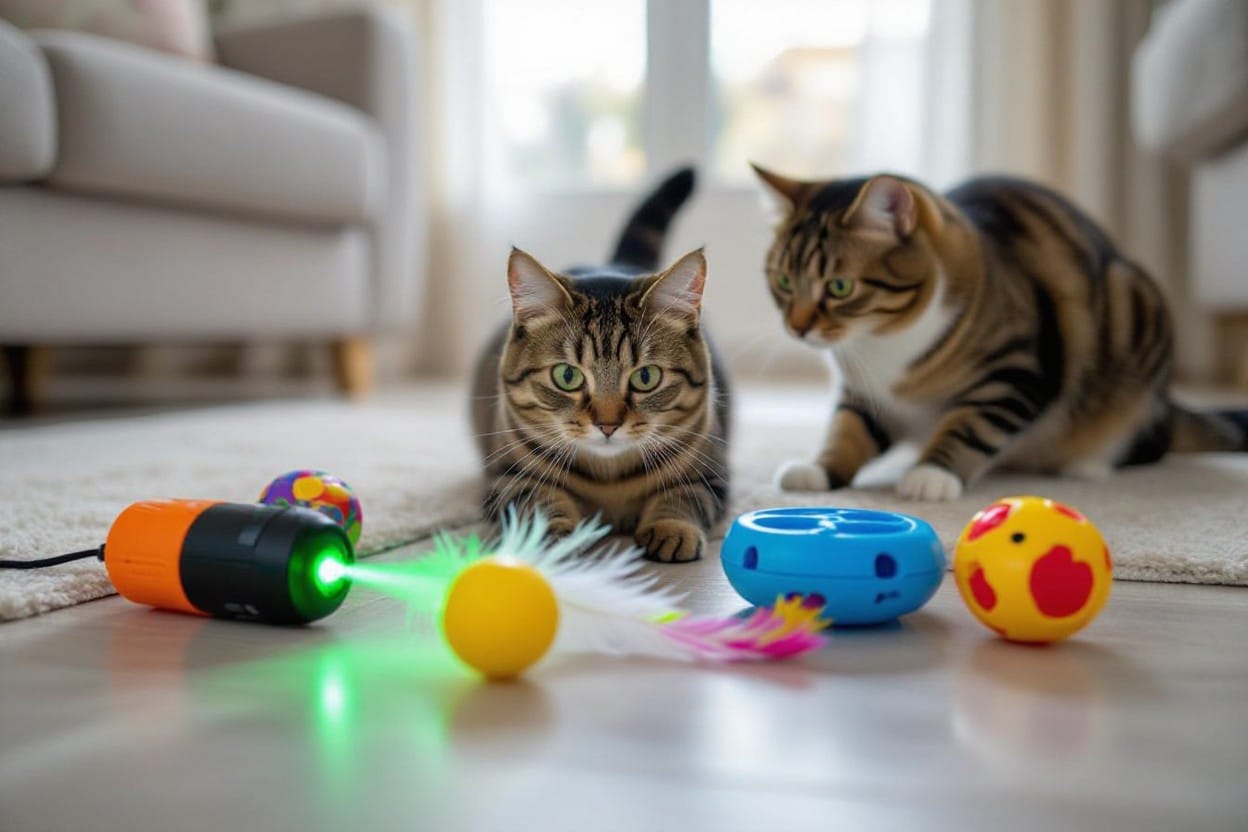
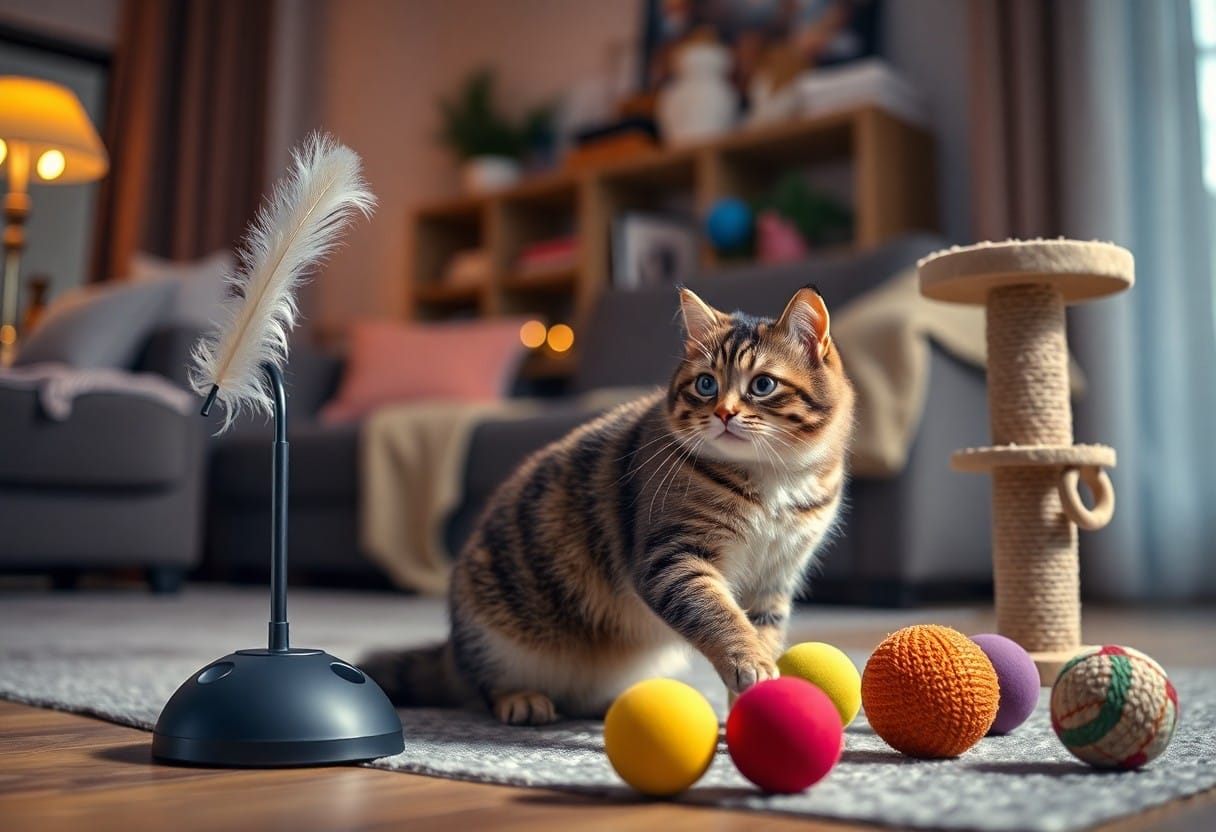
Identify the type of toy that fits your cat: stuffed mice and pillows for independent play, wand or interactive toys for shared exercise, refillable pouches for long-term value, and sprays to refresh existing toys. Consider alternatives like silvervine or valerian if your cat is unresponsive to catnip.
Check the catnip itself for potency and purity. You want fresh, tightly sealed material labeled organic or at least non-toxic with no added chemicals or strong perfumes. Loose leaf usually gives a stronger reaction than weakly scented stuffing, and refillable toys let you replace the catnip when it loses potency.
Inspect construction for durability and safety: sturdy seams, quality fabric, and no small parts or loose threads that your cat could swallow. Avoid long strings or ribbons unless you intend to use them only while supervised. Prefer washable fabrics and toys with replaceable inserts to keep hygiene simple.
Match toys to your cat’s age and health. Kittens under a certain age may not respond to catnip; older or dental-sensitive cats may prefer softer, chew-safe toys. If your cat has respiratory issues or allergies, choose low-dust or sealed options and consult your vet before introducing potent products.
Store and maintain toys to preserve potency and safety: keep loose catnip in an airtight container in a cool, dark place, wash washable toys regularly, and replace heavily chewed items. Refresh refillable toys every few months or when the scent fades.
When buying, read reviews, choose reputable brands, and start with a single toy to test your cat’s response. If your cat overindulges or becomes overstimulated, swap to milder options or shorter, more frequent play sessions. With attention to material, construction, and catnip quality, you can pick toys that are safe, engaging and tailored to your cat’s needs.