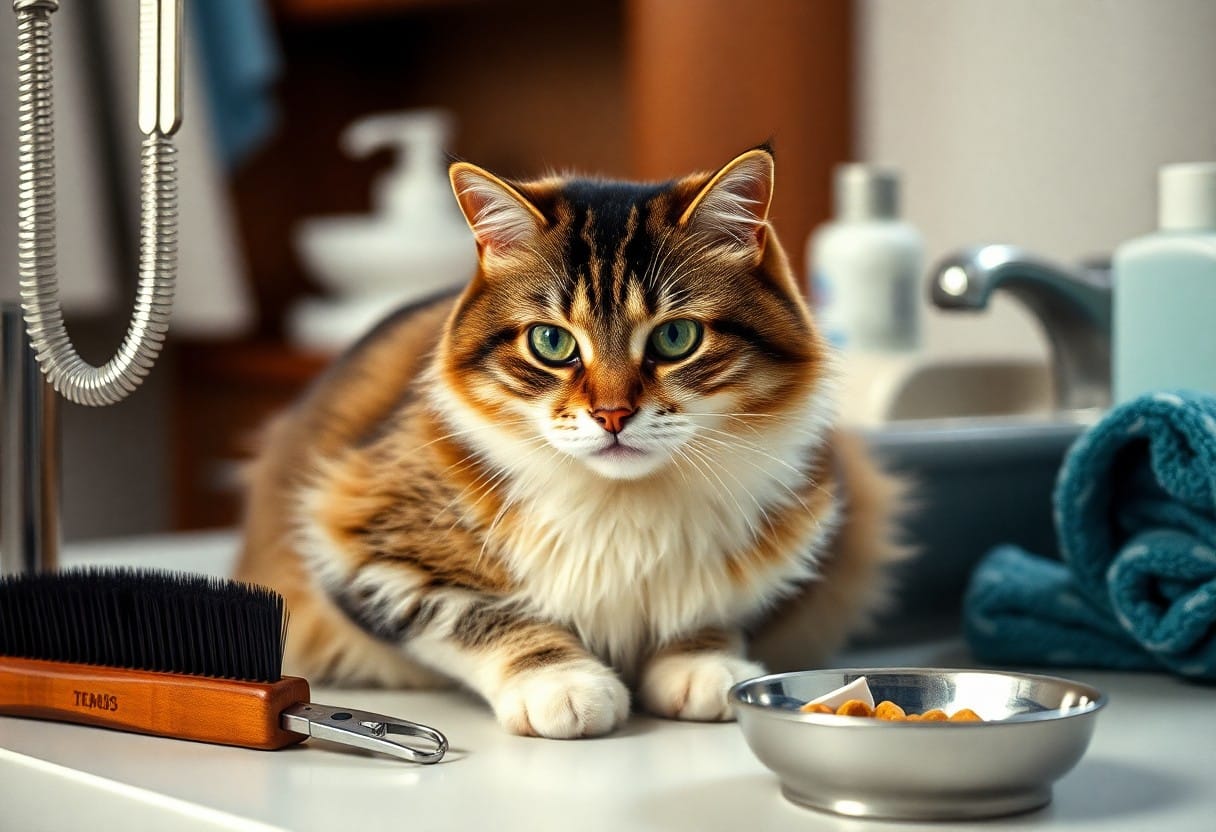
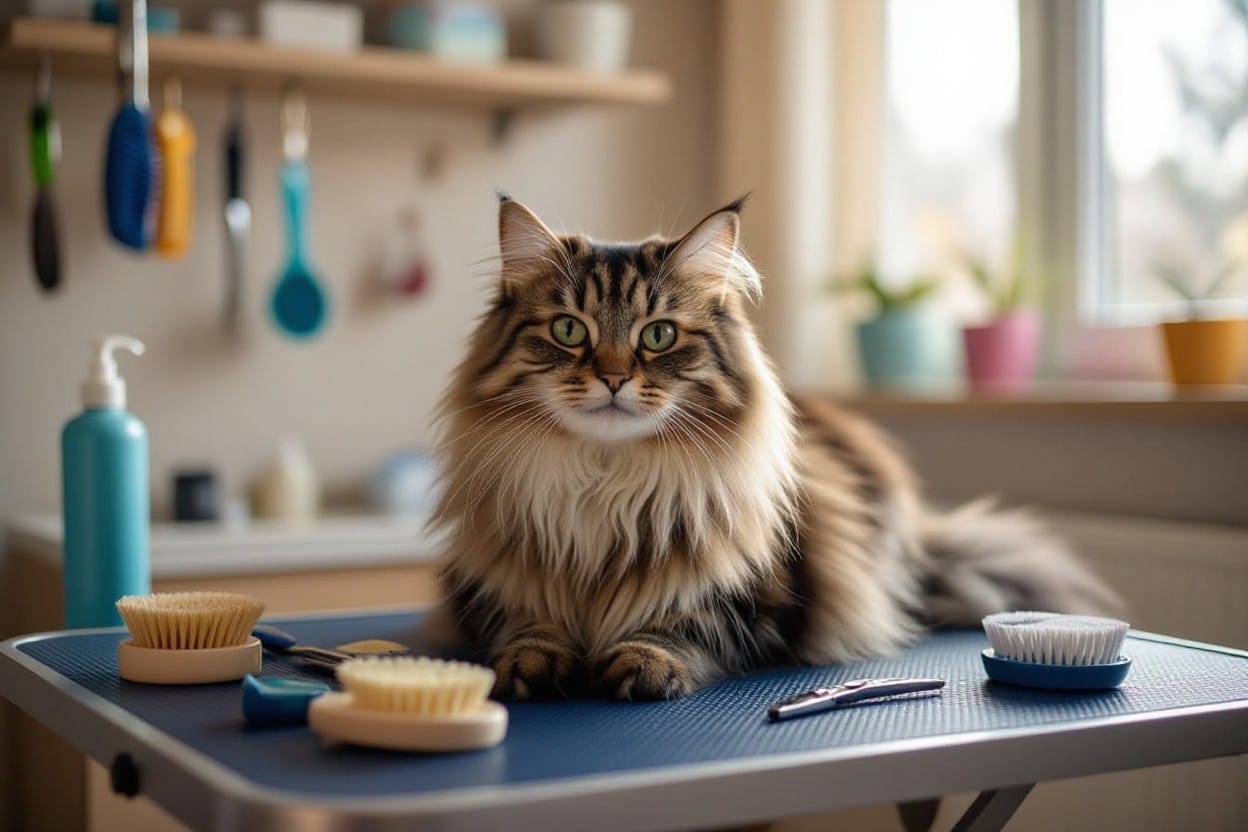
Grooming your cat at home builds trust and keeps their coat healthy. Start with short sessions so your cat associates grooming with positive experiences.
Tip 1: Use the right brush for your cat’s coat type. Short-haired cats need a slicker or rubber brush; long-haired cats benefit from a wide-toothed comb and a slicker.
Tip 2: Brush regularly to reduce shedding and hairballs. Aim for several times a week for long coats and at least once a week for short coats.
Tip 3: Trim nails carefully using a cat nail clipper. Cut small amounts and avoid the quick; if your cat resists, practice handling paws daily without clipping first.
Tip 4: Clean ears gently with a vet-approved ear cleaner and cotton ball. If you see foul odor or heavy debris, consult your veterinarian.
Tip 5: Brush your cat’s teeth with a feline toothbrush and toothpaste to prevent dental disease. Start slowly and reward progress with treats or praise.
Tip 6: Bathe only when necessary using cat-safe shampoo. Most cats groom themselves well; use a shallow tub, warm water, and calm reassurance if bathing is needed.
Tip 7: Check skin for parasites and irritation. Fleas, ticks, and bald patches need prompt attention and often veterinary treatment or topical preventives.
Tip 8: Create a calm grooming space with soft lighting and minimal noise. Use treats, a familiar blanket, or gentle petting to help reduce stress during sessions.
Tip 9: Keep a basic grooming kit: brush, comb, nail clippers, ear cleaner, toothpaste, and styptic powder for accidental nicks. Store items where you can access them quickly.
Tip 10: Monitor overall health during grooming. Changes in coat condition, lumps, or behavioral shifts should prompt a veterinary check to rule out underlying issues.