Why Structured Play Is Absolutely Critical in Those First 6 Months
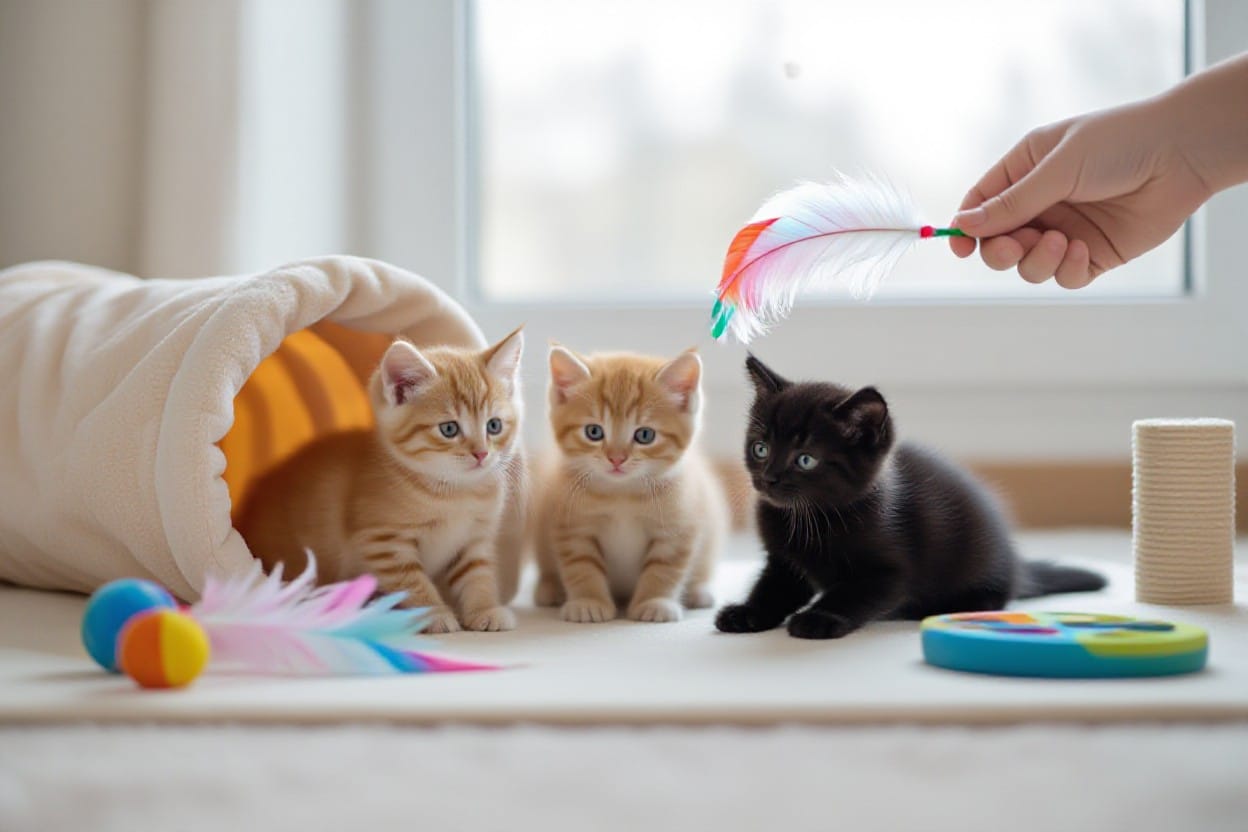
You toss a wand toy across the living room and watch your kitten stalk, pounce, and shake the faux-prey like it’s practice for real hunts – that’s not just cute, it’s training. Short bursts of play – 5-10 minutes, 3-4 times a day – teach stalking, timing and impulse control while also burning energy so they sleep better. And if you skip that, you risk boredom-driven bites or night crazies; structured play builds both hunting skills and calmer behavior.
The Building Blocks of Kitten Development
When your kitten bats a crumpled paper ball or hides in a box, they’re rehearsing the hunting sequence – stalk, chase, pounce, kill – in bite-sized chunks. Between about 4 and 12 weeks they rapidly refine these actions, plus motor coordination and object permanence, so use toys that encourage chasing, mid-air jumps and ambushes. Try wand toys, small balls and safe prey-like toys; object play directly trains predatory patterns and hand-eye coordination.
How Play Shapes Their Personality
You notice the shy kitten that gets daily interactive sessions starts to approach visitors more readily – play adjusts temperament. Regular, varied play reduces fear responses and channels frustration into appropriate outlets, while roughhousing with you or littermates teaches bite inhibition and social cues. So, play isn’t just exercise; it’s the workshop where personality traits like boldness, patience and tolerance get tuned.
At a rescue you can spot the difference: kittens who grew up with structured play are quicker to adapt to new people and less likely to escalate during handling. Use role-play with toys to teach patience – make them wait, earn the catch – and rotate toys every few days to prevent habituation. Also, redirect hunting energy to toys not hands, and you shape persistence and calmness at the same time.
Are You Missing Out on Key Growth Opportunities?
If your kitten spends most time solo with a bell ball, they might miss critical lessons in timing and social feedback. You want them exposed to varied prey-simulations and short social games so they learn bite control, play inhibition and how to take turns. Aim for interactive sessions plus environmental enrichment; otherwise you may face more nipping, stalking furniture or night activity.
When your kitten starts pouncing on ankles it’s a sign: you skipped training their outlet. Fix it with scheduled hunt-sessions using wands, puzzle feeders to work for food, and climbing shelves to practice vertical leaps. Vary speed, angle and toy type so they don’t get bored. And never use your hands as a toy – that mistake teaches targetting you instead of toys and leads to long-term problems.
How Kittens Actually Learn Through Play – Chasing, Pouncing, Wrestling
Play is your kitten’s hunting and social classroom. Object play shows up around 3-4 weeks and intensifies through 4-6 months, when pouncing, chasing and wrestling refine coordination, timing and bite control. You should run short sessions – 5 to 10 minutes, several times a day – and use toy prey to teach stalking and release. Don’t use your hands as toys, and swap in wand or ball toys to keep hunting instincts healthy without encouraging biting.
Play Behavior Basics You Should Know
Kittens use three main play modes: object, social and locomotor. Object play (feather wands, balls) builds stalking and pounce accuracy; social play with littermates teaches bite inhibition and role-taking; locomotor bursts (zoomies) sharpen endurance and balance. You might see 3-4 minute ambushes followed by flops and naps. Watch for overstimulation signs – tail flicks, flattened ears – and pause before things escalate.
The Importance of Socialization in Play
Social play teaches manners you’ll thank your future cat for. Between roughly 2 and 12 weeks your kitten learns to inhibit bites, read body language and tolerate handling; play with gentle peers or you helps build confidence. If a kitten misses that window it can show fear or roughness later, so structured, positive interactions now pay off big time. Encourage soft mouthing and stepping back when they bite.
Practical socialization looks like short, supervised sessions with people and safe littermates. Aim for multiple brief interactions daily, let the kitten initiate contact, and use toys to model appropriate play. If you have other pets, introduce through scent first, then parallel play with separate toys before face-to-face wrestling; that staged approach reduces fights and builds trust fast.
What Your Kitten’s Play Style Says About Them
Your kitten’s favorite game reveals their personality and prey drive. A kid who chases everything likely has high prey motivation and will love wand toys; a pouncer-stalker prefers ambush-style toys and boxes; a wrestler that goes straight for neck grabs may need more social practice. You can read energy levels and social confidence by whether they seek you for play or prefer solo object games.
Use play style to tailor training and enrichment. For obsessed chasers give fast-moving toys and fetch drills; for stalkers add tunnels and hiding spots; for wrestlers practice gentle inhibition with toy redirection and time-outs. And if play gets rough, stop and swap to interactive toys so you shape the behavior without squashing their instincts.
My Favorite Age-By-Age Game Ideas – From Tiny Kittens to Feisty Furballs
Game Ideas for 0-8 Weeks: Easing Into Play
Compared to older kittens, 0-8 week play is soft and sensory-focused, not wild pouncing; you should offer brief, gentle handling, warm towels, and tiny crumpled-paper “prey” for pawing to build coordination. Aim for short 1-3 minute sessions several times a day, use a soft feather or cloth for light stalking practice, and always supervise close-contact play to avoid entanglement with loose threads or small parts.
Fun and Engaging Activities for 2-3 Months: Let the Games Begin!
Unlike the sleepy newborn stage, 8-12 weeks is when your kitten goes full-on explorer – you’ll use wand toys, paper balls, and tiny tunnels to sharpen stalking and pounce timing, 5-10 minute bursts multiple times daily; play isn’t just fun, it’s training for hunting and social cues, so teach gentle grabs and controlled release, and keep high-energy sessions interactive to prevent boredom and bad habits.
Compared to earlier weeks, at 2-3 months your kitten’s object play spikes and you can start simple training – try target-touch with a clicker and tiny treats, fetch with soft toys, and hide-and-seek with boxes to build problem-solving. Do 3-5 short sessions a day, switch toys every few days to keep novelty, and mix in interactive toys that mimic prey movement. Supervise all string and small-toy play.
Exploration and Adventure for 4-6 Months: Testing Their Limits
Compared to younger kittens, 4-6 months is full throttle – they jump higher, run faster, and test boundaries, so offer climbing shelves, puzzle feeders, and chase games that redirect hunting drive into safe outlets; keep sessions 10-15 minutes, rotate challenges weekly, and watch for overstimulation or rough mouthing, trimming nails and pausing play when necessary to teach limits.
Compared to the playful chaos before, this phase needs structure: add vertical routes, window perches, and timed puzzle feeders to channel energy and reduce destructive exploration. Use fast-moving wand sessions followed by calm retrieval or grooming to teach self-control, and introduce supervised leash harnessing if you want safe outdoor enrichment. Keep dangerous items out of reach – no dangling cords, elastic bands, or swallowable bits – and provide daily outlets so your kitten learns to hunt with toys, not your hands.
Supervise all high-energy play and remove hazards immediately.
Safe Play Rules You Can’t Ignore – Protecting Your Little One
You want play to build hunting skills and social manners, but safety has to come first. Keep sessions short – 5-10 minutes for 0-6 month kittens – and always supervise; small parts, elastic strings and button batteries are immediate hazards. Rotate sturdy wand toys, soft plush mice and crinkle balls sized >2 inches, and check toys weekly for loose pieces. If you see sudden aggression or swallowing, stop and act fast – prevention beats a vet visit every time.
Hands vs Toys – What’s the Right Choice?
Hands feel cozy but toys win for safety; if you let your hand be the moving “prey” you risk teaching hard biting. Use wand toys, feathers or stuffed mice so your kitten practices stalking and pouncing on objects, which builds real hunting skills. Aim to redirect after one or two gentle nips and give treats for using toys – consistent redirection in the first few weeks cuts down play aggression by a lot. Never use bare hands as targets.
Recognizing Signs of Overstimulation: Is It Time to Take a Break?
Excited pounces are great, but when tail thumps, ears flatten or pupils go wide you’re at a threshold; those are early red flags. Watch for sudden biting, prolonged growling or sharp swats – those mean your kitten’s had enough. Keep sessions to 5-10 minutes, and if you see hissing or a rapid tail flick, stop play immediately and give space.
In practice that looks like this: you’re waving a wand, the kitten stalks, then its tail starts lashing and it snaps – pull back. Remove the toy, let it calm for 10-20 minutes, then try one short gentle session later. Over time you’ll learn each kitten’s tolerance – some reach threshold in 3 minutes, others in 8 – so adapt frequency to 3-4 short plays per day rather than one long romp.
Setting Boundaries: Avoiding Potential Hazards
Open-floor chaos invites trouble – you need a controlled play zone. Tuck away strings, ribbons, rubber bands and anything smaller than a quarter; secure windows and keep battery toys supervised. Choose toys labeled for kittens and toss anything with loose seams or exposed stuffing. Highlight the big risks: small parts, elastic strings, and button batteries are non-negotiable no-go items.
Think through real scenarios: if a kitten swallows a string don’t pull on it – that can damage the gut, instead call your vet. If you suspect button battery ingestion, act fast – chemical burns can start in a couple hours, so go to emergency care immediately. Prefer safer options: wand toys, 2+ inch crinkle balls, and puzzle feeders – they train hunting and avoid many hidden hazards.
Indoor Games for Those Rainy Days or Tiny Apartments
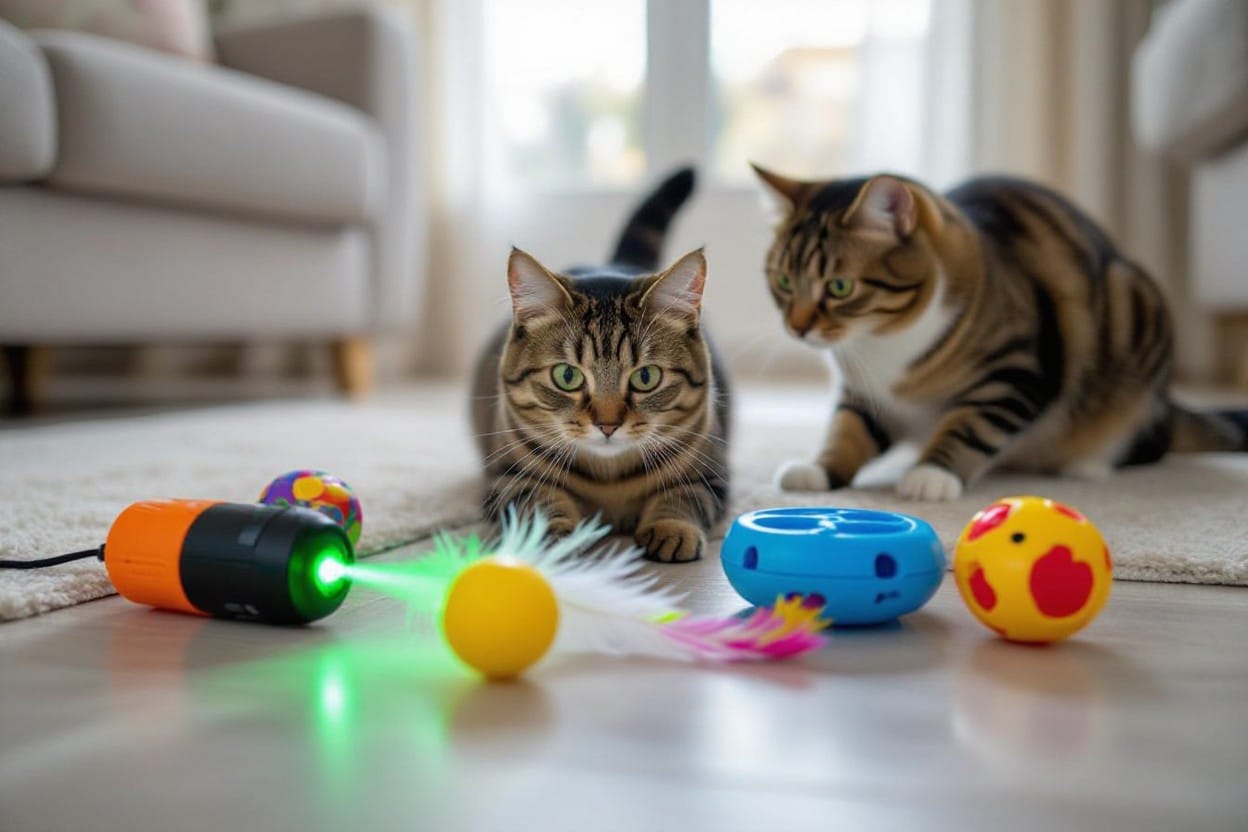
A recent trend is more people adopting kittens in apartments, so you’ve probably noticed indoor enrichment gear everywhere – which is great because you can train hunting and social skills without a yard. Use short, frequent sessions (5-10 minutes, 3-4 times daily) to mimic natural stalking and pouncing. Try interactive wand play, hiding treats in boxes, or a simple laser-chase for explosive bursts, but always supervise string play. Play builds hunting technique and social confidence while keeping your kitten mentally sharp.
Creating a Fun Environment Indoors
Start by carving out a kitten zone with vertical routes – shelves, a 3-tier cat tree or window perch – and rotate 3-4 toys every 2-3 days so your cat stays curious. Short, goal-focused drills like “stalk the wand then sit for a treat” teach impulse control and hunting sequencing, and you should aim for multiple micro-sessions each day. Watch for chewing or frayed toys and remove anything with small detachable parts that pose a choking hazard.
Creative Ways to Use Household Items for Play
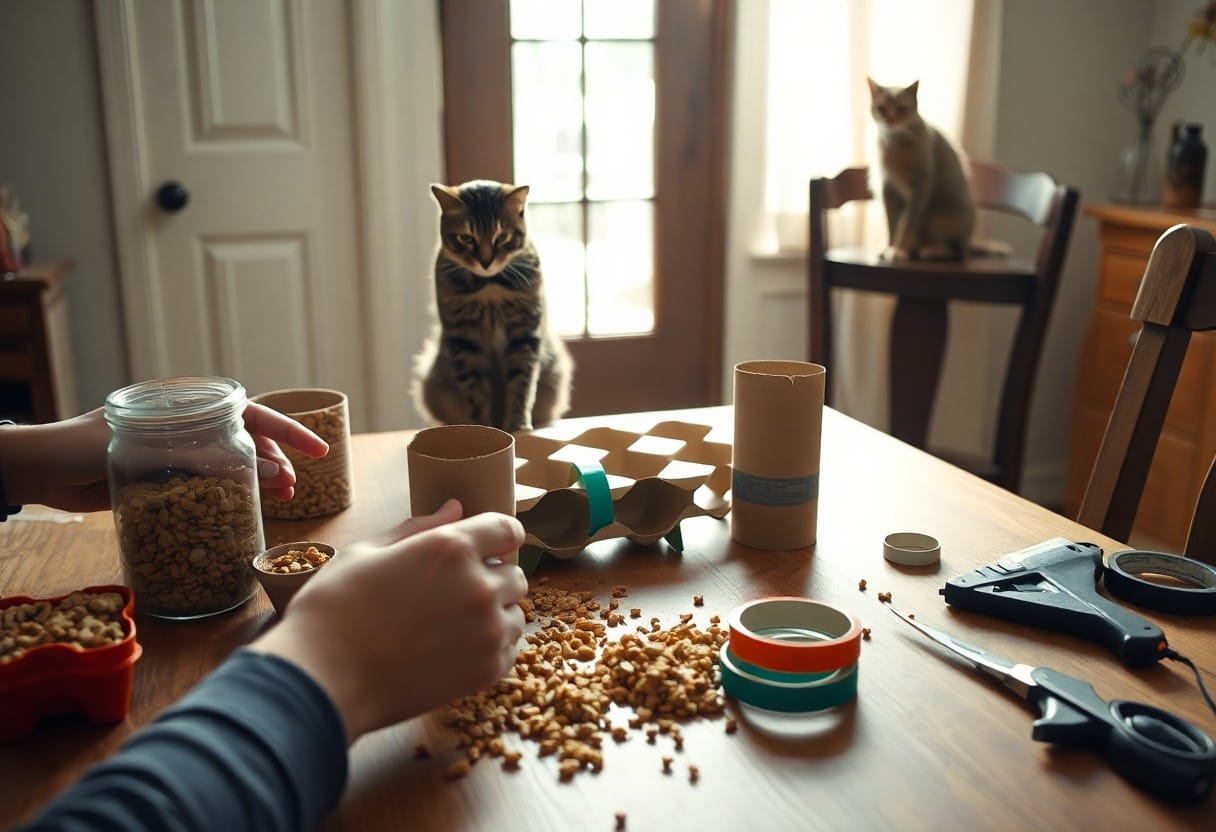
Crumbled paper, a paper bag with handles clipped off, empty toilet-paper rolls and a muffin tin with a few treats make brilliant DIY toys – low cost, high interest. You’ll get pounces, batting and object play that hone targeting, and it’s easy to swap difficulty by adding covers or sliding treats under cups. Keep a close eye on elastic bands and string; those are strangulation and ingestion risks.
One simple setup: put 3-5 small treats under plastic cups or inside a cardboard roll, then hide them across a room to force stalking and nose work. You can ramp it up by increasing the number of cups to 6-8 or timing the session to encourage faster strikes. Use a muffin tin and ping-pong balls to make a pop-out puzzle, but always check for loose bits after play and supervise the whole time.
Keeping the Fun Alive When Space is Limited
When square footage is tight, think vertical and timed: install a 2-3 shelf climbing route and run 3-5 minute chase sessions up and down stairs or along a hallway to burn energy without needing a big room. Rotate toy types – puzzle feeders, feather wands, crinkle tunnels – so your kitten practices different hunting skills. Make sure window screens are secure; an excited leap can turn into a fall risk if you’re not careful.
Try a daily routine: 2 quick clicker-training drills, a 5-minute high-energy wand sprint, then a slow puzzle-feeder for winding down. You can simulate a full hunt sequence in under 15 minutes, multiple times a day. Use low-profile shelves 12-18 inches apart so your kitten can hop safely and avoid placing breakables near landing spots.
How to Keep Your Kitten Engaged – Tips for Lasting Playtime Fun
When your kitten suddenly goes from zoomies to loaf-mode, try short bursts: 5-10 minute sessions, 3-4 times a day, mimicking real hunting spurts; you’ll notice sharper pounces and faster recall when you call playtime. Rotate toys every few days and mix in scent or sound changes to keep novelty high, and always supervise string or small-part toys to avoid swallowing hazards. The short, frequent sessions that mimic hunting bursts build skills and stop boredom.
- games to play with kittens
- fun games for kittens
- object play in kittens
- benefits of play for kittens
Mixing Up Playtime: Variety is the Spice of Life
When my neighbor’s kitten ignored plush mice for weeks then fell in love with a squeaky ball, I got curious – you’ll see that too. Swap textures (feather, foam, crinkle), alternate interactive chases with stalking games, and keep 6-8 toys in rotation so nothing gets stale. Try changing the play surface once a week – carpet, paper, tile – it alters how toys move and sharpens your kitten’s tracking and pounce timing.
Using Interactive Toys: What Works Best?
After gifting a wand to a shy kitten, she came alive – you’ll often find motion is the trick. Best picks: wand teasers for stalking practice, puzzle feeders that stretch mealtime into 10-20 minute hunts, and battery mice for short chases; limit laser pointer bursts to avoid frustration and never shine in eyes. Supervise motorized toys and remove anything with small detachable parts to keep play safe.
I once timed a puzzle feeder session that doubled a kitten’s eating time from 3 minutes to 18, and that’s exactly what builds hunting persistence. You can set feeders on a 50-50 kibble/treat mix, vary difficulty weekly, and let motor toys run only 3-5 minutes so your cat doesn’t get overstimulated. Replace worn toys every few months and pick ones with sturdy construction to avoid choking risks.
Getting Creative with DIY Play Ideas
There was a week my living room looked like a treasure hunt after I hid treats in toilet-paper tubes and my kitten went nuts – you’ll love the results. Use cardboard boxes, crumpled paper, muffin tins with tennis balls hiding kibble, and simple wand toys made from ribbon tied to a stick; avoid tape with loose edges and no elastic bands. These cheap setups teach problem-solving and simulate multi-step hunting.
Try layered boxes with escape holes, hide 5-10 tiny treats under cups for a scent-tracking game, or tuck a toy in a rolled towel for ambush practice. Rotate the puzzle complexity every few days and always inspect DIY items for sharp edges or loose staples; swap materials if you spot chewing or wear. These tweaks keep your kitten challenged and socially engaged with you.
Some Factors That Affect Your Kitten’s Playful Nature
- games to play with kittens
- fun games for kittens
- object play in kittens
- benefits of play for kittens
?What makes one kitten pounce nonstop while another naps through your dangly toy? Genetics, early handling, health and the setup of your room all push play style one way or another. For example, a 4-12 week-old kitten hits peak learning and needs lots of short sessions; illness or pain cuts play fast. Watch for overstimulation and signs of illness, and adapt games to hunting and social training. Assume that play is training for both hunting and social skills, so tune activities to those goals.
Breed Differences in Playfulness
?Why does your Bengal attack a laser with military precision while a Persian snoozes beside it? High-energy breeds like Bengals, Abyssinians and Siamese often demand 20-40 minutes of active object play a day and love stalking games; heavier-coated or brachycephalic breeds usually prefer gentler, interactive sessions. You’ll notice breed tendencies in intensity and persistence, so match toys and session length to your kitten’s natural tempo.
The Impact of Socialization on Play Style
?How does early handling actually change the way your kitten wrestles and chases? Kittens handled regularly between about 2 and 7 weeks tend to show more confident, social play and better bite inhibition; isolated kittens may play more roughly or avoid hands. Because play teaches hunting and social rules, your early touch and play choices shape how your kitten practices those skills later.
Start small – even 5-10 minutes of gentle handling and play daily during that window makes a difference. Try supervised play-fights with littermates, then step in to redirect to toys so your kitten learns proper pressure. Avoid rough corrections; instead reward calm play and use toys to channel predatory moves, building both social grace and safe hunting practice.
How Mood and Environment Shape Play Behavior
?Ever wonder why your kitten ignores a toy after loud guests arrive or during midday heat? Mood, noise, temperature and clutter all flip play on or off: stressed or hungry kittens play less, while a calm, warm room at dawn or dusk sees the most stalking. Use short sessions and rotate toys to keep interest high and reduce stress triggers that shut play down.
Schedule two short bursts – say 2×10-15 minutes at dawn and dusk – to match crepuscular instincts and boost hunting practice. Put noisy appliances away, use soft lighting, and swap toys weekly so novelty sparks more chase-and-pounce work; that way you build skills without overdoing it and keep your kitten engaged.
What’s the Deal with Solo Play vs. Interactive Play?
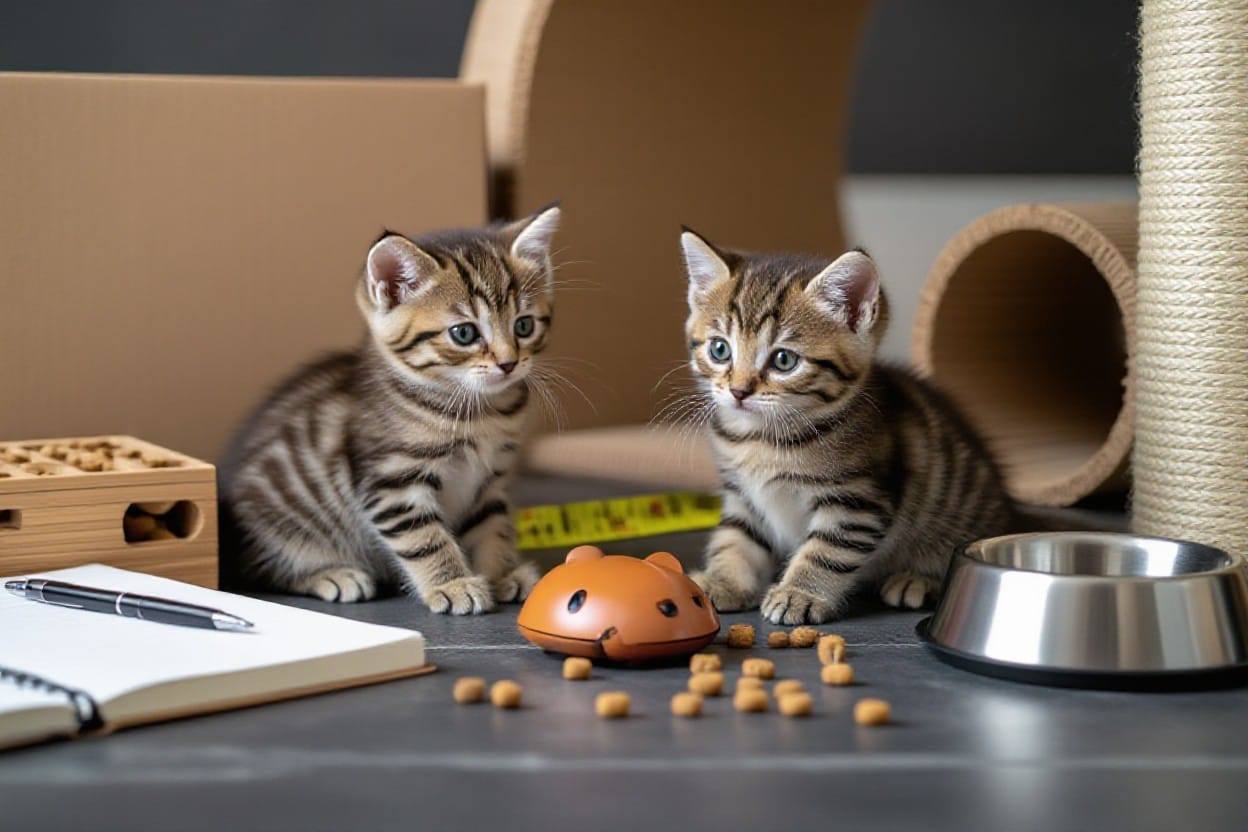
Both solo and interactive play are training ground for hunting and social skills, but they serve different jobs. Solo play lets your kitten practice stalking, pouncing and object manipulation when you aren’t around, while interactive sessions teach you to shape bite inhibition, recall and turn-taking. Aim for short interactive bursts of 5-10 minutes, 3-4 times a day, and leave safe toys or puzzle feeders for 20-60 minutes of independent exploration. Never leave kittens unsupervised with strings, elastic or small parts.
The Benefits of Independent Playtime
Independent play builds raw motor patterns and confidence without you micromanaging every move. Kittens 4-16 weeks ramp up object play, practicing the full hunt sequence – stalk, pounce, capture, shake – which improves eye-paw timing and coordination. Offer rotating toys, cardboard boxes and puzzle feeders so your kitten gets varied challenges; even 10-20 minute solo sessions, 2-3 times daily, make a big neurological difference. Watch out for choking hazards and strings.
When to Intervene: Reading Your Kitten’s Cues
You should step in when play shifts from practice to panic or aggression. Signs include tail-lashing, flattened ears, dilated pupils, hard staring, sudden frantic scrambles, or a sharp bite that breaks skin. Stop interactive play if your kitten shows sustained aggression or extreme fear; most kittens fatigue after 5-8 minutes of high-intensity play. Use a calm pause and a toy redirect to reset the session.
Intervene smartly and teach limits rather than punishing instincts. If a kitten nips, freeze and withdraw attention for 30-60 seconds, then reintroduce a wand toy so they can redirect the bite to an appropriate target. For repeated overstimulation, shorten sessions to 3-5 minutes and add 1-2 minute cooldowns; consistency helps them learn boundaries fast, especially between 8-16 weeks when social learning is rapid.
Balancing Playtime: Both You and Your Kitten Need It
Balance keeps play effective: short, frequent interactive sessions plus plenty of solo opportunities is the sweet spot. You don’t need marathon games; 3 daily interactive sessions of 5-10 minutes combined with puzzle feeders and 30-60 minutes of independent play works well for most 0-6 month kittens. That schedule sharpens hunting sequences, builds stamina, and prevents boredom-driven mischief.
Practical tweaks make balance livable for you and your kitten. Rotate 4-6 toys every 3-4 days, end interactions with a mock “catch” and a small treat to simulate a successful hunt, and never use your hands as toys. If you’re tired, schedule solo enrichment like boxes, crinkly tunnels, or timed treat dispensers so your kitten still gets the practice it needs.

The Real Deal About Kitten Development Milestones – What to Look For
You’re watching a 5-week-old pounce on a feather and wondering which moves are normal and which need attention – that moment tells you a lot. From eyes opening around 7-10 days to coordinated pouncing by about 6-12 weeks, play is literally training for hunting and social skills. Watch for progressive changes in targeting, bite inhibition and social play with littermates; if your kitten shows no interest in object play by 6-8 weeks, that’s a red flag to discuss with your vet.
Key Milestones in Play Development
Picture your kitten in a pile of toys: at ~2 weeks they start rooting, by 3 weeks they attempt walking, and between 3-7 weeks they begin mock-fighting and chasing littermates – prime social learning. By 6-12 weeks stalking, pouncing and object play sharpen, and after 12 weeks play becomes more goal-directed and precise. Use wand toys and small moving targets to build hunting sequences and social inhibition.
How Play Transitions Through the Months
You’re swapping a newborn’s sleepy cuddles for a tiny predator in motion – at 0-3 weeks sensory development dominates, 3-7 weeks brings rough-and-tumble social play, and 8-16 weeks shifts to focused prey-drives and solo object play. Games should move from simple touch-and-chase to toys that require stalking, pouncing and retrieval, because that’s how you teach tracking, timing and bite control.
Imagine scheduling play by age: short 3-5 minute sessions at 2-8 weeks, adding complexity by 8-12 weeks with moving toys and hide-and-seek, then 10-15 minute skill sessions at 3-6 months that mix prey-simulations with problem toys. Try 4 types each day – chasing, pouncing, stalking and puzzle-solving – and you’ll see measurable gains in coordination, confidence and social rules. If play stays one-note beyond 12 weeks, increase enrichment or consult a behavior-savvy vet.
Signs Your Kitten is Ahead of the Curve
You’re watching a 7-week-old not just bat at a string but stalk it like a pro – that’s a sign of advanced development. Early pouncing accuracy, fast orientation to sounds, quick recovery from missteps, and initiating play with humans are all positive signals; kittens that retrieve or solve simple puzzles by 8-10 weeks are showing strong hunting cognition. These traits predict quicker learning for leash-walking, clicker training and safe solo play.
When your kitten is ahead, channel that drive: give more challenging toys, supervised prey-simulations and short daily training – think 5-10 minutes, 3-6 times a day. Provide outlets so high-energy kittens don’t escalate into rough play; use timed sessions, rotate toys weekly, and teach calm-down cues. Too little structure can lead to overstimulation or redirected bites, so keep sessions purposeful and end on a calm note.
Tips for Encouraging Healthy Play Habits
Play is training, not just fun. You should run 3-5 short sessions daily of 5-10 minutes to hone stalking, pouncing and social skills, and rotate toys so your kitten stays engaged; studies show repetition + variety speeds motor learning. Use wands, crinkle balls and small plush prey, but remove anything with choking hazards or loose strings after play and praise calm responses to shape behavior. Thou end sessions on a positive note to teach bite inhibition and reduce overstimulation.
- games to play with kittens
- fun games for kittens
- object play in kittens
- benefits of play for kittens
Establishing a Routine: When and How to Play
Consistency accelerates learning. Aim for morning, mid-afternoon and pre-dinner sessions so you link play to feeding and natural hunting cycles; kittens under 6 months respond best to 5-10 minute bursts, repeated 3-6 times daily. Try fast-chase then slow-capture patterns, switch toys every 2-3 days, and always finish with quiet petting or a treat so your kitten learns calm wins more rewards than roughness – yes, timing matters.
Setting Up Safe Play Zones: Making It Kitten-Friendly
Safety first, freedom second. Clear areas of small parts, string-like items and exposed cords, provide non-slip surfaces and soft landing spots, and keep breakables out of reach so your kitten can practice jumps and pounces without injury; use cat trees and low shelves to train vertical movement while you supervise. You want a space where exploration teaches skills, not danger.
Designate areas with escape routes and clear sightlines. Use baby gates or low barriers to confine play to a room 6×6 ft or larger when unsupervised, stash socks and hair ties in closed bins, cover cords with tubing and anchor heavy items, and place a scratching post and hide box inside the zone. Rotate 3-5 toys weekly and include at least one wand-style toy for interactive sessions – that reduces boredom and redirects prey drive safely.
How to Handle Aggression During Play
Redirect, don’t punish, to teach limits. If your kitten bites or claws you, stop play immediately for 20-30 seconds so they link rough contact with loss of fun; always use toys as proxies for hands, offer a brief timeout and resume with a calmer activity once they settle. Track frequency – if aggressive episodes exceed 2-3 per day, change toy type or session length to avoid overstimulation.
Differentiate overstimulation from fear-based reactions. Watch for tail lashing, flattened ears or sudden vocalizing; if you see those signs pause and give a 10-15 second calm period, then offer a high-value treat when they relax. For persistent aggression consult your vet or a behaviorist, practice short supervised social play with gentle kittens, and reward inhibition consistently so your kitten learns boundaries through positive outcomes.
How Long Should Play Sessions Actually Be?
The Perfect Developmental Timeframe
This matters because matching play length to age helps you train hunting and social skills without burning your kitten out. For neonates and very young kittens (0-8 weeks) keep sessions to 2-5 minutes, at 8-12 weeks aim for 5-10 minutes, and by 3-6 months you can stretch to 10-15 minutes of focused object play. Mix short bursts throughout the day – 4 to 8 mini-sessions is better than one marathon.
Why It’s Important to Keep Sessions Short and Sweet
You need short sessions because kittens get overstimulated fast, and that ruins training: rough play, biting, and fear can start within minutes. Short play teaches stalking, pouncing timing and social turn-taking, so you shape good hunting behavior instead of chaos. Keep things upbeat and predictable so your kitten learns the rules.
Practical tip: use a 1-3 minute chase, then a calm reward like gentle petting or a tiny treat – that reinforces the correct ending. Rotate toys every few minutes to keep novelty high, and if your kitten starts to bite you swap to a toy right away; it’s how you teach boundaries.
Signs It’s Time to Wrap Up
Knowing when to stop matters because catching the signs prevents escalation into fear or aggression. Watch for flattened ears, tail lashing, hissing, prolonged freezing, or hard biting; also if your kitten suddenly ignores the toy for more than 20-30 seconds they’re done. Those cues mean you’ve hit their limit.
When you see those signals, stop play immediately, give a calm 10-20 minute break and offer a quiet place to rest. You can redirect to a chew toy or soft grooming after they cool down, and that helps them link calm behavior with rewards – better hunting skills, less drama.
Are Kittens Naturally Playful or Is It All You?
The Instincts Behind Kittens’ Love for Play
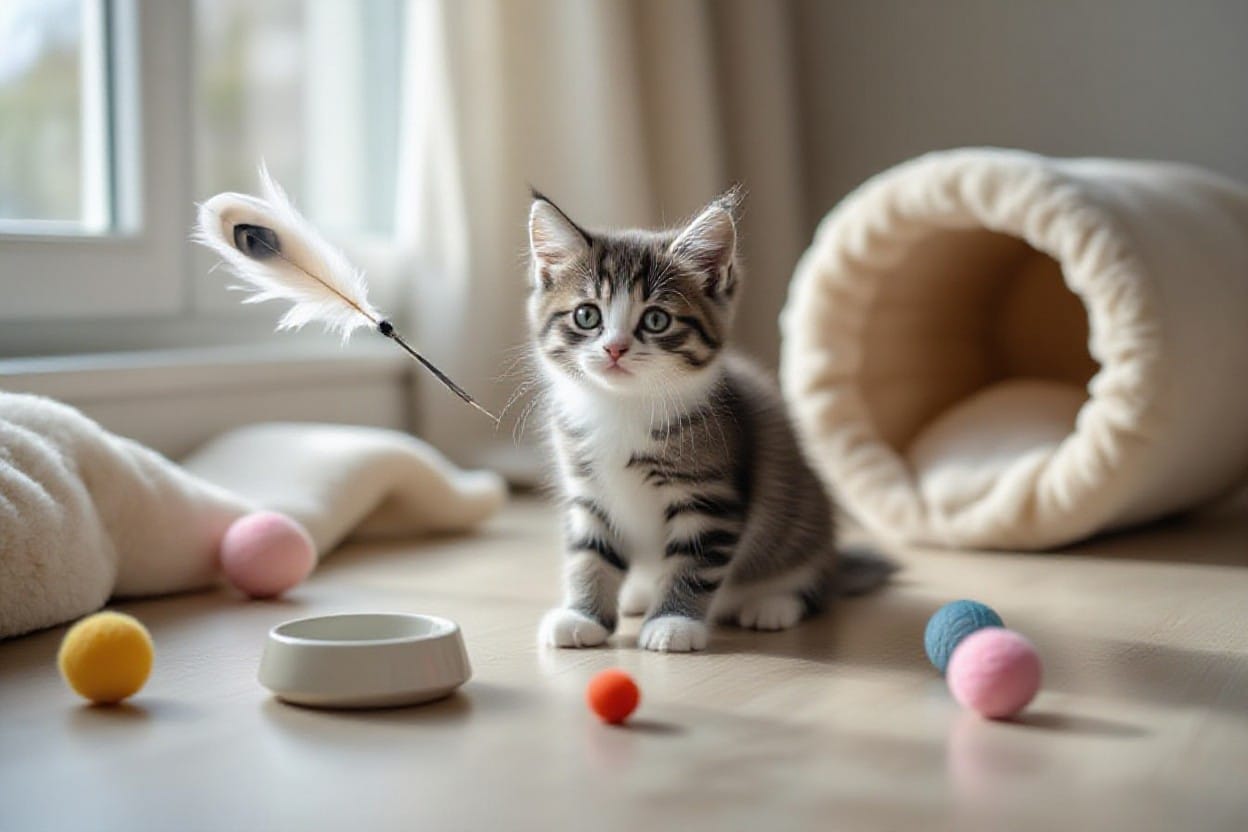
Unlike adult cats, kittens explode into play as a form of practice – it starts around 2-3 weeks and really peaks between 8-16 weeks – and it’s not just cute antics, it’s rehearsal for stalking, pouncing and bite control. You’ll see object play (chasing small toys), social play with littermates (which teaches bite inhibition) and solo zoomies that sharpen coordination. Want specifics? Give them a feather wand for stalking, a crinkly tunnel for ambushes, and expect multiple short bursts each day.
How Humans Influence Playfulness
Compared to genetics, your choices shape how that instinct turns out – toy type, timing and how you respond matter. Short interactive sessions of 5-10 minutes, 3-6 times a day, boost engagement; rotating toys every few days keeps novelty high. Never use your hands as toys, that teaches biting. And yes, your energy level rubs off on them – calm play teaches control, wild play fuels roughness.
Where you place play counts too: floor space and hiding spots let them practice real hunting sequences – stalk, pounce, capture. Try a wand that mimics prey speed, a puzzle feeder to extend chase into foraging, and littermate-style games with another vaccinated kitten if possible. Watch body language closely: dilated pupils, flicking tail or flattened ears mean overstimulation and time to pause. Small, consistent tweaks from you = big gains in hunting and social skills.
Finding That Sweet Spot in Encouragement
Too much encouragement turns play manic, too little and they’ll underuse those hunting lessons – so you aim for rhythm: short high-intensity bouts followed by calm downtime. Let them win sometimes, end sessions before they get over-stimulated, and praise quiet behavior to reinforce control. Sessions of 3-7 minutes, several times daily, usually hit the sweet spot and build skills without creating rough play habits.
If your kitten escalates quickly, redirect rather than scold – remove the toy for 10-30 seconds or swap to a calmer game, then reintroduce. Consistency matters: pause when they bite, resume when they’re gentle, and you’ll teach restraint fast. Avoid forceful corrections – they can create fear – and use short time-outs and rewards instead; many owners see improvement within 1-2 weeks with steady routines.
Play Myths Busted – Don’t Fall for These Common Misconceptions
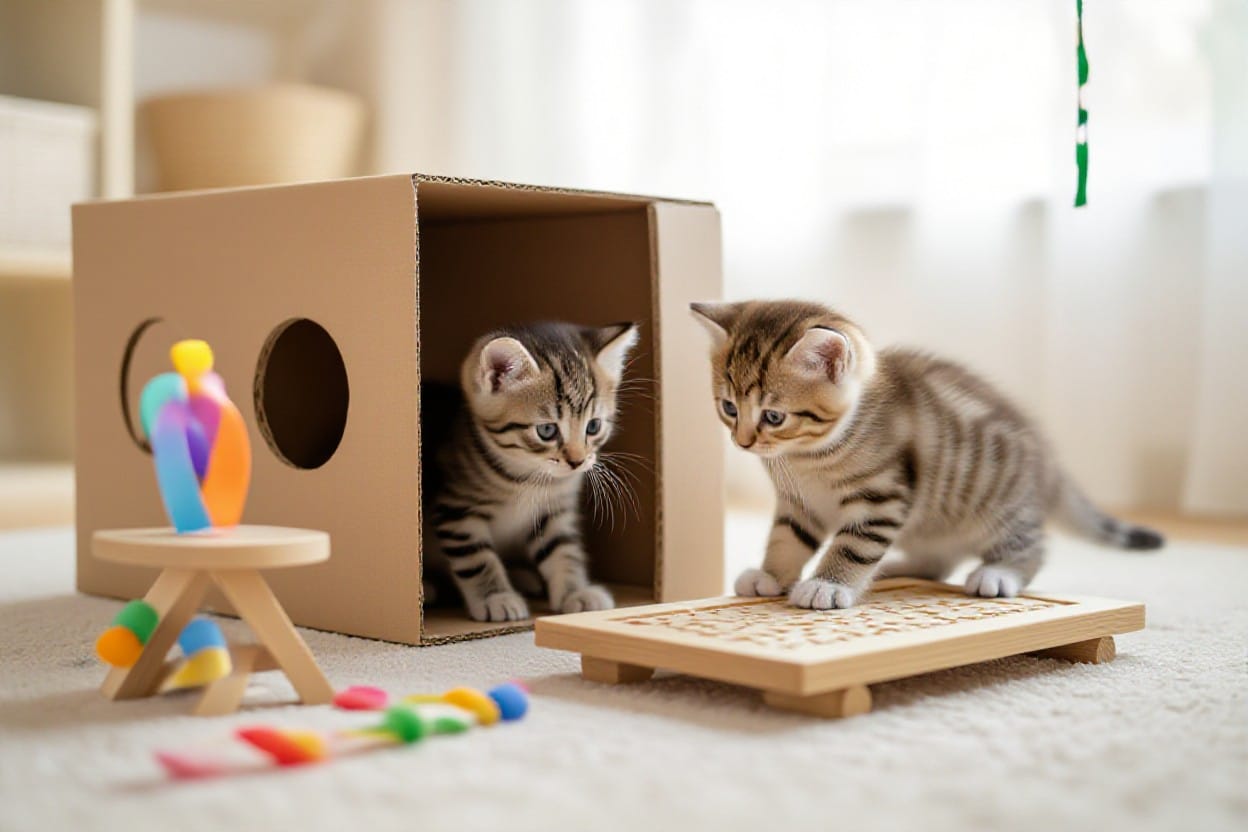
Many folks assume play is just goofing off, but for kittens 0-6 months it’s practice – pouncing, stalking, bite control, and social cues. You should treat games as mini training sessions: short, focused bursts – think 5-15 minutes, 3-5 times a day – that build hunting skills and social confidence. And don’t use your fingers as toys; that one teaches biting. Play builds real skills, and if you ignore that, you’ll get a messy, nippy adolescent cat.
Play as a Distraction: The Truth About Training
People say “use play to distract bad behavior” like it’s a quick fix, but when you do it right play redirects instincts into acceptable outlets. Try a 10-minute chase session right before meals to mimic hunt-eat-sleep and you’ll reduce unwanted pouncing. Use wand toys for stalking practice, fetch for retrieval skill, and end sessions with a treat or kibble so the kitten learns a clear finish line – otherwise frustration can ramp up and lead to biting.
Does More Play Mean a Happier Kitten?
More isn’t always better – quantity without variety can overstimulate a kitten and cause hyper-arousal or aggression. You want multiple short sessions rather than one marathon, and mix object play, solo exploration, and social play with people or littermates. Aim for play that teaches stalking, pounce timing, and bite inhibition; too much high-energy chasing without a calm-down can backfire.
Watch for signs: relaxed body, soft eyes, and voluntary returns to you mean contentment; if the tail thumps, pupils blow up, or ears flatten, stop. Swap a frenzied laser-only session for a feather wand that allows catching, or add a puzzle feeder to slow things down. If your kitten was separated early from siblings, you’ll need to deliberately teach bite inhibition through structured play – longer-term habit shaping, not just random fun.
Other Play Misconceptions You Need to Know
Not all toys are equal and “tough toys” don’t replace guidance; many people think a laser alone is fine, but it can frustrate kittens if they never get to nab anything. Rotate toys every few days, pair chase toys with tangible captures, and avoid letting them chew cords or climb unsafely. Supervised, varied play builds skills and keeps hazards down.
Introduce climbing and vertical spaces safely – a low shelf or cat tree with supervised sessions works better than unsupervised leaps. If your kitten’s the solo-only type, teach social play with scheduled sessions and calm-down routines so they learn to self-soothe. And if you see repetitive obsessive play, swap in interactive feeders or puzzle toys to engage problem-solving rather than endless chasing.
The Bonding Power of Play – Why It’s More Than Just Fun
Like practice hunts in miniature, play trains hunting and social skills while knitting you and your kitten together emotionally. You teach pounce timing, gentle bite inhibition and turn-taking when you choreograph short chase sessions with a wand or feather toy. Try 3 to 6 bursts of 3-7 minutes a day for 0-6 month kittens to build familiarity and a strong bond. Over time they’ll seek you out not just for food but for interaction and guidance.
How Play Builds Trust and Connection
More like a handshake than a lecture, play tells kittens you’re predictable and safe, which builds trust. You can use a wand toy, let them “catch” prey, then pause – that pause teaches control. Short sessions (5 minutes, several times daily) give clear, repeatable cues; kittens quickly learn your movements and voice predict fun. When you stop at signs of overstimulation they learn your limits and respond by approaching you with confidence.
The Emotional Benefits of Shared Playtime
Like mood medicine with whiskers, shared play lowers stress hormones and helps shape social behavior early on. Kittens that get regular human-led play tend to show more approach behavior and less hiding in many shelter studies, and you end up with better emotion regulation and fewer surprise bites at home. It’s training their emotional responses while practicing hunting skills.
Compared with solo toy time, playing with your kitten gives you instant feedback – you can ramp up or back off, teach calm after excitement and reinforce gentle hits. Try a 60-second chase followed by 30 seconds of quiet petting or a tiny treat; that cool-down teaches self-control. Watch pupils and tail flicks – they’re your cue to stop before play gets rough.
Creating Positive Associations Through Play
Like pairing a bell with dinner, using play right after handling or a vet visit turns neutral or scary events into things your kitten expects to be fun. You can follow a nail trim with 2-4 minutes of wand play or give a favorite toy after carrier time; repeat that pairing and you’ll build positive associations fast. Keep sessions short, soft-voiced and consistent.
Rather than forcing calm, pair a single cue – a clicker or the word “play” – with immediate toy action and tiny treats; after 5-8 reps that cue predicts fun. Don’t let your hands be the “prey” because that teaches biting. Keep play bouts brief (30 seconds to 5 minutes), repeat several times a day for young kittens, and if you see flattened ears, dilated pupils or a twitching tail, stop – overstimulation escalates into rough play.
FAQ
Q: What types of games are best for 0-6 month kittens to develop hunting and social skills?
A: Some folks think kitten play is just random pouncing and nonsense, but actually it’s practice for hunting moves and social cues – it’s training disguised as fun. When you’re choosing games to play with kittens aim for motion that mimics prey: wand toys that twitch, small rolling balls, crumpled paper, even a soft stuffed mouse. Mix up pace and pauses so they learn stalking, the burst-swipe-catch sequence, and how to read your cues.
Short bursts beat marathon sessions. 5-10 minutes, a few times a day, fits their attention span and builds skills faster.
End a session with a real catch – hold the toy so they can bite it gently and feel successful. That teaches them to finish the hunt and calms the prey drive, which is one of the biggest benefits of play for kittens.
Q: How should I structure play sessions as my kitten grows from newborn to 6 months?
A: People often assume one routine fits all ages, but kittens develop fast and their play needs shift every few weeks. From 0-4 weeks they’re mostly learning from mum and littermates, so human-led play should be minimal. At 4-8 weeks start gentle supervised object play and short social sessions; at 8-12 weeks bump up interactive chasing and introduce simple fetch or hide-and-pounce; from 3-6 months add complexity – puzzle toys, stealth-play from behind furniture, more varied prey-like movement.
Stop before they get overstimulated – it’s a teachable moment.
Keep sessions predictable in length and timing so they pick up cues and limits. Want them to hunt without getting overexcited? Pace it, pause it, let them succeed. And don’t use your hands as the toy – that’s how they learn to bite people.
Q: What toys and safety tips help maximize development during play?
A: A lot of folks think the fancier or louder the toy the better, but simple toys often teach the most – a feather on a string, a tiny ball, a crinkly pouch, even a cardboard box can do wonders. Object play in kittens should encourage stalking, pouncing and the final capture, so rotate toys to keep things novel and pair laser chasing with a tangible toy so they actually get to catch something.
Always supervise stringy toys and check for loose bits, because swallowing small parts is a real hazard. Wash plush toys now and then, stash anything with frayed stitching, and keep play sessions short but frequent – that builds coordination and social skills without burning them out.
Always end play with a tangible ‘catch’ so the hunting sequence completes.