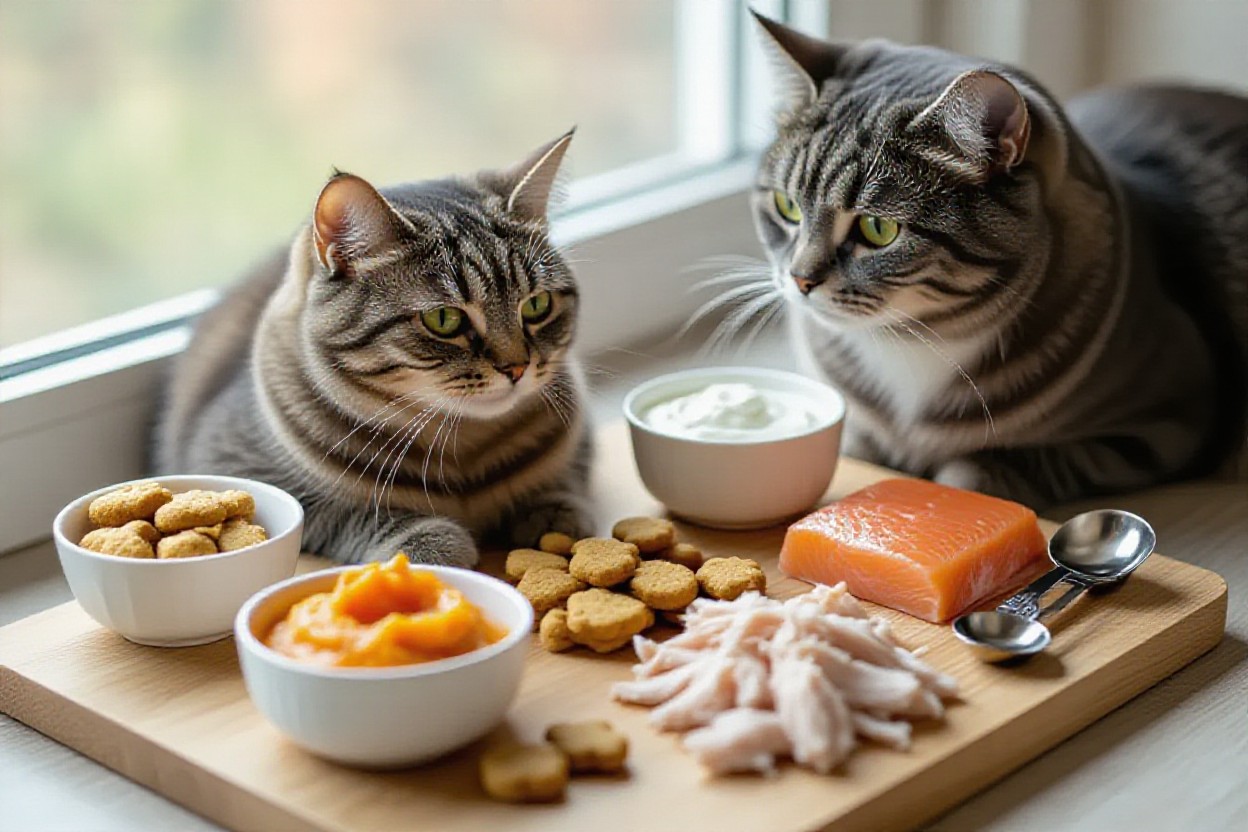
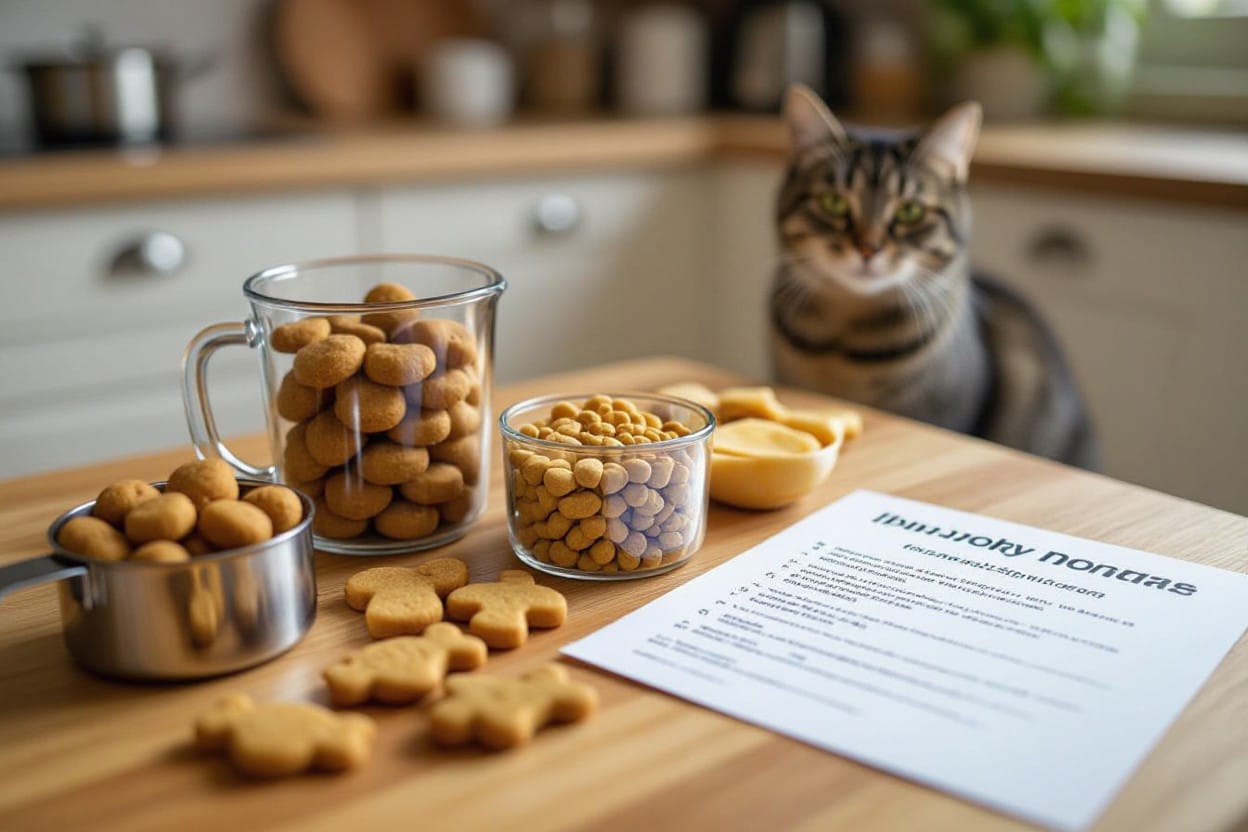
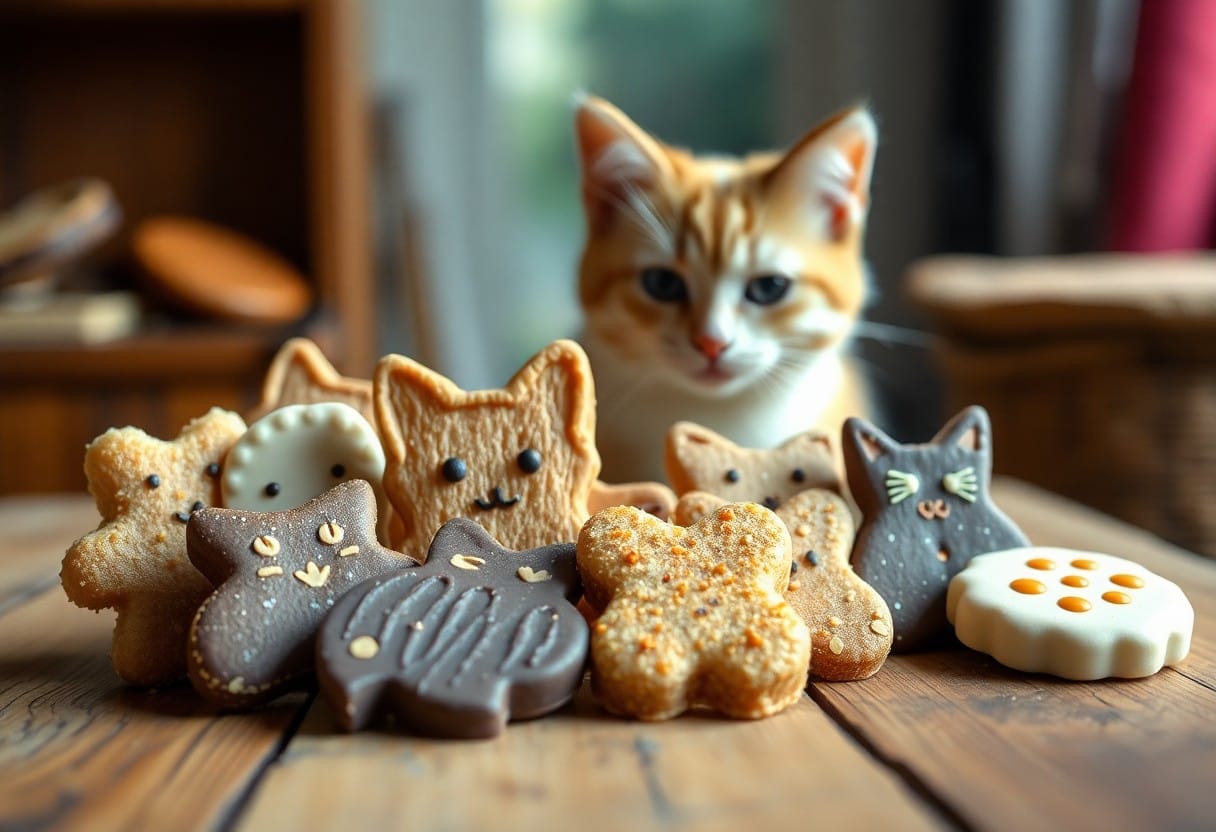
You’ve probably noticed your old timer staring at the food bowl, maybe pawing at it but not diving in like they used to. It’s heartbreaking, right? Usually, it’s not that they aren’t hungry – it’s that crunching down on hard kibble actually hurts their sensitive teeth and gums. Since dental disease affects a huge chunk of seniors, switching to soft, mashable treats isn’t just a luxury, it’s the only way to get those nutrients into their system without causing pain.
Balancing calories to keep ’em spry
Nap time seems to take up about 20 hours of the day now, doesn’t it? Since your indoor senior isn’t zooming up the curtains anymore, their metabolism has hit the brakes hard. Every single calorie counts double now. You really have to watch out for weight gain because carrying extra ounces puts massive strain on arthritic joints, making it even harder for them to move around. Keep the treats tiny and nutrient-dense, avoiding empty fillers that pack on weight without offering health benefits.
Protein: Why it’s a must for your senior cat
Shrinking muscles are a real problem as cats age – you can sometimes feel their spine getting more prominent when you pet them. To fight this muscle loss, your cat needs high-quality, easily digestible animal protein in every bite. We aren’t talking about plant proteins here – they need the real stuff like chicken or liver that their bodies can actually absorb without working overtime. Digestibility is key because their gut just isn’t as efficient as it was ten years ago.
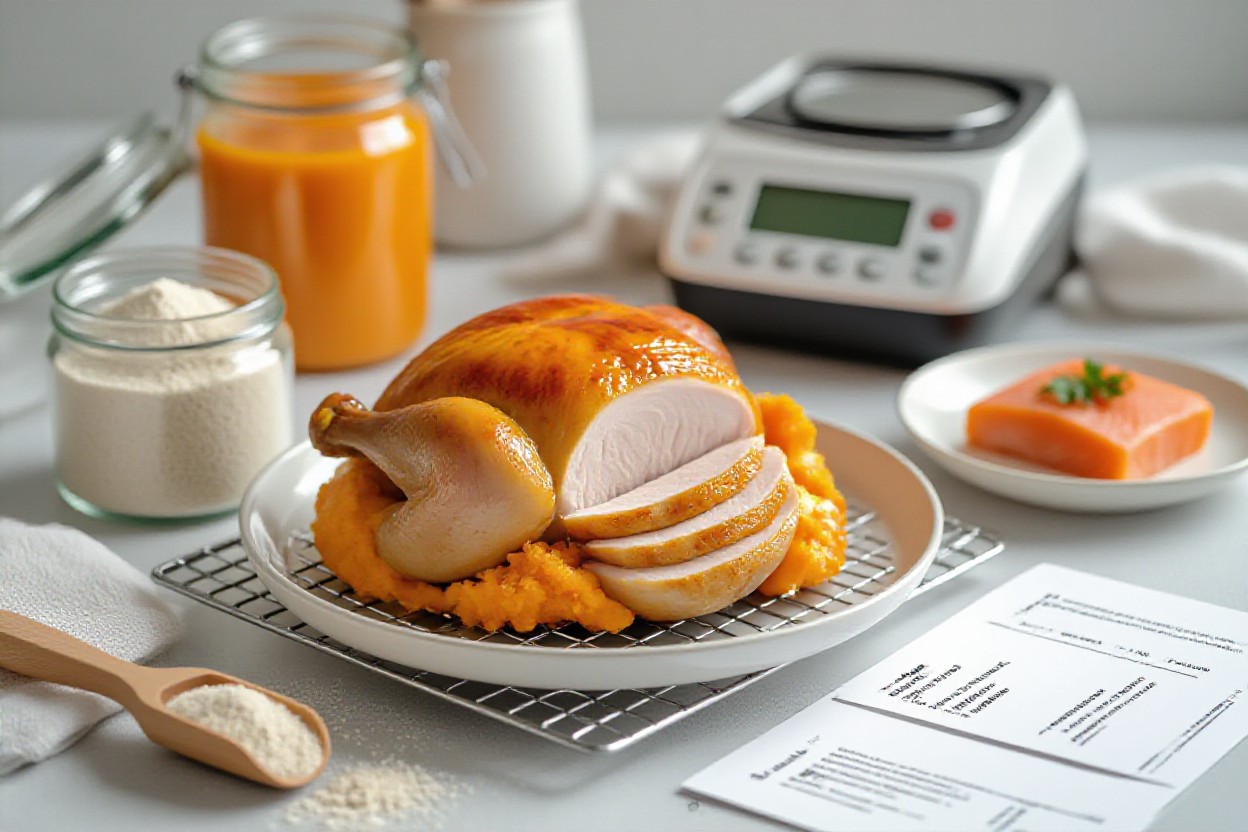
It’s a bit of a tightrope walk though, because while they need that protein to keep their legs strong, you have to be careful about the type of protein if their kidneys are acting up. Cooked egg whites or plain poached chicken are absolute gold standards here because they offer the amino acids needed for muscle repair but are gentle on the digestive tract. By skipping the heavy by-products found in commercial bags, you’re saving their system from processing junk it just can’t handle anymore.
Don’t forget moisture – it’s super important!
You might notice the water bowl stays full all day, and that’s bad news for aging kidneys that are already struggling to filter toxins. Cats have a naturally low thirst drive, so dehydration is a silent threat for seniors. Using wet, broth-based, or jelly-like treats is a sneaky way to hack their hydration levels. It flushes out the system and keeps things moving without forcing them to drink when they don’t want to.
Adding moisture does double duty because it also helps prevent that dreaded senior cat constipation – yeah, nobody likes dealing with that litter box struggle. By incorporating things like unsalted bone broth or water-rich purees into these recipes, you’re imperatively giving them a hydration supplement disguised as a reward. It keeps their stool soft and passable, which makes life way more comfortable for them and way less stressful for you.
The Best Textures & Ingredients for Treats That Actually Work
You’ve probably felt that sinking feeling when you buy a fancy bag of treats, hear the crinkle, and watch your senior kitty sniff it and walk away because it’s just too hard to chew. It’s heartbreaking. For older cats, texture is everything.
You need ingredients that break down easily, like pumpkin or bone broth, which are gentle on sensitive gums and digestion. Stick to soft, pliable consistencies that don’t require strong jaw pressure, ensuring your old friend gets the reward without the pain.
Soft baked goodies: Why they’re a hit
Think about the difference between a biscotti and a fresh muffin – that’s exactly what we’re aiming for here. Soft baked treats retain moisture, making them spongy rather than crunchy, which is a lifesaver for cats with missing teeth or gum disease.
By using wet binders like salmon oil or pureed liver, you create a treat that offers a satisfying resistance but ultimately yields under the slightest pressure. It’s about giving them that “chew” experience without the actual struggle of grinding down hard kibble.
Mousse or lickable treats: The purr-fect choice
Sometimes even a soft chew is too much work for a cat battling stomatitis or severe dental resorption. That’s where mousses shine. By blending proteins like tuna or chicken into a smooth, yogurt-like consistency, you’re bypassing the chewing mechanism entirely.
These are also sneaky vehicles for joint supplements or medication, masking the taste in a savory, hydrating cloud of flavor. You’re basically offering a high-value reward that requires zero effort to consume.
Since kidney function often declines with age, getting extra fluids into your cat is a massive win, and these liquid-heavy treats do exactly that. You can whip these up using unseasoned meat baby food or simply blending their favorite wet food with warm water until it’s soupy. It takes the strain off their digestive system too, as the body doesn’t have to work hard to break down solids. High moisture content helps flush out toxins while keeping them happy – it’s practically a health hack disguised as a snack.
Tiny bite-size pieces: The little things count
Size matters just as much as texture when you’re dealing with an aging esophagus. Large chunks can become choking hazards or cause regurgitation if your cat tries to swallow them whole. Aim for pieces no larger than a green pea or a pencil eraser.
This small surface area allows saliva to break down the treat faster, making swallowing effortless. Plus, keeping pieces tiny helps you control calorie intake, which is vital since indoor seniors burn way less energy than they used to.
Keeping the pieces microscopic means you can treat more often without packing on the pounds. An overweight senior cat puts unnecessary stress on arthritic joints, so you really want to avoid that calorie surplus. By breaking one standard treat into four tiny morsels, you extend the bonding time and the fun without ruining their appetite for dinner. It’s a simple trick that lets you spoil them rotten while keeping their weight management goals on track.
My Top Picks for Soft, Nutritious Cat Treats
While those homemade recipes are fantastic, let’s be real – sometimes you just need to grab a bag off the shelf and go. The absolute most important factor when buying for your senior kitty is the “squish test” – if you can’t easily flatten the treat between your thumb and finger, it’s probably too hard for a cat with dental disease or missing teeth. You want something that requires almost zero chewing effort but still packs enough aroma to wake up those aging taste buds, which tend to dull over the years.
Pre-made options that won’t break the bank
You don’t have to spend a fortune to save your cat’s teeth. The biggest winner in the budget category is undeniably the lickable puree tube (like Churu or generic equivalents), which is basically a treat and a hydration booster in one package. Since kidney issues are so common in older cats, getting that extra moisture into them without forcing it is a massive win. Soft-moist bites found in most grocery stores work too, but check the label – you want to avoid high sodium that could mess with their blood pressure.
Nutritional powerhouse treats you can find on shelves
Functional treats are where the magic happens because they multitask. Instead of just empty calories, you should look for soft chews specifically infused with glucosamine and chondroitin to help those stiff, creaky joints move a little smoother. Many brands now offer “senior support” soft chews that are importantly low-dose supplements disguised as snacks. It’s a sneaky way to help their mobility without the stress of forcing a pill down their throat, and the texture is usually like a soft putty that won’t hurt sensitive gums.
What makes these shelf-stable powerhouses really shine is the inclusion of anti-inflammatory ingredients like Green Lipped Mussel or Omega-3 fatty acids derived from fish oil. Since indoor seniors are prone to arthritis and generally move less, inflammation is the enemy you’re fighting every day. By swapping a standard crunchy biscuit for a soft, nutrient-dense chew, you aren’t just giving a reward – you’re actively managing their pain levels. Just be careful with the serving sizes on these packages since they are nutrient-dense; giving too many can upset a sensitive stomach or pack on weight your inactive senior doesn’t need.
The good stuff you can count on: ingredient breakdowns
Reading labels is boring but necessary because your older cat’s digestion just isn’t what it used to be. You want to see a single-source animal protein listed as the very first ingredient – think chicken liver, salmon, or rabbit – because these are the easiest for an aging gut to process. Avoid long lists of unpronounceable preservatives or heavy grain fillers like corn and wheat, which are importantly junk food that spikes their blood sugar and contributes to obesity without offering any real nutritional value.
Digestibility is everything when the metabolism slows down. That’s why you should keep an eye out for simple additions like pumpkin or sweet potato in the ingredient deck, which provide gentle fiber to keep their bathroom habits regular without being harsh on the system. Since your indoor senior burns way fewer calories napping on the sofa than they did chasing bugs in their youth, every calorie needs to count. High-quality, limited-ingredient treats ensure they get the protein they need to maintain muscle mass without the carb-heavy fillers that lead to a chubby, lethargic cat.
Let’s Get Cooking! Simple Soft Treat Recipes To Try
Making homemade treats gives you total control over texture, which is a lifesaver when 85% of cats over age three have some form of dental disease. You don’t need a culinary degree to whip these up, just a few minutes and some joint-friendly ingredients like glucosamine-rich broth or omega-3 packed sardines. By skipping the hard crunch of commercial biscuits, you’re saving your older cat’s sensitive gums while sneaking in extra hydration they desperately need. It’s mostly about mixing, mashing, and minimal baking to keep things tender.
Easy oven-baked soft treats you can whip up
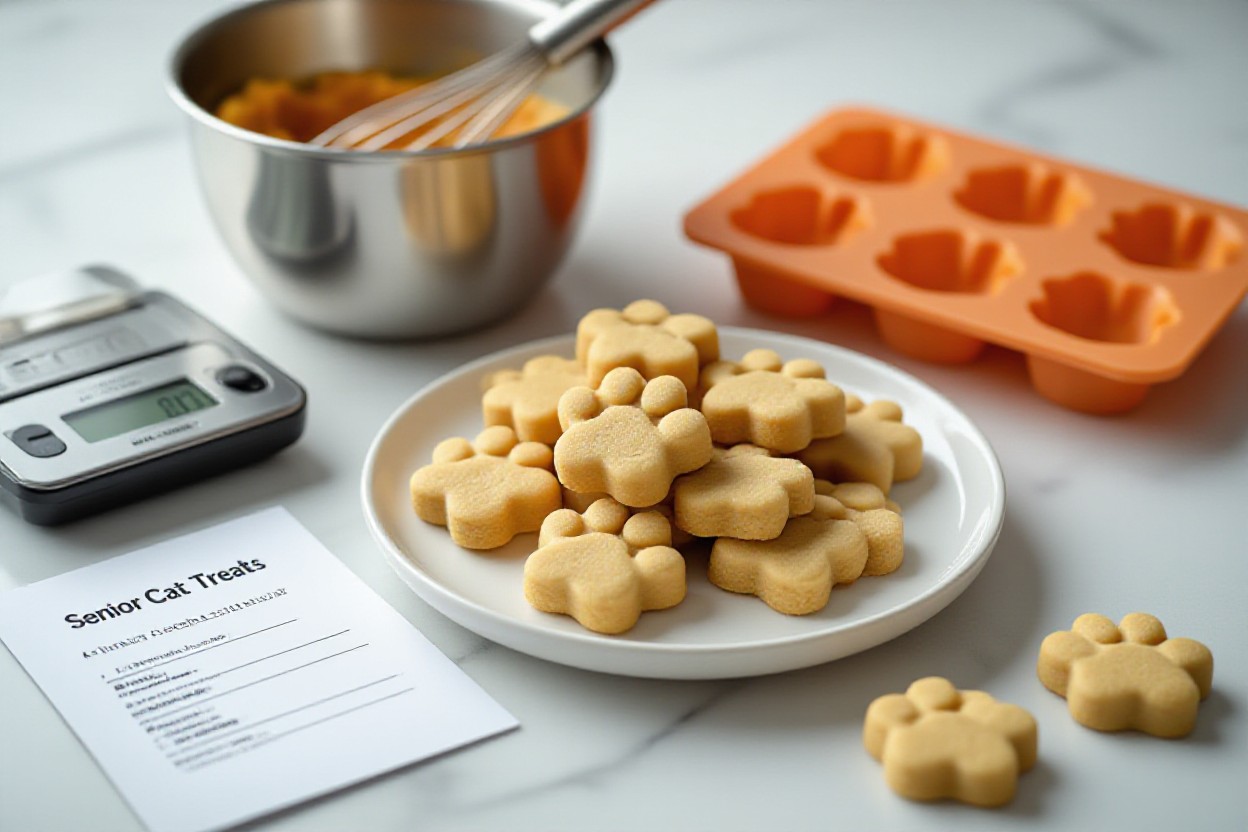
Baking doesn’t always mean crunchy – if you pull the treats out while they’re still slightly spongy, usually around the 12-minute mark at 350°F, they stay perfect for toothless seniors. Using sweet potato or pumpkin as a binder instead of heavy flours keeps the calories low for indoor cats who nap more than they hunt. You can easily pinch these into tiny, manageable morsels that won’t stress their jaws. Just keep an eye on the oven, because over-baking turns these soft bites into rocks fast.
Blender “pate” treat – it’s as easy as it sounds!
High-speed blenders can turn fibrous meats into a silky, lickable mousse that requires zero chewing. This is the ultimate hack for seniors with stomatitis or severe tooth loss who still crave real meat flavor. You’re basically creating a custom puree that’s fresher than anything in a can. Plus, it’s a great way to use up leftover plain chicken or fish without worrying about choking hazards. Just blend, portion, and freeze.
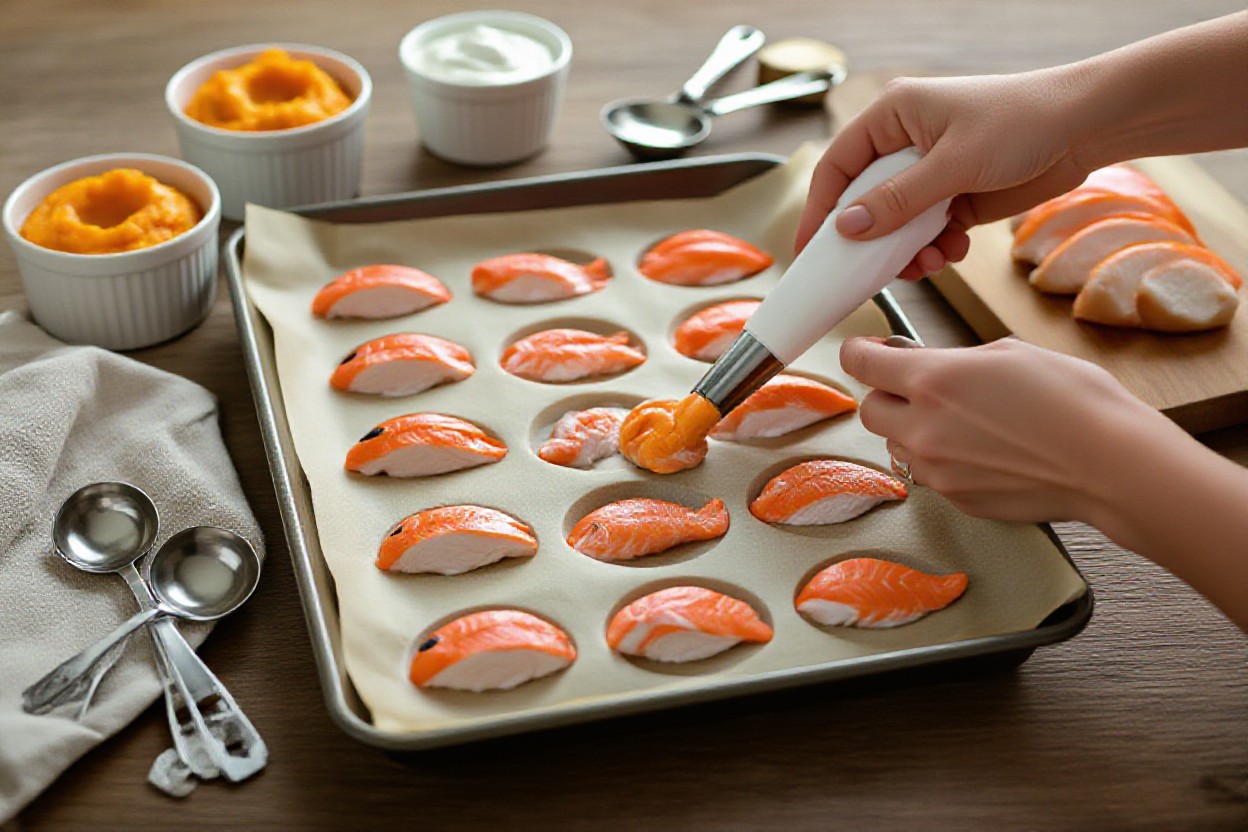
Since kidney issues affect 1 in 3 geriatric cats, adding extra moisture here is a sneaky way to boost their water intake without them noticing. Try blending a cup of cooked salmon or tuna with a few tablespoons of unsalted bone broth until it looks like baby food. You can even stir in a crushed joint supplement powder right before serving – the strong fishy smell masks almost anything. Freeze small dollops on parchment paper for quick, thaw-on-demand rewards that cool them down in summer. It’s messy, sure, but seeing them lap it up pain-free is worth the cleanup.
Pill-hiding treats that don’t taste like medicine
Moldable doughs made from oat flour and liver are sticky enough to wrap around a capsule yet tasty enough to trick a skeptical senior. Unlike commercial pill pockets which can be high in sodium, these DIY versions let you control the salt content completely. You want a texture like playdough – firm enough to hold shape but soft enough to swallow whole. It stops the daily medication battle from ruining your bond.
The trick is using a “high value” scent to override the medicine smell, so don’t be shy with strong-smelling ingredients like nutritional yeast or sardines. Nutritional yeast is packed with B-vitamins and has a cheesy flavor most cats go crazy for. Mix a teaspoon of it with a little water and flour to create a paste that coats the pill entirely. If the treat is too dry, it crumbles and reveals the pill; too wet, and it dissolves the capsule. It might take a try or two to get the consistency right, but once you do, medicating becomes just another treat time.
How Often Should You Be Giving Treats to Your Senior Cat?
It’s tempting to spoil them, especially when they give you those big, pleading eyes from the kitchen floor. But for older cats with significantly slower metabolisms, treats really need to be just a garnish rather than a main course. You generally want to aim for no more than 10% of their daily caloric intake coming from snacks.
Since we are dealing with soft treats that might be nutrient-dense to help with joint health, keeping a strict count prevents disrupting their main diet, which still needs to carry the bulk of their important vitamins.
Finding that sweet spot: Too much or too little?
You’ve probably noticed your senior kitty hesitating at the food bowl if their teeth are bothering them. Soft treats are perfect here because they bypass the pain of crunching hard biscuits, but consistency is key. If you give too many, they might start refusing their regular wet food just to wait for the “good stuff,” leading to dangerous nutritional gaps. Start with one or two small, soft bites per day – maybe right after a play session or grooming – to keep their routine predictable without overwhelming their system.
Weight management: Keeping kitty trim
Indoor seniors spend a lot more time napping on the sofa than hunting down toys, meaning they burn way fewer calories than they used to. Even a few extra calories from treats can pack on pounds that stress their aging frame. Stick to low-calorie recipes that use broth or pureed pumpkin as a base rather than fatty oils or cheeses. You want to reward them, not weigh them down, so check that the treats you’re making are bite-sized and not hidden calorie bombs.
It’s not just about aesthetics – extra weight is basically an enemy to their comfort. When you let them get a bit chunky, you’re inadvertently putting extra pressure on arthritic joints, making it harder for them to jump up to their favorite window perch. If you’re using ingredients like glucosamine in your homemade soft treats, counteracting that benefit with weight gain defeats the whole purpose, so keep those portion sizes tiny.
Monitoring stomach upset: Signs to look out for
Senior digestive systems can be incredibly finicky – what they could eat at age five might cause total chaos at age fifteen. Since you’re introducing new soft textures or ingredients like fish oil, you need to watch the litter box closely. If you see loose stools or vomiting within 24 hours of a new treat, stop immediately. It’s usually best to introduce one new ingredient at a time so you know exactly what triggered the tummy trouble.
Their bodies just don’t process fats and proteins as efficiently as they used to. If you notice your cat getting gassy or lethargic after snacking, it might be that the treat is simply too rich for their aging gut. Stick to simple, limited-ingredient recipes initially to test their tolerance. And if the upset stomach persists for more than a day, it’s definitely time to call the vet because dehydration hits seniors much faster than kittens.
Why Homemade Treats Are Actually the Way to Go
Commercial bags often hide preservatives that are tough on older kidneys, which is the last thing you want for a senior cat. By making them yourself, you control the texture completely – ensuring the final product is soft enough for gums that might be sore or missing teeth. Plus, you can strictly manage the calorie count to keep your indoor senior trim, avoiding unnecessary weight that puts painful pressure on aging joints.
Control over ingredients that matter
You wouldn’t believe how much sodium and filler hides in those store-bought “soft” chews. By taking charge, you can swap empty calories for functional ingredients like glucosamine-rich bone broth or pureed pumpkin for digestion. It’s not just about avoiding the bad stuff – it’s about actively adding nutrients that support stiff hips and knees. You get to decide exactly what goes into their body, ensuring every single bite is easily digestible and actually beneficial for their specific health needs.
Tailoring the taste for your picky eater
Senior cats often lose their sense of smell as they age, making them notoriously fussy eaters because food just doesn’t seem appetizing anymore. When you’re the chef, you can amp up the aroma with warm tuna juice or nutritional yeast to cut through that sensory decline. If they turn their nose up at chicken today, you can easily pivot to salmon tomorrow without wasting a whole bag. You’re basically customizing the menu to keep their appetite engaged.
It goes way beyond just flavor profiles. If your cat has had extractions or suffers from stomatitis, you can mash ingredients into a lickable paste or a super-soft mousse that requires absolutely zero chewing. Commercial “soft” treats can still be surprisingly rubbery for sensitive mouths. By adjusting the moisture content – adding a bit more water or goat milk – you create a texture that literally melts on the tongue, making treat time painless and exciting again instead of a struggle.
The joy of bonding over treats
There’s something incredibly special about watching your old friend perk up for something you made just for them. It strengthens that trust, especially if they’ve been feeling vulnerable due to mobility issues or vision loss. Hand-feeding these soft morsels creates a moment of connection that reinforces your bond during their golden years. It’s a small gesture that tells them they’re still the center of your world, even if they sleep twenty hours a day.
Baking or freezing these treats creates a routine your cat will actually start to anticipate. The smell of fish or broth wafting from the kitchen can stimulate their mind and get them moving, which is vital for indoor seniors who need a reason to stretch those legs. You aren’t just tossing a piece of dry kibble on the floor – you’re engaging with them. And seeing that purr machine start up because of a treat you crafted? That’s honestly the best feeling in the world.
The Real Deal About Cats and Treats: What You Should Know
Let’s drop the idea that treats are just empty calories or junk food. For your senior cat, the right snack is actually a tool. Soft textures help with hydration and bypass dental pain, making them easier to manage than hard kibble. You’re not just spoiling them; you’re sneaking in joint support and extra moisture they desperately need. When you pick recipes designed for digestion, you turn a moment of bonding into a health boost.
Are treats really bad? The myths busted
You’ve probably heard that feeding treats is a one-way ticket to feline obesity, but that’s really only true if you’re relying on low-quality store-bought filler. When you’re making soft, moisture-rich snacks at home, you control the nutritional value. Treats aren’t the enemy – bad ingredients are. By using lean proteins and joint-friendly add-ins, you’re actually supplementing their diet, not ruining it. So don’t feel guilty about tossing a soft nugget to your old friend.
Treats vs. meals: Understanding the difference
Think of meals as the heavy lifters providing the complete, balanced nutrition your aging cat needs to survive. Treats are the bonus round. They aren’t formulated to cover every single vitamin requirement, so they can’t replace a full dinner. Even if your cat begs for those soft, smelly bites because they’re easier to chew than their regular food, you have to hold the line. It’s about distinct nutritional roles.
It’s tempting to cave in when their appetite fades – common with older cats – and just feed them whatever they’ll eat. But treats usually lack the specific amino acids like taurine in the right ratios. If you let snacks become the main course, you risk nutritional deficiencies that can weaken their immune system. Plus, since indoor seniors burn fewer calories, swapping a balanced meal for tasty treats is a recipe for weight gain that their tired joints just can’t handle. You want to keep their digestion smooth, and meals are formulated to do exactly that.
The importance of moderation
Even the healthiest, softest homemade treat counts towards the daily intake. Vets usually recommend the 10% rule – meaning treats shouldn’t exceed 10% of their daily calories. For an inactive senior cat who sleeps twenty hours a day, that calorie limit is surprisingly low. Overdoing it puts immediate stress on their hips and knees. You have to be the strict one here.
Ignoring this balance doesn’t just lead to a chubby cat; it creates a cycle of pain for cats with arthritis. Every extra ounce of weight adds significant pressure to aging joints, making it harder for them to get to the litter box. And let’s be real about digestion – older digestive systems are slower and more sensitive. Bombarding them with too many rich, tasty snacks can cause vomiting or diarrhea, which dehydrates them fast. Stick to small, measured portions to keep their tummy happy and their weight in check.
Tips for Transitioning to Soft Treats
Old habits die hard, and senior kitties are notorious creatures of habit. Even if soft cat treats for senior/older cats are clearly better for their painful teeth, they might turn their nose up initially. You need a strategy that respects their sensitive digestion and potentially lower-calorie needs.
Mix small pieces with their current dry food
Warm the treats slightly to enhance the smell
Mash treats into a paste for severe dental or chewing issues
Any sudden changes to your cat’s diet should be discussed with a vet to ensure safety.
Rushing this process is a recipe for disaster – specifically, the litter box kind. Older digestive systems are slower and less forgiving. Start by offering just a tiny nibble of the new easily digestible treat alongside their regular meal. It tricks them into thinking it’s just a garnish. Over the next week, slowly increase the amount while watching how they handle the texture.
Observing reactions: What to watch for
Your cat’s body language tells you everything you need to know about their comfort levels. If they are dropping the treat or pawing at their mouth, the dental or chewing issues might be worse than you thought. Obviously, keep an eye on the litter box for any signs of upset, but also watch their energy levels closely.
Sometimes the reaction is subtle. You might notice they are sleeping more or seem lethargic after a new treat, which could signal an intolerance. On the flip side, if you’re using joint-friendly ingredients like glucosamine, look for positive changes – maybe they’re jumping on the couch a bit easier. It takes time for nutritional benefits to show up, but digestive distress usually happens fast. Trust your gut if something feels off with their behavior.
Keeping it interesting: Mix up the flavors!
Boredom is the enemy of a good appetite, especially for indoor seniors who don’t hunt. Rotating proteins keeps them interested and ensures a broader range of nutrients. Try swapping between fish-based treats and poultry to see what gets them purring. Just ensure everything remains lower-calorie to prevent weight gain in their golden years.
Don’t stop at just changing the meat source. You can alter the moisture content too. Some days offer a slightly firmer jelly-like treat, other days go for a puree. This variety provides mental stimulation – something strictly indoor seniors desperately need. Plus, using strong-smelling ingredients like liver or nutritional yeast can wake up a fading sense of smell, making the treat irresistible even if they aren’t feeling particularly hungry that day.
Common Mistakes to Avoid with Senior Cat Treats
Even the healthiest recipes can backfire if you aren’t careful about how you serve them. Your senior cat’s body is changing rapidly, and treating them like the kitten they used to be can actually lead to stomach upset or unnecessary weight gain. You want to spoil them, sure, but you have to do it smartly to keep those stiff joints moving comfortably. It’s mostly about adapting to their slower metabolism and potential dental sensitivities rather than just tossing them snacks whenever they beg.
Skipping out on nutrition
Empty calories are the enemy of an indoor senior cat. Since older cats often move less, every single calorie needs to pull its weight by offering vitamins or joint support. Don’t just grab whatever is cheapest or tastiest; check that you aren’t feeding fillers that offer zero health benefits. If you’re making soft treats, ensure you’re including functional ingredients like pumpkin for digestion or fish oil. Otherwise, you’re just filling them up with fluff that their slowing metabolism can’t handle.
Over-treating: Why less is more
Generosity creates fat cats, and obesity is terrible for arthritis. It’s heartbreaking to say no to that meow, but treats should never make up more than 10% of their daily calorie intake. Since senior cats burn fewer calories, even a couple of extra bites can pack on pounds that stress their aching joints. Keep the portions tiny – think pea-sized – because they enjoy the interaction and the flavor more than the actual volume of food.
Think about it this way – an extra pound on a small cat frame is massive. That extra weight presses directly on hips and knees that might already be suffering from osteoarthritis. Instead of showing love through volume, focus on frequency with tiny morsels. You can actually break one soft treat into four pieces; your cat thinks they hit the jackpot getting four rewards, but you’ve kept the calorie count exactly the same. It’s a mental game that saves their waistline and keeps them mobile.
Ignoring your cat’s preferences – don’t make that mistake
Forcing a crunchy treat on a cat with dental disease is a recipe for pain, not bonding. As cats age, their sense of smell fades and their teeth get sensitive, so if they turn their nose up at a treat, don’t force it. You might think you made a masterpiece, but if the texture is too hard or the smell isn’t pungent enough, they simply won’t eat it. Listen to what they’re telling you by refusing food – it’s usually physical, not just being picky.
Sometimes you have to play detective with their palate. If your senior kitty ignores a treat they used to love, try warming it up slightly in the microwave for a few seconds to release the aroma – heat makes the smell stronger, which helps trigger their appetite. Also, texture matters more than flavor for many seniors with missing teeth or gum issues. If a batch comes out too chewy, mash it with a little water or low-sodium broth to make a lickable paste. You have to adapt the treat to the cat, not expect the cat to tough it out.
What About Allergies? Keeping It Safe
Common allergens to watch out for
Ever notice your older kitty getting itchy or having tummy trouble after a specific snack? It might not just be age catching up with them. While you might think grains are the enemy, beef, dairy, and fish are actually the most common food allergens for cats. Since senior digestive systems are already slower and more sensitive, introducing these proteins suddenly can cause inflammation or vomiting. Stick to novel proteins like duck or turkey if you suspect a reaction, as they are often easier on sensitive stomachs and create softer, more digestible treats.
How to test for sensitivities
So how do you figure out what’s causing the itch without guessing? You don’t need a fancy lab test right away. The gold standard is an elimination diet, where you stick to one protein source for about 8 to 12 weeks. If you’re making homemade soft treats, keep the ingredient list tiny – maybe just pureed pumpkin and a single meat source. Watch for changes in skin condition or stool quality, and if symptoms clear up, you’ve likely found the safe zone for your senior’s treats.
Consistency is everything here because even a single bite of “forbidden” food can reset the clock on your progress. It’s tough when those big eyes are begging for a piece of cheese, but cheating ruins the results. You really have to be vitally a detective with their diet. If you are baking soft treats at home, this is actually easier because you control exactly what goes in – no hidden fillers or preservatives that might trigger a flare-up. Once you have a baseline, you can try reintroducing ingredients one by one, waiting a few days between each to see if their digestive system or skin reacts negatively.
When to consult the vet
Is the scratching getting out of control or is the litter box looking scary? Sometimes home testing isn’t enough. If your senior cat is losing weight rapidly, has persistent diarrhea, or is scratching until they bleed, it’s time to call the pros. Older cats have less reserve to handle illness, so dehydration from digestive upset can become dangerous very quickly. Your vet might suggest a prescription hydrolyzed diet or blood tests to rule out other issues like kidney disease that mimic allergy symptoms.
There is also a tricky overlap between dental pain and allergy symptoms that can confuse things. A cat refusing food might not be allergic – they might have tooth resorption or gum disease making chewing painful, which is rampant in seniors. A vet check ensures you aren’t treating an allergy when the real problem is a painful mouth requiring soft foods for a totally different reason. Plus, they can guide you toward joint-friendly supplements that won’t interfere with the allergy trial, ensuring your old friend stays comfortable while you figure out the food situation.
The Scoop on Store-Bought vs. Homemade Treats
Weighing convenience against quality
Commercial treats often contain up to 30% carbohydrate fillers that offer zero nutritional value to an aging obligate carnivore. While grabbing a bag off the shelf is definitely easier than firing up the oven, you have to ask yourself if saving five minutes is worth compromising your senior’s delicate digestion. Store-bought options – especially the soft ones needed for tender gums – are frequently packed with artificial preservatives like propylene glycol just to keep them moist on the shelf. Homemade means you control the texture without the chemical bath.
What labels really mean: Decoding ingredients
AAFCO regulations allow manufacturers to list ingredients by weight before cooking, which can be incredibly misleading once water weight is lost during processing. When you see “meat by-products” listed first, you aren’t getting premium cuts – you’re often getting the leftovers that are harder for a senior cat to digest. Watch out for vague terms like “natural flavor” which can mask high sodium levels that are tough on older kidneys. If you can’t pronounce it, your cat’s aging liver probably shouldn’t be processing it.
Sugar, corn syrup, and glycerin are common culprits used to keep commercial treats soft and chewy for cats with dental pain, but they come at a heavy cost. Excess sugar contributes significantly to senior obesity and diabetes risks, while vegetable glycerin can cause loose stools in sensitive stomachs. You might also spot “cellulose” on the list – that’s basically wood pulp used as a binder. For an indoor senior burning fewer calories, these empty fillers add weight to their frame without supporting their joints or muscles, putting unnecessary stress on arthritic hips.
Making the best choice for your furry friend
Treats should strictly make up no more than 10% of your cat’s daily caloric intake, yet some commercial soft chews pack nearly 15 calories per piece. That adds up fast for a sedentary senior who sleeps twenty hours a day. If you must buy store-bought, look for single-ingredient freeze-dried treats that you can rehydrate with warm water to make them soft enough for toothless mouths. It’s about finding that sweet spot where convenience doesn’t sabotage their joint health through rapid weight gain.
Sometimes the smart move is a hybrid approach where you use high-quality commercial treats that actually double as functional supplements. Look for soft chews specifically fortified with glucosamine and chondroitin to support those stiff knees, rather than just generic flavor snacks. Just be careful – many “dental” treats are rock hard and dangerous for cats with resorptive lesions or missing teeth. Testing the texture with your fingernail is a solid rule of thumb; if you can’t indent it easily with a light press, it’s likely too hard for your old timer to manage safely.
Fun Ways to Give Treats: More than Just Handing Them Over
Interactive treat puzzles: Keeping them entertained
Ever wonder if your older cat is bored out of their mind? You can fix that pretty easily. Puzzles aren’t just for energetic kittens or dogs – they actually help keep an aging brain sharp and engaged. Since we’re dealing with tender gums and potential dental pain, you’ll want to pick puzzles with sliders or shallow cups rather than those needing aggressive pawing or biting. Smear a bit of that soft pumpkin puree or a mashed sardine treat into the grooves. It forces them to work a little for the reward without hurting their sensitive teeth.
Why let them gulp down a snack in two seconds flat? Using a slow feeder changes the game entirely. It turns snack time into a gentle activity that helps combat the sedentary lifestyle of indoor seniors. You don’t need a fancy gadget either – a simple lick mat works wonders for soft, spreadable treats. It slows down their eating pace, which is great for digestion, and the texture on their tongue can actually be soothing. Plus, it keeps them occupied while you get things done.
The real magic here is weight control without the misery of a diet. Since many seniors are prone to joint pain, keeping the weight off is non-negotiable for their comfort. By spreading a low-calorie, gelatin-based treat onto a textured mat, you extend the “eating experience” from seconds to minutes. They feel like they’re getting a massive feast, but really, they’re just licking up a tiny amount of food. It’s a mental trick that saves their hips and knees from carrying extra bulk. Just make sure the mat is flat on the floor so they don’t have to crane their necks – arthritis makes bending down uncomfortable for some.
Hide and seek: Stimulating their minds
Who says an old cat can’t learn new tricks? Hiding treats around the living room taps into that dormant hunting instinct that never really goes away. But be realistic about it. Don’t put the treats on high shelves if your cat has stiff joints or trouble jumping. Place small, smelly morsels of soft liver on low surfaces like the bottom of a cat tree or behind a chair leg. It gets them moving gently, sniffing around, and actually using their senses instead of just napping the day away.
You have to guide them a bit at first so they don’t just think you forgot to feed them. Start easy. Put a piece of that soft chicken treat right in their line of sight, then the next one slightly behind a table leg. The goal is gentle mobility exercise, not an Olympic workout. This low-impact movement helps keep their synovial fluids moving in those stiff joints without the stress of jumping or climbing. If they have vision issues – common in the golden years – use treats with a strong scent profile like tuna or nutritional yeast so their nose can lead the way. It’s rewarding for them and honestly pretty fun to watch.
Keeping It Fresh: Storing Your Homemade Treats
Since these recipes rely on moisture to stay soft for those sensitive teeth, mold is your biggest enemy here. You can’t just toss them in a jar like dry kibble – moisture means bacteria love them as much as your cat does. So, always use an airtight container in the fridge for anything meaty or pumpkin-based. It’s a small hassle, but it keeps those joint-supporting nutrients intact without turning into a science experiment.
Best practices for freezing and thawing
Making a big batch is smart, but don’t let freezer burn ruin the texture. Wrap individual portions in parchment paper before bagging them – this prevents them from sticking together into a giant ice block. When it’s snack time, thaw a single treat in the fridge overnight or zap it in the microwave for literally 3-5 seconds. You want it soft and warm, not hot, so it releases that smelly aroma your senior cat needs to get interested.
Shelf-life tips: Knowing when to toss it
Homemade stuff doesn’t have those heavy preservatives, so the clock starts ticking immediately. Generally, meat-based soft treats last about three to five days in the fridge before they get risky.
Watch for any fuzzy mold spots on the surface.
Sniff for a sour or off-putting smell that wasn’t there before.
Discard if the texture becomes slimier than usual.
The nose knows, so trust your gut if it smells funky.
Moisture content is what makes these treats chewable for cats with gum issues, but it also invites bacteria faster than crunchy biscuits. Since senior immune systems aren’t what they used to be, you really can’t risk feeding questionable leftovers. Even if they look okay, the internal breakdown of ingredients like fish or liver happens quickly.
Label every batch with the date made using a sticky note.
Keep vegetable-heavy treats separate from raw meat products.
Check for color changes like graying meat.
The safest bet is always tossing it out if you have doubts.
How to keep treats enticing for longer
Older cats often lose their sense of smell, so a cold treat straight from the fridge might seem like a flavorless rock to them. You need to wake those aromas up. Try storing the treats with a strongly scented item – like a dried bonito flake – in the container to infuse extra stink. It tricks their brain into thinking the treat is higher value than it is.
Texture matters just as much as smell when you’re dealing with sore mouths. If a batch starts drying out in the fridge, don’t force your cat to gnaw on it. Instead, rehydrate the treat by adding a drop of warm bone broth or water right before serving. This softens the edges back up and makes it easier to digest, which is a win for their slower metabolism. Plus, warming it slightly releases the fats and oils, making the treat smell irresistible even to a cat that’s been napping all day.
How to Keep an Eye on Your Senior Cat’s Health
While you’re whipping up those soft, easy-to-chew snacks, use snack time as a mini health inspection. Senior kitties are masters at hiding pain, especially when it comes to dental issues or joint stiffness. Watch how they approach the treat – are they hesitating to chew, tilting their head, or dropping food? That could signal tooth resorption or gum disease, which is incredibly common in older cats. It’s not just about spoiling them with homemade goodies; it’s about spotting the subtle signs that their body needs a little extra help before things get serious.
Regular vet check-ups: Why they matter
Even if your homemade pâté treats are packed with joint supplements, nothing beats a pro taking a look. You should aim for exams every six months once your cat hits the senior stage (around 11 years old). Blood work can catch kidney issues or hyperthyroidism way before you see symptoms at home. Plus, vets can check if those soft treats are actually helping maintain their weight or if there’s underlying dental decay that needs more than just a softer diet to fix.
Monitoring weight changes: What to track
Since older indoor cats burn fewer calories, those soft treats need to be lean, but unexplained weight loss is actually scarier than a chubby belly. If you notice their spine feeling bonier when you pet them – even if they’re eating all their treats – that’s a red flag. Sudden drops often point to kidney disease, diabetes, or cancer. Keep a simple log on your phone; catching a 5-10% weight change early makes a massive difference in treatment options.
It’s tricky because a fluffy coat hides a lot. You might think they’re fine because they’re begging for those salmon bites, but appetite doesn’t always equal absorption. Senior digestion systems get less efficient, meaning they might eat but not absorb nutrients. That’s why we focus on highly digestible proteins in these recipes. If the scale is tipping down despite them chowing down, their body might not be processing the food correctly, or metabolic issues could be burning through calories too fast. Don’t ignore a bony back just because the bowl is empty.
The importance of hydration
Old kidneys need water like a car needs oil, but seniors often forget to drink enough. Dehydration makes everything worse, from constipation to joint stiffness. Since dry kibble is hard on bad teeth anyway, these moisture-rich soft treats are a sneaky way to boost their intake. Watch the litter box too – larger or more frequent clumps can actually indicate kidney trouble, not just good hydration. If their gums feel tacky or sticky instead of slick, they are already dehydrated.
You can actually hack their hydration levels by adding extra unsalted bone broth or warm water directly into the treat batter before freezing or baking. It turns a simple snack into a hydration bomb. This is super helpful for cats with dental pain who might avoid cold water because it hurts sensitive teeth. Chronic dehydration stresses the kidneys, so making your soft treats “soupy” or jelly-like takes the pressure off their internal organs while being gentle on their mouth. It’s a win-win for indoor seniors who barely move from the couch.
FAQs About Senior Cats and Treats
There’s been a massive shift lately toward functional snacking where pet parents want treats to do double-duty for health. Since you are dealing with an older kitty, you probably worry about their fragile teeth or expanding waistlines. It is totally normal to second-guess every nibble you offer. We will tackle the burning questions about keeping your senior cat happy without upsetting their sensitive tummy or aching joints.
What types of treats are best for dental health?
You might assume hard kibble is the only way to clean teeth, but for a senior with gum disease or missing fangs, crunching is actually painful. Soft treats containing enzymes or specific porous textures that scrub the tooth surface without shattering are much safer. Focus on items that encourage gentle gnawing rather than snapping.
Soft chews with enzymatic gels.
Porous treats that wipe the gumline.
Soft-textured meat sticks.
This approach protects their mouth while still rewarding them.
Treat Characteristic
Impact on Senior Cats
Soft Texture
Prevents pain in cats with resorptive lesions or missing teeth.
Enzymatic Coating
Breaks down plaque bacteria without requiring abrasive chewing.
Large Size
Forces the cat to chew gently rather than swallowing whole.
High Digestibility
Reduces vomiting risks associated with unchewed hard treats.
Low Calorie
Essential for inactive seniors to prevent obesity and joint stress.
How can I tell if a treat is too rich for my cat?
Watch the litter box closely after introducing anything new – loose stools are the first red flag. If your cat starts vomiting or seems lethargic right after snack time, the fat content is likely too high for their aging system. Senior digestion slows down significantly, making them less tolerant of rich, fatty additives found in many commercial brands.
It is not just about the immediate mess on the rug. Consistently feeding treats that are too dense in calories or fat can trigger pancreatitis, which is a nightmare for older cats to recover from. You might notice they get picky with their regular meals because they feel low-grade nausea. Stick to simple, single-ingredient snacks like plain cooked chicken or pumpkin puree to test their tolerance levels before getting fancy. If they turn their nose up at dinner but beg for treats, that is often a sign the treats are upsetting their balance.
Can treats help with behavioral issues?
Absolutely, especially since cognitive decline can make older cats confused or anxious at night. Using high-value, soft treats during puzzle play stimulates their brain and keeps those neurons firing. It helps re-establish a routine when they feel lost. Rewarding calm behavior helps reduce senile meowing or restlessness.
Think of treats as a communication tool rather than just food. If your senior cat resists grooming because their joints hurt, offering a lickable treat during brushing creates a positive association that overrides the discomfort. It distracts them. Plus, food puzzles that require a little paw-work – nothing too strenuous – combat boredom and keep them physically active without stressing their arthritic limbs. It gives them a job to do, which boosts confidence even in their golden years.