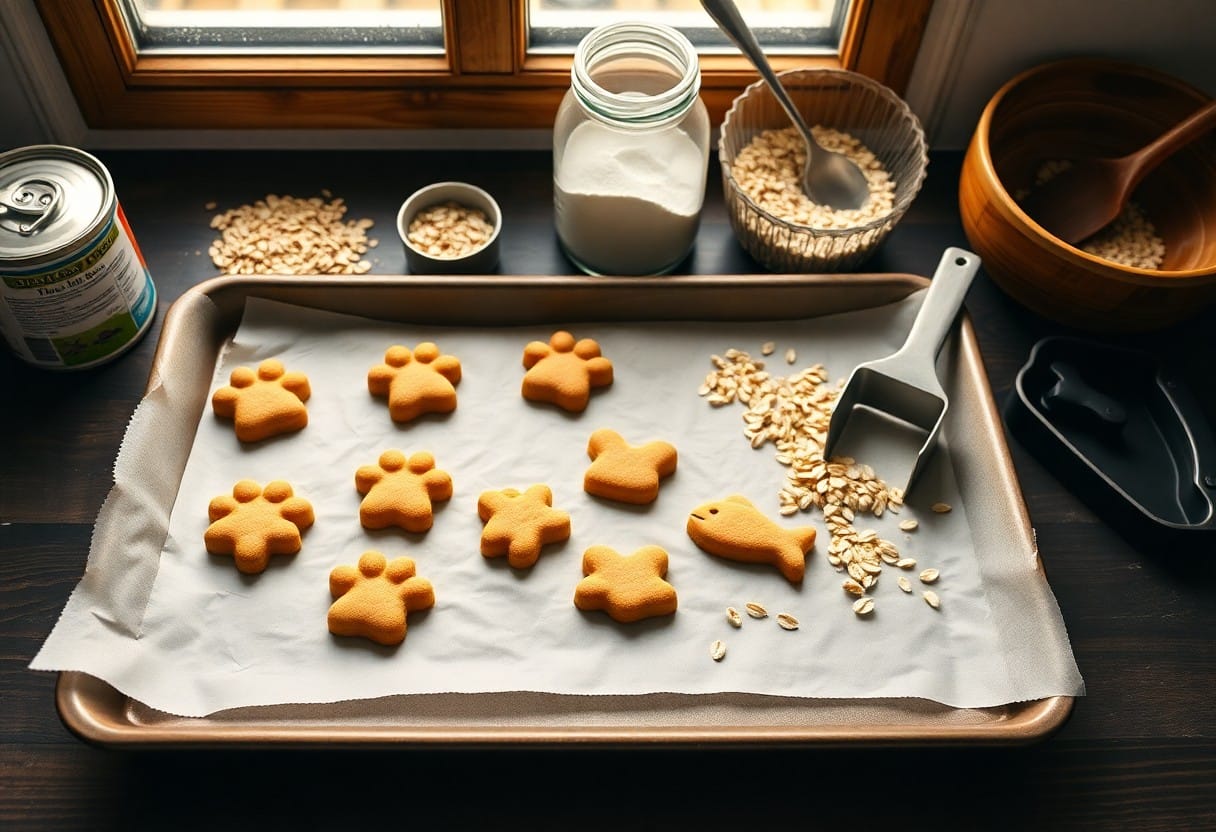
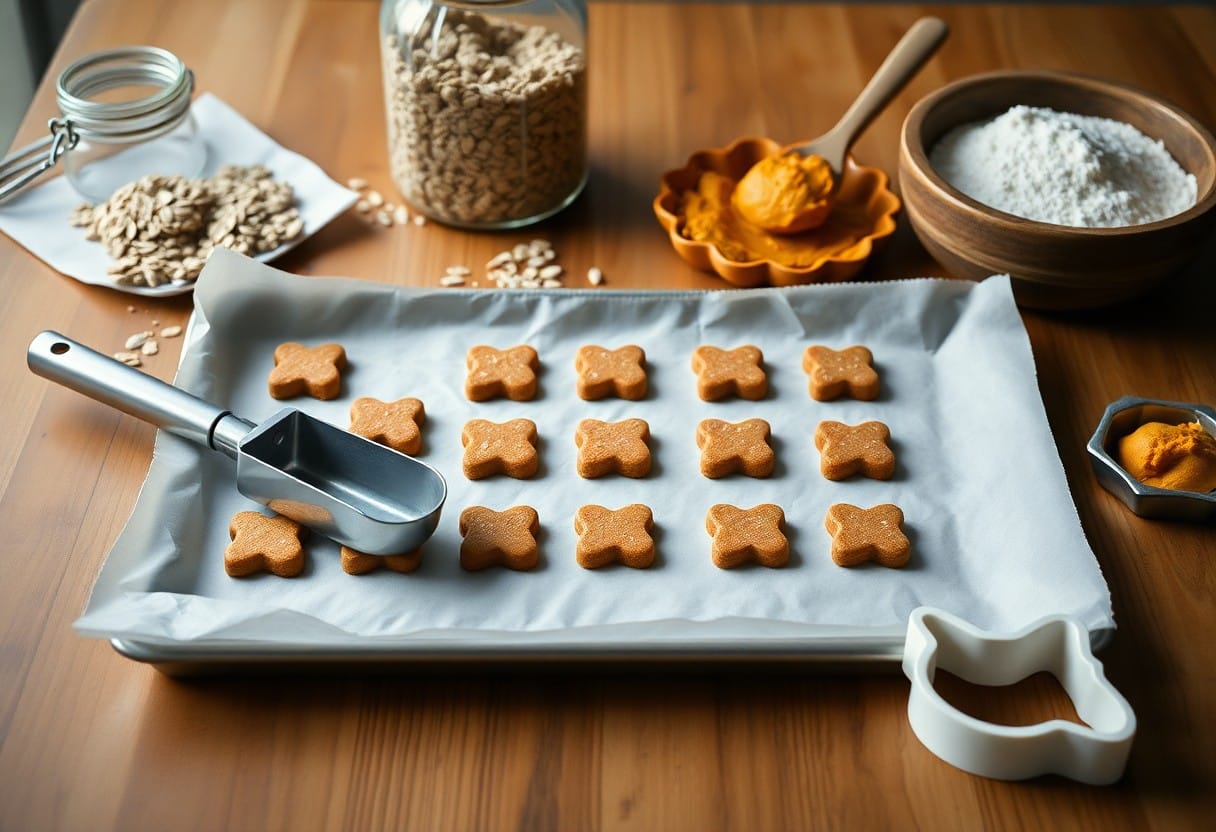
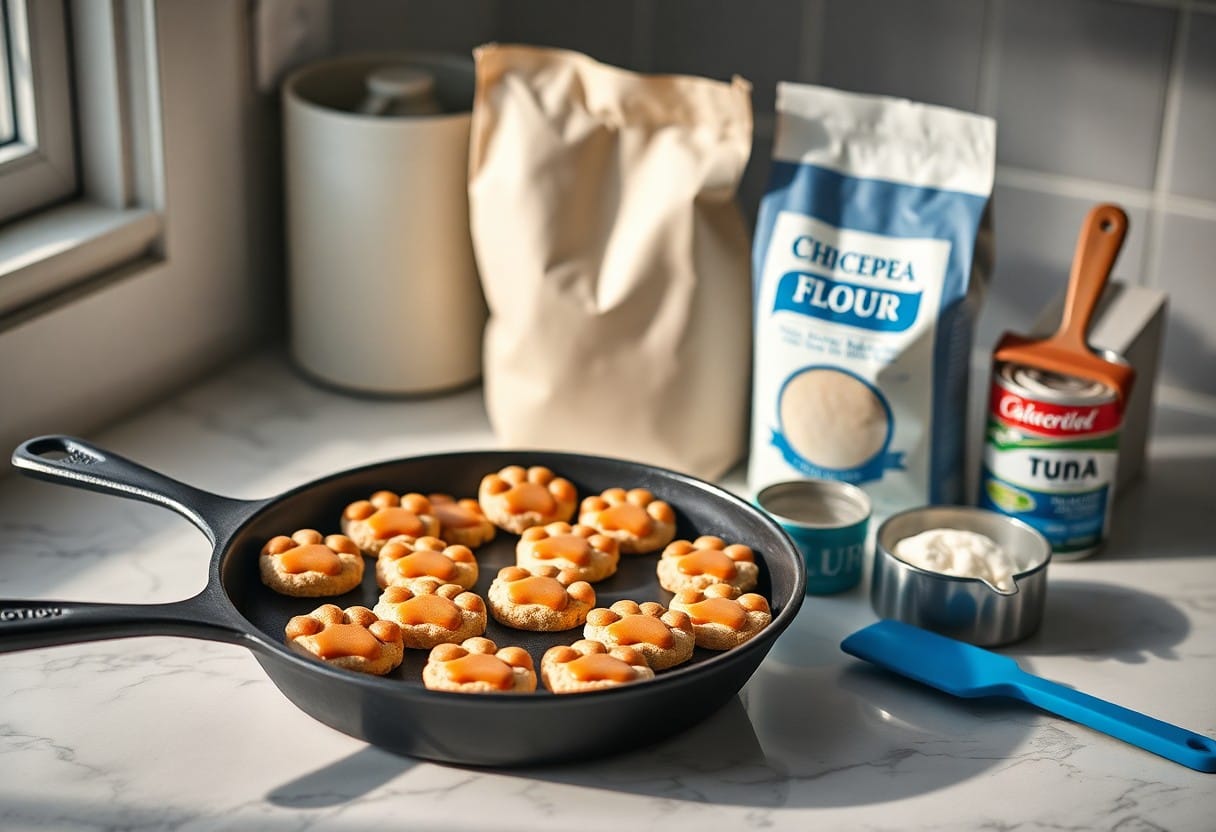
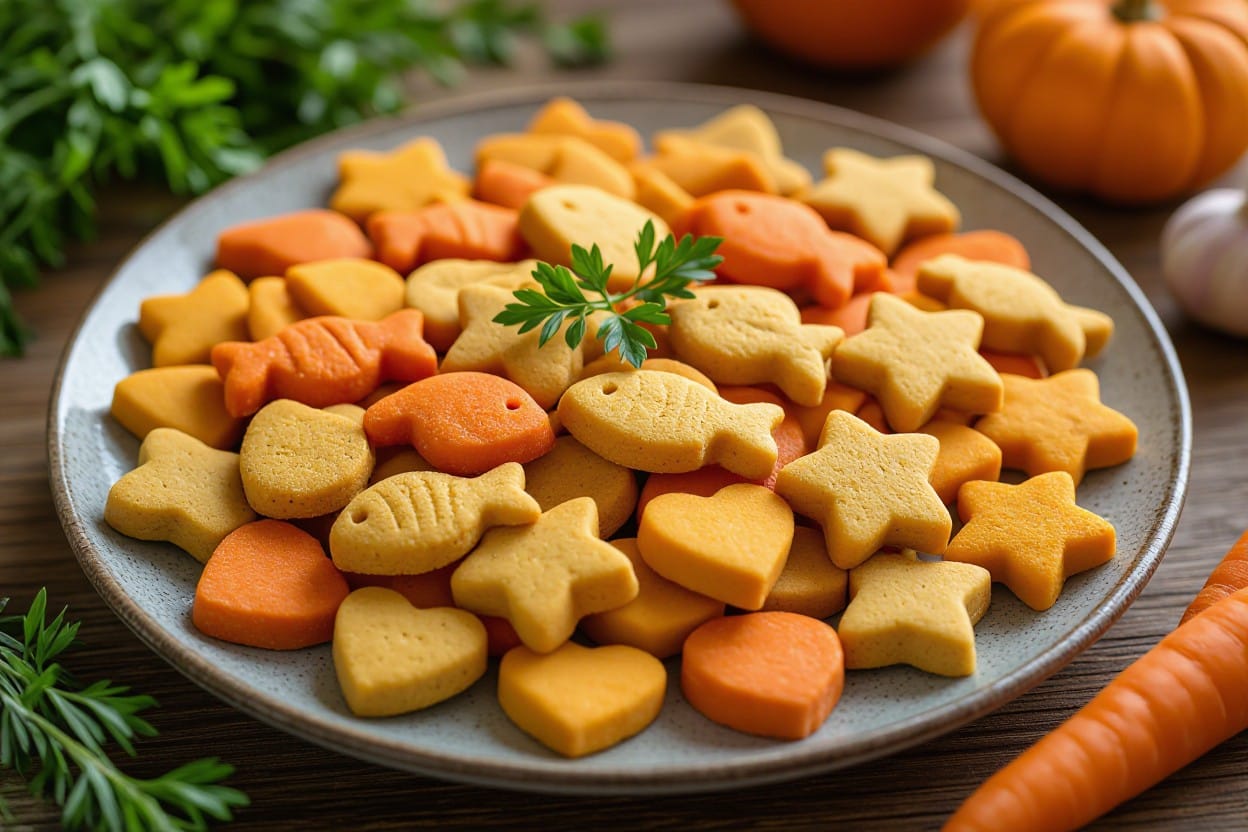
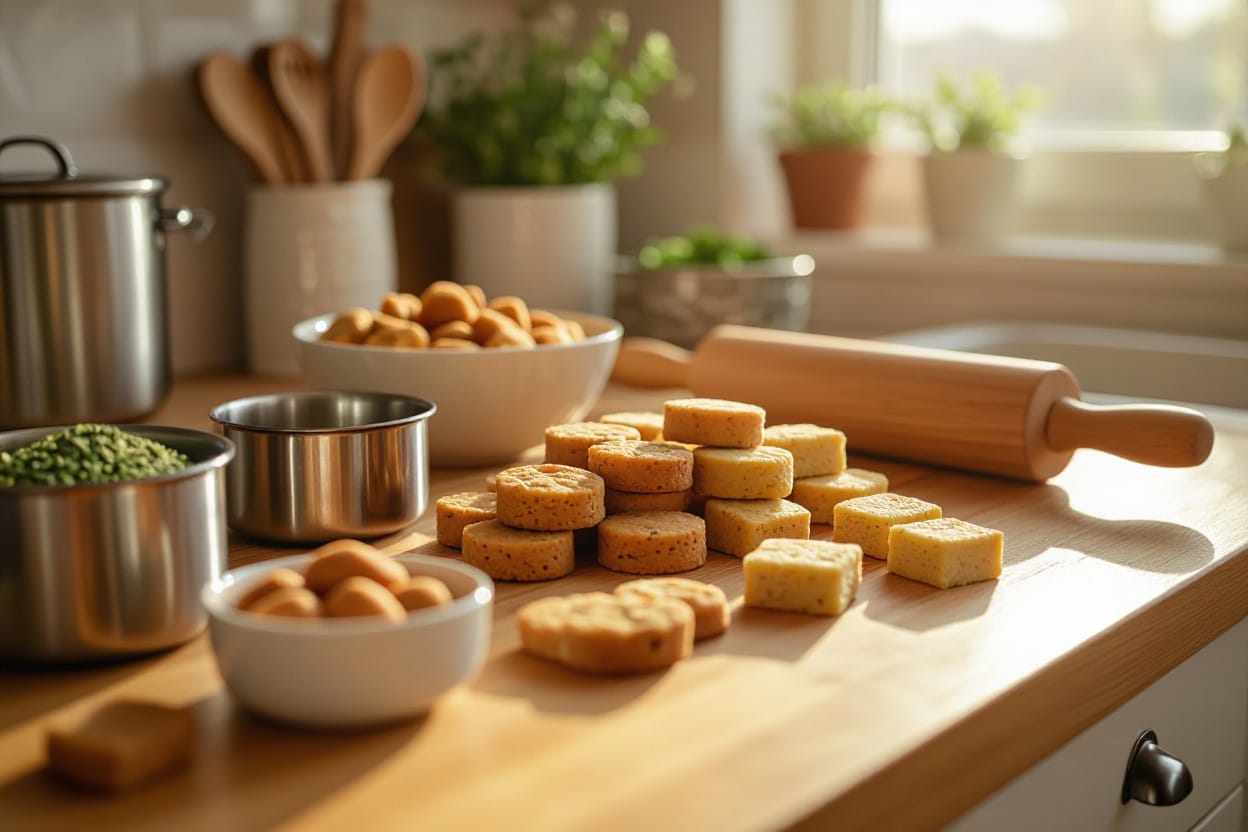
It’s straightforward to make one-pan, baked cat treats from simple pantry ingredients so you can control flavor and safety for your pet; when you mix and bake oats, canned fish, and pumpkin you create a wholesome snack, but you must avoid onions, garlic, chocolate, grapes, and xylitol which are toxic to cats, and follow portion guidance so your cat’s diet stays balanced.
The Benefits of Homemade Cat Treats
Nutritional Advantages
You can tailor each batch to boost protein and limit fillers; AAFCO sets adult cat minimum crude protein at 26%, so aim higher with real meat. For example, swap wheat flour for oat or chickpea flour and add canned salmon or cooked chicken to increase protein and omega‑3s. Homemade treats also let you avoid onion, garlic, chocolate, and xylitol, ingredients that are toxic even in small amounts.
Cost-Effectiveness
Making treats from pantry staples often cuts per‑treat cost sharply. A single batch using one can tuna, two eggs, and a cup of oat flour can yield about 40 small bites for roughly $3-5 (≈$0.08-0.12 each), while many commercial treats run $0.20-0.50 apiece. You also control portion size to reduce overfeeding and waste, and can stretch protein by mixing in cooked veggies safe for cats like pumpkin.
When you batch treats you save time and money: bake once to produce several weeks’ worth, refrigerate for 5-7 days or freeze in portions for up to 3 months. Buying staples in bulk-oat flour, canned fish, or whole chicken-can cut ingredient cost by 30-50% versus single‑serve; for example, a 10‑lb bag or multipacks of tuna lowers your per‑treat cost. Always discard any treats with mold or off‑odors to avoid foodborne illness.
Essential Pantry Ingredients
You’ll rely on a few versatile staples: 1 cup whole-wheat or oat flour, 1 egg, 1/2 cup mashed canned tuna (in water) or cooked chicken, and 1/4-1/2 cup plain canned pumpkin. Eggs act as binder and provide ~6 g protein each; oats absorb moisture and add fiber. Use low-sodium broth to loosen dough. Avoid added salt, onion and garlic-they’re toxic to cats.
Common Ingredients
Oats, whole-wheat flour and cooked proteins form the backbone of most batches; for example, one large egg supplies about 6 g of high-quality protein. Plain canned pumpkin adds soluble fiber for digestion, while plain Greek yogurt in very small amounts can be a treat if your cat tolerates lactose. Keep flavors simple and avoid chocolate, raisins, xylitol, onion and garlic, which can cause severe harm.
Optional Add-ins
You can boost appeal and nutrition with small additions: 1 tsp salmon oil per cup dough for omega‑3s, 1-2 tbsp freeze-dried shrimp for aroma, or a pinch of dried catnip for enrichment. Introduce oils and fatty add-ins slowly-too much fat (more than ~1 tsp per cup) can cause loose stools. Prioritize single-ingredient add-ins so you can isolate sensitivities.
Freeze-dried fish concentrates flavor without extra moisture; use it as a 10-20% mix-in by weight for potent scent. If you plan to make treats regularly, consider discussing a taurine supplement with your vet since cats need it for heart and eye health. Herbs like parsley can freshen breath in tiny amounts, but never include onion or garlic.
Preparation Tools and Equipment
Kitchen Utensils
You’ll rely on measuring spoons (1/4, 1/2, 1 tsp), 1/2- and 1-cup measures, a silicone spatula, whisk, and a 1‑tsp (5 mL) cookie scoop to portion uniform bite-sized treats. A 2 cm round cutter or fork works for shaping, and a small cooling rack helps finish texture. Keep your tools free of onion or garlic residue; those foods are toxic to cats.
Baking Supplies
Choose a rimmed half-sheet pan (18×13 in) lined with parchment or a silicone mat, several mixing bowls, and an oven thermometer for accuracy. Typical bake example: 325°F for 12-15 minutes for 1‑tsp treats-adjust time for larger sizes. Use parchment for easy removal and a rimmed pan to contain spreading.
If you use dark nonstick pans, lower temperature by 25°F or shorten bake time by 2-3 minutes to prevent overbrowning; light aluminum yields the most even bake. Place the pan on the middle rack, preheat fully to stabilize heat, and dry treats on a rack for 10-20 minutes. Accurate seasoning tools like a 1/8 tsp measure help keep sodium very low for safety.
Step-by-Step Recipe
Quick Step Summary
Step
Details
Preheat
325°F (163°C) conventional oven
Mix
1 cup oat flour (or blitzed oats), ½ cup drained tuna, 1 large egg, 1 tbsp olive oil
Shape
Roll to ¼” thickness, cut into 1″ treats
Bake
15-18 minutes until edges are golden
Cool & Store
Cool completely on wire rack; refrigerate up to 5 days, freeze up to 3 months
Mixing the Ingredients
You should combine 1 cup oat flour (or 1 cup oats pulsed to flour), ½ cup well-drained tuna in water, 1 large egg, and 1 tbsp olive oil; add 1-2 tsp water only if dough is dry. Use a fork or your hands to form a pliable dough-texture should hold shape but not be gummy. Do not add onion or garlic, since those are toxic to cats. Weighing ingredients helps: 120 g oat flour gives consistent results.
Baking Instructions
Preheat to 325°F (163°C). Line a sheet pan with parchment, press dough to ¼” thickness, and cut into 1″ pieces so treats bake evenly. Bake for 15-18 minutes until edges are lightly golden; cooling fully firms texture. If you bake smaller ¾” bites, check at 12 minutes. You should use an oven thermometer for accuracy.
Ovens vary: with convection lower to about 300°F (149°C) or start checking at 12 minutes to avoid overbaking. Thickness changes time-a ½” slab can need 20-25 minutes. You can test doneness by tapping a center piece-if it springs back and is firm, it’s done; overbaking makes treats too hard for older cats. Cool on a wire rack to prevent soggy bottoms before storing.
When you finish baking, cool treats completely before storing to prevent condensation. Use airtight containers and label with the bake date; shelf life depends on recipe and storage – plain, dry treats keep for 3-5 days at room temperature, while refrigerated meat- or fish-containing treats last up to 14 days. Freeze extras for up to 3 months to maintain freshness and texture.
Proper Storage Methods
Store batches in a airtight container like a Mason jar, zip-top bag (squeeze out air), or vacuum-seal for long freezes. Layer treats with parchment to avoid sticking and portion into single-serve packets for convenience. If your recipe used canned fish, raw egg, or added oils, place treats in the refrigerator within two hours and thaw frozen portions in the fridge before serving to your cat.
Recommended Duration
At room temperature, keep dry treats for 3-5 days; store perishable treats in the refrigerator for up to 14 days. For long-term storage, freeze portions and use within 3 months to avoid texture and flavor loss. Label containers with the date and check before serving – if the smell, texture, or color seems off, discard immediately.
Several variables change those timelines: higher-fat or fish-based recipes oxidize faster, so you may notice rancid odors after 1-2 weeks even refrigerated. Warm, humid kitchens shorten room-temperature life to 1-2 days. Using a vacuum sealer or freezing within 48 hours preserves nutrients and texture. Inspect for mold, sticky residue, or sour smell; if present, throw the batch out and do not feed it to your cat.
Tailoring Treats for Your Cat
You can size and texture treats to match age, weight and health: for cats under 8 lb make each bite ~1/2 teaspoon, 8-12 lb about 1 teaspoon, over 12 lb up to 1.5 teaspoons. For seniors or dental issues soften bites by adding 1/2 teaspoon gelatin per 1/4 cup warm broth. Keep treats to under 10% of daily calories (an 8-10 lb indoor cat needs ~180-200 kcal/day). Avoid onion, garlic, chocolate.
Flavor Variations
You can swap proteins and binders for variety: stir 1-2 teaspoons canned tuna (in water) or 2 tablespoons flaked cooked salmon into each cup of dough, use 1/4 cup low‑sodium chicken or fish broth as binder, and add 1/4 teaspoon dried catnip or 1/2 teaspoon canned pumpkin for aroma. Skip added salt and spices; if your cat likes crunch, sprinkle finely shredded freeze‑dried fish on top of baked bites.
Adjusting for Dietary Restrictions
If your cat has sensitivities pick a single novel protein (rabbit, venison, duck) and simple binders like oat flour or canned pumpkin. Swap eggs by using 2 tablespoons mashed sweet potato per cup of dry ingredients. For overweight or renal cats keep treats very low‑calorie – under 10% of daily calories (about 18-20 kcal if they eat 180-200 kcal/day) – and consult your vet before changes. Avoid xylitol, grapes, raisins, or chocolate.
You can make low‑carb meat bites by pulsing 4 oz cooked turkey breast until pasty, portioning into 1 teaspoon balls (about 10 kcal each), and baking at 325°F for 8-10 minutes until firm. For soft, renal‑friendly bites stir 1 teaspoon gelatin into 1/4 cup warm low‑sodium broth, blend with 2 tablespoons cooked fish, then chill to set. Always verify ingredient safety with your vet for disease‑specific needs.
Conclusion
As a reminder, making one-pan baked cat treats from pantry ingredients lets you control quality and simplicity; use cat-safe staples like cooked tuna or chicken, oat or rice flour, and a touch of egg, bake gently until firm, cool completely, and store in an airtight container. Watch portions, avoid toxic foods (onion, garlic, chocolate), check your cat for sensitivities, and consult your veterinarian if you have concerns.
FAQ
Q: Are one-pan baked treats made from pantry ingredients safe for my cat?
A: Yes when prepared with cat-safe ingredients and no seasonings. Use plain canned tuna or salmon in water, cooked plain chicken, or pureed canned pumpkin as wet ingredients; binders like a beaten egg and oat flour or whole-wheat flour (in small amounts) work well. Avoid onions, garlic, chives, chocolate, grapes/raisins, artificial sweeteners (xylitol), excessive salt, and dairy if your cat is lactose intolerant. Start with a tiny piece to check for sensitivities and consult your veterinarian if your cat has known food allergies or health conditions.
Q: How do I make one-pan baked cat treats using only pantry staples, and what baking tips help get the right texture?
A: Preheat oven to 325-350°F (160-175°C). In one mixing bowl or on a sheet pan, combine about 1 cup cooked plain fish or chicken (flaked), 1 beaten egg, and 1/2-3/4 cup oat flour (or whole-wheat flour) plus 1-2 tablespoons canned pumpkin or water to adjust. Mix to a moldable dough, press into a single thin layer on a lightly greased or parchment-lined pan, and bake 10-18 minutes until firm and lightly golden. Thinner treats crisp faster; thicker pieces require longer. Let cool completely before breaking into small bite-sized pieces. Avoid added oils, salt, herbs, and seasonings.
Q: How should I store these treats and how many can I safely give my cat?
A: Store baked treats in an airtight container in the refrigerator for up to 5-7 days or freeze portions for up to 3 months; thaw in the fridge before serving. Keep treat sizes small-about 1/2 inch pieces for adults, smaller for kittens-and limit treats to under 10% of daily caloric intake. For an average adult cat this often means just a few small treats per day. Adjust based on your cat’s weight, activity level, and dietary needs, and ask your veterinarian if you need precise portion guidance.