With predictable routines and environmental enrichment, you reduce indoor cats’ separation anxiety, lowering risks of destructive behavior and stress; combine gradual departures, play sessions, and veterinary advice.
Identifying Symptoms of Separation Anxiety
Signs often include persistent vocalizing, pacing, scratching at exits, and litter-box avoidance when you leave; note that intense vocalization or destructive behavior indicates more severe anxiety and may need professional assessment.
Behavioral Indicators and Destructive Habits
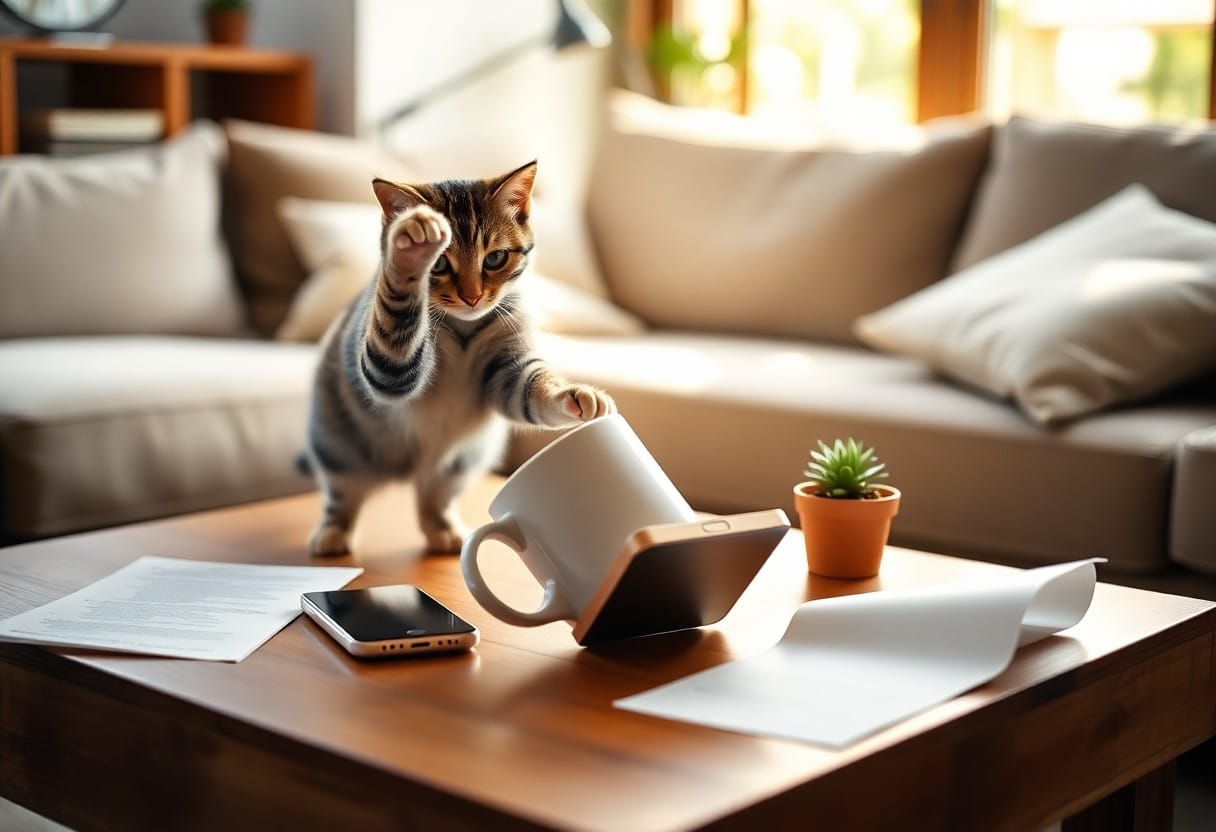
Watch for nonstop crying, frantic scratching, chewing furniture, or targeted elimination; these destructive habits often worsen when departures are imminent and signal that you should modify routines or seek behavior help.
Distinguishing Anxiety from General Boredom
Compare timing and intensity: anxiety peaks around your exits with panic-like signs, while boredom causes sporadic mischief that eases after play; if problems persist despite stimulation, suspect anxiety.
Video monitoring helps you see whether behaviors coincide with departures, show rising panic, or occur randomly; look for physical stress (drooling, pacing, self-injury), repeated house-soiling, or weight loss as danger signs. If enrichment trials and short departures don’t reduce symptoms, pursue veterinary assessment and behaviorist guidance.
Environmental Enrichment for Solitary Hours
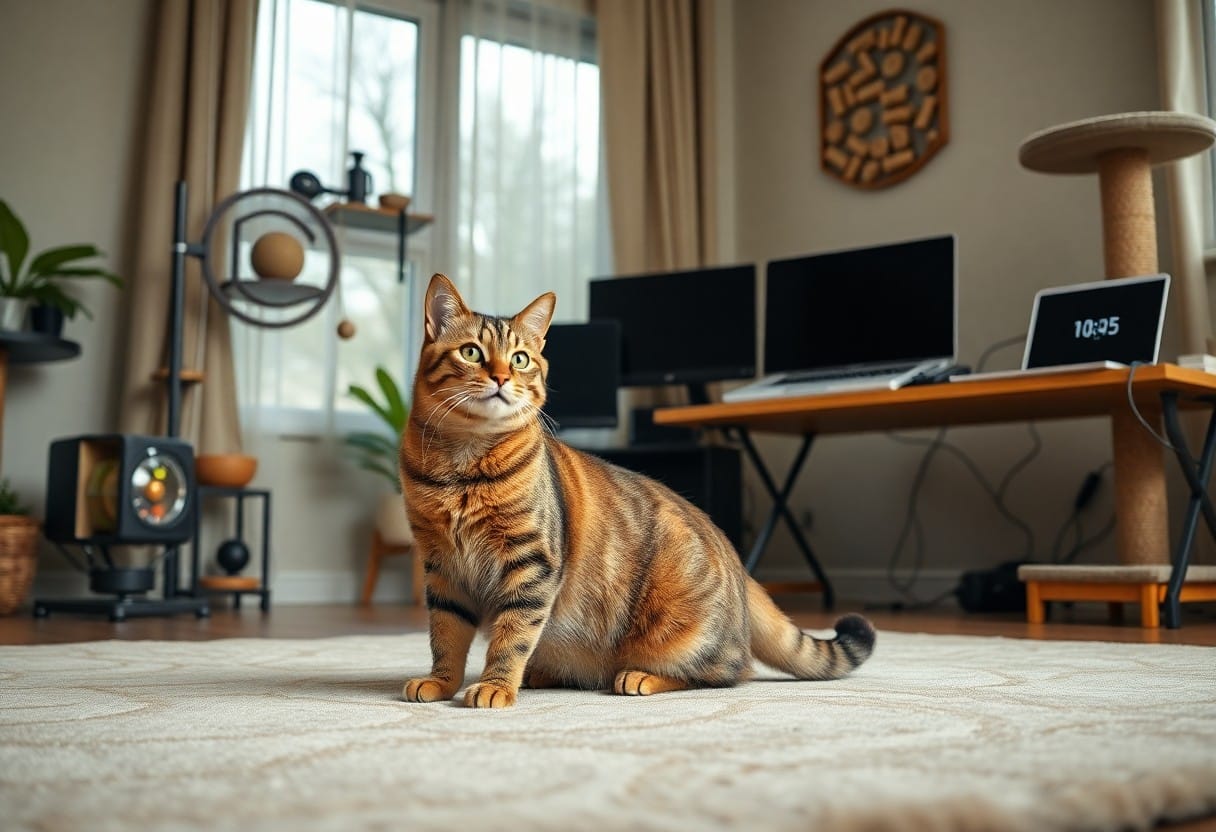
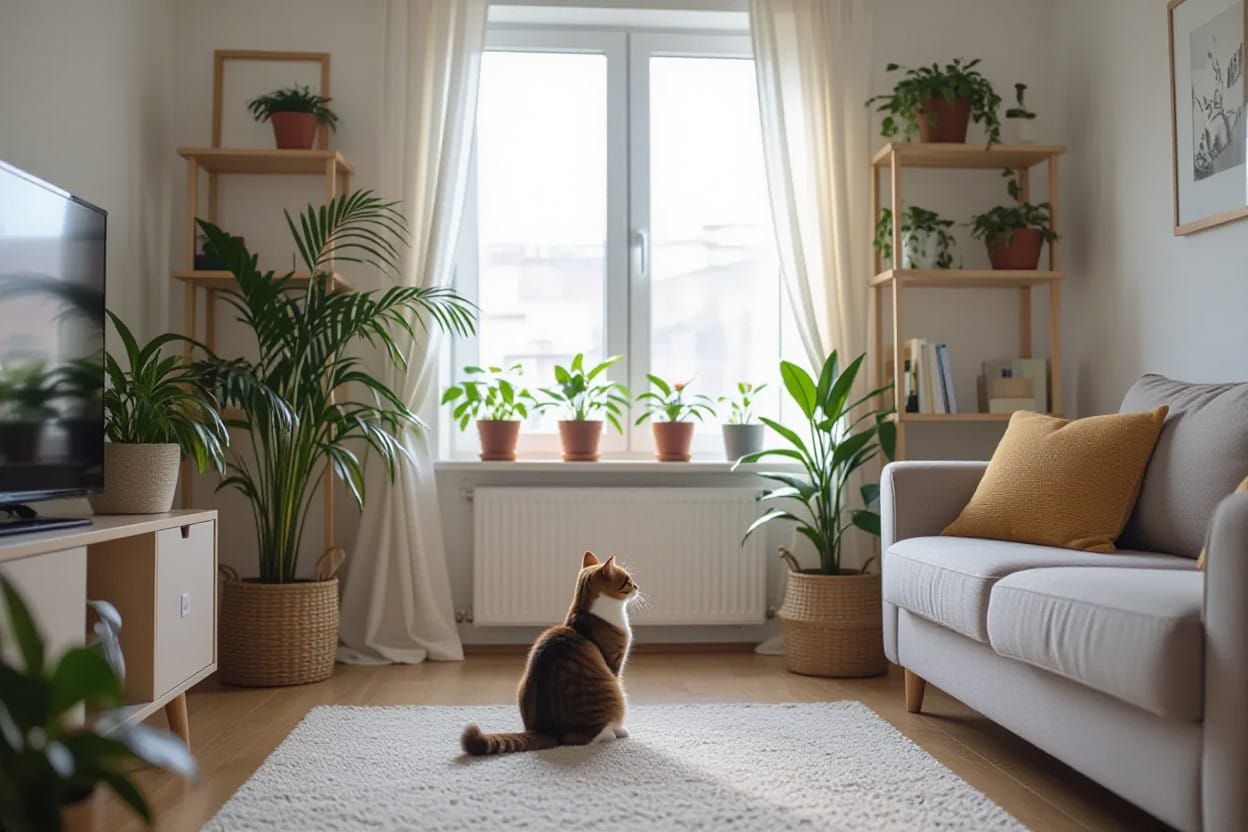
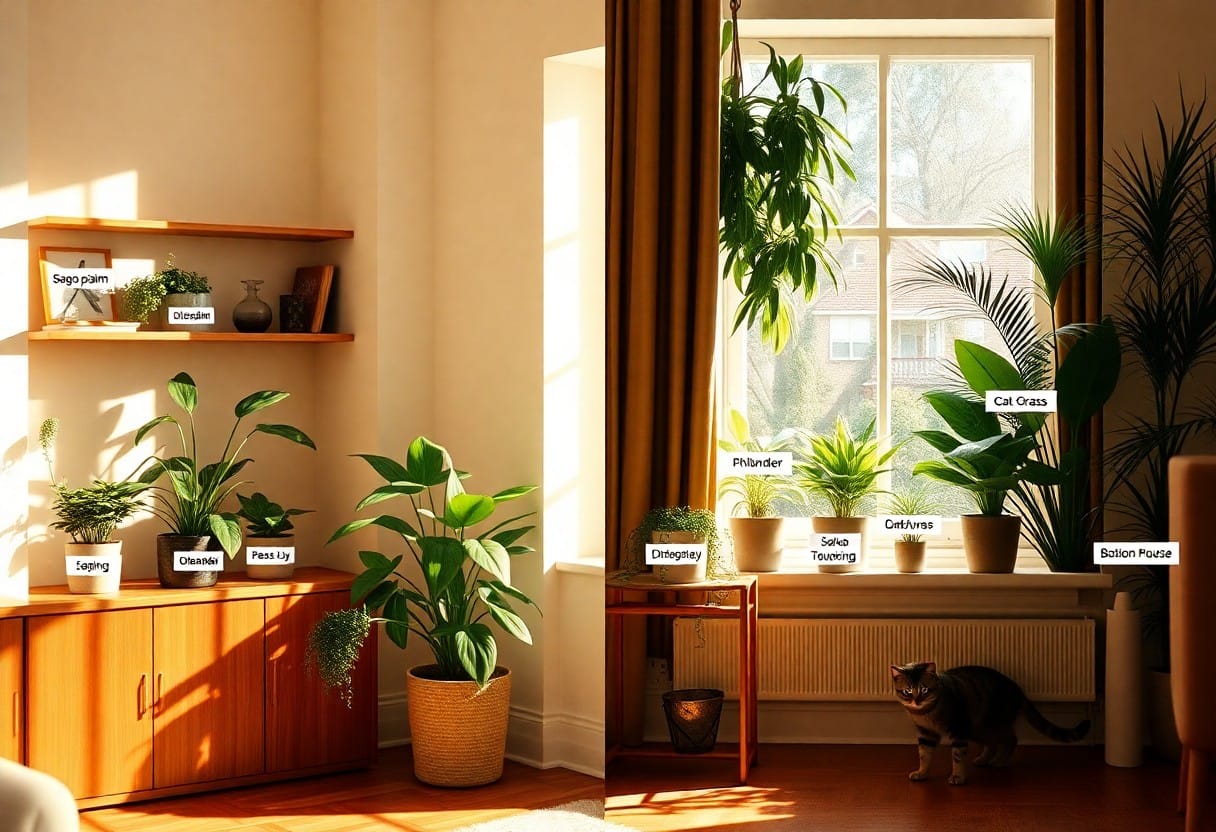
Set varied hiding spots, climbing routes and puzzle feeders so you give your cat options during solitary hours; include window perches and safe hideaways to reduce boredom and stress.
Maximizing Vertical Territory and Safety Zones
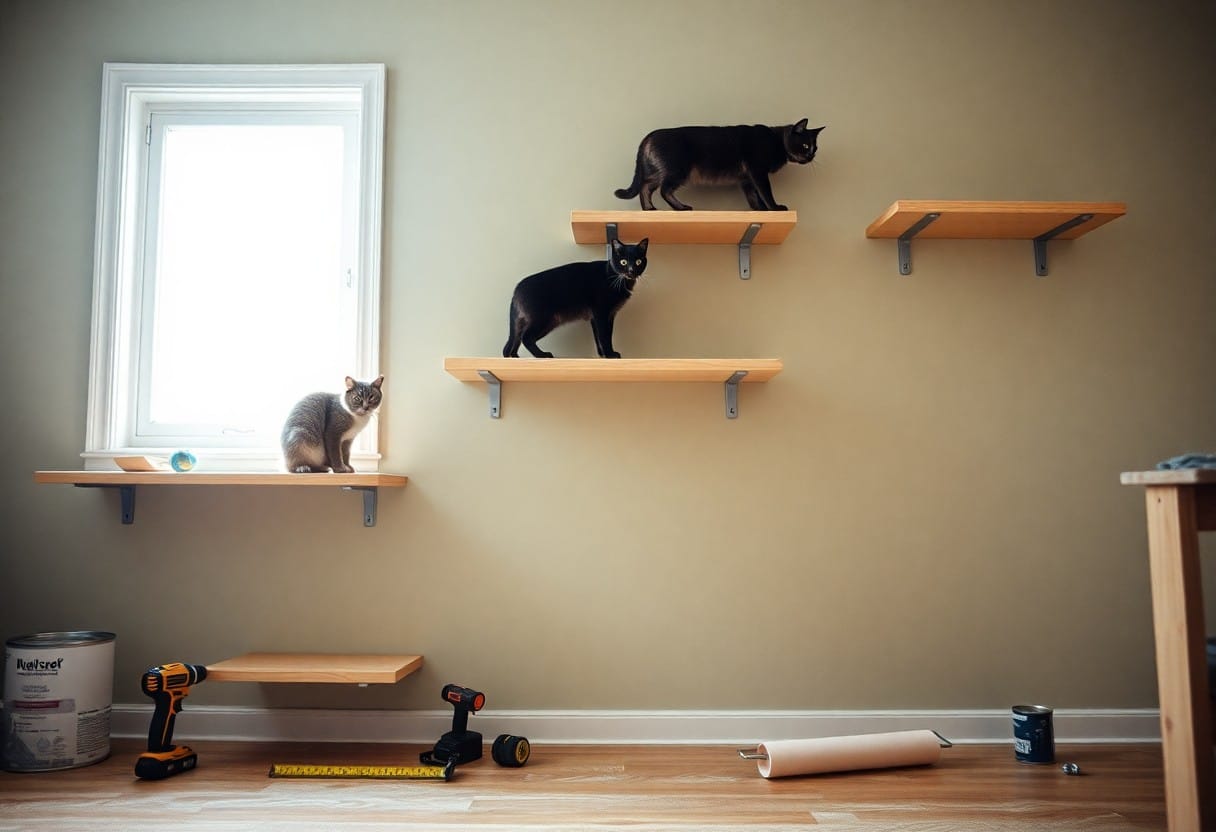
Install sturdy cat trees and shelves so you give your cat vertical escape routes; make sure platforms are secure and anchored to prevent falls, and place safe zones away from busy doors to lower anxiety.
Implementing Visual and Auditory Stimulation
Provide timed bird or small-animal videos and low-volume nature sounds so you give your cat engaging stimuli; schedule varied content, use calming playlists, and avoid startling noises that can provoke fear.
Rotate recorded bird cams, window-facing perches and nature sounds so you keep novelty; use timers to mimic dawn and dusk, keep volumes low, and secure cords and screens to avoid electrical hazards. Live streams can be stimulating but you should monitor for obsession and choose content that reduces pacing and promotes calm exploration.
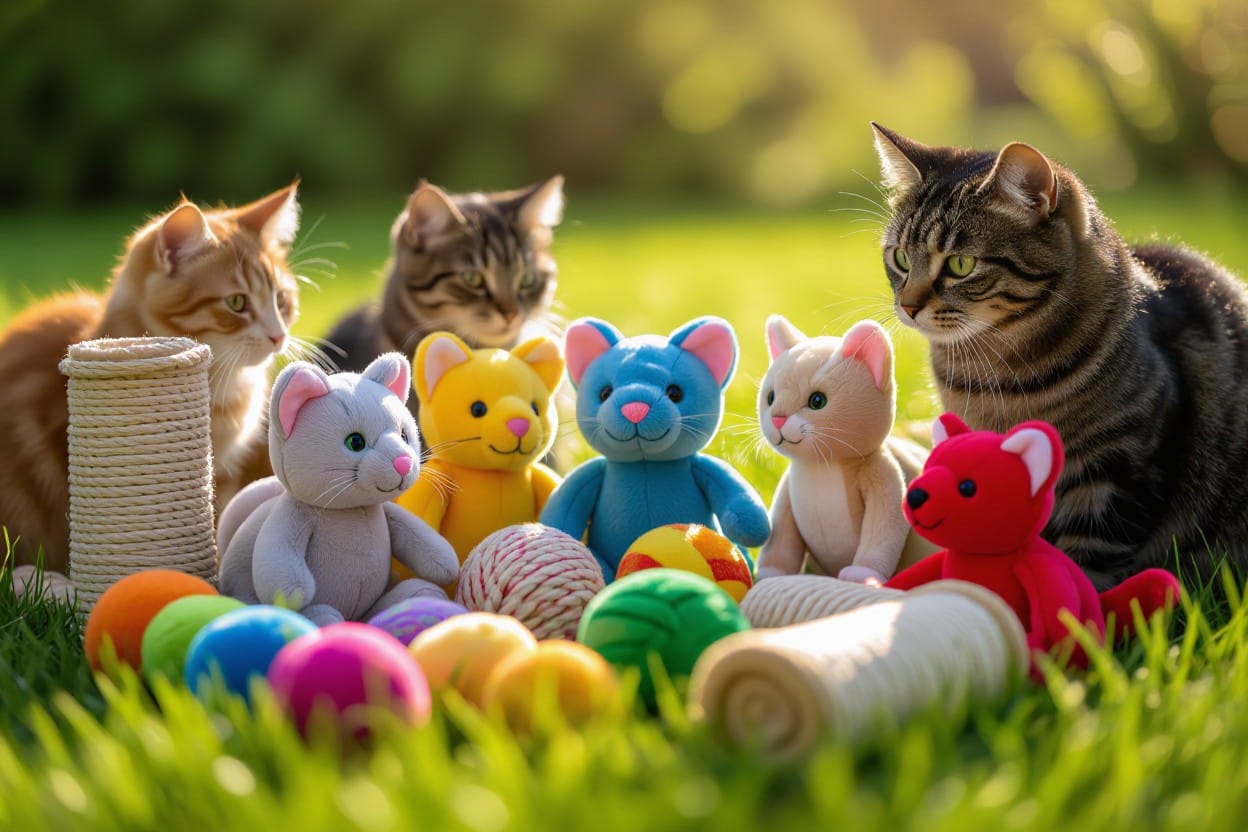
Interactive play keeps your cat engaged and reduces anxiety by teaching you to read their cues; aim for short sessions that mimic hunting, using toys that encourage pouncing and stalking to make you both more confident about time alone.
The Benefits of Foraging and Food Puzzles
Foraging games slow feeding and engage your cat’s brain; you can use kibble puzzles to extend mealtime and give them a safe mental challenge that lowers boredom and separation-driven behaviors when you leave.
High-Intensity Exercise Before Departure
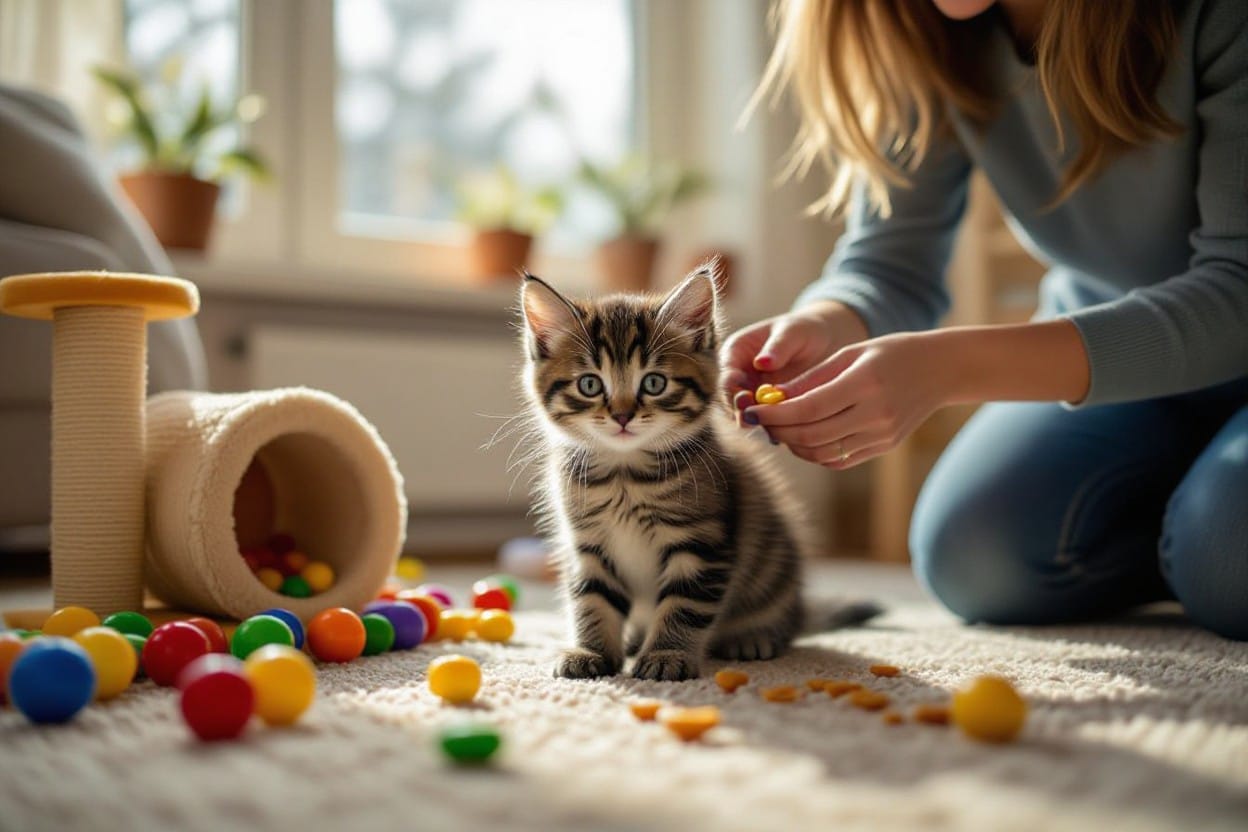
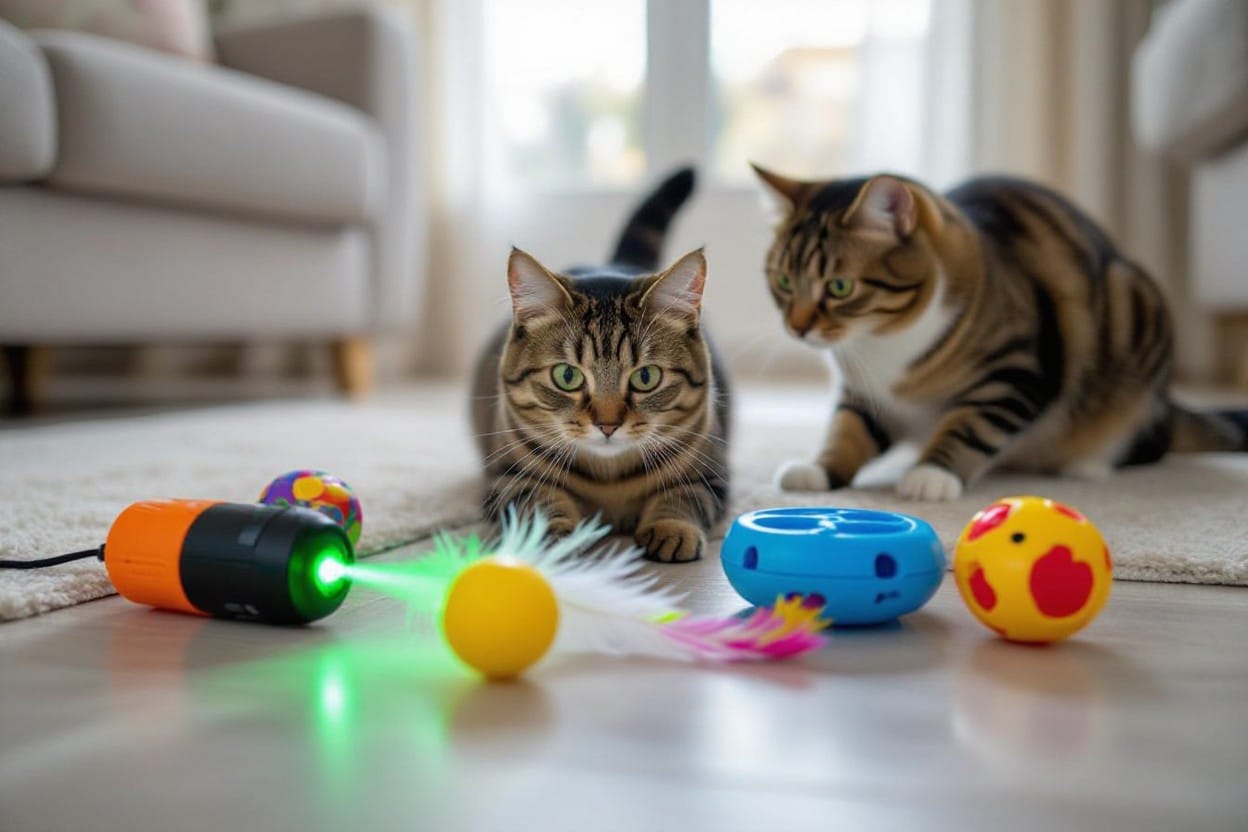
Sprint sessions before you leave tire your cat physically and reduce anxiety; give 5-10 minutes of short, intense play with wand toys so they rest deeply instead of pacing while you’re gone.
Targeted high-intensity sessions mimic hunting: aim for 5-15 minutes of rapid chases with fluttering wand toys, ending with a small reward so your cat feels satisfied. Watch for labored breathing, excessive drooling, or limping and stop immediately-overheating and injury are real risks. Finish with calm petting and water to increase the chance they sleep through your absence.
Modifying Owner Departure Routines
Modify your departure routine by prepping toys and treats, practicing quiet key handling, and making exits short and calm so your cat doesn’t pair leaving with panic.
Desensitizing Cats to Departure Triggers
Practice brief mock departures several times daily so your cat learns cues like keys or coat are neutral; you should give high-value treats and slowly extend leave duration to build tolerance.
Managing Low-Key Arrivals and Departures
Keep arrivals and departures low-key: you should ignore frantic greetings, enter calmly, and let your cat re-engage on its own terms to reinforce calm behavior.
During returns, wait until your cat is settled before offering attention; if you inadvertently reward anxiety, you’ll strengthen it. Use short, soothing interactions, redirect to toys or a treat puzzle to shift focus, and consider a calming pheromone diffuser for persistent distress or consult a behaviorist.
Utilizing Calming Aids and Technology
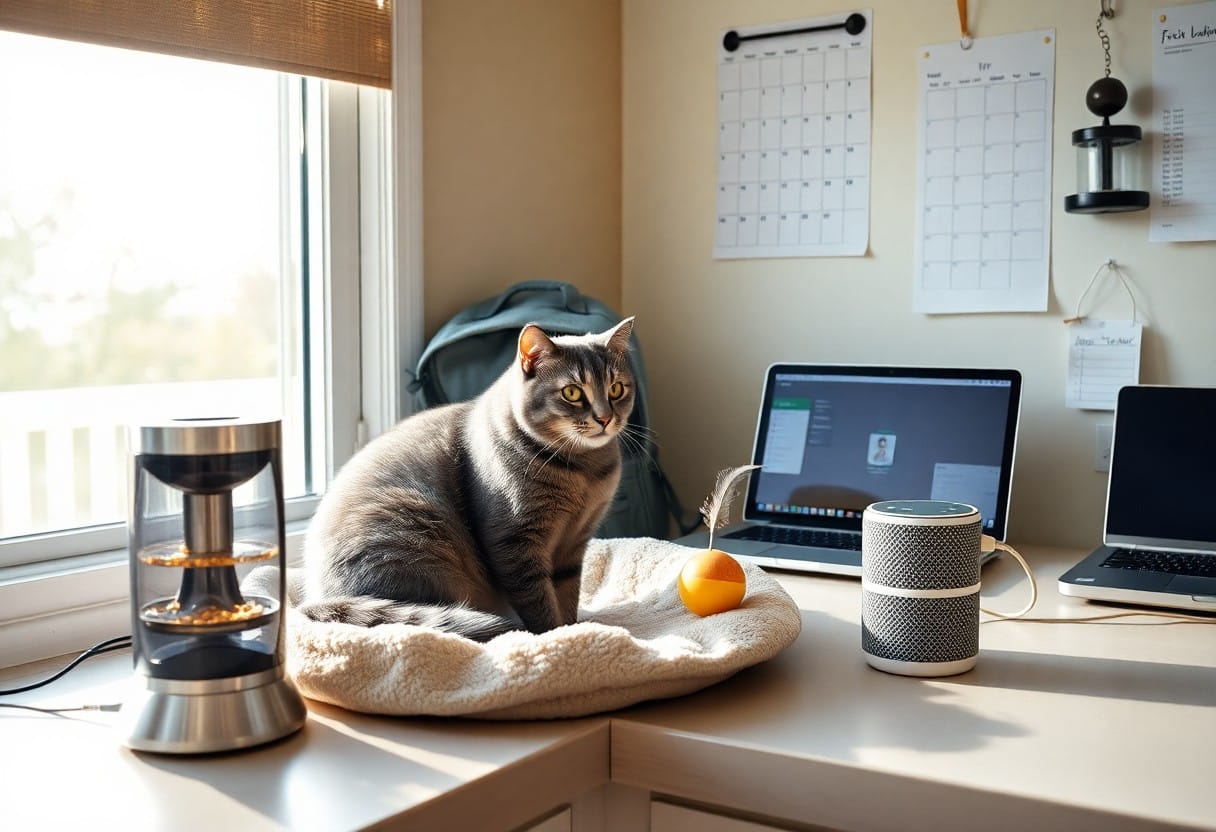
Devices and aids can reduce your cat’s stress while you’re away; combine consistent routines, pheromone diffusers, and interactive tech so your cat gets stimulation and comfort, lowering the risk of destructive anxiety behaviors.
Pheromone diffusers mimic feline facial scents to calm your cat; plug them near favorite resting spots and monitor for reduced stress-related marking and shredding, especially if anxiety had triggered destructive actions.
Remote Monitoring and Interactive Cameras
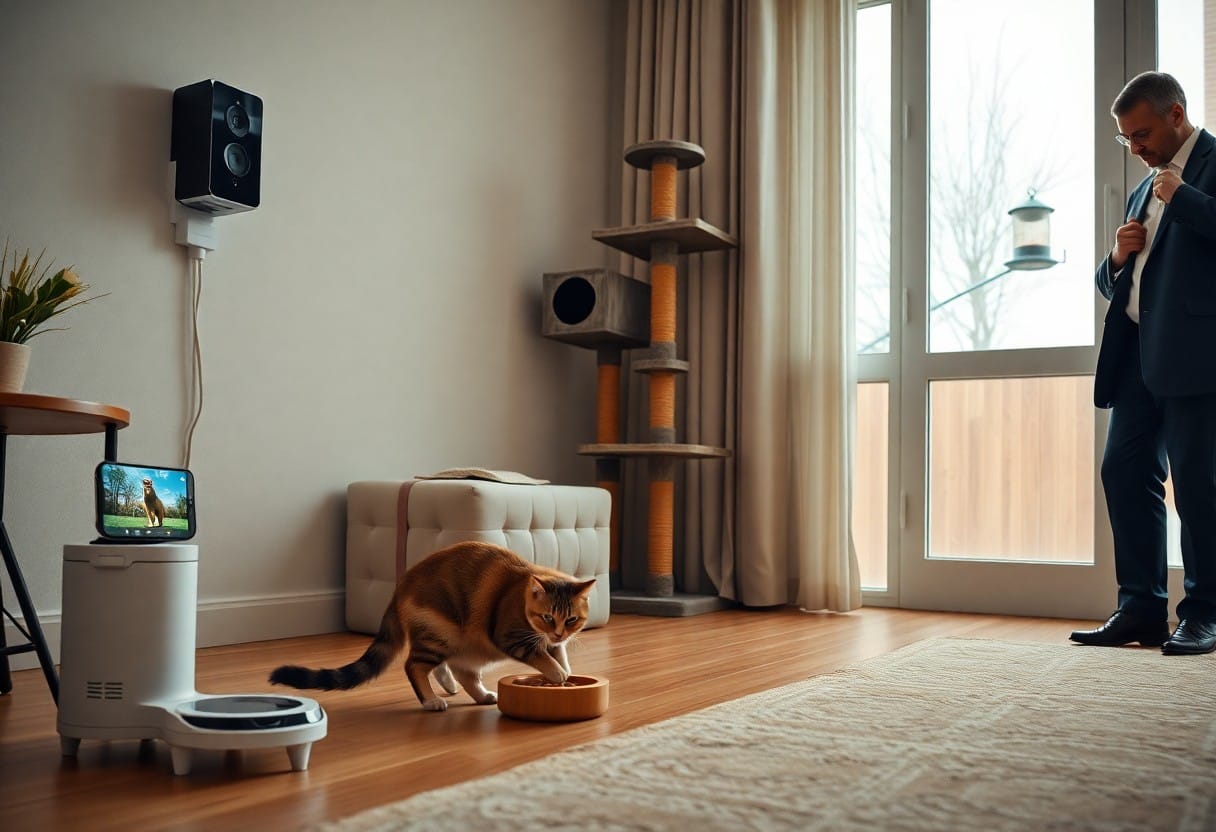
Cameras with two-way audio and treat dispensers let you interact remotely and soothe vocalizing cats; configure alerts and privacy settings to avoid startling or overuse, which can worsen anxiety.
Using interactive cameras gives you real-time insight into your cat’s behavior and lets you deliver calming voice, play, or treats on cue. Choose models with two-way audio, treat dispensers, motion alerts, and scheduling so you can simulate presence. Limit your interactions to prevent overstimulation. Secure devices on a protected network to prevent privacy breaches, and log episodes to share with your vet for targeted help.
Professional Support and Intervention
Professional support helps you identify severe separation anxiety and create a structured plan; work with specialists to combine training, environment changes, and medical options when needed to protect your cat from worsening stress and destructive behavior.
Consulting with Certified Feline Behaviorists
You can work with a certified feline behaviorist for tailored strategies, in-home assessments, and practical departure drills that reduce anxiety triggers while training you on subtle stress cues and consistent routines.
Clinical Evaluation and Medical Options
Veterinarians assess health issues, screen for pain or thyroid problems, and discuss behavioral meds; combining therapy with short-term medication can prevent escalation and improve training success.
During a clinical evaluation, the vet will perform a physical exam, run bloodwork (including thyroid and organ panels), and review your cat’s behavior history to rule out medical causes; if needed, they may prescribe SSRIs, TCAs, or short-term anxiolytics and set a follow-up schedule to monitor side effects and ensure medications complement behavior therapy, preventing self-harm or severe decline.
To wrap up
From above you should establish consistent routines, provide enrichment and gradual alone-time training so your cat stays confident while you work; seek veterinary or behaviorist help if signs persist to protect welfare and sustain a healthy owner-cat bond.
FAQ
Q: What signs indicate my indoor cat has separation anxiety rather than normal alone-time stress?
A: Signs of separation anxiety include persistent vocalization immediately after you leave, destructive behavior focused on doors and windows, inappropriate elimination on bedding or near exits, excessive grooming creating sores, and extreme clinginess or aggression when you return. Mild stress often looks like brief hiding or short bouts of meowing, while anxiety produces prolonged distress that disrupts sleep, appetite, or causes injury. Keep short video recordings of alone time to document timing and triggers and share them with your veterinarian or a feline behaviorist for assessment.
Q: What daily routine and home adjustments help prevent separation anxiety for working owners?
A: Establish a consistent schedule for feeding, play, and departures so your cat learns predictable patterns. Schedule at least one intense play session before you leave to tire your cat, and a calm interactive session when you return to reward relaxed behavior. Provide food puzzles, timed feeders, and multiple hiding spots plus vertical spaces and window perches to create stimulation and safe retreats during the day. Rotate toys and introduce short-lived novel items to encourage exploration, and leave clothing with your scent or low-volume background sound like a radio to reduce sudden silence. Use a feline pheromone diffuser to lower baseline stress in many cats.
Q: How do I train my cat to tolerate being alone, and when should I seek professional help?
A: Start desensitization with very short departures-step outside for a few seconds and return calmly-then slowly increase duration over days or weeks while rewarding calm behavior with treats or gentle petting. Pair departures with engaging enrichment such as a puzzle feeder released only when you leave so the cat forms positive associations with alone time. Avoid punishment for anxious behavior because it increases fear. If consistent training and environmental changes produce little improvement after several weeks, or if your cat shows self-harm, severe weight loss, or nonstop vocalizing, consult your veterinarian to rule out medical causes and consider a referral to a veterinary behaviorist for behavior modification plans and possible medication.