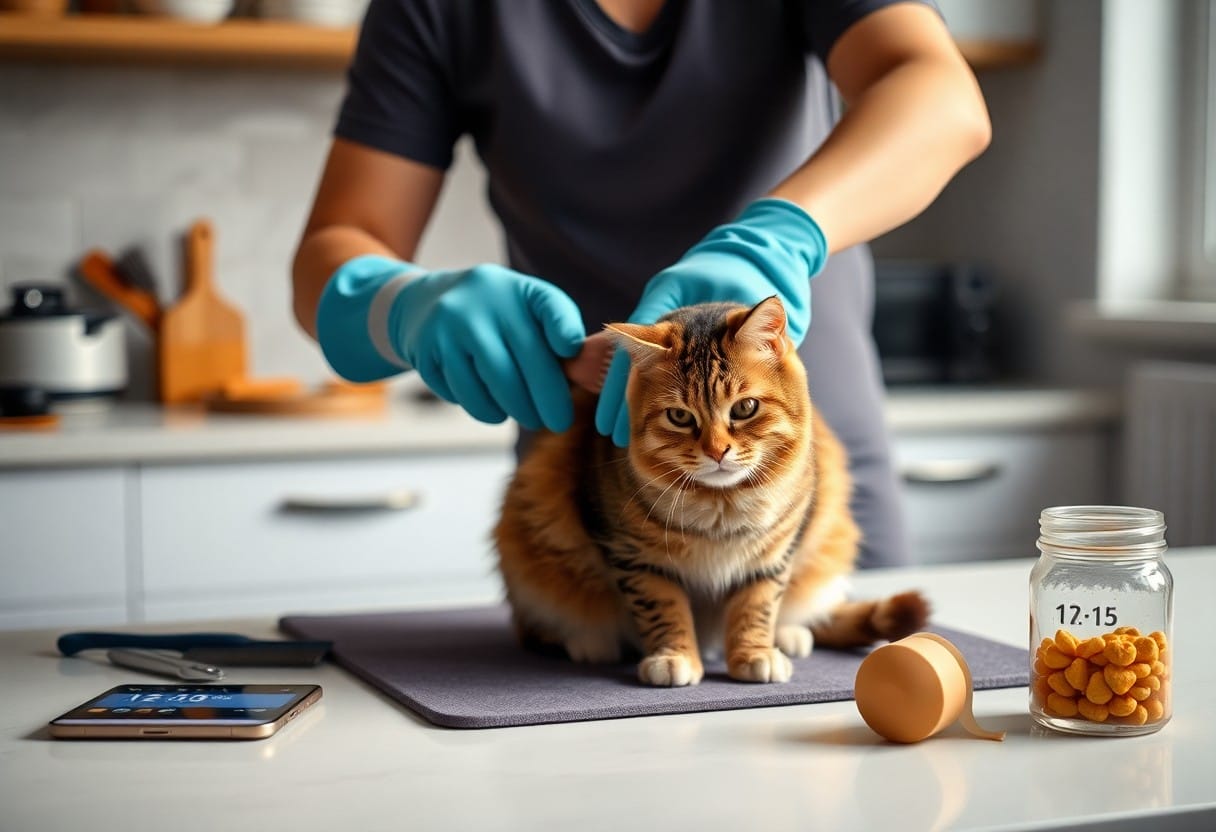
Over short daily sessions you can keep your cat healthy and calm: spend 3-5 minutes brushing to reduce hairballs and shedding, check for mats, wounds, fleas, and sore spots, trim nails gently, wipe eyes and ears, and praise your cat to reinforce trust; if you find bleeding, persistent limping, or sudden behavior change, seek veterinary care immediately because these are danger signs, while consistent grooming builds coat shine and bonding, giving you a healthier, happier pet.
Understanding Your Cat’s Grooming Needs
You’ll adjust routines based on age, activity and coat: kittens need gentle daily handling to build tolerance, adult cats benefit from 5-15 minute sessions 2-7 times weekly, and seniors often require more frequent checks for mobility-related matting. Watch for changes in appetite, weight or coat texture as early signs of underlying issues; if you spot hair loss or persistent sores, consult your vet promptly.
Coat Types and Their Maintenance
You’ll match tools and timing to coat: short-haired cats usually need brushing 1-2× weekly, medium coats 2-3×, and long-haired breeds daily with detanglers to prevent mats; double-coated breeds require seasonal deshedding tools, while hairless cats need gentle wipes and sun protection. After you pick the right brush and schedule, shedding, matting and skin irritation drop significantly.
short-haired
medium
long-haired
double-coated
hairless
Short-haired
Brushing 1-2× weekly with rubber brush; good for Bengals, Domestic shorthair
Medium-haired
Brushing 2-3× weekly with slicker brush; trims for neck and belly mats
Long-haired
Daily combing + occasional professional trims; Persian and Maine Coon need mat checks
Double-coated
Deshed 1-2× weekly and during seasonal blowouts using undercoat rake
Hairless
Weekly gentle wipes, skin moisturizer as directed and sun avoidance
Skin Health Considerations
You should scan your cat weekly for redness, scabs, flaky patches, or lumps and note excessive scratching or licking; fleas, fungal infections and allergic dermatitis commonly present as intense itch and localized hair loss. If you find open wounds, persistent bleeding or severe swelling, seek veterinary attention right away to prevent infection.
Perform a monthly full-body check including belly and between toes, and photograph any lesions to track changes over days; use gloves if needed. Maintain a balanced diet with omega-3 fatty acids to reduce dryness, and limit bathing to cat-formulated shampoos no more than once a month unless your vet advises otherwise. For suspected ringworm or persistent itch, your vet can run a fungal culture, skin scrape or biopsy-early diagnosis often means faster, less invasive treatment and fewer relapses.
Daily Grooming Essentials
Start your session with a quick head-to-tail scan-eyes, ears, coat, and skin-then address problem areas. For long-haired cats you should brush daily, while short-haired cats often do well with brushing 2-3 times per week; nail trims about every 2-3 weeks and ear checks weekly. Be alert for matted fur, which can trap moisture and lead to skin infections, and act early to prevent hairballs and excess shedding.
Keep a compact kit: a slicker brush, a rubber or bristle brush, a fine-tooth comb, and a de-shedding tool for heavy shedders. Add a pair of cat nail clippers, styptic powder for any bleeding, a finger or soft toothbrush plus enzymatic toothpaste, gentle ear cleaner, and grooming wipes. Use a flea comb if needed, and avoid human shampoo-it can irritate your cat’s skin.
Creating a Routine that Works for You
Anchor grooming to daily events like meals or bedtime so it becomes predictable; aim for 5 minutes of brushing daily and a longer 10-15 minute session once a week for full checks. Keep sessions short-under 10 minutes for anxious cats-and reward with 1-3 treats or a short play burst to reinforce calm behavior. Consistency builds tolerance faster than occasional long sessions.
For example, brush for 5 minutes after dinner every day, check ears and teeth on Wednesdays, and trim nails every 2-3 weeks on a set day; if your cat resists, split tasks into two 3-5 minute sessions. Use calm tones and gentle restraint, offer treats after each step, and never force a struggling cat to avoid scratches or bites; steady, positive repetition creates lasting habits.
Time-Saving Grooming Techniques
Use short, focused sessions to keep grooming under 5 minutes most days: a quick brush after meals, nail checks once weekly, and a full comb-through 2-3 times per week for long-haired cats. Keep a small caddy with a slicker brush, grooming glove and wipes by the door so you can act fast. When you pair grooming with feeding or play, you cut handling time and reduce resistance, letting you maintain coat health without long sessions.
Quick Brushing Tips
Start at the face and work toward the tail, brushing with the direction of hair growth in 60-120 second passes to avoid startling your cat; use a slicker brush on dense fur and a grooming glove on short coats for speed. Pause to check for mats and use a detangling tool rather than yanking, reward your cat after 2-5 minutes, and keep sessions consistent so you both adapt. Thou should stop and soothe your cat if you reach a sensitive area.
Slicker brush – removes loose undercoat quickly
Grooming glove – fast, low-stress hair removal
Dematting tool – tackle small tangles safely
Treats – positive reinforcement for cooperation
Efficient Bathing Methods
Limit baths to when needed-typically every 4-6 weeks for long-haired cats or less for indoor short-haired ones-and use a cat-specific shampoo, lukewarm water (about 37-38°C / 98-100°F) and a handheld sprayer at low pressure. Prepare a towel, a non-slip mat, and a quiet room so you can work quickly; rinse thoroughly to prevent residue and dry with a towel before using a low-heat dryer if tolerated.
Prepare by clipping nails and checking ears, then place your cat on a towel-lined counter with a mat to prevent slipping; wet slowly from the neck down, lather with cat shampoo, and rinse for at least 30 seconds per area to remove all soap. Use a second towel to absorb moisture, then a low-heat dryer 10-15 minutes at ~20 cm distance if your cat tolerates it; watch for stress signals like panting or wide pupils and stop if your cat becomes highly agitated.
You can cut visible shedding by brushing 5-10 minutes daily with a slicker brush and using a de-shedding tool once weekly on heavy shedders like Maine Coons; short-haired cats often need only 3-5 minutes daily. Bathing tolerant cats 1-2 times per month helps remove loose hair, and disposing of collected fur in a sealed bin prevents re-deposition onto furniture.
Mitigating Allergic Reactions
Since Fel d 1 is the main cat allergen, you should run a HEPA air purifier (captures ~99.97% of 0.3 µm particles) and vacuum with a HEPA-filtered vacuum at least twice weekly; wash bedding and litter mats weekly to lower surface allergens and reduce airborne load.
You can also create a strict cat-free bedroom and groom your cat outdoors when possible to limit indoor dander; wash your hands after handling, launder throws weekly, and discuss allergy shots or medications with an allergist if symptoms persist-combined measures often cut symptoms substantially for many owners.
Nail Trimming and Ear Care
Nail trimming and ear checks can be done in brief, focused sessions: trim nails every 2-4 weeks depending on wear, and inspect ears at least monthly or when you notice odor or debris. Use cat-specific clippers and a vet-approved ear cleanser, avoid cotton swabs, and keep styptic powder on hand for accidental bleeding; contact your vet if bleeding lasts more than 10 minutes or if you see swelling or discharge.
The Importance of Nail Maintenance
Keeping nails short prevents damage to furniture and reduces the chance your cat will cause accidental injuries; aim to cut about 1-2 mm off the tip to avoid the quick. Use a quick, confident snip with clippers made for cats or a small file for timid cats, and trim black nails in very small increments if the quick isn’t visible. Pair trims with treats and short sessions to build tolerance.
Keeping Ears Clean and Healthy
Check inside your cat’s ears weekly by lifting the flap and looking for brown or black crumbly debris, foul odor, redness, or excessive wax-common signs of infection or ear mites. Clean only when you see debris using a vet-recommended cleanser and cotton balls; never push objects into the canal. Seek veterinary care if your cat shows pain, persistent head shaking, or visible blood.
When you clean, warm a few drops of cleanser to body temperature, gently squeeze into the ear canal, massage the base for 20-30 seconds, then let your cat shake and you wipe away loosened debris with a cotton ball. Repeat on the other ear only if needed and limit routine cleaning to monthly unless your vet advises more. Persistent discharge, blood, or intense scratching requires immediate veterinary evaluation; kittens with coffee-ground material often need ear-mite treatment.
Building a Bond Through Grooming
Grooming becomes a language between you and your cat: 5-10 minutes daily of gentle brushing signals trust and reduces shedding while giving you cues-purring, kneading, or turning away-that guide pace and pressure. Use long strokes along the spine and avoid forcing belly contact; if you find matted fur or parasites, pause and address them to prevent skin infections. Over weeks, consistent short sessions deepen attachment and make other care tasks easier.
Grooming lowers stress for both of you: studies show gentle petting raises oxytocin and reduces cortisol in owners and pets, so a brief brush after work can calm you both. You’ll often see improved sleep and more relaxed behavior within days when you groom 3-5 times weekly. Sharing this quiet routine builds trust and makes vet visits and handling less traumatic over time.
Making Grooming a Positive Experience
Start slow with 2-3 minute sessions, offer a high-value treat like cooked chicken, and use a soft brush or grooming glove to match coat type; stop immediately if your cat hisses or swats and try again later. Praise calmly and keep sessions predictable-same place, same time-to build comfort. Avoid forcing restraint; gentle towel support is better when necessary.
Let your cat inspect the tool for 30-60 seconds, then begin with 5-10 short strokes along the back, increasing to 15-30 strokes as tolerance grows; switch to a fine-toothed comb for tangles and a slicker brush during heavy shedding. When you encounter mats, apply detangling spray and work from the mat edge, but never pull hard; severe mats may need professional removal. Trim nails every 2-3 weeks and reward each successful step with praise or treats.
Final Words
The simple daily grooming routine helps you keep your cat healthy and comfortable with minimal time investment; by brushing daily, inspecting coat, ears and eyes, wiping paws, and trimming nails when needed, you prevent matting and skin problems, reduce stress, and strengthen your bond while catching health issues early.
FAQ
Q: How can I fit a grooming routine into a very busy day?
A: Spend 2-5 minutes once or twice daily on focused tasks: a quick brush with a grooming glove to remove loose hair, a short paw and nail check, and a fast ear/eye inspection; keep a small grooming kit in a consistent spot so you can grab it between tasks, and pair grooming with a feeding or play session so it becomes predictable for your cat.
Q: What are the simplest tools and techniques to prevent mats and hairballs?
A: Use a soft brush or grooming glove daily for short-haired cats and a wide-toothed comb plus a slicker brush for long-haired breeds; remove tangles gently with a dematting tool only when needed, increase brushing during shedding seasons, provide fresh water and hairball-formula food or gel, and offer vertical and abrasive surfaces like scratching posts to help shed loose fur naturally.
Q: What quick daily checks will help spot grooming or health problems early?
A: Scan your cat each day for signs of trouble: clear eyes with no discharge, clean ears free of odor or dark wax, healthy pink gums and no excessive drooling, skin free of redness, bumps or parasites, and normal paw pads and nails; if you find persistent discharge, swelling, wounds, sudden coat changes, or behavioral shifts, contact your veterinarian promptly.