Getting Started: Why a Calm Grooming Routine Matters
You’ve probably noticed the massive shift towards cooperative care in the vet world recently – treating pets as partners rather than subjects to be restrained. It’s huge because forcing a brush through a matted coat creates a negative feedback loop where cortisol levels spike, making your cat fight harder next time. By establishing a relaxed vibe, you aren’t just saving your skin from scratches; you’re actually training their nervous system to associate the brush with safety. So when you prioritize their comfort over speed, the grooming actually gets done faster.
Setting the Stage: How to Prepare Your Grooming Environment
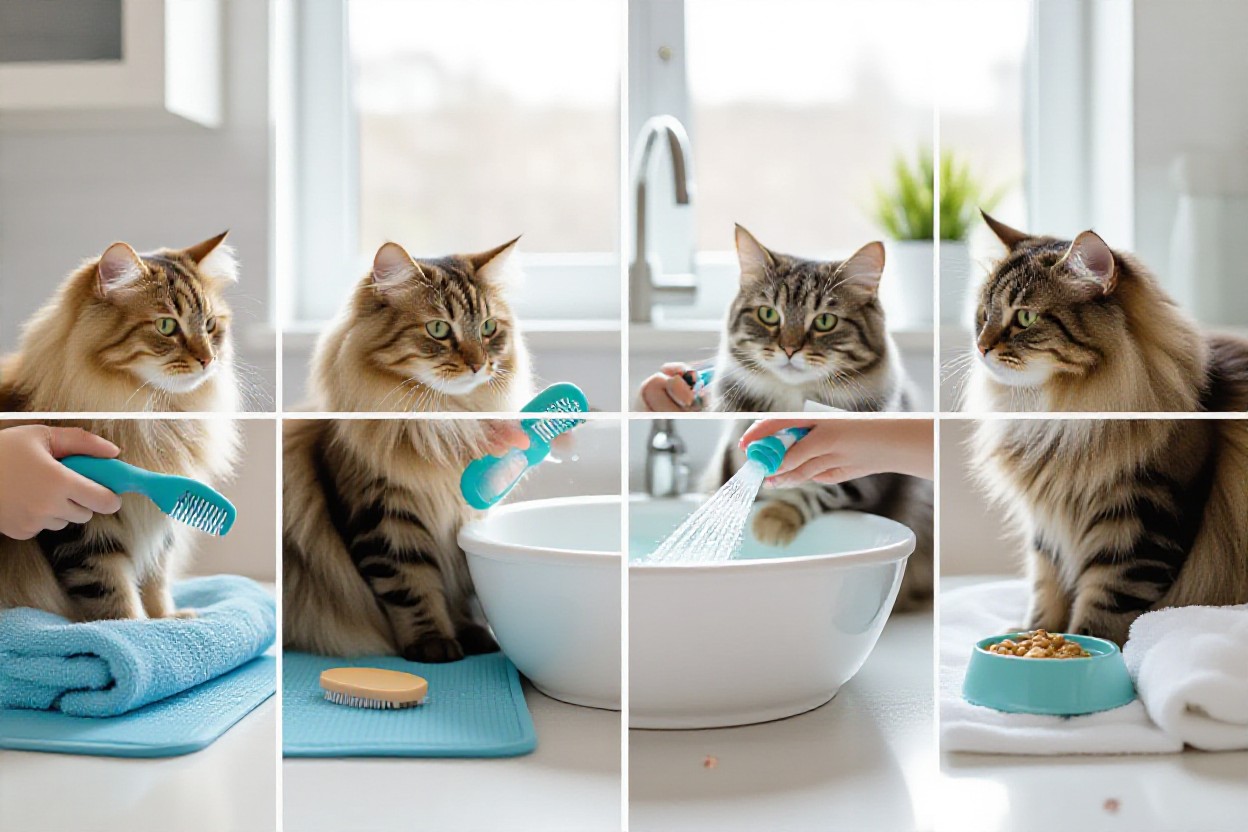
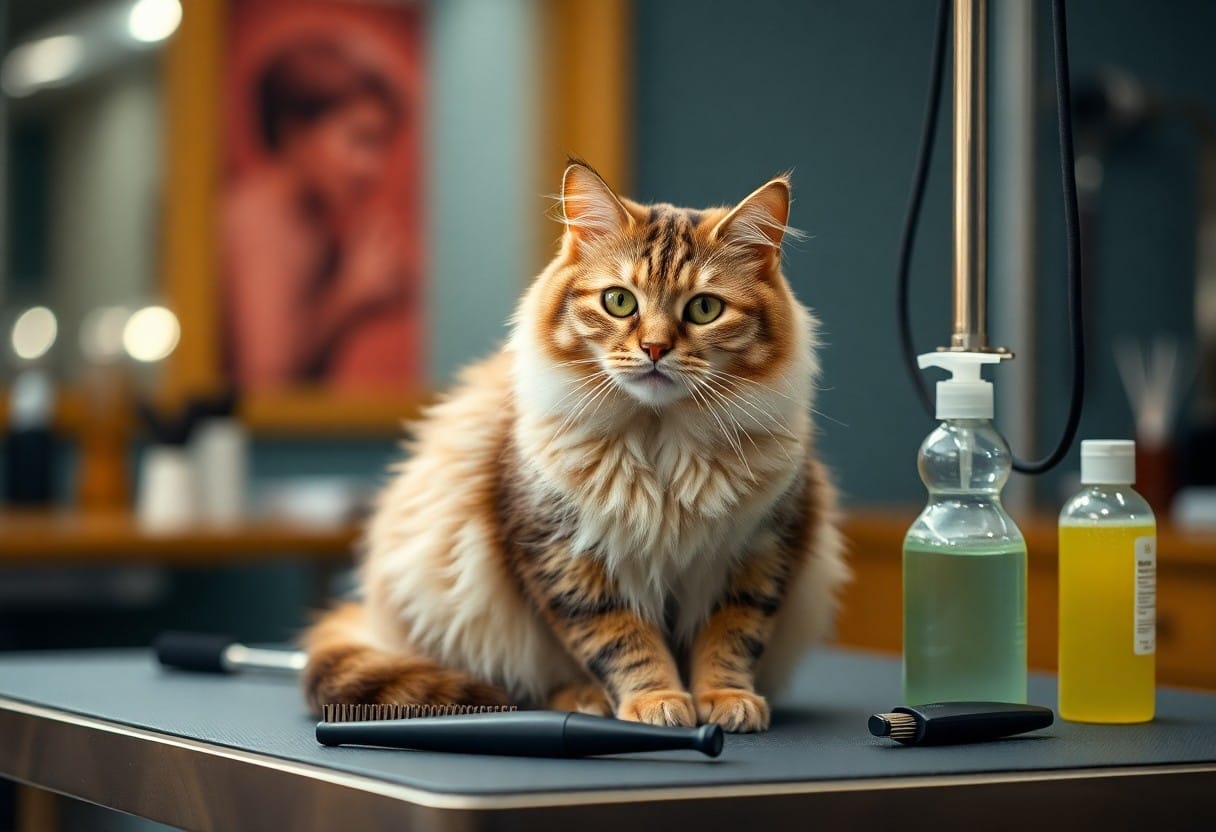
Unlike those sterile, stainless-steel tables at the vet that scream “danger” to a feline, your home setup needs to scream “nap time.” You can’t just chase Fluffy into a corner and hope for the best. Instead, pick a small, enclosed room like a bathroom or laundry room where escapes are impossible but comfort is high. By limiting the space, you actually lower the anxiety because there’s less territory to defend, making the whole process feel less like a battle and more like a bonding session.
Lighting That Makes Sense
While you might need a spotlight to trim your own eyebrows, blasting your cat with clinical bright lights is a recipe for panic. Cats feel exposed under harsh glare. Try using natural light from a window or dimming the overheads and using a small, directed lamp just for the area you’re working on. It’s about balance. You need to see the mats, but your cat needs to feel hidden. Soft, warm lighting helps trigger a rest state, tricking their brain into thinking it’s evening chill-out time rather than inspection time.
Choosing the Right Surfaces
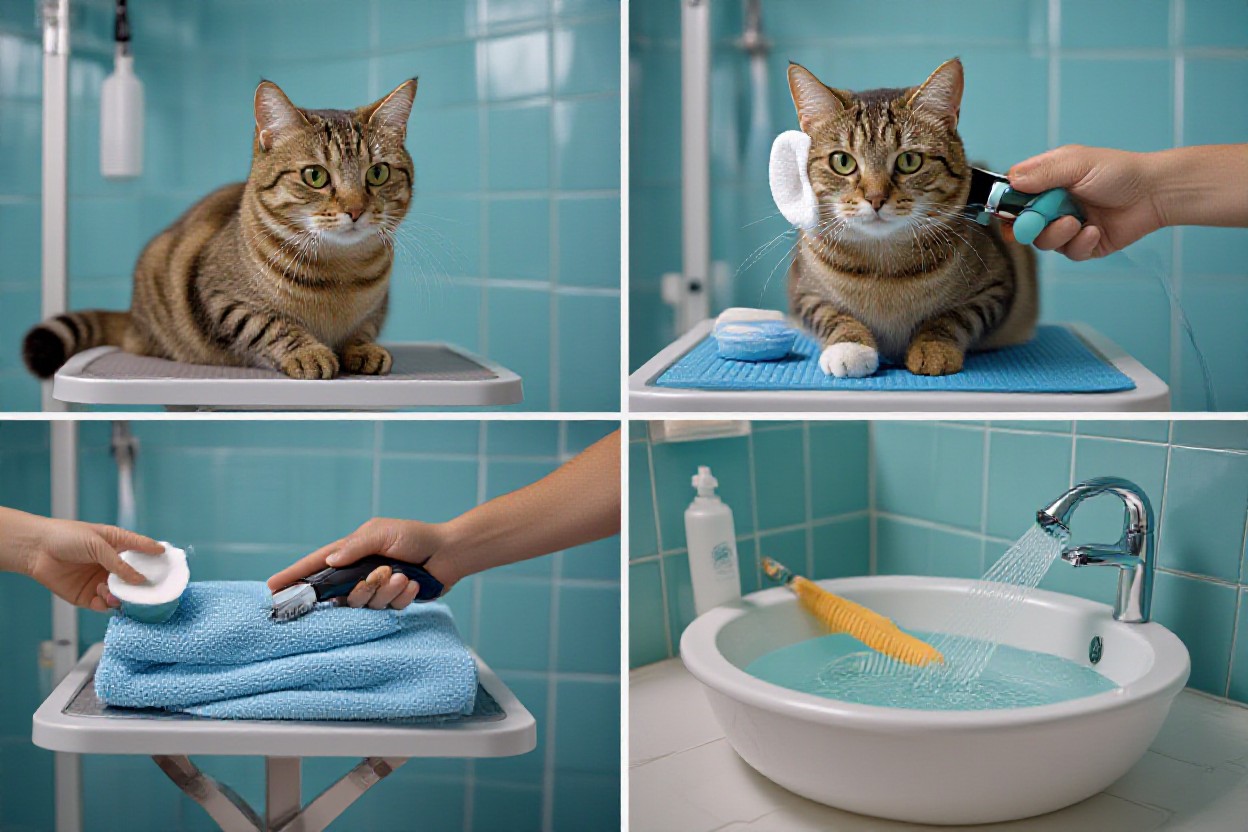
Putting a cat on a slick counter is like asking them to ice skate – they panic when they can’t get a grip. Traction is everything here. If their paws slide, their claws come out. Always cover your grooming table or washing machine top with a non-slip yoga mat or a rubber-backed bath rug. This simple change gives them physical stability, which translates directly to emotional security. When they feel grounded, they stop scrambling to escape and start tolerating the brush.
Floor grooming might seem easier, but it actually puts you in a submissive, awkward position where you can’t control the cat’s movement effectively. Elevating your cat to waist height changes the dynamic completely. It saves your back – obviously – but it also signals to the cat that this is a procedure, not play time. Use a sturdy table pushed against a wall to block one escape route. Just make sure that surface is rock-solid stable; a wobbly ironing board is going to terrify a nervous cat faster than the sight of nail clippers.
Timing Your Grooming Sessions
Trying to de-shed a cat during their 3 AM “zoomies” window is a rookie mistake that ends in scratches. You have to work with their natural energy cycle, not against it. Catch them when they are already drowsy. The absolute golden hour is usually right after a heavy meal when the “food coma” sets in. Their defenses are down, their belly is full, and they are naturally inclined to sit still. This isn’t about wearing them out; it’s about capitalizing on their biology.
Most people try to do everything at once, but forcing a 30-minute session on a skeptical cat creates a negative association that lasts for months. Stop thinking in terms of “finishing” and start thinking in terms of “tolerating.” Keep the first few sessions to under two minutes. Seriously. If you get three nails clipped and stop while they’re still calm, you’ve won. You can always come back an hour later. Ending on a high note before the tail starts twitching prevents that dreaded fight-or-flight response from becoming a habit.
Ever wonder why your cat acts like you’re plotting a murder when you just want to brush them? It’s usually because we rush the process. So, let’s slow it way down. You’re going to follow a routine that prioritizes calmness over speed, ensuring your kitty feels safe rather than ambushed in their own living room. By breaking the session into micro-steps, you stop the anxiety spiral before it even starts.
The Phase
Your Goal
Preparation
Gather tools beforehand so you aren’t fumbling and creating nervous energy.
Connection
Establish physical contact without tools to lower their heart rate.
Action
Perform the grooming task in short, 30-second bursts.
Reinforcement
Pair every action with a high-value reward immediately.
Starting Off with Touch: Building Trust
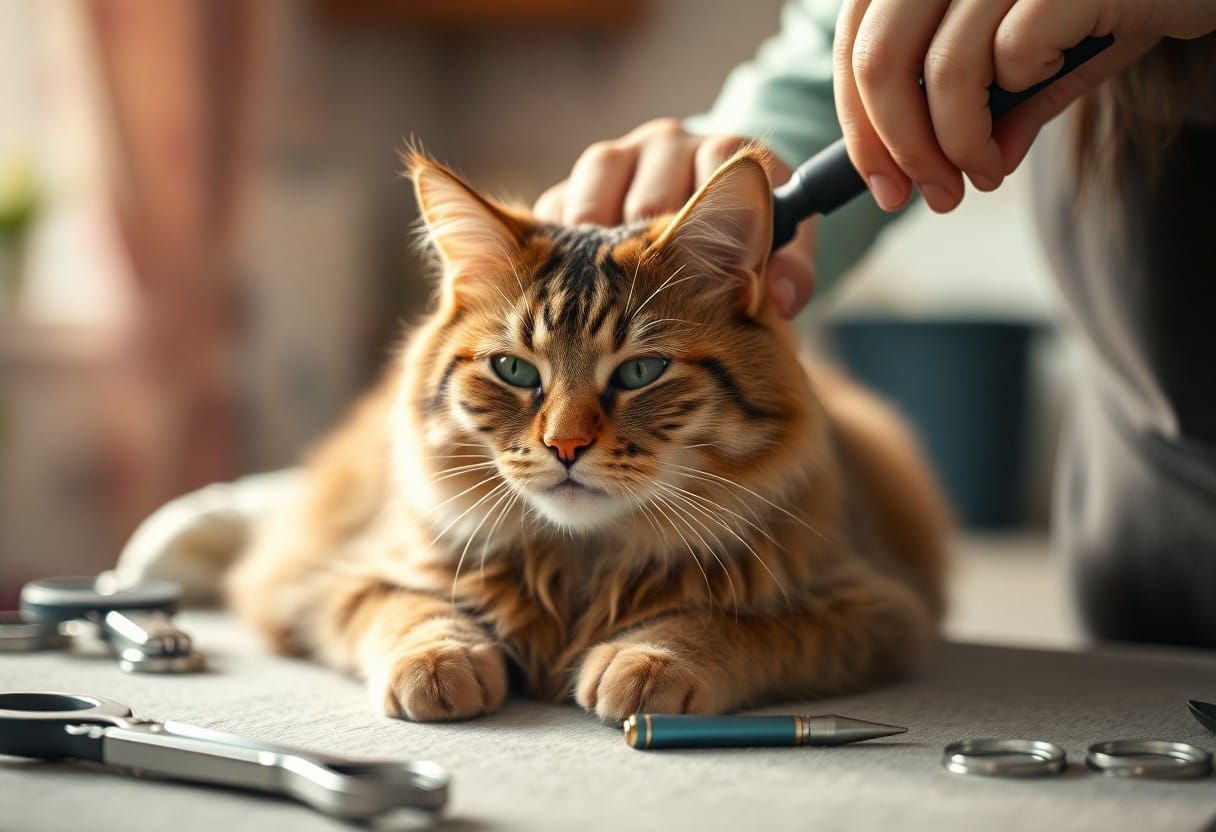
Why reach for the tools immediately when your hands are the best reassurance you have? Start by petting your cat in their favorite spots – usually behind the ears or under the chin – to get that purr motor running. You want to mimic grooming motions with your fingers first, checking for any sensitive areas or mats without the scary equipment involved. If you feel them tense up or see that tail start twitching, back off immediately. It’s about showing them that your touch predicts pleasure, not pain.
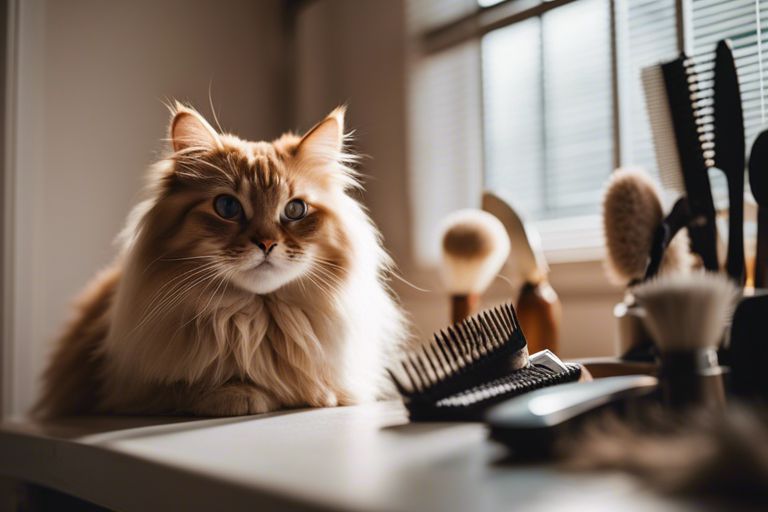
Does your cat turn into a liquid ninja the second the brush touches their back? That’s probably because long, dragging strokes feel uncomfortable on sensitive skin. Instead, keep your movements short and gentle, focusing on the shoulders and neck where they already enjoy being petted. You should never force the brush through a tangle – that pulls the skin and hurts like heck. Just let the tool glide over the top coat to start, removing loose hair without digging in deep.
And here’s a pro tip that changes everything: stop trying to do the whole cat in one sitting. Seriously. Focus on one section at a time, maybe just the left flank today and the right one tomorrow. If you’re dealing with a long-haired breed like a Maine Coon or Persian, use a wide-toothed comb for the armpits and britches since slicker brushes can miss deep knots. But watch those ears. The second they flatten sideways – what vets call “airplane ears” – you need to stop. Pushing past that warning sign is exactly how you get scratched and lose their trust for next time.
Tackling Those Nails: Safe Claw Clipping
Is there anything more nerve-wracking than holding a sharp object near your wiggling pet’s toes? Take a deep breath. Gently press the center of the paw pad to extend the claw – you don’t need a death grip on their leg. Your only target is the sharp white hook at the very tip. Stay far away from the pink part inside the nail, known as the quick, which is full of nerves and blood vessels. If you’re unsure where the quick ends, less is definitely more.
Lighting is your best friend here. Try sitting near a window or using a headlamp so you can clearly see where the pink quick ends and the safe white nail begins. And hey, if you only get one or two nails done before they get squirmy, that’s a win. Call it a day. It’s much better to clip one nail a day over two weeks than to traumatize your cat by wrestling them for all ten at once. Always keep some cornstarch or styptic powder within arm’s reach just in case you nip too close – it stops bleeding instantly and helps you stay calm too.
Treat Breaks: Keeping It Fun
Who says you have to wait until the ordeal is over to reward them? Continuous reinforcement creates a positive association with the process right now, not later. Keep a stash of their absolute favorite snacks – we’re talking high-value treats like freeze-dried chicken or lickable purees – right next to your grooming tools. Offer a lick or a bite after every few brush strokes or every single nail clip. You are literally bribing them into compliance, and it works like a charm.
But it’s not just about filling their belly. Using food actually changes their brain chemistry during the session. Chewing and licking are naturally soothing behaviors for cats. So if your cat is too stressed to take a treat, that is a huge red flag that you’ve pushed too far. Stop immediately. On the flip side, always end your session – even if it was just 30 seconds long – with a “jackpot” reward. This ensures the last memory they have of the grooming mat is a mouthful of something delicious, making them way more likely to hop up on your lap next time you bring out the brush.
My Take on Understanding Your Cat’s Body Language During Grooming
I used to think my tabby, Miso, just hated the brush out of nowhere, but she was actually screaming at me with her tail for five minutes before she finally snapped. You have to become a translator of tiny movements because cats are subtle masters of communication. Ignoring these silent shouts is the number one reason grooming sessions fail, turning a bonding moment into a battlefield. It’s not about dominating them or getting the job done fast – it’s about listening when they say “stop” or “keep going” so you don’t ruin the trust you’ve built.
Ever seen that weird skin ripple along their spine? That’s not a tickle – it’s a warning system firing off. Watch for the “airplane ears” that flatten sideways or a tail tip that starts twitching like a metronome picking up speed. Dilated pupils in bright light or sudden excessive shedding are huge red flags that you’re pushing too hard. If they turn into a “loaf” with paws tucked tight or try to make themselves small, they aren’t getting cozy; they’re terrified and trying to disappear from the situation.
How to Spot Relaxation in Your Feline
When my old boy finally melts into the grooming table, his eyelids get heavy, almost like he’s fighting sleep. You’re looking for “soft eyes” – blinking slowly at you – and a body that feels like a liquid beanbag rather than a coiled spring. If they start kneading the towel or rubbing their cheeks against the brush, you’ve hit the jackpot. A tail that’s loosely wrapped around them or gently waving is a green light to keep going with your routine.
Don’t get tricked by the purr machine though, because cats sometimes purr to soothe themselves when they’re actually in pain or scared. Instead, listen for a low, steady rhythm combined with deep, even breathing that you can actually see rising and falling in their flank. When you pause brushing, a relaxed cat might nudge your hand or the tool, basically asking “why’d you stop?” – that’s the ultimate sign of consent. The “slow blink” is the highest compliment during grooming; return it to tell them they’re safe, and you’ll often see their shoulders physically drop an inch as the tension leaves their body.
What to Do When Things Get Tense
The second you see a hiss or a swat, drop the tools. Seriously, just freeze. Pushing through the resistance teaches them that fighting is the only way to make it stop, which is a disaster for future sessions. End the session immediately on a positive note if you can, maybe with a high-value treat like a Churu lickable snack, even if you only brushed one leg. It’s better to groom for thirty seconds successfully than to fight for ten minutes and lose their trust.
Sometimes you just need a hard reset. If the energy gets weird, I’ll often just sit on the floor with them and do absolutely nothing for a few minutes, letting them sniff the brush without me moving it toward them. You might need to change the environment entirely – try moving to a smaller, quieter room like a bathroom where they feel contained but safe. Using a calming pheromone spray like Feliway on your clothes or the towel about fifteen minutes before you start can work wonders for taking that sharp edge off their anxiety. It’s a marathon, not a sprint, so don’t beat yourself up if you have to call it quits early today.
The Real Deal About When DIY Grooming Isn’t Enough
Even the most patient owner hits a wall sometimes. You might have all the right brushes and the tastiest Churu treats, but there are moments when pushing forward does more harm than good. It’s not about giving up – it’s about recognizing that safety comes first. If a session goes south, forcing your cat to comply risks breaking the bond of trust you’ve worked so hard to build. Sometimes, admitting defeat today is the only way to ensure you can try again tomorrow without your cat running for cover the second they see the brush.
When Mats Become a Problem
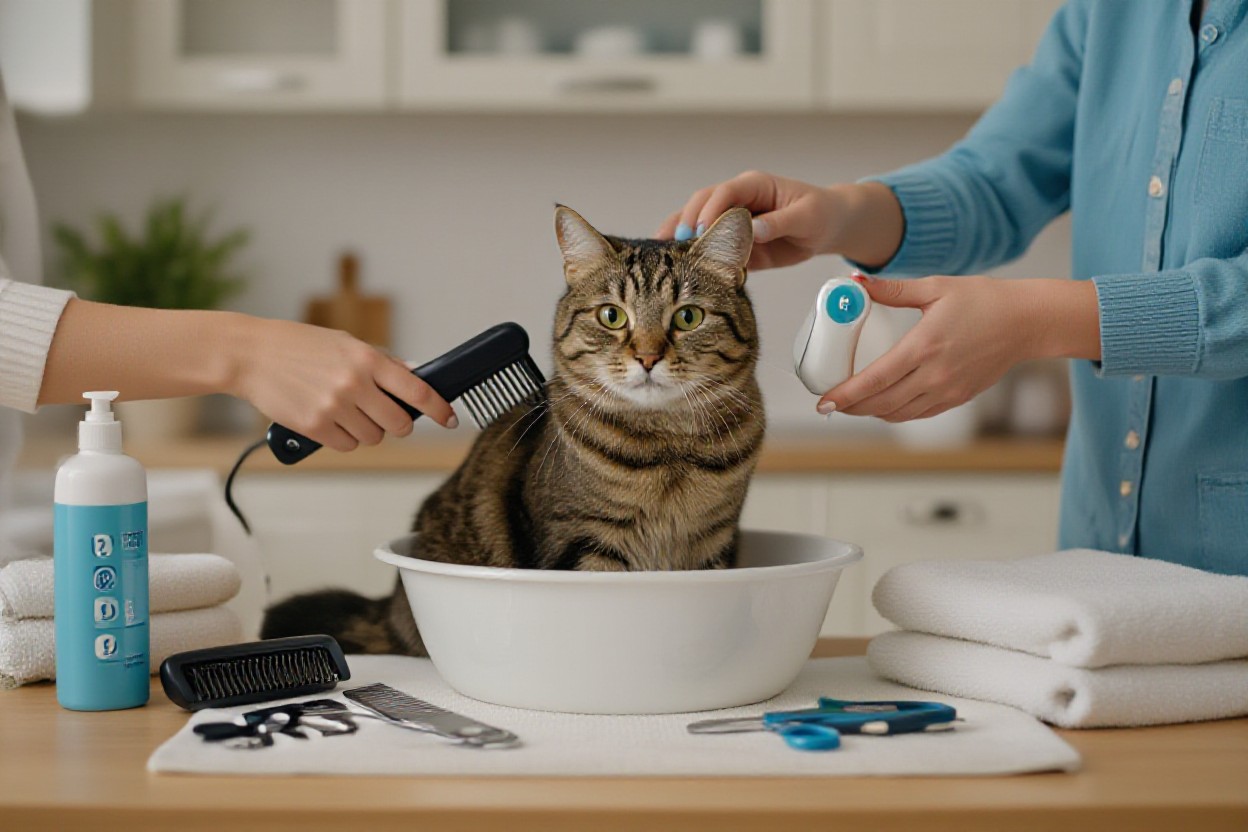
Small tangles are manageable, but those tight, felt-like clumps against the skin are a total nightmare. You might be tempted to grab the kitchen scissors to snip them out – don’t do it. Cat skin is paper-thin and often pulls up into the center of the mat, meaning one slip results in a nasty laceration that requires stitches. If you can’t work a metal comb through the hair after a few gentle tries, or if the mat is tight to the skin, that hair needs to be shaved off safely with electric clippers, not hacked at with blades.
Tackling Aggression: Knowing Your Limits
A hiss is a warning, but active swatting, growling, or biting means the session is over immediately. Cat bites are serious medical emergencies due to the bacteria in their mouths – specifically Pasteurella multocida – which infects a high percentage of bite wounds. If your cat is panting, pupils dilated, or actively attacking, you aren’t grooming anymore; you’re fighting. And nobody wins a fight with a terrified feline. Continuing now teaches your cat that violence is the only way to make the scary brush go away.
You have to read the room – or rather, the tail. When the tail starts thrashing or the ears go completely flat, your cat has entered “fight or flight” mode and no amount of soothing talk will bring them back down quickly. Pushing through this aggression reinforces the idea that grooming equals trauma, making the next time ten times harder for both of you. It is far better to stop with a half-groomed cat than to end up with a fearful pet and a trip to urgent care for antibiotics.
Time to Call in the Pros: Vet or Groomer Referral
There’s absolutely no shame in needing backup. Professional groomers have handling techniques and high-velocity dryers that average owners simply don’t, allowing them to get the job done fast. But if your cat is truly unhandleable or aggressive, a standard salon might turn you away for safety reasons. In these cases, sedation grooming at a veterinary clinic is the safest, kindest option. It allows the work to be done while your cat sleeps, resetting their coat without the mental trauma.
Not all groomers are created equal when it comes to felines. You need to look specifically for a “Certified Feline Master Groomer” or a salon that advertises cat-exclusive hours to minimize dog-related stress. If you go the vet route, ask about pre-visit pharmaceuticals like Gabapentin. This medication can take the edge off just enough to make a home groom possible or make the vet visit significantly less terrifying for everyone involved.
FAQ: Common Questions About Grooming Cats
You might feel like the only one dealing with a cat that turns into a ninja the second a brush appears, but that’s just not true. Every owner hits a wall eventually, wondering if they’re doing it right or just annoying their pet. We’ve gathered the questions popping up most often – specifically from folks trying to manage anxiety and keep things stress-free – to clear up the confusion. Let’s tackle the stuff that keeps you guessing.
Can Grooming Your Cat Be Good for Bonding?
A lot of people assume grooming is just a chore that cats tolerate, but it’s actually one of the most potent ways to mimic their social structure. In the wild, cats groom each other to show trust – it’s called allogrooming. So when you sit down with a soft brush and take your time, you aren’t just cleaning fur; you’re speaking their language. It turns a maintenance task into quality time, reinforcing that you’re their safe person, not just the food dispenser.
How Often Should I Groom My Cat?
There isn’t a single schedule that works for every feline, and thinking you need to brush daily might be overkill for a shorthair. Generally, long-haired breeds like Persians need daily attention to prevent painful mats, while your standard domestic shorthair usually does fine with a weekly session. It really comes down to coat type and shedding season. If you see hairballs frequently, bump up the frequency immediately.
Don’t wait until the fur is flying to start a routine. During spring and autumn – the heavy shedding seasons – you’ll want to double whatever your current schedule is. For senior cats who might have arthritis, they often stop grooming their lower back because it hurts to turn around, so checking that spot every few days is non-negotiable. Ignoring this can lead to tight mats that pull on their thin skin, causing tears or infections. Regular checks save you from expensive vet shave-downs later.
What Do I Do If My Cat Hates Grooming?
Most folks try to restrain a struggling cat harder, but fighting back only validates their fear. If your cat hisses or swats, stop immediately. You need to reset the association. Start by just leaving the brush on the floor near their food bowl for a few days so it becomes a boring object. Forcing the issue creates a negative feedback loop that makes the next session ten times harder.
Bribery is your best friend here. Use high-value treats – like those squeeze-up purees or plain boiled chicken – and only give them when the grooming tools are visible. You might only get one stroke in before they get annoyed, and that’s fine. End the session while they are still happy, not after they’ve lashed out. Over weeks, not days, you can build up tolerance. And if the anxiety is extreme, try using a pheromone spray on your hands or the towel twenty minutes before you start; it takes the edge off without medication.