Understanding Feline Sensitivity to Houseplants
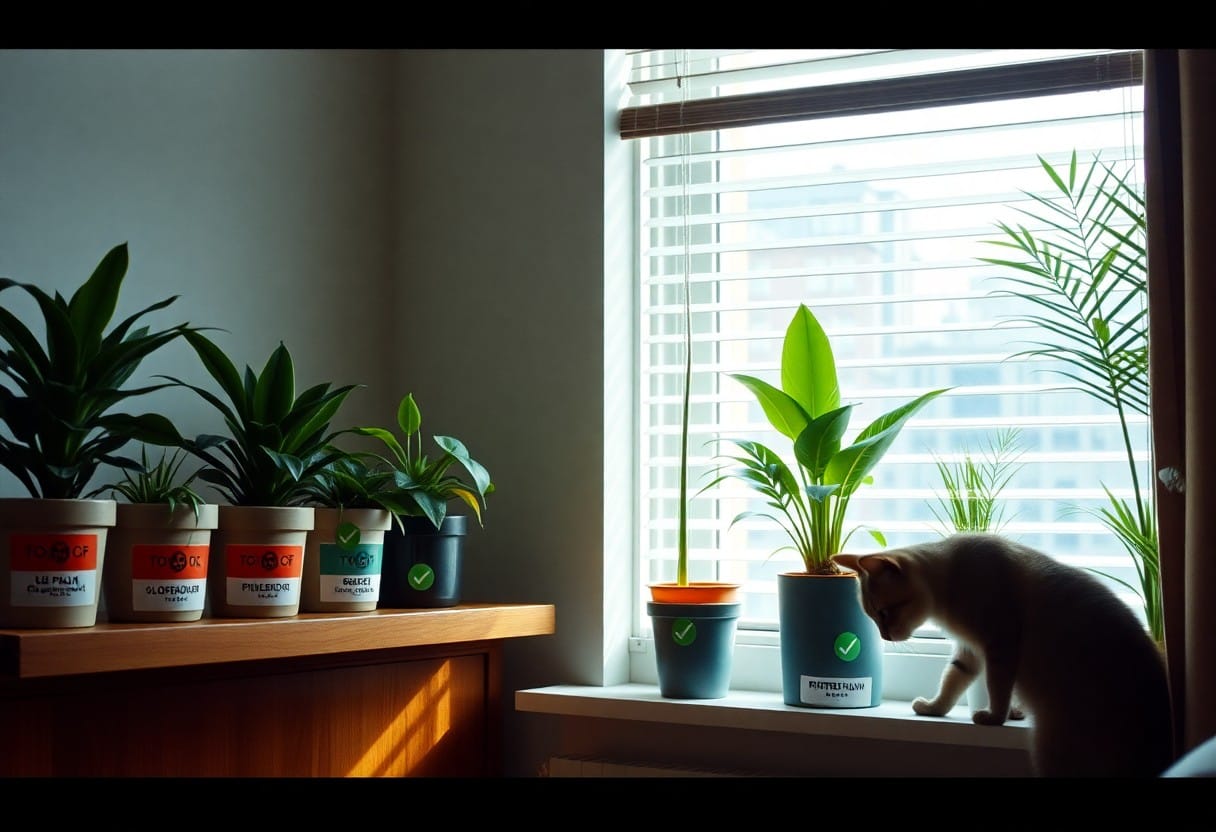
Cats often sample houseplants; when you keep toxic species, ingestion can cause vomiting, drooling, organ damage, or death, so you should inspect regularly and restrict access.
Biological Reasons Why Cats Chew on Greenery
Many cats chew to aid digestion, relieve boredom, or explore textures; you should monitor behavior because chronic ingestion increases poisoning risk.
The Varying Levels of Plant Toxicity
Toxicity varies by species and dose; you must know that some plants cause only mild irritation while others contain severe cardiac or neurological toxins.
Species-specific toxins, quantity eaten, and plant part determine outcome; you should note that lilies can trigger acute renal failure in cats, whereas plants like spider plants pose much lower risk, so remove or isolate the highest-threat species first.
Five Common Toxic Plants to Avoid
Plants like lilies, sago palms, pothos, aloe vera, and philodendrons often cause vomiting, drooling, and in severe cases kidney failure or liver damage, so you should avoid keeping them where your cat can nibble.
The Lethal Threat of Lilies and Sago Palms
Lilies can cause acute kidney failure after even small exposures, and sago palms contain cycasin that induces fatal liver failure; if your cat eats any part, you must seek emergency veterinary care immediately.
Risks Associated with Pothos, Aloe Vera, and Philodendrons
Pothos and philodendrons contain insoluble calcium oxalates causing oral swelling and intense irritation, while aloe vera’s sap can trigger vomiting and diarrhea, so you should watch for drooling or pawing at the mouth and act quickly if signs appear.
Aloe ingestion may produce lethargy and tremors; for calcium oxalate exposure, gently remove debris and rinse your cat’s mouth, then call your veterinarian if you observe persistent vomiting, difficulty breathing, or severe swelling.
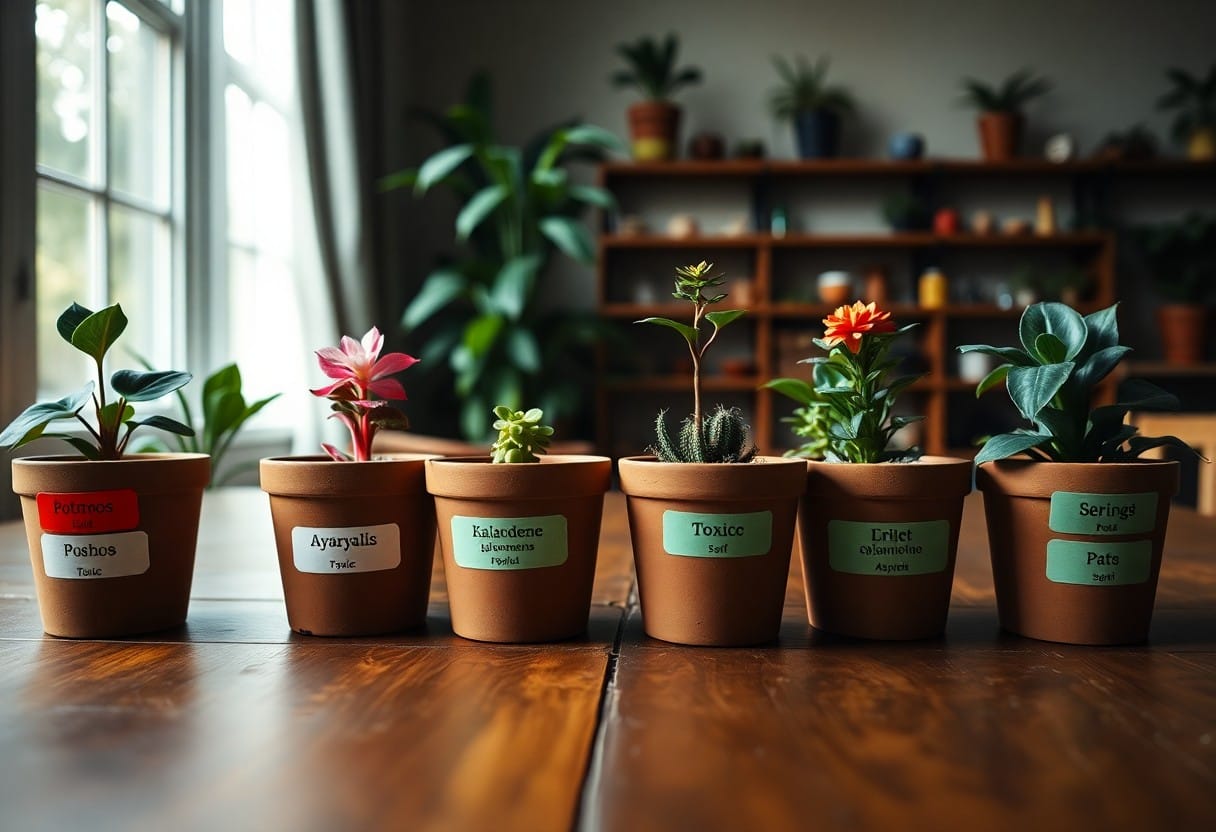
Five Cat-Safe Greenery Alternatives
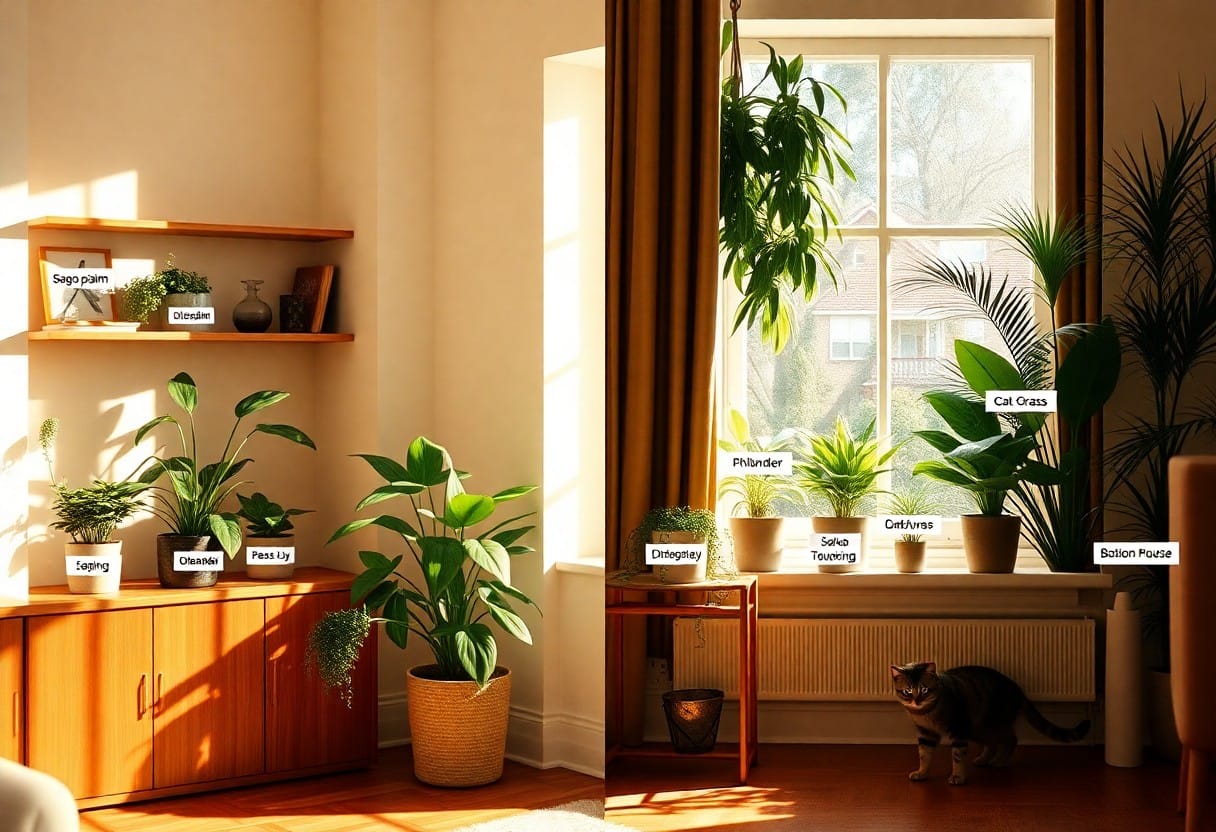
You can swap toxic houseplants for safe, attractive varieties that keep cats healthy and improve indoor air; choose options that are non-toxic and offer low-maintenance care.
Resilient Choices: Spider Plants and Boston Ferns
Spider plants and Boston ferns are non-toxic, tolerate varied light and occasional nibbling, and thrive in hanging pots or bright, indirect light – giving you low-maintenance greenery that resists damage from curious cats.
Decorative Favorites: Areca Palms, Calatheas, and Orchids
Areca palms, Calatheas and orchids are generally non-toxic, add dramatic texture, and reward you with long-lasting foliage or blooms; place them where cats can’t topple pots to keep both plants and pets safe.
Calatheas flourish with higher humidity and indirect light, showcasing bold leaf patterns that attract your attention while remaining non-toxic; Areca palms work well as living screens and provide air-purifying benefits, and orchids demand bright, indirect light plus careful watering-secure pots and avoid fertilizer pellets to prevent your cat from ingesting harmful residues.

Recognizing Symptoms of Plant Poisoning
Signs you notice quickly include vomiting, drooling, sudden lethargy, or refusal to eat; if symptoms escalate or you suspect ingestion, contact your veterinarian immediately.
Identifying Gastrointestinal and Respiratory Distress
Observe for vomiting, diarrhea, drooling, coughing, or difficulty breathing; if you see labored breaths or persistent vomiting, seek emergency veterinary care.
Critical Neurological and Organ Failure Indicators
Watch for tremors, disorientation, repeated seizures, collapse, jaundice, or changes in urination; these signs require urgent medical attention.
Neurological signs often mean systemic toxin absorption, so you should note onset and exposure details and tell your vet the plant involved. Look for persistent seizures, profound weakness, unresponsiveness, or dark urine that may indicate kidney or liver failure; immediate stabilization and bloodwork are imperative to guide treatment.
Emergency Protocol for Suspected Ingestion
If you suspect your cat ate a toxic plant, call your veterinarian or a poison-control hotline immediately and bring a photo or sample; do not induce vomiting unless instructed. Watch for drooling, vomiting, weakness, or seizures and seek emergency care right away.
Immediate Steps for Pet Owners
You should remove remaining plant material, keep your cat calm and contained, note timing and symptoms, and transport a sample or photo to the clinic; fast action improves outcomes.
Essential Information for Veterinary Professionals
Gather patient weight, time of ingestion, observed signs, and any plant identification; ensure you provide the clinic with photos or the sample and contact the poison-control center. Specific toxin info and timeline guide treatment decisions.
Include pre-existing conditions, current medications, and any home remedies you tried; note cardiovascular, gastrointestinal, neurologic signs and lab results. Antidotes, decontamination, and supportive care depend on toxin class and time since exposure.
Best Practices for a Cat-Friendly Indoor Garden
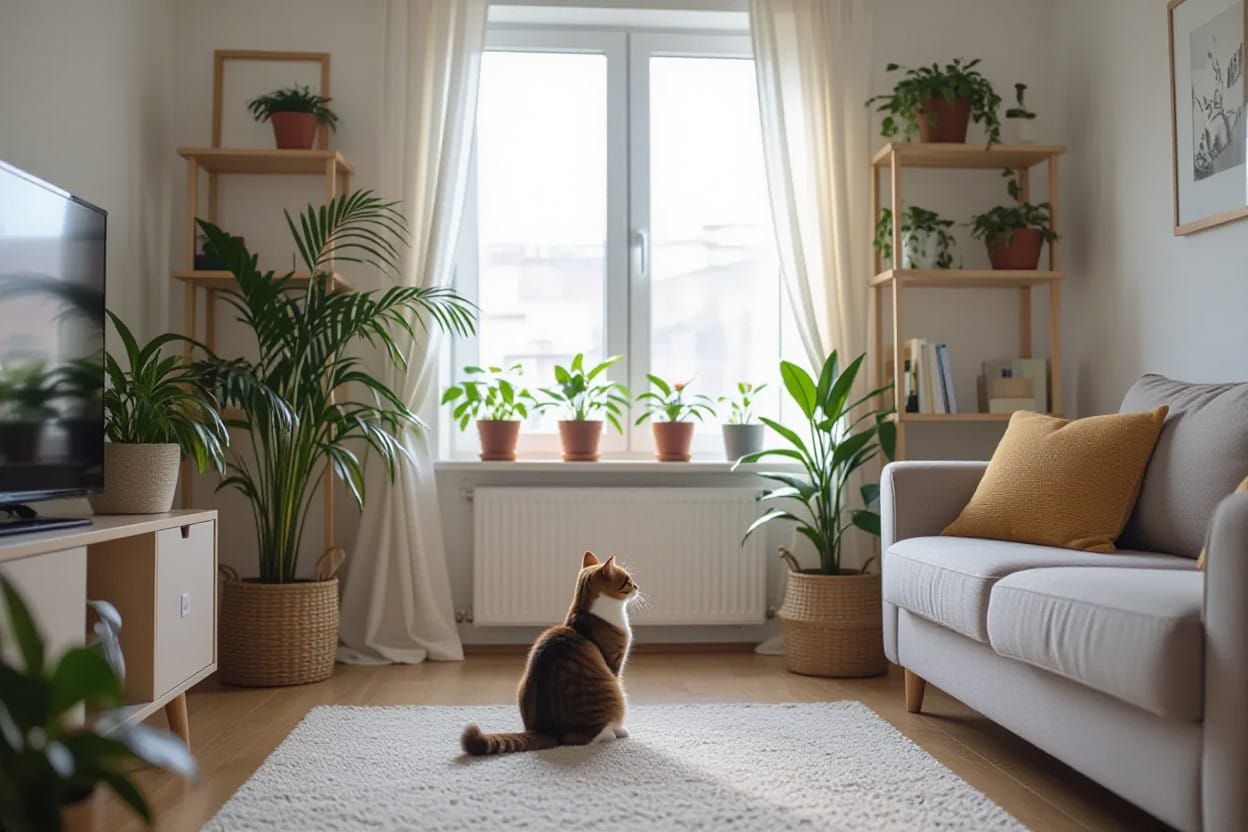
You can protect curious cats by removing or isolating known toxic plants, choosing safe species, securing pots against tipping, and keeping toxic fertilizers and pesticides out of reach. Keep a photo of your plants and your vet’s contact for quick identification and action.
Strategic Placement and Vertical Gardening Solutions
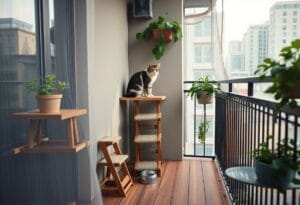
Place delicate or toxic plants well out of paw reach on high shelves or hanging planters, and use vertical shelving to concentrate safe foliage up top. Anchor shelves and choose narrow ledges to deter jumping; rotate accessible pots with cat-safe varieties.
Cultivating Safe Grazing Options like Cat Grass
Offer a dedicated tray of cat grass (oat, rye or wheatgrass) for chewing, renew it regularly, and place it where your cat naturally grazes. Keep soil free of pesticides and use shallow, stable containers so plants are tempting but safe.
Growing cat grass indoors is simple: sow untreated seeds in clean potting mix, keep soil consistently moist, and replace trays every 1-2 weeks to prevent mold. Watch for overeating, provide fresh water, and avoid chemical fertilizers or treated seeds. You can also grow small pots of safe herbs like parsley and basil for variety.
Final Words
To wrap up, you can protect your cat by replacing toxic indoor plants like lilies or philodendron with safe alternatives such as spider plants, African violets, Boston ferns, areca palms, or cat grass; consult your vet for concerns and choose non-toxic options for peace of mind.
FAQ
Q: Which common indoor plants are dangerous to cats and why?
A: A number of popular houseplants contain toxins that can harm cats. True lilies (Lilium and Hemerocallis) are highly toxic and can cause acute kidney failure after even small ingestions; signs include vomiting, lethargy, decreased appetite, and increased thirst and urination, and treatment is most effective when begun within hours. Sago palm (Cycas revoluta) contains cycasin and other toxins that produce severe vomiting, diarrhea, liver damage, and can be fatal even after ingesting a few seeds or small amounts of foliage. Dieffenbachia (dumb cane) releases calcium oxalate crystals that cause intense oral pain, drooling, pawing at the mouth, swelling, and difficulty swallowing; symptoms usually appear immediately. Philodendron and pothos contain similar insoluble calcium oxalate crystals that irritate the mouth and throat and may lead to vomiting and swelling. Peace lily (Spathiphyllum) also has calcium oxalates and can cause oral irritation and gastrointestinal upset; veterinary advice is recommended for any ingestion. If you suspect a cat has eaten one of these plants, call your veterinarian or an animal poison control hotline immediately and bring a photo or sample of the plant and the time of exposure.
Q: What are safe indoor plant alternatives for homes with cats?
A: Cat grass (Avena sativa) provides a safe chewing outlet and can reduce interest in toxic houseplants; sow seeds in shallow pots and replace soil regularly. Spider plant (Chlorophytum comosum) is non-toxic, tolerates a wide range of light conditions, and often withstands playful cats. Boston fern (Nephrolepis exaltata) is listed as non-toxic and prefers humid, indirect-light environments such as bathrooms. Parlor palm (Chamaedorea elegans) stays compact indoors, tolerates low light, and is considered pet-safe. African violet (Saintpaulia) offers small, non-toxic blooms and compact growth that reduces temptation to chew. Confirm plant safety with a trusted source such as the ASPCA before bringing new plants home, and avoid using pesticides or fertilizers that are toxic to pets.
Q: How can I cat-proof my plants and what should I do if my cat eats a toxic plant?
A: Place toxic plants out of reach on high shelves or in hanging baskets and use heavy pots or stands that cats cannot topple. Use deterrents such as citrus peels, motion-activated air sprayers, or pet-safe bitter sprays on leaves to discourage chewing, and provide cat-safe alternatives and interactive toys to redirect interest. Train cats through gentle redirection and positive reinforcement when they leave plants alone. Rinse a cat’s mouth with water only if the cat allows it and you can do so safely; do not force the mouth open. Contact your veterinarian or an animal poison control hotline immediately if ingestion is suspected, and bring a photo or sample of the plant and note the time and amount. Watch for signs such as drooling, vomiting, diarrhea, weakness, tremors, or seizures and seek veterinary care promptly. ASPCA Animal Poison Control: 888-426-4435 (US) and Pet Poison Helpline: 855-764-7661 (US).