Training you to understand why your cat knocks things off tables and how to stop it uses clear steps: remove breakable or toxic items, set predictable routines, employ safe deterrents, and provide climbing and play alternatives so you protect possessions and your cat.
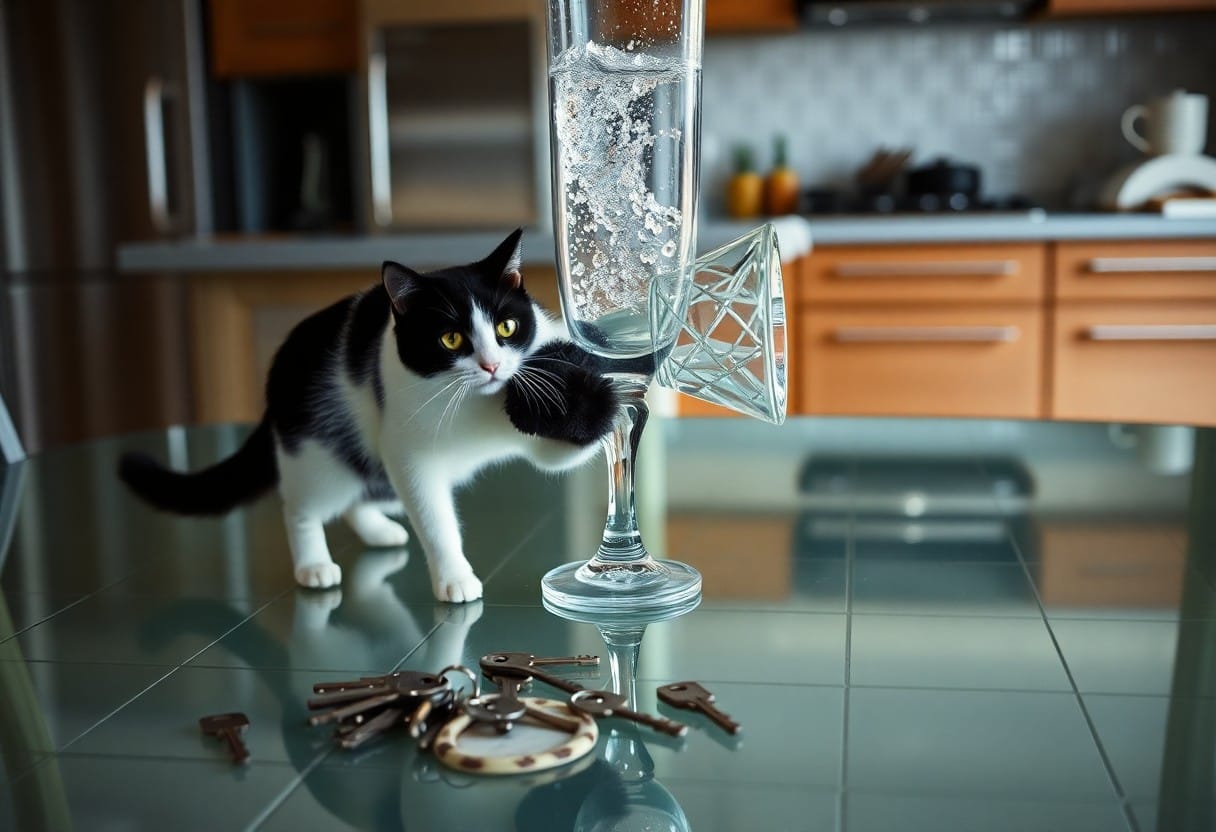
The Biological Factors Behind the Behavior
- prey drive
- tactile exploration
- object play
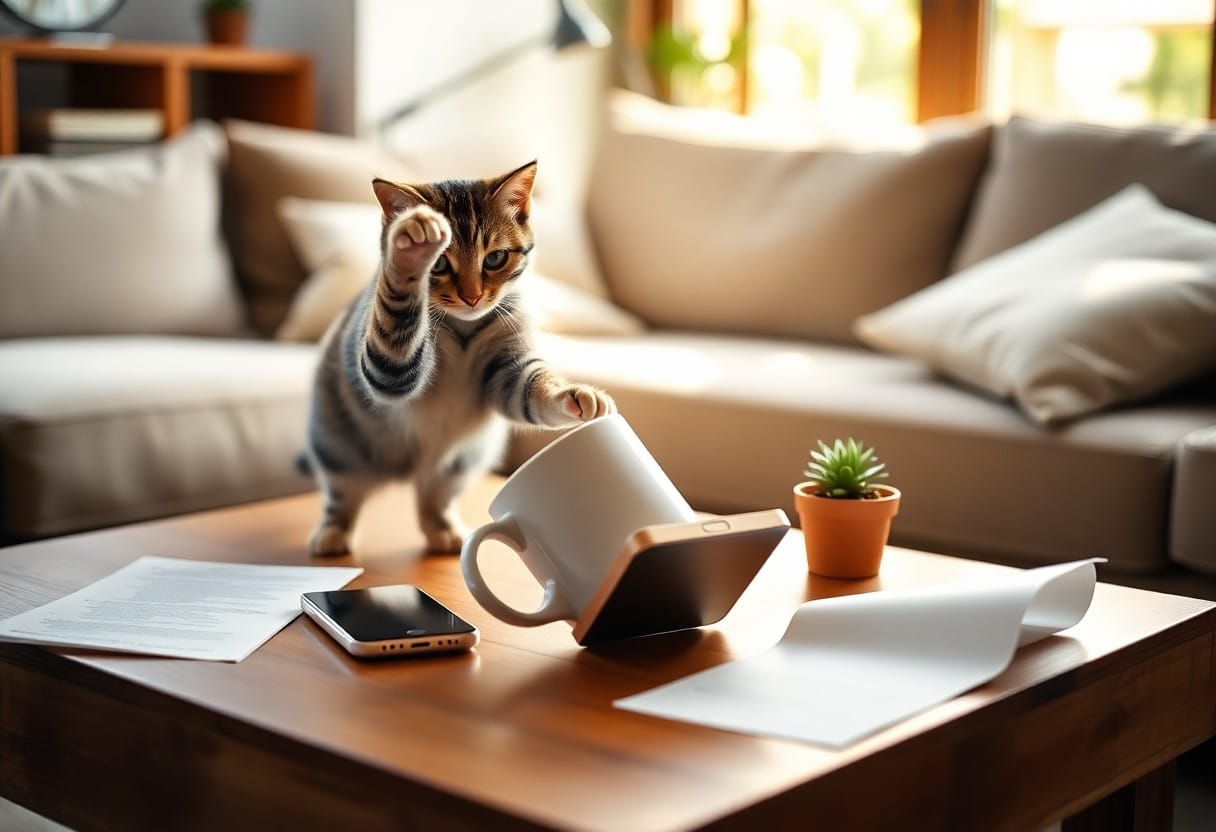
Cats possess ingrained biological urges-like prey drive and tactile exploration-so you notice them testing objects on edges. The action lets you predict and manage where you place valuables.
Predatory Instincts and Tactile Exploration
You observe predatory instincts when your cat swats, pounces, and tests textures; this tactile play mimics hunting and sharpens coordination while giving them mental stimulation.
The Science of Object Play and Prey Drive
Play engages neural reward circuits, so you perceive swatting and dropping as practice; object play strengthens timing, attention, and motor skills linked to prey drive.
Observing the stalk-paw-bat sequence helps you tell casual batting from concentrated hunting practice. You can offer wand toys, puzzle feeders, and short interactive sessions to redirect prey drive into safe outlets, increasing positive stimulation and lowering the chance of destructive incidents.
- Attention-seeking
- Boredom
- Mental stimulation
- Learned behaviors
- Interaction
Cats use table-tipping as a clear attention-seeking tactic, and you often respond by laughing or scolding, which reinforces the habit. Any reaction from you teaches your cat that knocking objects equals interaction and can topple dangerous items, increasing risk.
Boredom and the Need for Mental Stimulation
You should provide puzzle feeders, frequent play, and vertical spaces to relieve boredom and supply mental stimulation, reducing desk raids for attention and destructive tipping.
Learned Behaviors for Human Interaction
Training your cat’s learned behaviors happens when you respond to tipping; you should ignore the act and reward calm alternatives so the habit fades.
Practice consistent responses: ignore the tip, block access to edges, substitute with interactive toys, schedule short play sessions to meet social needs, use clicker training to reward calm choices, and secure dangerous breakables while you change learned behaviors to safer outlets.
How-To Optimize the Home Environment
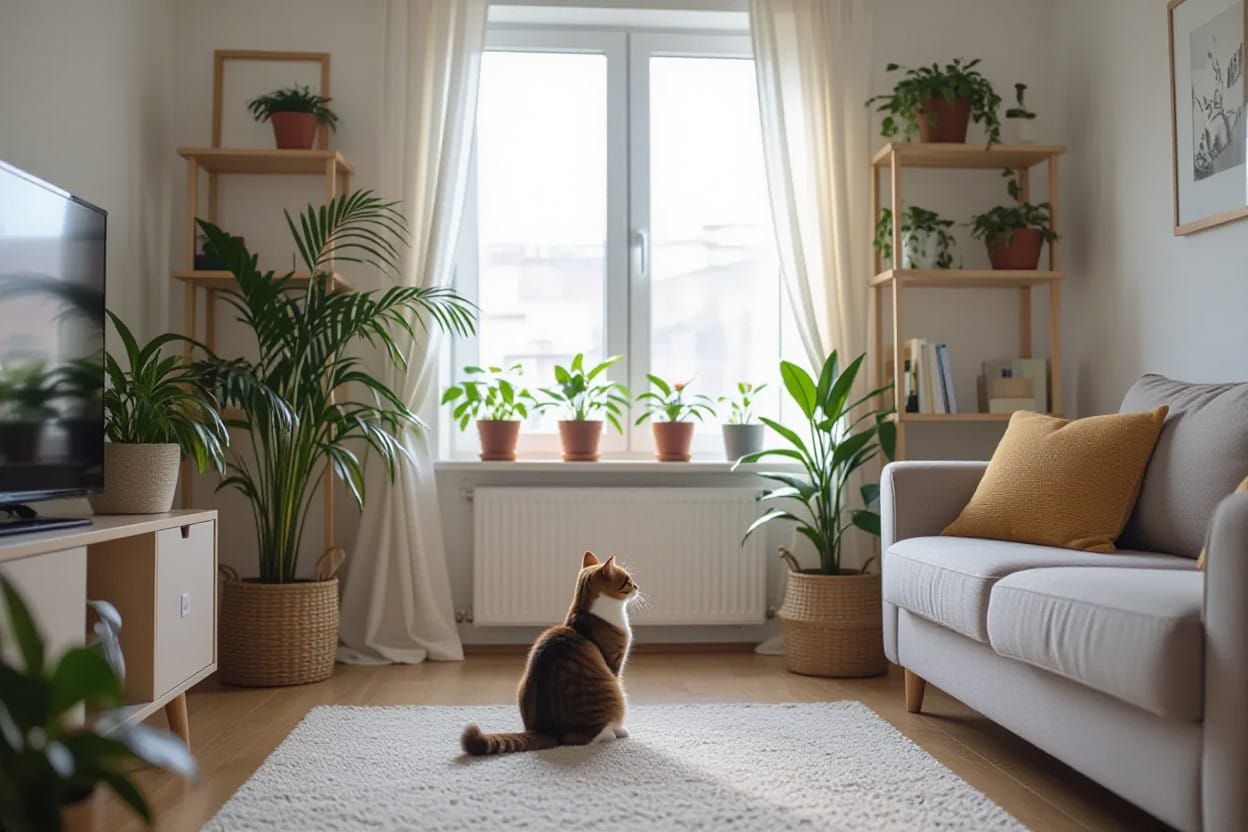
Home adjustments make tables less tempting by creating alternatives and removing hazards: move breakables away, secure cords, and offer accessible play areas so you cut down knocks and reduce the risk of glass shards or injured paws.
Creating Vertical Spaces and High Perches
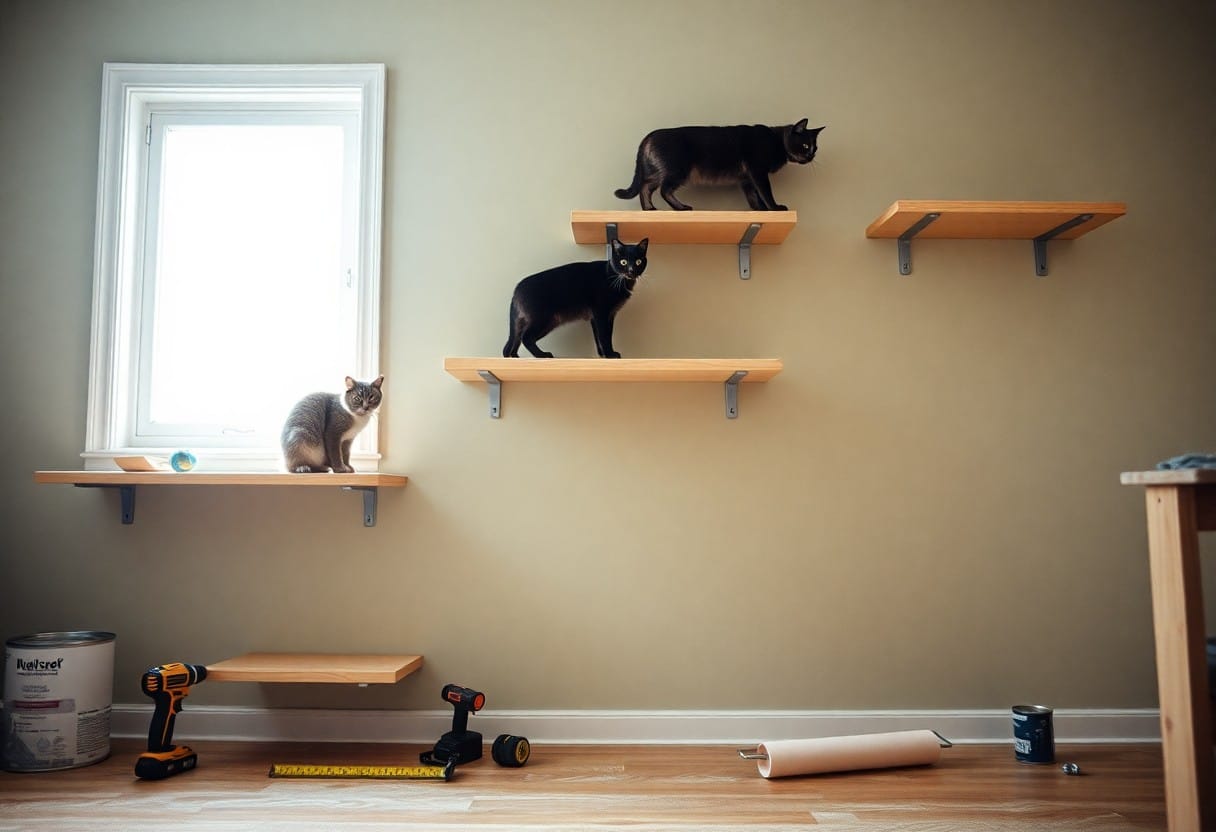
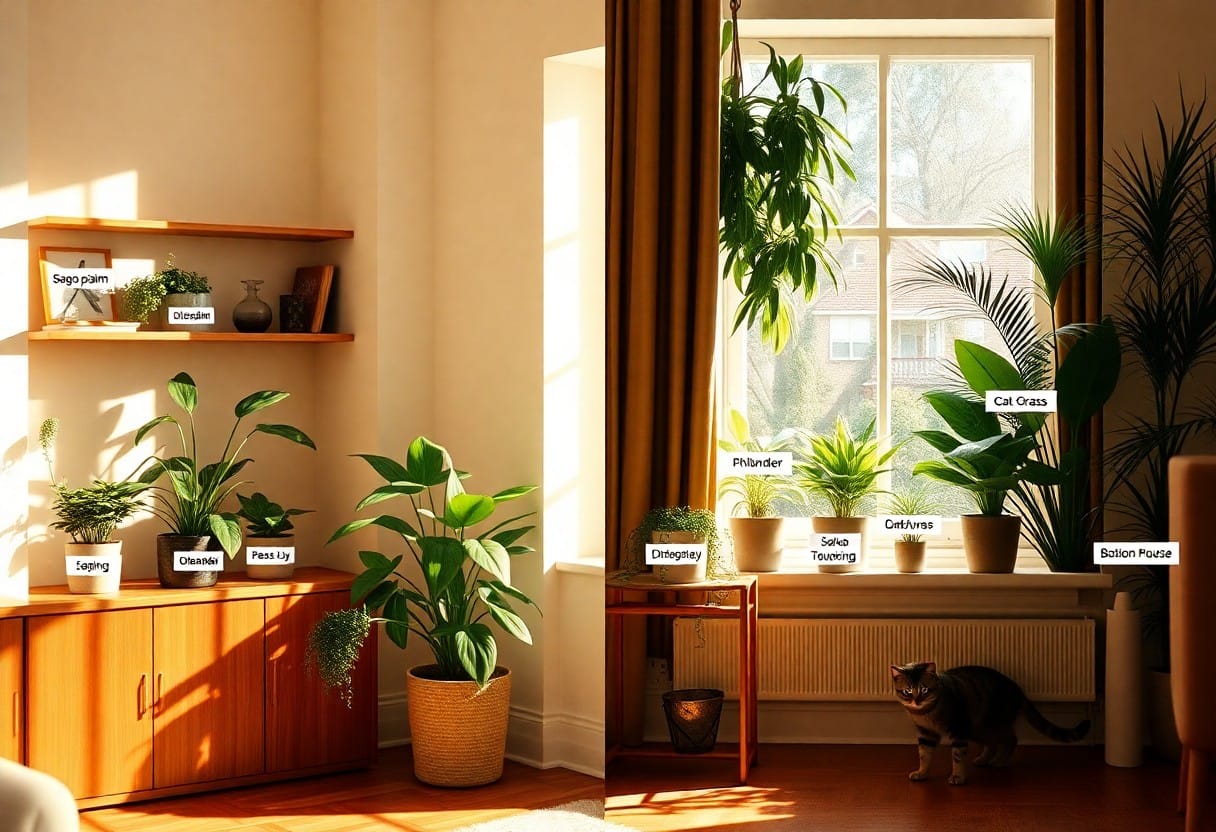
Install tall cat trees, wall shelves, and window perches so you give your cat preferred spots above surfaces; high perches satisfy climbing instincts and keep fragile items safe by diverting attention from tables.
Implementing Interactive Toy Rotations
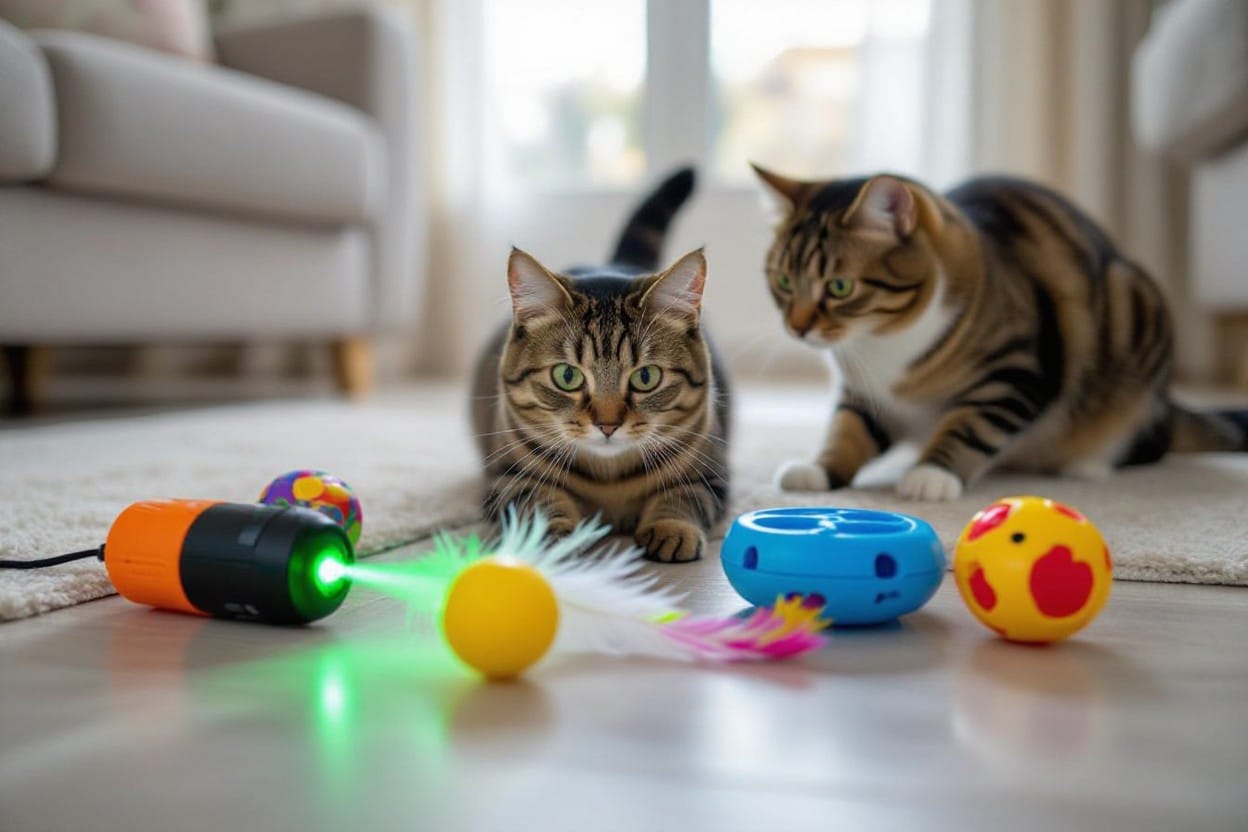
Rotate interactive toys and hide treats daily so you keep novelty high; interactive play reduces boredom-driven knocks and gives you a constructive outlet for hunting instincts.
Schedule toy rotations weekly and keep 6-8 toys in two bins so you swap novelty every few days; combine short wand sessions, timed food puzzles, and solo chews to address chase and foraging drives. Inspect for small parts or fraying that pose a choking hazard, and supervise new items until you confirm durability, since sustained mental stimulation will lower table-targeted mischief.
Tips for Immediate Behavior Modification
Immediate steps reduce unwanted knocks: remove fragile items, provide toys, and block access to tempting surfaces while you redirect the cat toward play and treats. Assume that consistent responses will teach your cat not to knock items off tables.
- Remove tempting items from high surfaces to prevent knocks
- Offer interactive toys and scheduled play to engage your cat
- Use gentle deterrents on tables to discourage jumping
Positive Reinforcement for Desired Actions
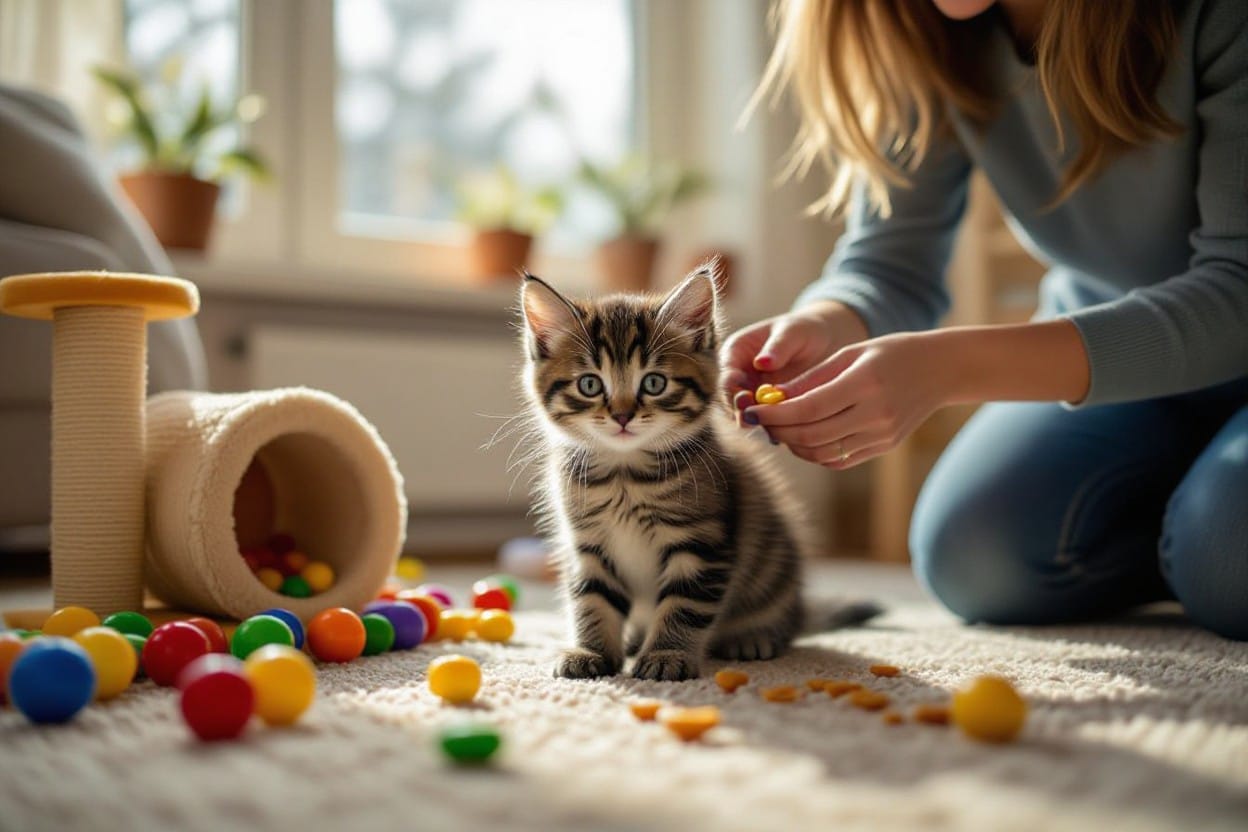
Use treats and praise immediately when you see your cat choose approved spots, pairing rewards with brief play so the positive reinforcement clearly links the behavior to good outcomes.
The Importance of Calm Reactions to Gravity Games
Keep calm when your cat plays with gravity; loud reactions give attention and can escalate risky knocks that break things or cause injury.
When you react calmly, you remove the reward of attention and make the act less satisfying; you should redirect to interactive toys, quietly retrieve fragile items, and offer a short play/treat replacement so your cat stops seeking the thrill of knocking and reduces risk of broken glass or injury.
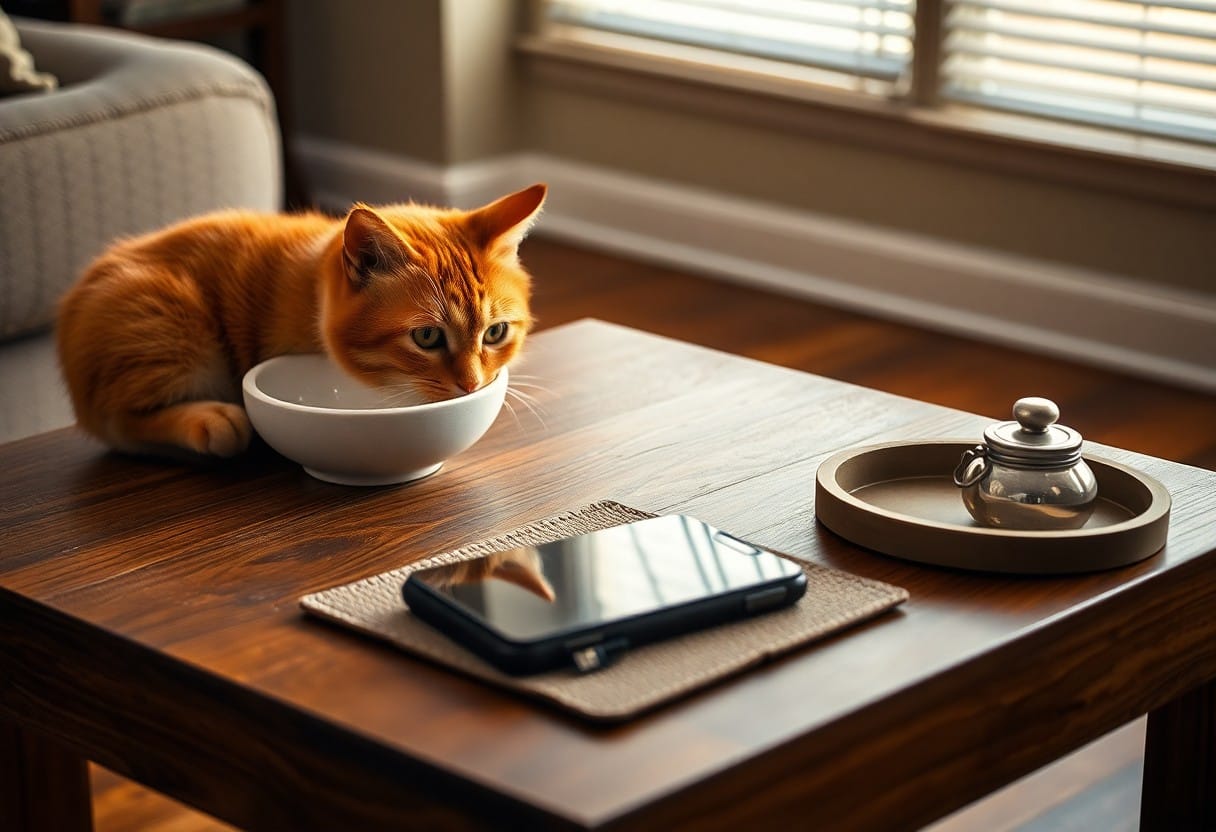
How-To Secure Your Valuables and Surfaces
Protect surfaces by grouping valuables away from edges and anchoring fragile items; place glass, medications, and small electronics out of reach so you reduce breakage and potential injury.
Utilizing Museum Wax and Non-Slip Solutions
Use museum wax and double-sided non-slip pads to anchor vases and decor; apply a small amount under objects so they stay put even when batted by your cat.
Designing Cat-Free Zones Effectively
Create cat-free zones by closing doors, using tall shelving with closed fronts, or placing deterrents so breakables and electrical cords remain inaccessible to paws.
Arrange safe alternatives like wall shelves and a sturdy cat tree to redirect climbing. You can block counters with motion-activated deterrents or aluminum foil on edges; these steps cut down on knocks and protect fragile heirlooms.
Managing Nutritional and Health Factors
Address drivers that make your cat swat items and what to check:
- hunger triggers – meal timing and portions for your cat
- dietary deficiencies – nutrient gaps and kibble quality
- health issues – dental pain or thyroid problems
Recognizing when to consult a vet prevents escalation.
Evaluating Dietary Deficiencies and Hunger Triggers
Examine meal portions, protein levels, and feeding frequency to spot dietary deficiencies that cause begging or scavenging; correcting portions or switching to a higher-protein diet reduces hunger triggers and attention-seeking swats.
Scheduling Regular Play Intervals Before Feeding
Schedule play intervals of 10-15 minutes before meals so you burn your cat’s hunting drive and shift focus from knocking items to feeding; combine wand toys and puzzle feeders to reinforce positive behavior.
Consistent timing primes your cat: start play 10-15 minutes before each meal to mimic hunt-catch-eat cycles using short bursts of chasing and pouncing with wand toys. Rotate toys to prevent boredom and end play with a puzzle feeder so your cat eats immediately. Watch for signs of overstimulation or aggression; if you detect pain or persistent swatting, consult your vet.
Summing up
Summing up, you can reduce table-top pawing by meeting your cat’s needs: play daily, add vertical perches, secure fragile items, and ignore attention-seeking pushes while rewarding calm behavior. Consistent play and environmental enrichment teach better outlets for hunting instincts and cut down on knocked-off objects.
FAQ
Q: Why does my cat knock things off tables?
A: Cats knock objects off surfaces for a mix of instinct, curiosity, and learned reinforcement. Instinctive hunting behavior makes them paw at small items to test movement and prey response. Curiosity drives exploration, especially for items that move, dangle, or make noise. Some cats learn that knocking an object produces a strong reaction from owners, which reinforces the act as attention-seeking. Boredom, stress, age-related cognitive changes, or medical discomfort can also increase this pawing behavior.
Q: Is my cat trying to get my attention or just being destructive?
A: Your cat may be seeking attention, testing boundaries, or practicing predatory skills. Playful kittens and young adults often use table-edge pawing to provoke interaction because past reactions rewarded the behavior. Cats experiencing anxiety or household changes can express displacement through knocking items down. If the behavior appears suddenly or comes with other signs such as appetite changes, unusual vocalizing, or lethargy, contact a veterinarian to rule out medical causes.
Q: How can I make my cat stop knocking things off tables?
A: Provide more active play and hunting-style interaction, such as two 10-15 minute wand-toy or laser sessions daily followed by a toy capture to satisfy the chase. Offer environmental enrichment like puzzle feeders, cardboard boxes, window perches, and vertical cat trees so the cat has acceptable outlets for curiosity and predatory drive. Remove temptation by keeping valuables away from edges, securing breakables, or using shelves with lips or clear barriers. Make the surface less attractive with double-sided tape, a sticky mat, or aluminum foil, because many cats dislike those textures. Use positive reinforcement by rewarding the cat immediately when it stays off the table with treats, attention, or a short play session. Train an alternative behavior such as “go to your bed” using target training or clicker work and reward compliance consistently. Avoid yelling, swatting, or physical punishment that can create fear and worsen the problem. If the behavior continues despite these steps, consult a veterinary behaviorist to evaluate for anxiety, compulsive disorder, or other underlying issues.