There’s a feeding strategy that rotates cat diets to reduce boredom and provide varied nutrients; you should monitor for nutritional imbalance and food sensitivities, while benefiting from improved appetite and better nutrient diversity.
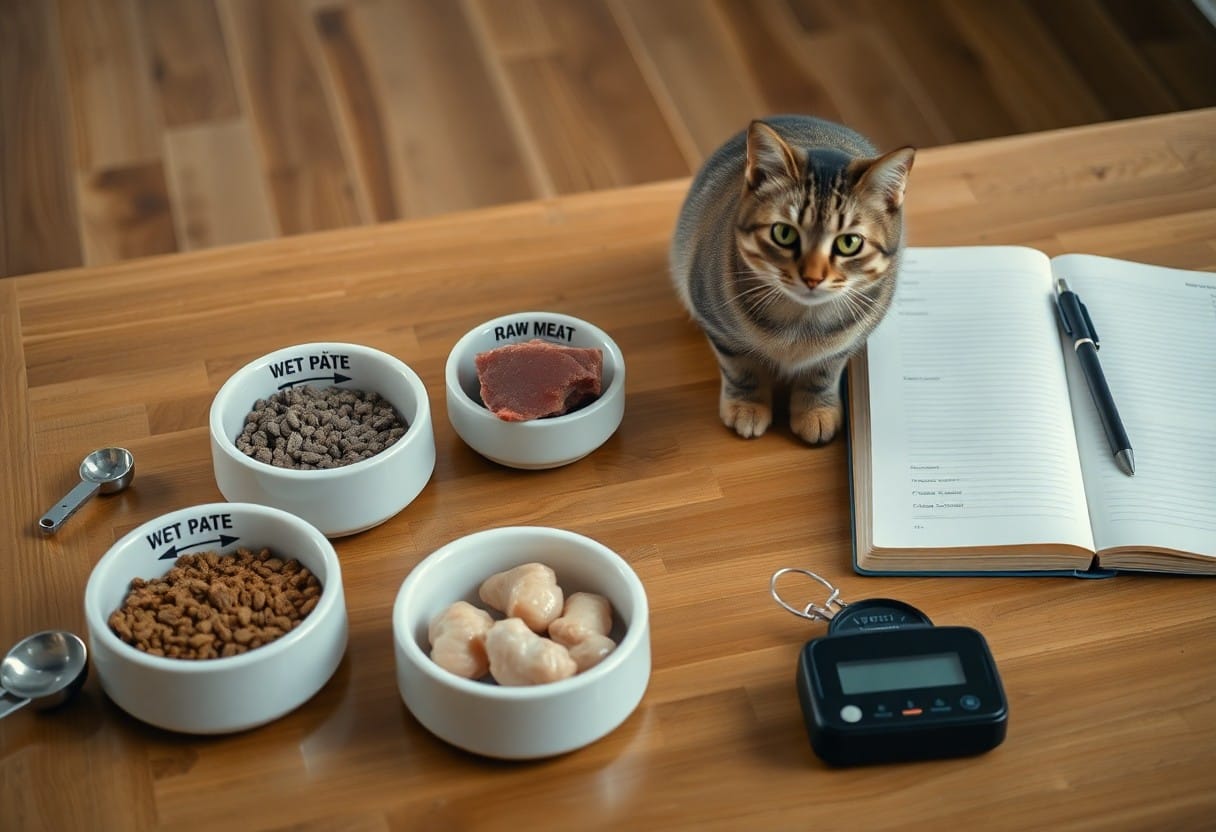
Exploring Different Types of Rotational Diets
| Protein rotation | Swap chicken, fish, beef to broaden amino acids |
| Format rotation | Alternate raw, wet, dry for texture and hydration |
| Flavor rotation | Use multiple flavors to reduce pickiness |
| Brand rotation | Change formulas but track nutrient profiles |
| Special diets | Rotate hypoallergenic or therapeutic options with vet oversight |
- rotational feeding helps variety
- rotational diets require monitoring
- allergy vigilance is crucial
You can mix protein, brand, flavor and format to implement rotational feeding, improving variety and reducing picky eating while watching for allergic reactions and nutrient gaps. Assume that you monitor weight, stool and consult a vet to avoid nutritional imbalance.
Flavor-Based Variety Within a Single Brand
Variety within one brand lets you rotate proteins and textures while keeping consistent nutrients, which often reduces digestive upset; you should watch for sudden allergic reactions or entrenched preferences that limit balanced intake.
Integrating Raw, Wet, and Dry Food Formats
Mixing raw, wet and dry formats broadens textures and hydration but raises pathogen and spoilage risks with raw; you must handle safely and balance calories to prevent weight or nutrient issues.
Careful management is required when you include raw meals: source reputable suppliers, use strict hygiene, separate utensils, and freeze-thaw correctly to reduce infection risk. Wet food improves hydration and palatability, while dry food offers convenience and some dental benefit; you must track calories, adjust portions, and use supplements as needed to avoid nutritional imbalance.
Weighing the Pros and Cons of a Varied Diet
You must weigh increased flavor variety and broader nutrient exposure against the chance of digestive upset, inconsistent nutrient balance, or dietary conflicts when rotating foods.
| Pros | Cons |
|---|---|
| Improves palatability and reduces boredom | Triggers digestive upset in sensitive cats |
| Exposure to different protein sources | Harder to track consistent nutrient intake |
| May reduce picky eating | Increases risk of food intolerance or allergy development |
| Can provide a wider vitamin/mineral profile | Potential for cross-contamination between diets |
| Keeps mealtime interesting | Complicates monitoring of adverse reactions |
| Useful for short-term enrichment | May interfere with therapeutic or prescription diets |
| Helps identify preferred textures and flavors | Risk of sudden refusal if switches are abrupt |
| Can balance out minor nutrient gaps | Requires careful planning to avoid nutritional imbalance |
Nutritional Completeness and Reducing Picky Eating
To maintain nutritional safety, you should rotate only among diets that are each complete and balanced, using variety strategically to reduce selective eating while monitoring intake and weight.
Managing Digestive Sensitivities and Potential Risks
If your cat shows sensitivity, you should introduce new foods slowly and stop if you see persistent vomiting, severe diarrhea, or lethargy, then consult your veterinarian.
Assess your cat’s medical history and any known allergies before rotating foods. You should transition over 7-14 days, test one new food at a time, and keep a food log to spot patterns. Aim to maintain stable protein exposure when diagnosing issues, and contact your vet immediately for persistent vomiting, weight loss, blood in stools, or signs of pancreatitis. Keep prescription diets separate to avoid dangerous mixing.
Critical Factors to Consider Before Starting
- Age
- Health status
- Ingredient quality
- Nutrient balance
- Allergies
- Veterinary consultation
Checklist: you must consider your cat’s allergies, history of digestive issues, and risk of nutrient deficiencies when rotating diets. Monitor weight, stool, and appetite closely to spot problems early. Knowing you should contact your vet if you observe rapid weight loss or persistent vomiting.
Assessing Your Cat’s Age and Current Health Status
Age determines caloric and nutrient needs, so you should tailor rotations for kittens, adults, and seniors. Check for chronic conditions, dental issues, and medications, and track body condition and appetite to prevent malnutrition.
Evaluating Ingredient Quality and Nutrient Profiles
Inspect labels for named animal proteins, appropriate calcium-to-phosphorus ratios, and guaranteed analyses; you should avoid diets with excessive fillers or vague by-products to reduce nutrient imbalance risk.
Analyze protein digestibility, vitamin/mineral adequacy, and AAFCO or feeding-trial statements; you should compare guaranteed analyses and ingredient lists, prioritize transparent sourcing, and favor diets tested as complete and balanced nutrition to minimize health risks.
A Step-by-Step Guide to Implementation
| Baseline | Feed one primary protein for 2-4 weeks while tracking weight, stool, appetite, and energy. |
| Transition | Introduce new formulas over 7-10 days in small increments and stop if you see severe GI signs. |
Establishing a Baseline with a Primary Protein
Begin by feeding your cat a single, trusted protein for 2-4 weeks while tracking weight, stool, appetite, and energy. You should note any GI changes and contact a vet for severe vomiting or bloody stool.
Introducing New Formulas Gradually to Avoid GI Upset
Introduce new formulas by mixing 10-25% of the new food into meals over 7-10 days, increasing proportion if your cat shows stable stool and appetite; stop and reassess if you observe diarrhea, vomiting, or lethargy.
Monitor closely for the first 72 hours after each increase; minor loose stool may settle, but you must act if signs persist beyond 48 hours or include blood, continuous vomiting, or marked lethargy. You can slow the transition, return to the previous ratio, and consult your vet for testing or an elimination diet.
Expert Tips for Maintaining a Rotational Schedule
Use a simple rotation chart and set fixed swap intervals to keep rotational feeding consistent; monitor for food intolerances or sudden reactions. This helps you spot allergies, reduce picky behavior, and balance nutrition.
- Label and date every batch to track food storage.
- Keep a short log of reactions after each diet change.
- Swap proteins on a predictable timetable to avoid confusion.
Effective Meal Planning and Proper Food Storage
Plan weekly menus to rotate proteins, control portions, and support rotational feeding. You must label, date, and discard spoiled items to avoid foodborne illness. This preserves nutrients and keeps meals safe for your cat.
Monitoring Weight and Hydration Levels
Weigh your cat weekly and log values to detect weight gain or loss early; measure water intake and offer multiple bowls. Watch for signs of dehydration like sunken eyes or lethargy. This lets you adjust calories or fluids before issues worsen.
Track trends over several weeks, compare your cat’s weight to body-condition charts, and alter portions or activity accordingly; contact your vet if you see a >5% change in a month. Check urine concentration and encourage sipping to reduce risk of urinary issues and persistent dehydration.
Conclusion
Now you can weigh rotational feeding’s benefits-varied nutrition, reduced picky eating-against risks like digestive upset and nutrient imbalance; consult your veterinarian, rotate slowly, monitor weight and stool, and choose complete diets to keep your cat healthy.
FAQ
Q: What is rotational feeding and how should I introduce it to my cat?
A: Rotational feeding means offering a variety of complete and balanced diets-different protein sources, textures, or reputable brands-on a planned schedule instead of the same formula every day. Start by choosing diets labeled complete and balanced for your cat’s life stage. Introduce a new diet slowly by mixing it with the current food over 7-10 days (for example, 75% old/25% new, then 50/50, then 25/75), and extend the transition to 10-14 days for cats with sensitive digestion. Offer one new diet at a time, keep portion sizes consistent, monitor stool, appetite, and behavior, and record any reactions. Plan rotations (for example, change protein every 2-6 weeks) rather than switching foods daily or abruptly.
Q: What benefits can rotational feeding provide for cats?
A: Rotational feeding can increase nutritional variety by exposing cats to different protein sources and micronutrient profiles, which may lower the risk of developing intolerance to a single ingredient. It provides sensory enrichment through varied textures and flavors, helping picky cats stay interested in food. Rotating among high-quality, complete diets reduces reliance on a single batch or ingredient and can make future diet changes for medical reasons easier to implement. Some cats show improved coat quality or digestion when given complementary diets over time, but outcomes vary by individual.
Q: What are the risks of rotational feeding and how can they be managed?
A: Rotational feeding can cause digestive upset, allergic reactions, or nutrient imbalance if transitions are too rapid or if rotated foods are not complete and balanced. Cats with chronic illness, kittens, pregnant or nursing queens, and seniors need veterinary guidance before rotating diets. Use only nutritionally complete commercial diets or professionally formulated home-prepared recipes, avoid mixing multiple homemade formulas without expert input, and give at least a week or two between major formula changes when possible. Monitor weight, stool quality, hydration, and skin condition; stop the new food and consult a veterinarian if vomiting, diarrhea, weight loss, or skin flare-ups occur. Do not rotate therapeutic prescription diets without explicit veterinary approval.