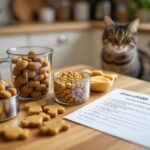
Just one spoonful of plain pumpkin may ease your cat’s digestive upset. Pumpkin is rich in soluble fiber, which can help regulate both diarrhea and constipation. Never feed canned pumpkin pie mix-it contains sugars and spices toxic to cats. When used correctly, pumpkin supports gentle, effective digestive health.
The Orange Gourd
Pumpkin isn’t just for pies-it’s a gentle digestive aid many veterinarians recommend. When your cat struggles with occasional constipation or loose stools, a small amount of plain, cooked pumpkin can help regulate their system. Never feed raw or spiced pumpkin, as additives like cinnamon or sugar can harm your cat.
The fiber of the fruit
Fiber in pumpkin absorbs moisture and adds bulk to your cat’s stool, supporting smoother digestion. Soluble fiber feeds beneficial gut bacteria, promoting a balanced microbiome. Too much fiber can backfire, leading to gas or nutrient malabsorption, so stick to a teaspoon per day for most cats.
The water in the meat
Hydration plays a major role in digestive health, and pumpkin’s high water content helps keep things moving. Its moisture softens stool and eases elimination, especially in cats on dry food. This natural hydration boost can prevent hard, dry stools that lead to discomfort.
Water makes up about 90% of fresh pumpkin’s weight, making it one of the most effective moisture-rich additions to your cat’s bowl. Since many cats don’t drink enough water on their own, incorporating pumpkin can subtly increase fluid intake. Improved hydration supports kidney function and reduces the risk of urinary issues, which often accompany digestive concerns in felines. Always use plain, unsweetened pumpkin to avoid counterproductive effects.
The Gut and the Fiber
Pumpkin delivers a rich source of soluble fiber that supports your cat’s digestive balance. This fiber absorbs water and adds bulk to stool, helping regulate movement through the intestines. You’ll notice smoother digestion when small amounts are added consistently to meals. Too much can backfire, so moderation is key for optimal results.
The end of constipation
Constipation often eases when you mix a teaspoon of plain pumpkin into your cat’s food. The fiber draws moisture into the intestines and stimulates gentle contractions. You’ll likely see improvement within a day or two. Never use sugared or spiced pumpkin products-they can harm your cat.
The fix for the loose
Loose stools respond well to pumpkin’s soluble fiber, which helps firm up diarrhea by absorbing excess fluid. You’ll see a noticeable difference in stool consistency after 24 to 48 hours. Start with just a half to one teaspoon per meal. Overuse may worsen digestive upset, so stick to vet-recommended amounts.
Soluble fiber in pumpkin forms a gel-like substance in the gut, slowing digestion and giving the intestines time to reabsorb water. This action is especially helpful during bouts of diarrhea caused by dietary changes or mild intestinal irritation. You’re not curing underlying illness, but you are creating a more stable environment for recovery. Always monitor your cat’s response and discontinue if symptoms persist beyond 48 hours. Chronic diarrhea needs veterinary diagnosis, not just home remedies.
The Pure Can
You’ll find many pumpkin products on the shelf, but only 100% pure pumpkin supports your cat’s digestion. This simple ingredient delivers fiber without fillers or sugars that could upset their stomach. Always check what’s inside-your cat’s gut health depends on choosing the right can.
The label on the tin
Reading the label tells you everything. Look for “100% pure pumpkin” as the only ingredient. Avoid any added preservatives, sugars, or thickeners-these offer no benefit and may harm your cat’s sensitive digestive system. What’s listed matters more than the brand name.
The danger of the spice
Pumpkin pie filling often contains cinnamon, nutmeg, and cloves-spices that are toxic to cats. Even small amounts can lead to vomiting, tremors, or liver damage. Never assume pumpkin-flavored means safe; always verify it’s unsweetened and unspiced.
Nutmeg, in particular, contains myristicin, a compound that affects your cat’s nervous system. Symptoms like disorientation or increased heart rate can appear within hours of ingestion. Even trace amounts in spiced pumpkin products aren’t worth the risk-stick strictly to plain, unsweetened pumpkin to keep your cat safe.
The Measure of the Spoon
One tablespoon of plain, canned pumpkin is enough to support your cat’s digestion without upsetting their stomach. Never use pumpkin pie filling-it contains sugars and spices that can harm your cat. Stick to small, controlled portions to safely introduce this fiber-rich addition to their diet.
The small portion
A little goes a long way when feeding pumpkin to your cat. Just one teaspoon per meal may be sufficient for smaller cats or those new to pumpkin. Overfeeding can lead to loose stools or nutrient imbalances, so always start low and assess tolerance.
The watch for change
Monitor your cat closely after introducing pumpkin into their diet. Look for improvements in stool consistency or signs of discomfort like gas, vomiting, or refusal to eat. Any negative reaction means it’s time to stop and consult your vet.
Observing your cat’s response helps determine whether pumpkin is truly helping their digestion. If you notice softer stools turning firm or reduced hairball regurgitation, the fiber is likely working. But if symptoms persist or worsen, discontinue use immediately-your cat may need a different solution tailored to their unique digestive needs.
The Strength of Vitamins
Pumpkin delivers a powerful blend of vitamins that support your cat’s overall health. Rich in vitamin A, C, and E, it boosts immune function and promotes healthy skin and coat. These nutrients work together to strengthen your cat’s natural defenses and support daily wellness from the inside out.
The sight in the dark
Your cat relies on sharp night vision, and pumpkin helps maintain it. The high levels of beta-carotene convert to vitamin A, which is imperative for retinal function. This means better low-light vision and long-term eye health when included in moderation.
The heart and the muscle
Potassium in pumpkin supports proper muscle contractions and steady heart rhythms. This mineral helps regulate electrical signals in the heart and prevents muscle weakness. Including small amounts can contribute to strong cardiovascular function over time.
Every heartbeat and muscle twitch depends on balanced electrolytes, and pumpkin provides a natural source of potassium that aids in this balance. Too little potassium may lead to lethargy or irregular heartbeats, while the right amount supports consistent cardiac performance and muscle strength. Always serve plain, cooked pumpkin-never pie filling-to avoid harmful additives.
The Doctor’s Advice
Your veterinarian knows your cat’s health history best. Before adding pumpkin to their diet, always consult your vet-especially if your cat has chronic conditions or is on medication. A professional can confirm whether pumpkin is safe and recommend the right amount for your pet’s specific needs.
The talk with the vet
You should bring up digestion concerns during your cat’s next checkup. Mention any symptoms like constipation or diarrhea, and ask if a small amount of plain, canned pumpkin could help. Your vet might suggest it as a temporary, supportive measure alongside other treatments.
The limit of the cure
Pumpkin isn’t a fix for serious digestive diseases. While it can ease mild constipation, it won’t treat blockages, infections, or pancreatitis. Relying on pumpkin alone could delay diagnosis-watch for warning signs like vomiting, lethargy, or appetite loss and act fast.
Even natural remedies have boundaries. If your cat’s symptoms persist beyond a day or two after trying pumpkin, it’s time for a vet visit. Underlying issues often require medical intervention, and early detection improves outcomes. Never use pumpkin as a long-term substitute for proper veterinary care.
To wrap up
Presently, pumpkin is recognized for supporting your cat’s digestion due to its soluble fiber content. You can use plain, canned pumpkin in small amounts to help regulate your cat’s bowel movements. Always consult your veterinarian before introducing new ingredients to your cat’s diet to ensure it aligns with their specific health needs.
FAQ
Q: Can cats digest pumpkin easily?
A: Yes, cats can digest plain, cooked pumpkin in small amounts. Pumpkin contains soluble fiber, which absorbs water and can help regulate bowel movements. Many cats tolerate it well when added to meals in moderation-typically one to two teaspoons per day for an average-sized adult cat. Always use plain pumpkin, not pumpkin pie filling, which contains sugars and spices that can upset a cat’s stomach.
Q: How does pumpkin help with constipation in cats?
A: Pumpkin adds fiber to a cat’s diet, which can soften stool and promote regular bowel movements. When a cat is constipated, the moisture-retaining properties of pumpkin’s fiber help move material through the intestines more smoothly. Veterinarians often recommend a small spoonful of pumpkin mixed into food for a few days to help ease mild constipation. It’s not a substitute for veterinary care in severe cases, but it can be a helpful dietary aid.
Q: Can pumpkin help cats with diarrhea?
A: Yes, pumpkin may help manage mild diarrhea in cats. The soluble fiber in pumpkin absorbs excess fluid in the digestive tract, resulting in firmer stools. By slowing down digestion slightly, it gives the intestines more time to reabsorb water. A teaspoon of plain pumpkin once or twice a day can support gut balance during short episodes of loose stools. Always consult a vet if diarrhea persists beyond 24-48 hours or is accompanied by other symptoms like lethargy or vomiting.