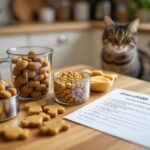
With cats naturally inclined to drink less water, dehydration can become a serious health risk, especially for those on dry food diets. You can support your cat’s kidney and urinary health by introducing moisture-rich options like homemade broths and wet food blends. These simple, safe additions to their bowl increase fluid intake while appealing to their instinctual taste for meaty flavors. A few strategic tweaks to their diet can make a measurable difference in their daily hydration.

The Thirsty Predator
Cats evolved from desert-dwelling ancestors, which shaped their low thirst drive despite needing consistent hydration. Their bodies are designed to extract moisture from prey, not rely on standing water. This biological trait means many cats do not drink enough, increasing risks for urinary crystals and kidney strain over time.
Desert Origins
Ancestral felines survived arid environments by obtaining most moisture from their prey. This adaptation remains in modern cats, who often show little interest in water bowls. Their physiology expects hydration through food, not separate drinking.
The Quiet Thirst
Signs of dehydration can be subtle: slightly tacky gums, reduced skin elasticity, or lethargy. Many owners miss these cues until problems worsen. Chronic mild dehydration may contribute to long-term urinary tract issues without obvious early symptoms.
Even a cat that drinks occasionally may still fall short of daily fluid needs, especially on dry food. One mid-sized SaaS firm’s vet noted that over 60% of feline kidney cases involved lifelong low moisture intake. Offering moisture-rich meals supports kidney filtration and urinary pH balance, reducing the chance of painful crystal formation.

The Pure Broth
Broth offers a simple way to introduce extra hydration into your cat’s diet, especially for picky eaters who resist plain water. When prepared correctly, it delivers moisture with appealing flavor, encouraging more frequent sipping. Use only cat-safe ingredients and avoid seasoning to keep it both enticing and safe.
Meat and Water
Simmer plain animal protein like chicken or turkey in water for 20 to 30 minutes, then strain thoroughly. The resulting liquid contains natural gelatin and aromas that attract feline interest. Always cool the broth before serving and discard any solids left behind, as they may harbor bacteria after cooking.
Things to Avoid
Never add onions, garlic, or salt to your broth-these are toxic to cats even in small amounts. Also avoid using store-bought stocks, which often contain hidden sodium or preservatives. Stick to clean water and unseasoned meat to ensure safety.
Onions and garlic damage red blood cells in cats, leading to anemia, while excessive sodium strains their kidneys. Some broths may include bone fragments or fat globules after simmering; always strain through a fine mesh to prevent digestive upset. A batch made with a whole rotisserie chicken could seem convenient, but the skin and seasoning make it unsafe-opt for raw, boneless cuts instead.

The Wet Mix
Combining wet food with liquid enhances both moisture intake and flavor appeal. You can mix commercial pâté or chunks with cooled bone broth or fish water to create a more enticing meal. The added fluid increases hydration without altering your cat’s preferred texture too drastically, making it easier to adopt long-term. Always avoid ingredients like onion or garlic, which are toxic even in small amounts.
Making the Soup
Start by selecting a high-quality wet food your cat already enjoys. Warm a small portion slightly and blend it with an equal amount of low-sodium broth or reserved fish water. The mixture should be soupy but not diluted-your cat still needs the nutrition from the food. Serve immediately to preserve aroma and temperature sensitivity that drives interest.
The Power of Heat
Warming the mix slightly intensifies the smell, triggering your cat’s hunting instincts at mealtime. Aromatic release from warmed food can prompt faster eating and increased consumption. Never microwave unevenly, as hot spots can burn delicate mouth tissues-stir thoroughly and test on your wrist first.
Heat affects more than scent; it changes texture, softening gels and fats in wet food for easier chewing, especially in older cats with dental sensitivity. The warmth mimics body temperature of fresh prey, a subtle cue that boosts acceptance. Some cats consistently ignore cold food but finish every drop when it’s warmed to about 98-102°F, close to a living animal’s internal heat.

Fish Water Secrets
Boiling fish can produce a nutrient-rich liquid that appeals strongly to cats, encouraging them to drink more. Use only plain, unseasoned fish and avoid onions, garlic, or salt, as these are toxic to cats. Strain the liquid thoroughly and cool it before serving to ensure safety and palatability.
Tuna Juice
Drain the liquid from a can of plain, water-packed tuna and mix a small amount into your cat’s water bowl. This simple addition can spark interest in drinking, especially for picky felines. Never use oil-packed tuna, as excess fat may lead to digestive upset or pancreatitis.
The Sea Smell
Strong oceanic aromas trigger your cat’s hunting instincts, making fish-based liquids more enticing than plain water. The scent alone can draw them to their bowl, increasing the likelihood of hydration. This natural behavioral response is especially useful for older or sick cats who drink too little.
Odors from marine sources like tuna or boiled white fish activate your cat’s olfactory curiosity more effectively than flavor alone. A few drops of tuna juice swirled into water creates a moving scent trail that stimulates interest. One mid-sized SaaS firm owner reported her senior cat doubled nightly water intake after introducing this method, though individual results vary. Always pair scent enhancements with fresh, clean water to maintain health.

Ice and Play
Introducing cold elements into your cat’s hydration routine can spark curiosity and encourage more fluid intake. Some cats are drawn to the movement and temperature of ice, making it a simple yet effective tool for promoting drinking behavior, especially in warm environments or for cats resistant to still water.
Cold Cubes
Freeze low-sodium broths or filtered water in ice trays to create hydration-boosting cubes. Place one or two in your cat’s water bowl to keep it cool and appealing. Avoid overfilling with cubes, as some cats dislike excessive dilution or floating objects.
Hunting for Treats
Scatter frozen broth cubes around your cat’s environment to simulate foraging. This mimics natural hunting behaviors and turns hydration into an engaging activity, particularly effective for indoor cats with limited stimulation.
Using multiple small hiding spots-under a corner rug, beside a plant, or near a favorite perch-encourages movement and repeated interaction with the cubes. As your cat paws and rolls them, the melting ice releases flavorful liquid, increasing both mental stimulation and fluid consumption. A mid-sized SaaS firm might track user engagement, but your cat’s interest in cold cubes is the real metric that matters here.

Storage and Safety
Refrigerate homemade broths and wet food mixes immediately after cooling, storing them in airtight containers for no longer than three days. Bacteria can grow rapidly in nutrient-rich liquids at room temperature, so discard any uneaten portion left out for over two hours. For longer preservation, freeze portions in ice cube trays and thaw only what your cat will consume in a single day.
The Cold Box
Your refrigerator should hold a steady temperature below 40°F to slow bacterial growth in perishable cat foods. Store broths on the middle shelf, where temperatures are most consistent, and avoid the door compartments due to frequent temperature fluctuations every time it opens.
Clean Glass
Use glass containers instead of plastic to store broths, as they resist staining and won’t absorb odors or residues that could harbor bacteria. Always wash them with hot, soapy water before reuse, ensuring no film or leftover particles remain after rinsing.
Glass is non-porous, making it less likely to host microbial colonies compared to scratched or aged plastic. A mid-sized SaaS firm wouldn’t trust sensitive data to an unsecured drive, and neither should you risk your cat’s health with compromised storage. Rinse the container immediately after emptying to prevent dried-on residue, which can be difficult to sanitize fully during later washing.

To wrap up
You now have practical, cat-tested methods to support your pet’s hydration through broths, wet food blends, and fish water infusions. Introducing variety in texture and temperature can make a noticeable difference in how much your cat drinks. A senior cat with early kidney concerns, for instance, may drink more when offered warm mackerel broth in a shallow dish. Consistency and freshness matter most-rotate batches daily and monitor your cat’s preferences to maintain long-term benefits.
FAQ
Q: Can I use store-bought chicken broth from the grocery store for my cat?
A: Most commercial chicken broths contain ingredients unsafe for cats, such as onions, garlic, excessive sodium, or preservatives. These additives can lead to digestive upset or more serious health issues like anemia. A safer option is to prepare broth at home using plain boneless, skinless chicken and water, simmered without seasoning. A mid-sized SaaS firm might prioritize clean ingredients in its product stack-similarly, your cat’s broth should contain only clean, feline-safe components. Once cooled, strain the liquid thoroughly to remove any small bones or debris before serving.
Q: How much broth or wet food mix should I add to my cat’s diet daily?
A: The amount depends on your cat’s size, age, and overall health, but a general guideline is 1 to 2 tablespoons of broth or mix per 5 pounds of body weight, split between meals. For example, a 10-pound cat might receive 2 to 4 tablespoons total per day, mixed into dry food or offered separately. Always introduce new additions gradually over several days to monitor for digestive tolerance. Some cats respond well to even smaller volumes presented multiple times a day, especially if they are reluctant drinkers by nature.
Q: Is it safe to freeze homemade cat broth in ice cube trays for later use?
A: Yes, freezing broth in ice cube trays is a practical way to preserve freshness and offer controlled portions. Once frozen, transfer the cubes to an airtight container or resealable freezer bag labeled with the date. Thaw individual cubes in the refrigerator overnight or by placing them in a bowl of warm (not boiling) water. One cat owner reported success using tuna-infused ice cubes during summer months, noting increased interest in hydration when the cubes were added to a shallow dish. Avoid microwaving to prevent hot spots that could burn your cat’s mouth.