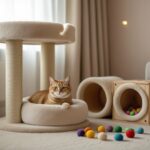
Most anxious cats benefit from a quiet retreat where they feel completely safe, and setting up a dedicated sanctuary room can make a noticeable difference in their daily comfort. You can transform a spare corner or small room into a calming haven using simple, thoughtful adjustments that speak directly to your cat’s instincts. This space isn’t just cozy-it can be a lifeline during stressful events like storms, visitors, or household changes.
Choosing the Ground
Start by picking a quiet corner away from foot traffic and loud appliances, since consistent noise can overwhelm your cat’s sensitive hearing. A bedroom closet, a space behind a bookshelf, or a nook under the stairs often works well. Hard floors are okay as long as you add layers-your cat will appreciate having a choice between cool tile and a soft blanket. Avoid placing the sanctuary near windows with direct street views, where passing animals or people might cause stress. The goal is a spot where your cat feels hidden yet accessible, giving them control over who enters their space.
The Soft Elements
Your cat will look for comfort in textures that invite rest, so include a plush blanket or a padded bed where they can sink in slightly. Soft materials muffle sound and create a sense of enclosure, which can reduce anxiety during loud household moments. Choose fabrics that are easy to wash, since cleanliness matters just as much as softness. A fleece-lined cave bed tucked in the corner gives them a private spot to disappear, and adding an old shirt with your scent can provide reassuring familiarity when you’re not around.
Light and Air
Natural light gently filtering through a sheer curtain can make your cat’s sanctuary feel safe and inviting, while avoiding harsh, direct sunlight prevents overheating and stress. Position the room near a window they can perch by, but ensure there’s always a shaded retreat nearby. Fresh air matters too-open the window briefly each day or use an air purifier to maintain clean, calm-smelling air, free from irritants that could unsettle sensitive feline senses.
Scents of Peace
You might not realize how deeply scents affect your cat’s mood, but familiar, calming aromas can make a real difference in reducing anxiety. Introduce natural, non-toxic scents like catnip or valerian root in a small sachet near the resting area. Avoid strong crucial oils, since many are dangerous for cats even in diffusers. Instead, let your cat’s own scent build up in the space by using unwashed fleece bedding, creating a reassuring, personalized atmosphere only they can appreciate.
Food and Water
Place your cat’s food and water bowls in a quiet corner of the sanctuary room, away from loud appliances or foot traffic. Fresh water should be available at all times, and using a ceramic or stainless steel bowl can help prevent whisker stress and bacterial buildup. If your cat tends to feel uneasy while eating, try feeding smaller portions more frequently to create a sense of safety. Some anxious cats prefer covered bowls or elevated feeders, which can make them feel more protected during meals.
The Human Presence
Your calm voice can be a powerful anchor when your cat feels overwhelmed. Sitting nearby and speaking softly, or even just reading aloud, helps your cat associate your presence with safety. Avoid sudden movements or direct eye contact, which might feel threatening. Instead, let your cat approach you on their own terms, perhaps with a gentle blink to signal trust. Forcing interaction is one of the most common mistakes and can undo days of progress. A mid-sized SaaS firm’s employee shared how her rescue cat began resting in the sanctuary room only after she started quietly knitting nearby for 10 minutes each evening. Consistency matters more than intensity-your steady, predictable presence builds confidence over time.
Summing up
You’ve created a quiet corner where your cat can retreat, feel safe, and reset. Soft bedding, gentle lighting, and familiar scents make the space inviting. Adding a favorite toy or blanket with your scent strengthens the comfort. Your calm presence nearby, without pressure to interact, often makes all the difference. A mid-sized SaaS firm redesigned their office with such spaces, noting fewer stress signs in their resident cats. Your thoughtful setup gives your anxious cat the peace they need, one quiet moment at a time.
FAQ
Q: How large should a sanctuary room be for an anxious cat?
A: A sanctuary room doesn’t need to be large, just safe and predictable. A spare bedroom, quiet corner of a living room, or even a walk-in closet can work if it’s free from loud appliances and heavy foot traffic. The key is consistency-once the space is chosen, keep the layout stable. A mid-sized SaaS firm redesigned a storage nook into a cat retreat using low shelves, a covered bed, and sound-absorbing curtains, reporting their resident cat began using the space within two days. Size matters less than security; even a small area with clear boundaries helps reduce overstimulation.
Q: Should I use a diffuser in the sanctuary room?
A: Only if it’s specifically formulated for cats and placed out of reach. Some crucial oil diffusers release compounds toxic to felines, so opt for a veterinary-approved pheromone product like Feliway. These mimic natural facial pheromones cats use to mark safe areas. One pet owner in Portland noticed her rescue cat stopped hiding behind the couch after introducing a plug-in diffuser near the room’s entrance, but only when paired with a consistent daily routine. Avoid strong scents like citrus, pine, or eucalyptus, which can heighten anxiety.
Q: Can other pets access the sanctuary room?
A: No, the space must remain off-limits to other animals. Even a friendly dog or curious cat can disrupt the sense of safety. Use a baby gate with a cat-sized opening or a door with a lock to maintain exclusivity. A family in Austin used a magnetic pet door that only opened with a microchip key attached to their anxious cat’s collar, ensuring their two other cats couldn’t follow. This allowed the shyest cat to eat, rest, and use the litter box without fear of confrontation, leading to fewer litter accidents and more visible relaxation over time.