Your cat’s need for water depends on several key factors.
Diet type – dry food eaters require more supplemental fluids
Age – kittens and senior cats are more prone to imbalance
Health status – kidney disease or diabetes increases fluid needs
Environmental temperature – heat exposure raises hydration demands
The right fluid support can prevent serious complications.
Biological predispositions toward dehydration
Cats evolved from desert-dwelling ancestors, so their bodies conserve water efficiently. This means they naturally drink less, often not recognizing thirst until dehydration sets in. Their low thirst drive, paired with a preference for dry food, puts them at higher risk. The design of their kidneys prioritizes concentration over volume, making daily fluid intake crucial.
Therapeutic benefits of supplemental fluids
Adding fluids through broths supports kidney filtration and reduces urine concentration. This can slow the progression of chronic conditions like CKD and prevent urinary crystals. Hydrated cats show better digestion and more stable energy levels. The improvement in overall well-being is often noticeable within days.
Supplemental fluids enhance your cat’s ability to flush toxins and maintain electrolyte balance. When you offer a warm, aromatic broth, you stimulate both appetite and fluid intake-especially helpful for picky or sick cats. The increased circulation of nutrients supports organ function, with the kidneys and bladder benefiting most from consistent hydration.
Critical Factors in Ingredient Selection
Choosing the right components ensures your homemade broth supports your cat’s health.
Use only safe and lean protein sources like chicken, turkey, or white fish
Avoid onions, garlic, and chives-all highly toxic to cats
Select low-sodium or unsalted ingredients to protect kidney function
Steer clear of artificial flavorings and preservatives
After preparing each batch, always double-check every ingredient against known feline hazards.
Identifying safe and lean protein sources
You can rely on plain, cooked chicken breast, turkey, or cod as excellent lean protein choices. These meats are easy to digest and rich in nutrients your cat needs. Never use processed or seasoned cuts-stick to unseasoned, boiled, or poached options. After cooking, remove all bones and skin to prevent choking or digestive upset.
Recognizing toxic additives and preservatives
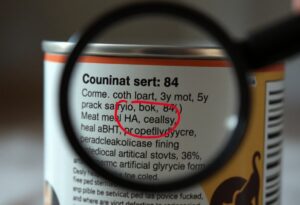
You must avoid any ingredient containing onion powder, garlic salt, or MSG, as even small amounts can cause anemia. Artificial colors and sodium nitrate, often found in broths, are equally dangerous. After reading every label, discard products with unidentifiable or chemical-sounding ingredients.
Many store-bought broth bases contain hidden toxins that aren’t safe for cats. Onion and garlic derivatives appear in various forms-like allium, dehydrated garlic, or onion powder-and can damage red blood cells even in trace amounts. Some preservatives, such as BHA and BHT, have been linked to long-term health risks. After identifying these threats, always opt for whole, unprocessed ingredients you control yourself.
How-to: Crafting a Nutrient-Dense Chicken Broth
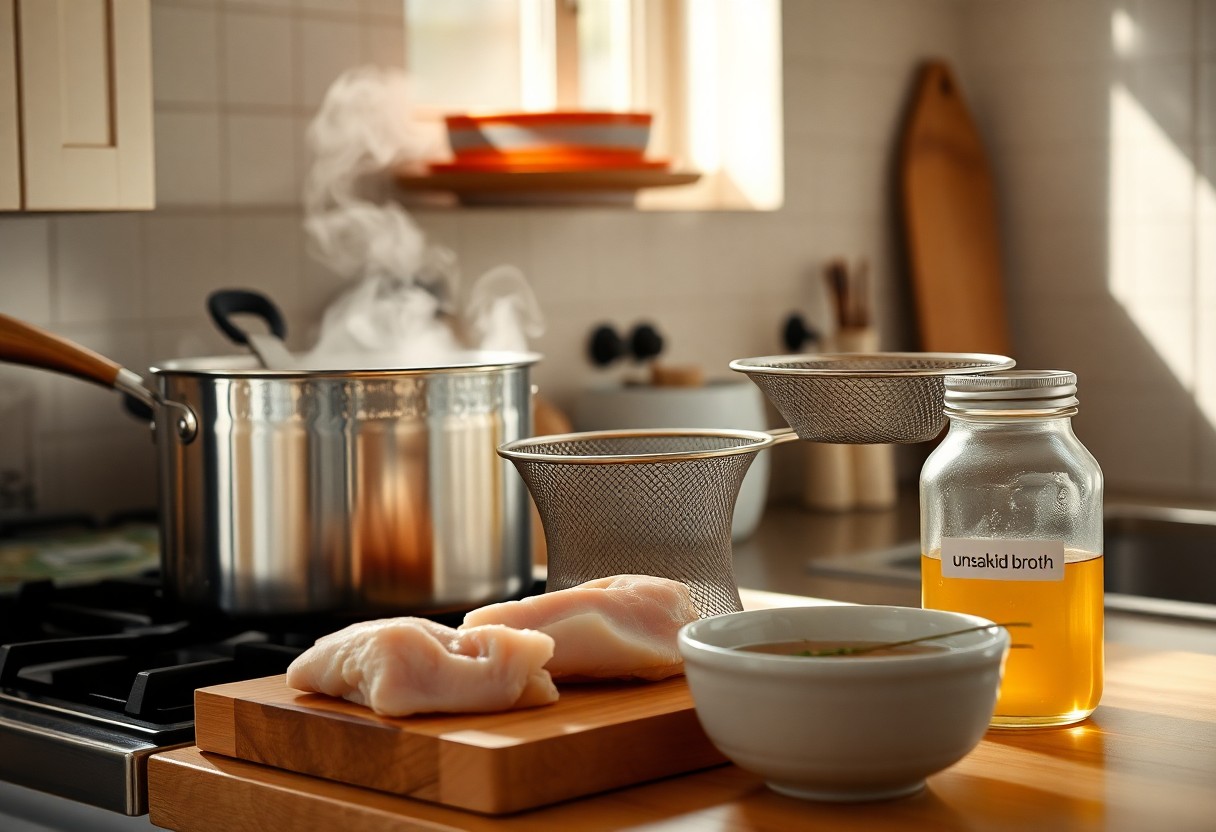
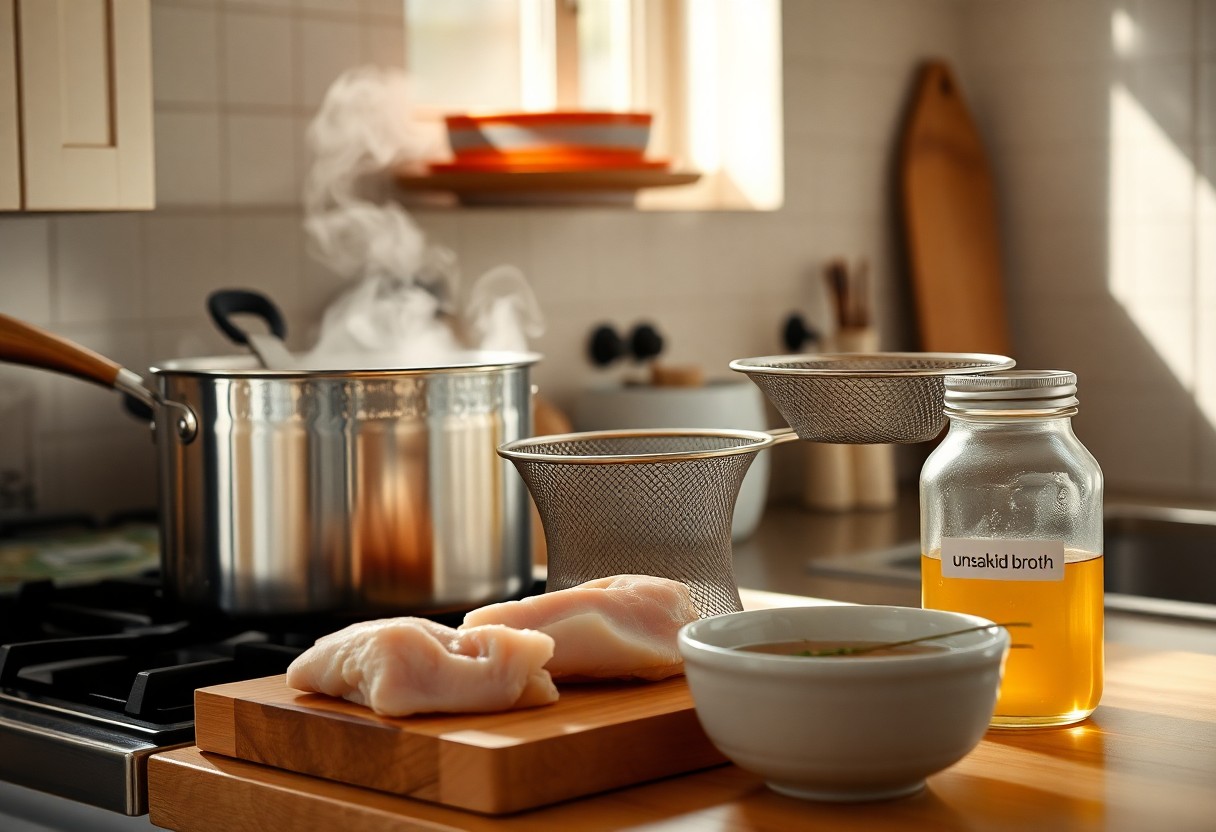
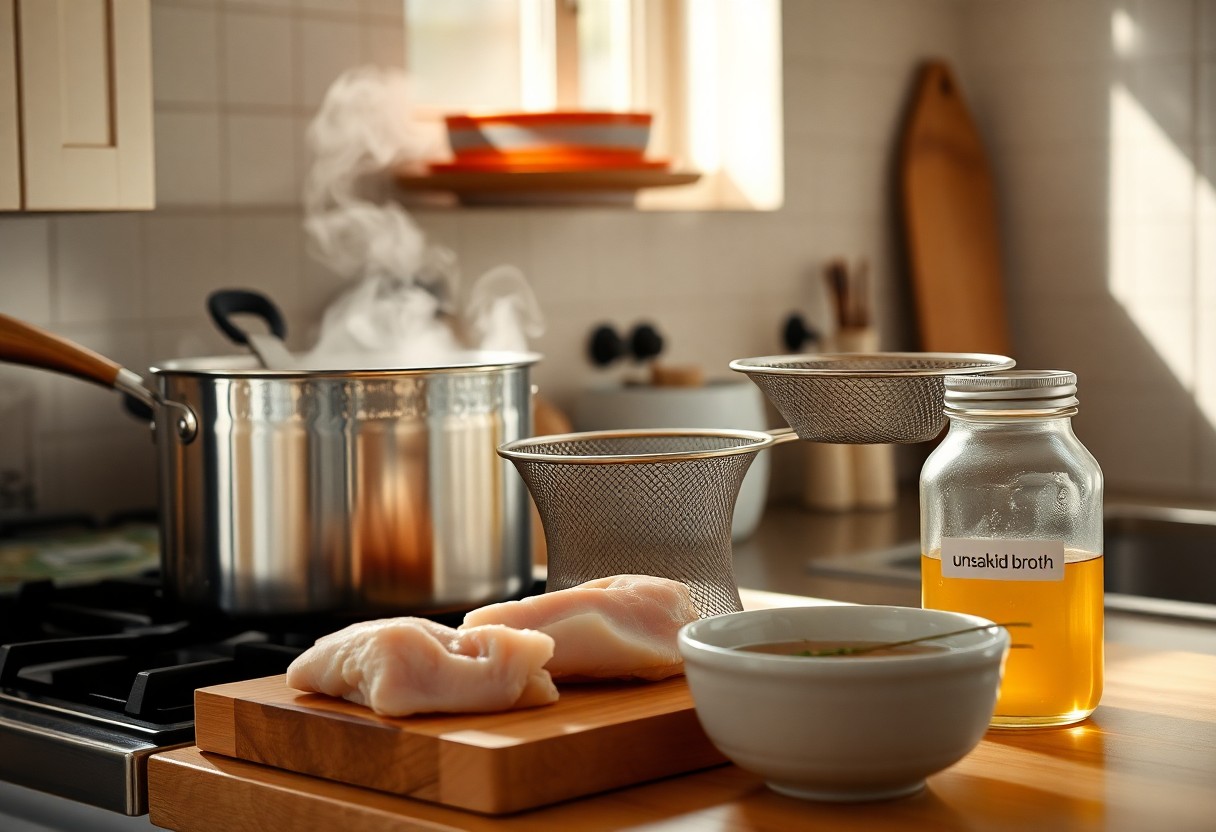
Start with high-quality, bone-in chicken pieces to extract maximum nutrients and flavor. Simmering bones releases collagen, which supports joint and digestive health in cats. This simple broth becomes a hydration-rich addition to your cat’s diet when prepared correctly and safely.
Step-by-step preparation and simmering process
Follow these key steps to ensure a safe, nutritious broth for your cat:
Step
Action
1
Place chicken bones and meat in a pot; cover with water
2
Bring to a gentle boil, then reduce to a simmer
3
Simmer uncovered for 2-3 hours
4
Skim off foam or impurities early in the process
5
Never add onions, garlic, or salt-these are toxic to cats
Effective techniques for straining and fat removal
Cool the broth slightly, then pour it through a fine-mesh sieve to remove solids. Let it chill in the refrigerator-the fat will solidify on top, making it easy to remove. This step ensures a lighter, safer broth for sensitive feline digestion.
Chilling is the most effective way to separate fat without losing nutrients. Skimming while warm removes some fat, but refrigeration guarantees a cleaner result. Always discard bones and meat remnants after straining-they can harbor bacteria after cooking and aren’t safe for repeated use.
How-to: Diversifying Flavors with Beef and Fish
Expanding your cat’s palate with safe animal proteins enhances both enjoyment and nutrition. Introducing beef and fish broths in rotation prevents flavor fatigue and supports varied nutrient intake. Always use human-grade ingredients and avoid seasoning. Your cat benefits most from clean, simple preparations that prioritize safety and digestibility.
Preparing a gentle whitefish infusion
Begin with skinless, boneless whitefish like cod or haddock to prevent choking hazards. Simmer the fish in water for 10-12 minutes, then strain thoroughly to remove any fragments. This mild, easily digestible broth is ideal for sensitive stomachs and encourages hydration without overwhelming your cat’s system.
Utilizing marrow bones for collagen-rich beef stock
Select grass-fed beef marrow bones to boost joint and gut health through natural collagen. Simmer them slowly for 12-24 hours to extract nutrients, then cool and remove all fat. This rich, nourishing stock supports coat shine and digestion when served in small, cooled portions.
Slow-cooking marrow bones unlocks gelatin that soothes your cat’s digestive tract and strengthens connective tissues. The long simmer pulls minerals like calcium and phosphorus into the liquid, creating a nutrient-dense supplement. Always use a large pot with enough water to cover the bones completely and prevent contamination. Never add onions, garlic, or salt-these are dangerous and potentially toxic to cats. Once strained and chilled, the broth should form a jelly-like texture, a sign of high collagen content. Serve a teaspoon daily, adjusting based on your cat’s size and tolerance.
Expert Tips for Storage and Preservation
Proper storage ensures your homemade cat-friendly broths remain safe and nutritious.
Always cool broth completely before refrigeration or freezing
Use airtight containers to prevent contamination
Label each batch with date and ingredients
Thou can trust freshness when protocols are followed precisely.
Optimal refrigeration and freezing protocols
Refrigerate broth within two hours of cooking to halt bacterial growth. Store in the coldest part of the fridge for up to 48 hours. For longer use, freeze in ice cube trays-this allows portion control and quick thawing. Thou will preserve flavor and safety with consistent cold storage.
Maintaining nutritional integrity during storage
Heat-sensitive nutrients degrade if broth is stored improperly. Use opaque, airtight containers to limit light and oxygen exposure. Avoid repeated thawing and refreezing, as this diminishes nutritional value. Thou support your cat’s health best when freshness is locked in from the start.
Each time you freeze broth, some vitamins like B-complex may diminish slightly due to temperature shifts. However, minerals and collagen remain stable, ensuring your cat still gains necessary support for joints and digestion. Glass containers reduce chemical leaching risks and maintain purity. Thou protect long-term benefits by prioritizing gentle handling and consistent cold-chain practices.
Strategic Tips for Encouraging Consumption
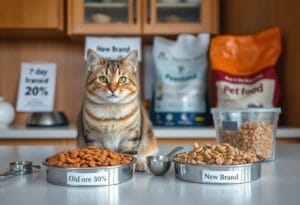
Use warm broths to intensify aroma and entice your cat’s interest. Serve in shallow, non-reflective bowls to avoid whisker stress. Introduce the broth gradually by mixing small amounts with meals. Assume that consistency and patience lead to long-term acceptance.
Implementing broth as a meal enhancer
Drizzle a small amount of warm, cat-friendly broth over dry or wet food to boost moisture and flavor. This simple step increases hydration intake without altering your cat’s preferred diet. Assume that even minimal additions support kidney and urinary health over time.
Creative serving methods for picky eaters
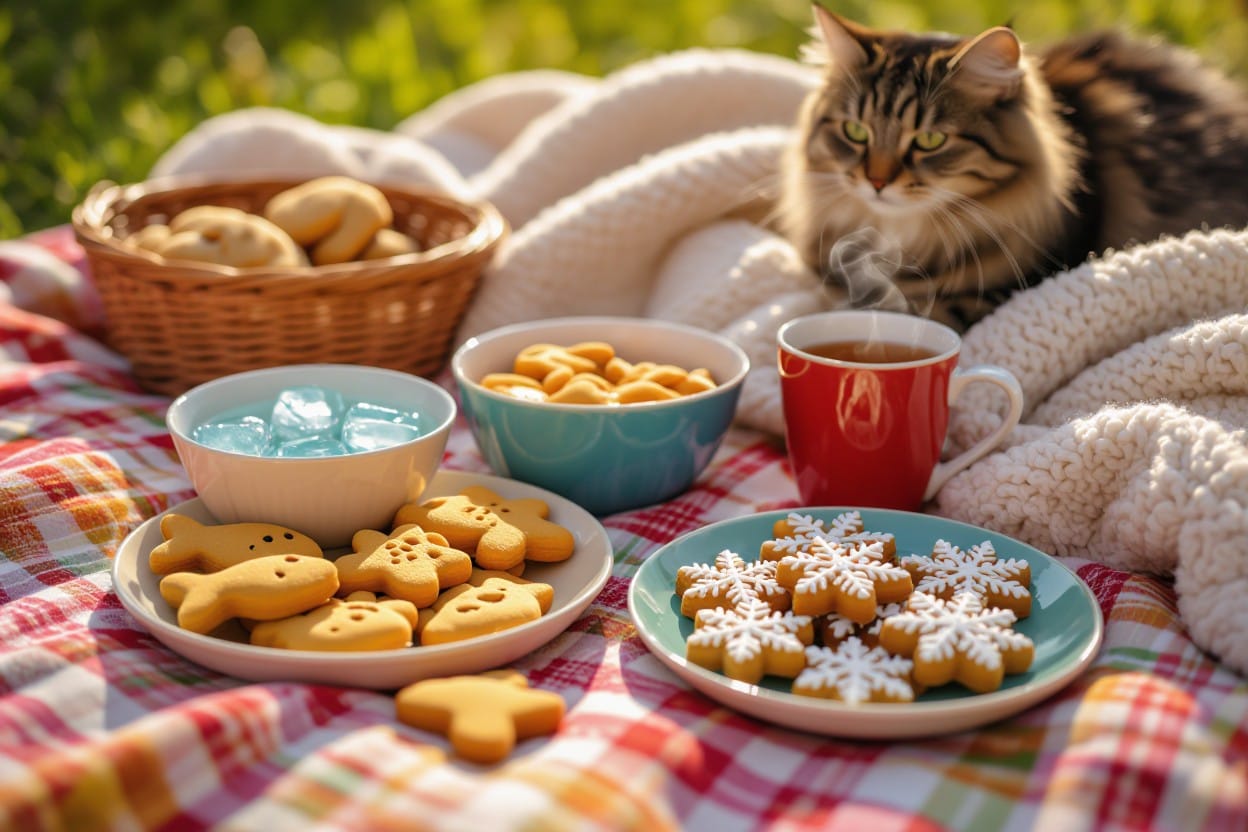
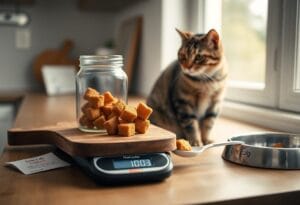
Freeze broth in ice cube trays and offer one cube as a cool, novel treat. Pour it over cat-safe greens or into puzzle toys to spark curiosity. Assume that texture and presentation shifts can overcome resistance in selective eaters.
Transforming how your cat interacts with food starts with innovation. When you present broth as a frozen treat or hide it in interactive feeders, you tap into natural hunting behaviors. The cold temperature soothes teething kittens, while the slow release of flavor keeps adults engaged. These subtle changes often make the difference for cats who ignore plain liquids. Assume that engagement drives consumption more than taste alone.
To wrap up
Summing up, you can easily support your cat’s hydration by preparing simple, safe broths at home using plain cooked meat and water. Avoid onions, garlic, and salt, and serve the broth cool in small amounts. This tasty addition to their diet encourages drinking and complements their overall health.
FAQ
Q: What ingredients are safe to use when making cat-friendly broth at home?
A: Safe ingredients for homemade cat-friendly broth include plain, unseasoned boneless chicken, turkey, or lean beef. Use only water and the meat-avoid onions, garlic, scallions, chives, salt, spices, and herbs like rosemary or thyme, as these can be toxic to cats. A small piece of carrot or zucchini is acceptable for flavor but should be strained out before serving. Always cook the meat thoroughly and let the broth cool before offering it to your cat.
Q: How often can I give my cat homemade broth?
A: Homemade broth can be offered to your cat once or twice a day in small amounts-typically 1 to 2 tablespoons per serving. It should not replace fresh water or balanced cat food but can be used to encourage hydration, especially for cats that don’t drink enough. If your cat has kidney issues or other health conditions, consult your veterinarian before making broth a regular part of their routine.
Q: Can I store homemade cat broth, and for how long?
A: Yes, you can store homemade cat broth in the refrigerator for up to 3 to 4 days in a sealed container. For longer storage, freeze the broth in ice cube trays and transfer the cubes to a freezer bag. Frozen broth stays fresh for up to 3 months. Thaw a cube in the refrigerator or with a bit of warm water-never microwave it directly in a plastic container. Always check for off smells or cloudiness before serving. Discard any broth that looks or smells unusual.