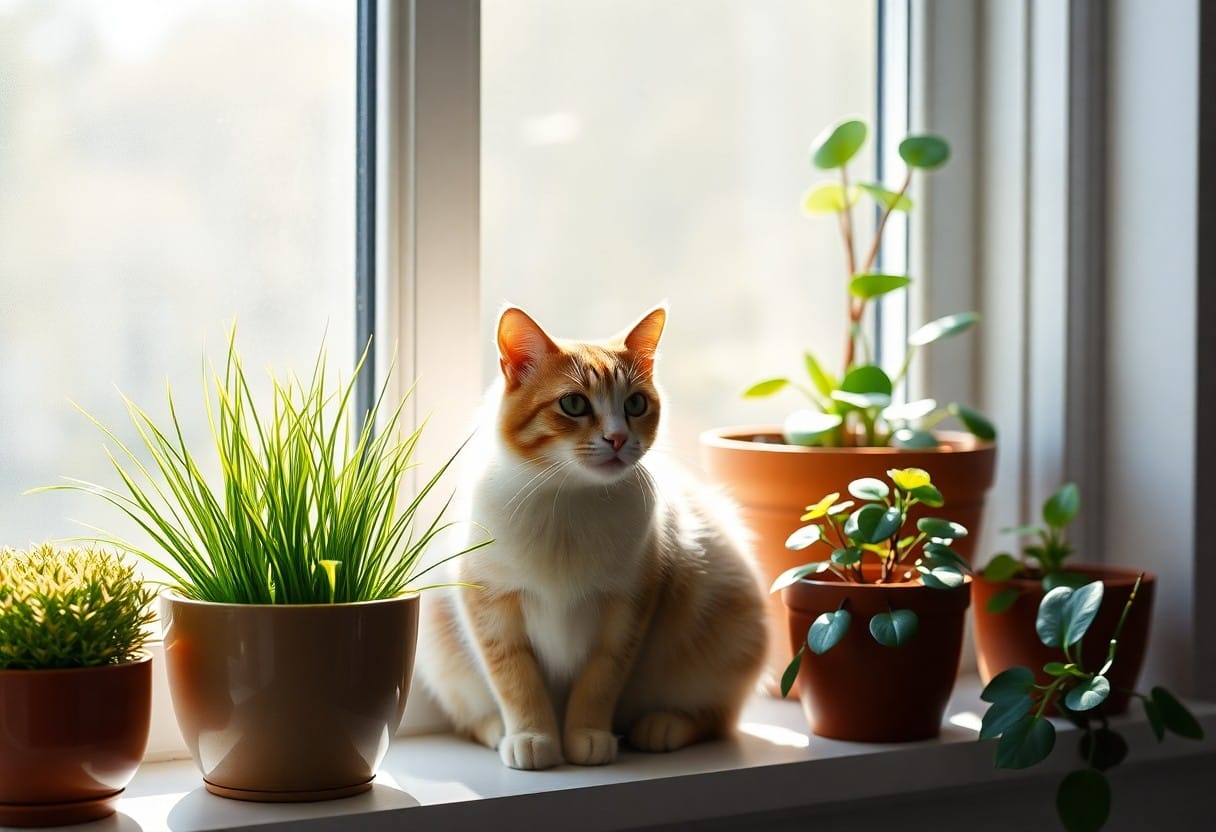
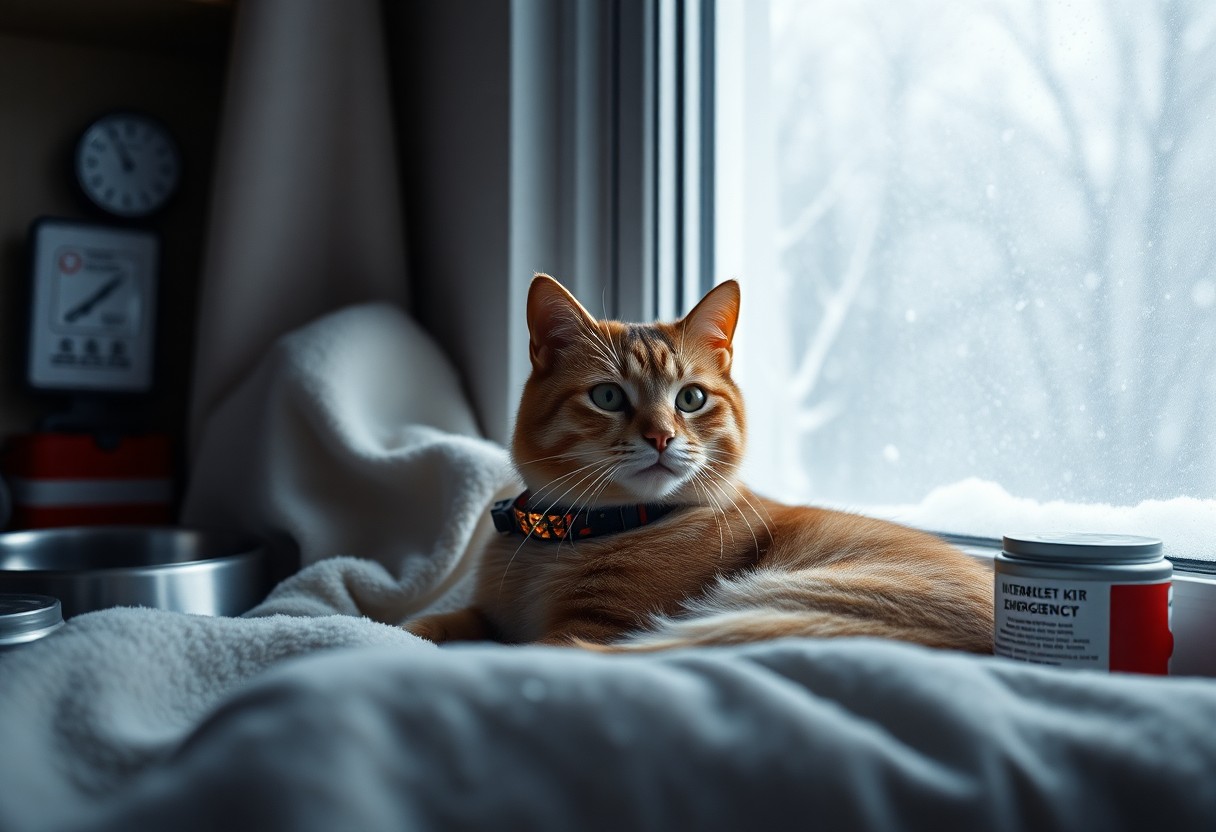
Just because you love plants doesn’t mean your cat has to miss out-many common houseplants are toxic to cats, but plenty of safe, attractive options exist. You can enjoy lush greenery while keeping your pet safe and healthy. Choosing non-toxic plants like spider plant, Boston fern, and catnip supports both your home’s beauty and your cat’s well-being.
You can safely let your cat explore around the Honest Fern, a resilient plant that thrives in low light and adds soft green texture to your space. Unlike many common houseplants, this fern is non-toxic to cats, so even if your pet takes a curious nibble, no serious harm will occur. Its gentle growth habit and pet-safe profile make it a trusted choice for homes with feline companions.
The Spider Plant
You’ll love how the spider plant thrives in indirect light and asks little in return. Its arching green-and-white striped leaves add movement to any room, while its non-toxic nature makes it completely safe if your cat decides to nibble. Even when your cat plays with its dangling plantlets, you can relax-this is one houseplant that’s harmless and cat-approved.
You can safely bring tropical charm into your home with cat-friendly palms like the parlor palm and areca palm. These plants thrive in bright, indirect light and add lush greenery without risking your cat’s health. Never confuse them with sago palms, which are highly toxic. With proper care, your palms become long-lasting, purifying additions to your shared space.
Succulents of the Desert
You can safely grow certain desert succulents like Echeveria and Haworthia in your home-they’re non-toxic to cats and thrive with minimal care. These plants store water in their leaves, so overwatering is a bigger risk than pests. Keep them in bright, indirect light and let soil dry between watering. Avoid toxic look-alikes such as Agave or Aloe vera, which can cause vomiting or diarrhea if ingested.
Herbs for the Hunter
You can grow cat-safe herbs that satisfy your feline’s instinct to hunt and nibble. Chamomile, catnip, and cat thyme are non-toxic and often delight your pet with natural stimulation. These herbs thrive on windowsills, giving your cat access to safe greenery. Always confirm plant identity before offering it, as some look-alikes are harmful. Rotate herbs weekly to keep your cat engaged and your plants healthy.
The High Ground
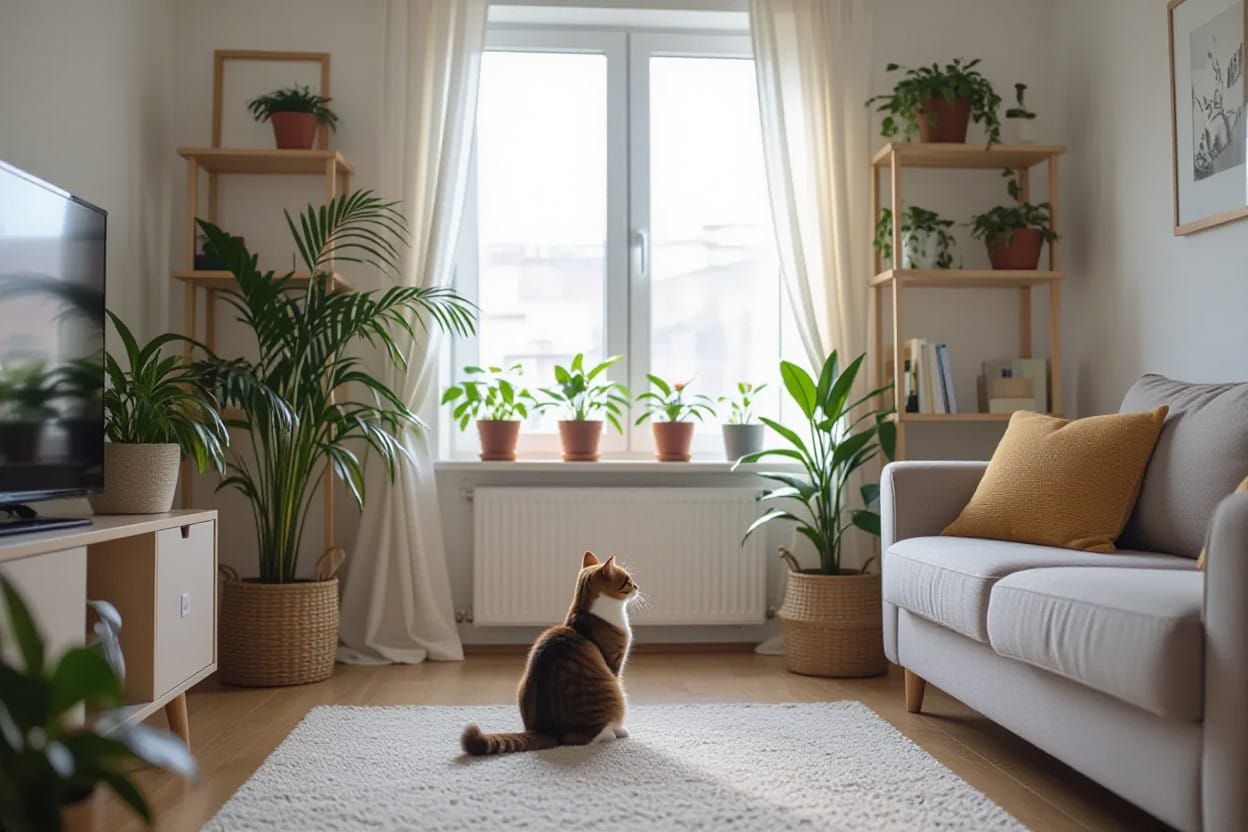
You might not realize how much cats value vertical space. Placing cat-safe plants like spider plants or parlor palms on elevated shelves or hanging planters keeps them out of reach of curious paws while adding greenery. These spots become prime territory for your cat to explore, satisfying their instinct to climb. Choose sturdy, stable planters to prevent tipping-your cat’s safety depends on secure placement.
Presently, you can safely enhance your home with greenery that supports both your cat’s well-being and your décor. Choosing non-toxic plants like spider plant, catnip, and Boston fern ensures your feline has safe outlets for natural curiosity and chewing instincts. Your informed choices create a healthier, more harmonious living space for both you and your pet.
FAQ
Q: What are some safe, non-toxic plants I can grow at home if I have a cat?
A: Cat-safe plants include spider plant, Boston fern, areca palm, and catnip. These plants won’t harm your cat if chewed or accidentally ingested. Spider plants are especially popular because cats enjoy batting at their long leaves, and they’re completely non-toxic. Areca palms add a tropical feel and thrive in bright, indirect light. Always double-check plant names before buying, as some have toxic look-alikes.
Q: How can I tell if a plant is toxic to my cat?
A: The best way to confirm a plant’s safety is to check trusted sources like the ASPCA’s list of toxic and non-toxic plants. Look up the plant by its scientific name, since common names can be misleading. Signs your cat may have eaten something toxic include drooling, vomiting, lethargy, or loss of appetite. If you suspect poisoning, contact your vet or an emergency animal clinic right away.
Q: My cat keeps chewing on my houseplants. How can I protect both the plants and my pet?
A: Place sensitive or toxic plants out of reach on high shelves or in hanging planters. Offer your cat its own plants like wheatgrass or oat grass, which are safe and satisfying to chew. You can also use natural deterrents like citrus peels or diluted vinegar sprays on leaves-most cats dislike the smell. Giving your cat plenty of toys and mental stimulation often reduces plant-chewing behavior over time.