With simple recipes you can offer low-calorie treats that support weight loss while avoiding toxic ingredients like onions, garlic, and grapes and controlling portions to keep your cat healthy.
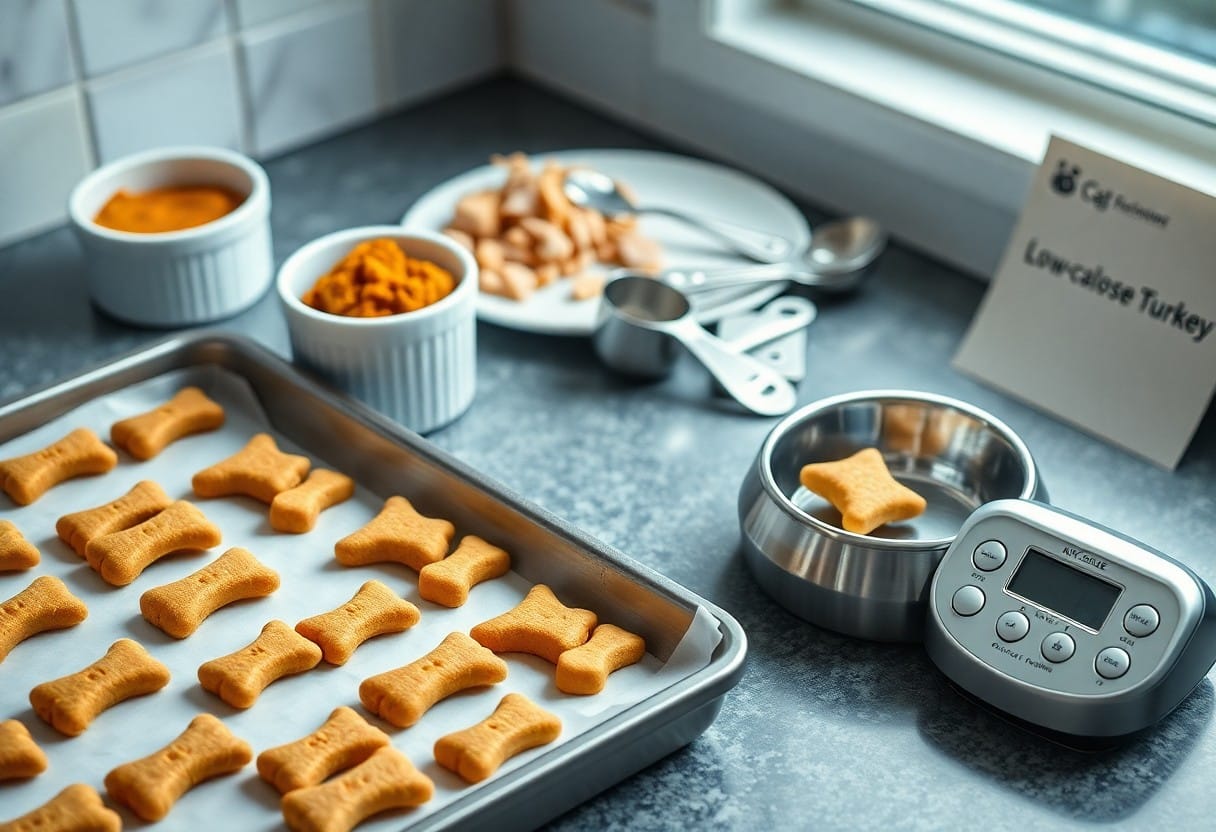
Understanding Feline Weight Management
Managing your cat’s weight requires steady portion control and regular activity; you must watch for hidden calories and obesity-related risks. Use vet guidance to set realistic goals and monitor progress to protect your cat’s long-term health.
Assessing Your Cat’s Body Condition Score
You can use a 1-9 Body Condition Score to check ribs, waist, and abdominal tuck; aim for a healthy mid-range and consult your vet if you note excess fat or muscle loss.
Determining Daily Caloric Requirements for Weight Loss
Calculate your cat’s target calories based on ideal weight, activity, and neuter status; a conservative deficit (typically 10-20%) supports safe weight loss. Get a vet-approved plan to avoid rapid weight loss risks like hepatic lipidosis.
Begin by estimating your cat’s ideal weight, then compute Resting Energy Requirement (RER = 70 × ideal kg^0.75). Choose a modest caloric deficit (about 10-20%) and track weekly weights; aim for steady loss near 1% per week. Contact your vet if weight drops faster or appetite changes, since hepatic lipidosis is a serious risk.
Safe and Nutritious Ingredients for Cat Treats
You should focus on whole, easily digested foods like lean proteins and small amounts of cooked, low-glycemic vegetables, while avoiding onions, garlic, and xylitol, which are toxic to cats; keep portions small to manage calories and weight.
Lean Proteins: The Foundation of Feline Nutrition
Choose quality sources such as cooked chicken, turkey, or fish in moderation to supply high-value protein that preserves muscle during weight loss; trim visible fat and avoid raw or seasoned meats.
Beneficial Fiber: Incorporating Low-Glycemic Vegetables
Include low-glycemic vegetables like cooked pumpkin or green beans for soluble fiber that slows digestion and increases satiety, but avoid starchy, high-carb options and limit portions to control calories.
When you prepare fiber-rich treats, steam or puree vegetables (pumpkin, zucchini, green beans) so your cat can digest them easily; use about 1 teaspoon per 5 lb bodyweight as a starting guide, monitor stool consistency, and never add onions, garlic, or raw dough that can cause serious harm.
High-Calorie Ingredients and Toxins to Avoid
You must avoid recipes heavy in animal fats, oils, and calorie-dense additives; choose lean proteins and controlled portions instead, and keep known household toxins off the menu to protect weight and overall health.
Identifying Hidden Fats and Fillers
Labels can hide rendered fats, added oils, and caloric fillers; you should scan ingredient lists for meat by-products, sugars, and starches that inflate calories, preferring whole lean meats and minimal fillers for treats.
Common Kitchen Ingredients Toxic to Cats
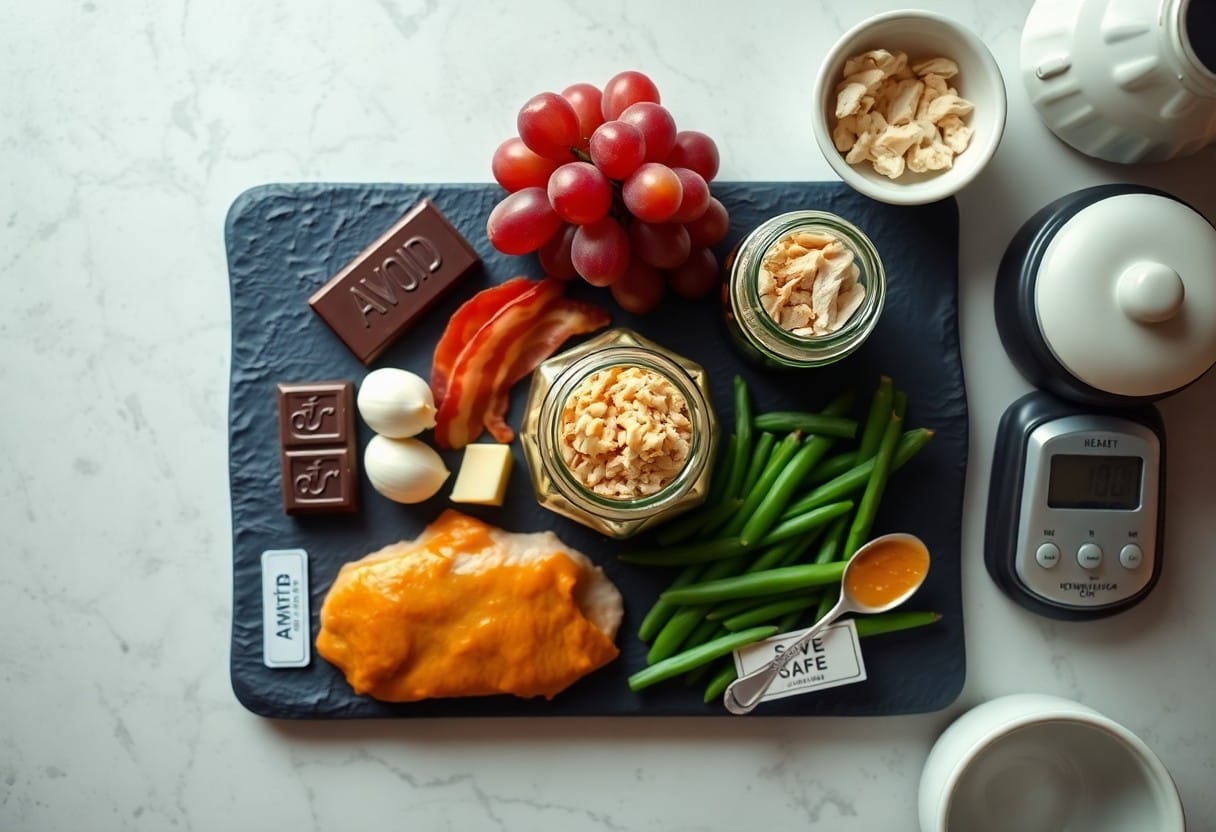
Onions, garlic, and xylitol are particularly dangerous; you must also avoid chocolate, grapes, raisins, caffeine, and alcohol, since small amounts can cause anemia, organ damage, or hypoglycemia-keep these away from treats and counters.
Chocolate contains theobromine and caffeine and can cause vomiting, tremors, rapid breathing, or seizures-if your cat eats any, seek immediate veterinary care; likewise, onion/garlic exposure leads to anemia and xylitol triggers severe hypoglycemia.
Step-by-Step Low-Calorie Treat Recipes
| Recipe | Quick Notes |
|---|---|
| Oven-Baked Lean Chicken Crisps | Skinless chicken breast sliced thin and baked until crisp; low-calorie and easy to portion-no salt or spices. |
| Steamed White Fish and Pumpkin Bites | Boneless white fish steamed and blended with pureed pumpkin; high fiber, low fat-remove bones and avoid added oils. |
Oven-Baked Lean Chicken Crisps
You slice skinless chicken thin, bake at moderate temperature until crisp, then break into small treats; avoid salt and seasonings so you keep calories and stomach upset risks low for your cat.
Steamed White Fish and Pumpkin Bites
Steam boneless white fish until flaky, mix with unsweetened pumpkin, form tiny bites, and cool before serving; remove all bones and skip oils or spices to protect your cat.
Check portion sizes-offer these treats as no more than 10% of daily calories and store extras refrigerated up to three days; you must avoid raw fish because it can reduce thiamine, and always remove bones and never add onions, garlic, or salt; consult your vet for any dietary restrictions.
Portion Control and Feeding Strategies
Portions should be measured with a kitchen scale so you control calories; you can use low-calorie homemade treats as occasional rewards while tracking daily intake to avoid overfeeding.
Adhering to the 10% Treat Rule
Follow the 10% rule, keeping treats under ten percent of daily calories so you prevent weight gain and can still reward progress with low-calorie options.
Using Treats to Encourage Physical Activity
Use small, low-calorie treats to initiate play or hide-and-seek games so you boost exercise time while avoiding added excess calories.
Try scattering treats in puzzle toys or tossing them short distances to prompt chasing; you should limit sessions, track calories, and stop if you see signs of overfeeding or fatigue, prioritizing short play bursts.
Proper Preparation and Storage Standards
Practice strict portioning and cooling: chill treats quickly, label dates, and discard after three days refrigerated or two months frozen. You should avoid added salt, sugar, and high-fat scraps; excess fat and salt worsen weight and health.
Cooking Techniques to Minimize Fat Content
Trim visible fat, steam, bake or poach lean proteins, and use nonstick pans or cooking spray to reduce added fat. You should portion treats small and cool before serving; lower-fat cooking keeps calories down without sacrificing flavor.
Safe Handling and Preservation Methods
Store cooked treats in sealed containers, chill within two hours, and label with prep dates. Avoid feeding spoiled or moldy items; bacterial contamination is a major risk for pets and can worsen health.
You should wash hands, utensils and surfaces after handling raw ingredients, and keep raw foods separate from cooked treats to prevent cross-contamination. Freeze portions in airtight containers or vacuum bags and thaw in the refrigerator; discard any treat left at room temperature over two hours. Avoid including onion, garlic, grapes, or xylitol, and watch for mold or foul odor, which indicate spoilage and require disposal.
Final Words
Taking this into account, you can make low-calorie homemade treats using plain cooked chicken, steamed fish, or freeze-dried meat, portioning small servings and consulting your vet to adjust treats to your cat’s calorie needs for safe, steady weight loss and better long-term health.

FAQ
Q: What homemade low-calorie treats are safest and most satisfying for overweight cats?
A: Cooked skinless chicken or turkey strips provide lean protein with very few calories and are widely accepted by cats. Thin oven-dried chicken jerky: slice a boneless, skinless breast into thin strips, bake at about 200°F (95°C) for 1.5-3 hours until dry and chewy, and confirm the center reaches 165°F (74°C) before drying. Plain steamed or baked white fish (cod, haddock) flaked into pea-sized pieces makes a low-calorie, high-protein option; remove all bones and avoid seasoning. Unsweetened canned pumpkin mixed with a little unsalted homemade chicken broth and frozen into ice-cube trays creates fiber-rich, low-calorie bites that help satiety. Small portions of plain, unsalted homemade chicken broth served as ice cubes or poured over food add flavor with minimal calories. Expect one small chicken sliver or a single frozen pumpkin cube to contain roughly 3-15 kcal depending on size; store cooked treats in the refrigerator for 3-4 days or freeze for up to 3 months.
Q: How often and how much should I give homemade treats to a cat on a weight-loss plan?
A: Treats should account for no more than 10% of a cat’s daily caloric intake, and for weight loss aim for 5% or less to preserve the calorie deficit. Calculate treat allowance by first estimating the daily target calories set by your veterinarian, then multiply by 0.05-0.10 to find the treat budget; example: a 180 kcal/day target leaves 9-18 kcal for treats at 5-10%. Weigh or standardize portions so each treat’s calories are known; a fingertip-sized chicken bite often equals about 5-10 kcal and a tablespoon of canned pumpkin is roughly 4 kcal. Replace part of meal calories with treats rather than adding treats on top of full meals, and keep treat-giving linked to training or activity to reinforce behavior. Weigh your cat every 1-2 weeks and adjust treat volume accordingly under veterinary guidance.
Q: Which ingredients and practices should I avoid when making low-calorie treats, and what safety checks should I perform?
A: Avoid onions, garlic, chives, grapes, raisins, chocolate, xylitol, alcohol, raw dough, and anything salted, sugared, or heavily spiced; do not give cooked bones or fatty trimmings. Dairy often causes gastrointestinal upset in adult cats, so skip milk, cheese, and yogurt as regular treats. Avoid frequent servings of tuna or other oily fish because of mercury, imbalance of nutrients, and palatability-driven overeating. Check homemade treats for bones, remove skin and excess fat, cook meats to safe internal temperatures, and introduce new treats in small amounts while monitoring stool and appetite. Look for signs of allergic reaction or digestive distress (vomiting, diarrhea, lethargy) and stop the treat if any appear, then consult your veterinarian. Label and date stored batches, refrigerate for up to 4 days, and freeze portions for longer storage to prevent spoilage.