You must adjust your senior cat’s diet to protect aging kidneys and joints; kidney disease and obesity increase with age. Offer high-quality, easily digestible protein, controlled phosphorus, and tailored portions to preserve muscle and maintain energy and comfort.
Understanding the Physiological Changes of Aging
Aging alters body composition, organ function, and hormone levels, so you must adjust feeding to match reduced activity, renal changes, and dental wear. Watch weight loss, dehydration, and reduced appetite as early warning signs and discuss tailored diets with your vet.
Decreased metabolic rate and energy requirements
Your senior cat often needs fewer calories because basal metabolic rate falls with age; reducing portions prevents obesity, while monitoring muscle mass ensures you don’t underfeed protein.
Changes in digestive efficiency and nutrient absorption
Older cats may absorb nutrients less efficiently, so you should prefer highly digestible proteins and added enzymes or fiber to support stool quality and nutrient uptake.
Reduced pancreatic enzyme secretion and slower gut transit in seniors can cause malabsorption, loose stools, or constipation; you should consider diets with probiotics, prebiotics, moderate soluble fiber, and concentrated nutrients to maintain body condition and reduce GI upset, adjusting portions and consulting your veterinarian for diagnostic testing if symptoms persist.

Essential Macronutrient Adjustments
Adjusting protein, fat and carbohydrate ratios helps aging cats maintain muscle and energy; you should aim for higher-quality, easily digestible protein and moderate fat while controlling calories to prevent obesity and unintended weight loss.
Prioritizing high-quality, easily digestible proteins
Choose lean, digestible proteins like cooked poultry or fish; you should target high biological value protein to preserve muscle mass and support immune function while minimizing gastrointestinal upset.
Managing fat intake for weight maintenance
Balance dietary fat so you preserve energy and skin condition without adding excess calories; you should limit high-fat treats because excess fat increases obesity risk and joint strain.
Monitor your cat’s body condition regularly and adjust fat to maintain a healthy weight; small increases can aid recovery if weight drops, while reductions prevent progressive obesity. Consult your veterinarian for calorie targets and consider omega‑3s to support joints and a shiny coat without adding unnecessary calories.
Targeted Nutrition for Common Senior Ailments
You should focus on tailored calories, ample hydration, and targeted nutrients to slow decline; unaddressed excess weight and electrolyte imbalances can worsen many age-related conditions while specific adjustments offer measurable benefit.
Dietary support for chronic kidney disease
Adjusting phosphorus intake, providing moderated high-quality protein, and boosting moisture helps protect renal function; avoid high-phosphorus diets and ensure consistent hydration to reduce strain on kidneys.
Anti-inflammatory nutrients for joint health and mobility
Omega-3 fatty acids, green-lipped mussel, and antioxidants can lower joint inflammation and improve mobility; pair supplements with weight control because obesity worsens joint stress and EPA/DHA deliver proven benefits.
Supplementation with veterinary-dosed omega-3s (EPA/DHA), glucosamine/chondroitin, and green-lipped mussel supports cartilage and reduces inflammatory markers; you should choose cat-specific formulations, monitor for gastrointestinal effects or interactions with medications, and combine supplements with diet and controlled exercise to maximize pain relief and mobility gains.
Hydration Strategies for Senior Felines
Hydration becomes more important as kidney efficiency and thirst response decline; you should offer moisture-rich diets, multiple water sources, and monitor for signs of dehydration to protect long-term health.
The importance of moisture-rich diets
Canned food supplies significant fluid, easing kidney workload and lowering risk of concentrated urine that can worsen urinary disease; you can mix textures to suit appetite while increasing overall moisture intake.
Techniques to encourage voluntary water intake
Offer several shallow bowls, a pet-safe fountain, and varied water locations; some cats prefer moving water or warmed bowls, which increases voluntary drinking and reduces dehydration risk.
Place multiple bowls in quiet spots and use shallow, wide dishes so older cats with arthritis or dental pain can drink comfortably. You should choose ceramic or stainless steel to avoid plastic tastes and change water twice daily to keep it fresh. Try adding a splash of low-sodium chicken broth, rotating water stations, or offering ice-cube treats to spark interest. If you spot reduced urination, weight loss, or lethargy, contact your vet since dehydration can accelerate kidney disease.
Managing Appetite and Palatability
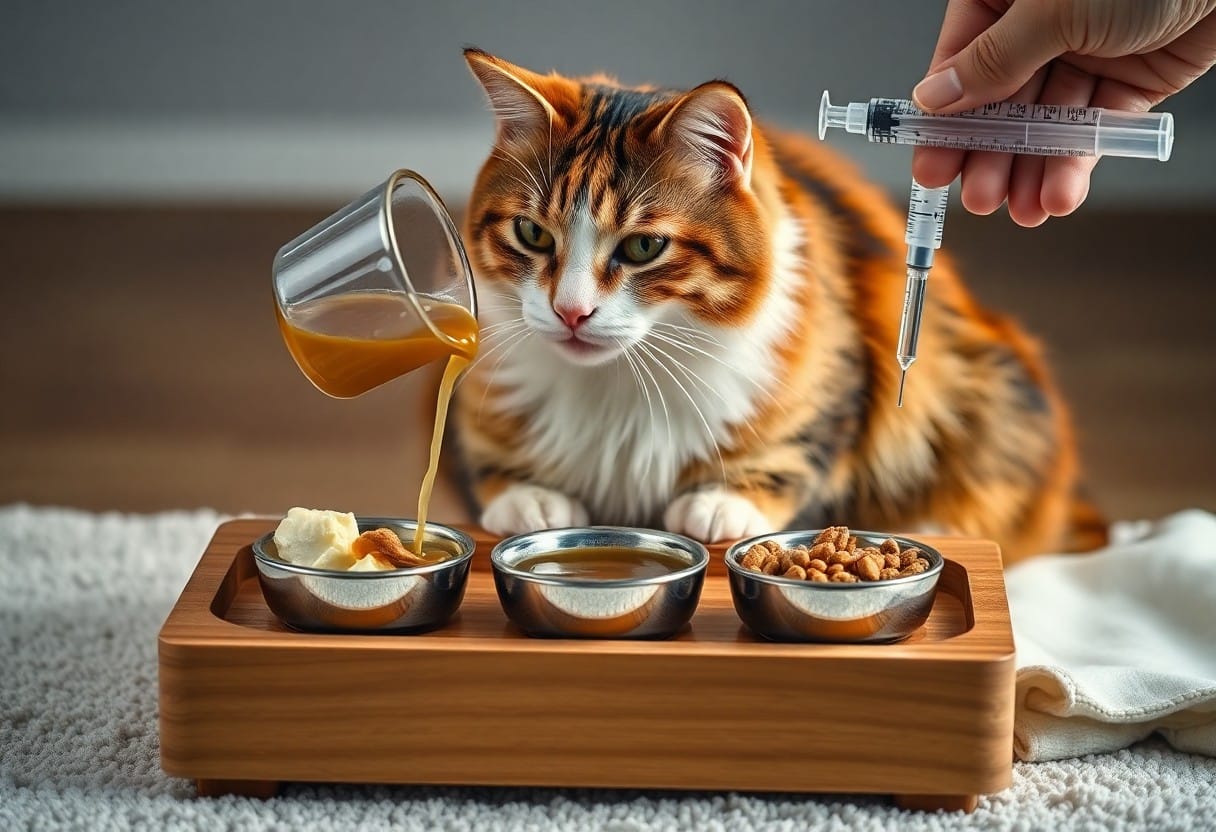
Managing your senior cat’s appetite may require testing flavors and textures to keep them eating; weight loss signals concern. You can offer small, frequent meals, warmed food to boost aroma, and high-calorie wet options to maintain body condition.
Addressing diminished senses of smell and taste
When your cat’s nose and taste decline, warming food, rotating proteins, and adding low-sodium broth can increase interest; loss of smell often causes decreased intake and dangerous weight loss.
Optimizing food texture and temperature for dental comfort
Softening kibble with warm water, offering pate or finely chopped wet food, and using shallow, raised bowls can reduce chewing pain and make meals more appealing; avoid serving food too hot to prevent burns.
Consider feeding moist, ground diets, offering slightly warmed portions to enhance aroma, and monitoring for drooling or dropping food, which indicate dental disease; consult your vet for treatment options.
Texture and Temperature Tips
| What to do | Why / How |
|---|---|
| Soften kibble with warm water | Eases chewing and releases aroma to boost interest |
| Warm food gently (body temperature) | Enhances smell without causing burns |
| Offer pate or finely chopped wet food | Makes swallowing easier for missing or painful teeth |
| Use shallow, raised bowls | Reduces neck and jaw strain during meals |
The Role of Supplements and Veterinary Oversight
Careful coordination with your veterinarian ensures supplements complement your senior cat’s diet; never add human supplements without guidance because some cause toxicity. Routine bloodwork and dosage checks help tailor additions like omega‑3s, probiotics, or joint support to your cat’s changing needs.
Beneficial additives for cognitive and immune support
You can add omega‑3s, antioxidants, B‑vitamins and probiotics to support cognition and immunity, while ensuring taurine remains included in any supplement. Discuss dosages with your vet to avoid overdosing and interactions.
Establishing a routine senior wellness and screening schedule
Schedule regular wellness visits every 6-12 months so your vet can monitor weight, dental health and organ function; bloodwork and dental checks catch early disease and guide nutritional changes.
During senior checkups, your vet will run a physical exam plus routine labs-CBC, chemistry panel, thyroid testing, urinalysis-and check blood pressure and dental status. These screenings detect common threats like kidney disease and hyperthyroidism early, allowing your vet to prescribe tailored nutrition, hydration plans and medication changes to preserve quality of life.
To wrap up
Now you should adjust your senior cat’s diet to support lean muscle, digestion, and hydration, monitor weight and appetite closely, choose palatable age-appropriate formulas, and consult your veterinarian for tailored feeding and medical guidance.
FAQ
Q: When should I switch my cat to a senior diet?
A: Most cats begin showing age-related changes between 7 and 10 years, so discuss a nutrition review with your veterinarian once your cat reaches that range. Observable signs that indicate a need for dietary adjustment include gradual weight loss, decreased muscle mass, reduced activity, changes in coat quality, dental pain or difficulty chewing, increased thirst or urination, and appetite fluctuations. Your veterinarian will recommend whether a commercial “senior” formula, a prescription diet for a specific condition, or simply a modified feeding plan is appropriate based on body condition score, bloodwork (kidney, thyroid, liver values), and any chronic diseases. Make dietary changes gradually over 7-10 days to minimize digestive upset and monitor body weight and stool quality during the transition.
Q: What specific nutrient changes should I make for an aging feline?
A: Protein quality and quantity should remain high and sourced from animal ingredients to help preserve lean muscle mass, while overall caloric intake may need modest reduction if activity declines. Controlled phosphorus and sodium are helpful for cats with early kidney disease; your veterinarian will advise on the level required. Increased dietary moisture through canned food or adding water to dry food supports hydration, urinary tract health, and kidney function. Moderate fat levels provide energy without promoting obesity; adding soluble and insoluble fiber can help with stool quality and digestive comfort. Omega-3 fatty acids (EPA/DHA) support joint health and may reduce inflammation; antioxidants such as vitamin E and trace mineral support help maintain cellular health. Always use balanced commercial diets formulated for adult or senior cats to ensure appropriate vitamin and mineral ratios, unless your vet prescribes a therapeutic diet tailored to a medical condition.
Q: How should I feed a senior cat with dental problems, obesity, diabetes, or kidney disease?
A: For dental disease, offer canned or moistened dry food and consult your veterinarian about dental treatment; soft textured diets and warming food to enhance aroma can improve intake. For obesity, implement a measured, calorie-controlled weight-loss plan prescribed by your veterinarian, split daily calories into multiple small meals, and avoid free-feeding and high-calorie treats. For diabetes, feed consistent portions at consistent times relative to insulin administration, favor diets with high-quality protein and controlled carbohydrates, and monitor blood glucose and body weight closely with veterinary guidance. For chronic kidney disease, choose diets with reduced phosphorus and adjusted protein levels appropriate for the disease stage, prioritize increased moisture, and follow your veterinarian’s recommendations for electrolyte and blood pressure management. Monitor appetite, weight, hydration, and clinical signs regularly and bring your cat for follow-up exams and bloodwork as advised so the feeding plan can be adjusted to changing health needs.