Many cat owners worry about oral disease; you can learn simple steps to brush safely, reduce plaque and avoid painful gum disease, using gentle motion, cat-safe toothpaste, and brief sessions to build tolerance-consistent brushing yields better health and fresher breath.
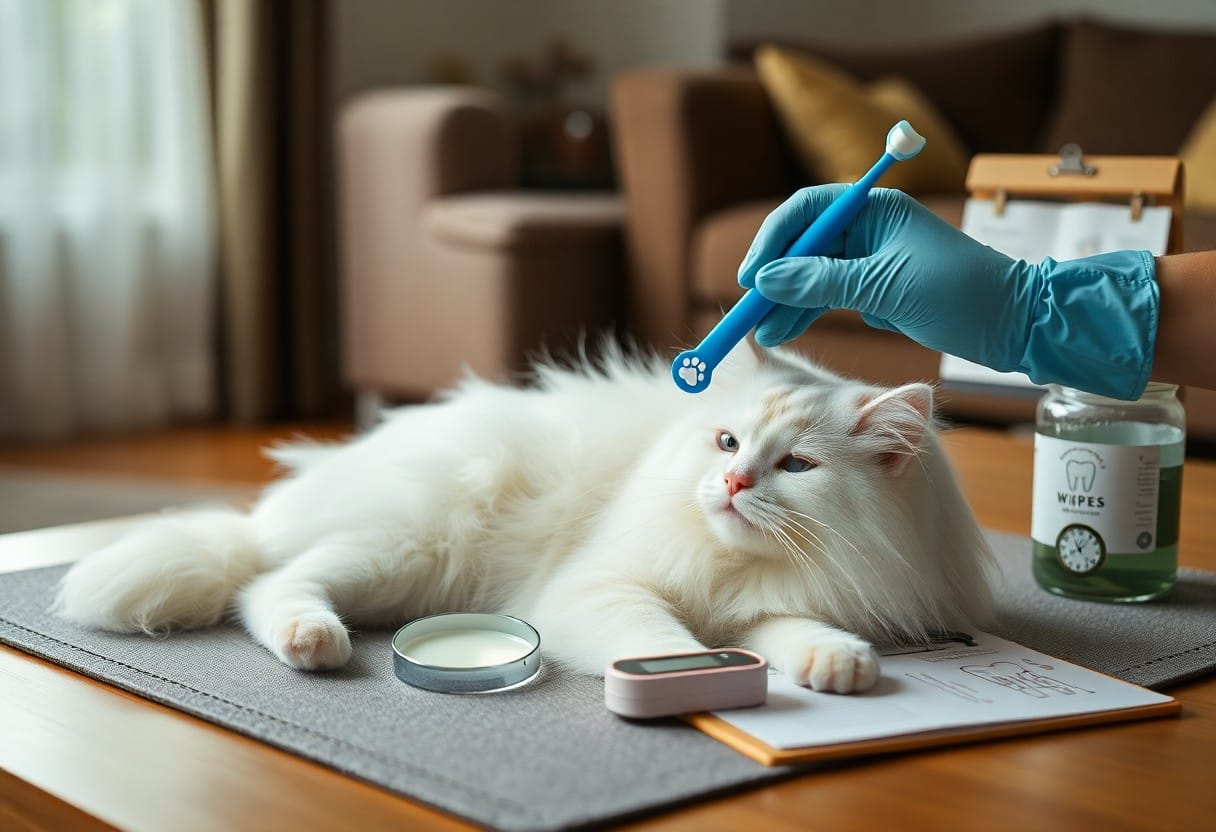
Key Factors Influencing Feline Dental Health
- Age
- Diet
- Genetics
- Plaque and tartar
- Oral care routine
Several of these elements determine how fast your cat develops plaque and tartar, which can progress to periodontal disease and tooth loss; you must monitor breed tendencies and daily habits. This makes regular veterinary exams and consistent at-home brushing one of the best ways to prevent pain and infection.
Understanding plaque and tartar accumulation
Plaque forms continuously on your cat’s teeth as bacteria feed on food residues, then hardens into tartar if not removed, increasing the risk of gum infection and tooth loss; you should brush to disrupt biofilm and reduce bad breath and oral pain.
The role of diet and genetics in oral hygiene
Diet affects chewing action and bacterial balance while genetic traits influence tooth alignment and susceptibility to gum disease, so you should tailor feeding and prevention to your cat’s breed and life stage.
Genetics can cause overcrowded or misaligned teeth that trap food and accelerate tooth resorption and periodontal disease, while diet alters saliva composition and mechanical cleaning; you can reduce risk by choosing veterinarian-recommended dental diets or textured kibble, offering approved dental chews, and using enzymatic toothpaste during brushing. Regular professional cleanings remain necessary when hereditary risks or heavy tartar buildup compromise oral health.
Essential Supplies for At-Home Care
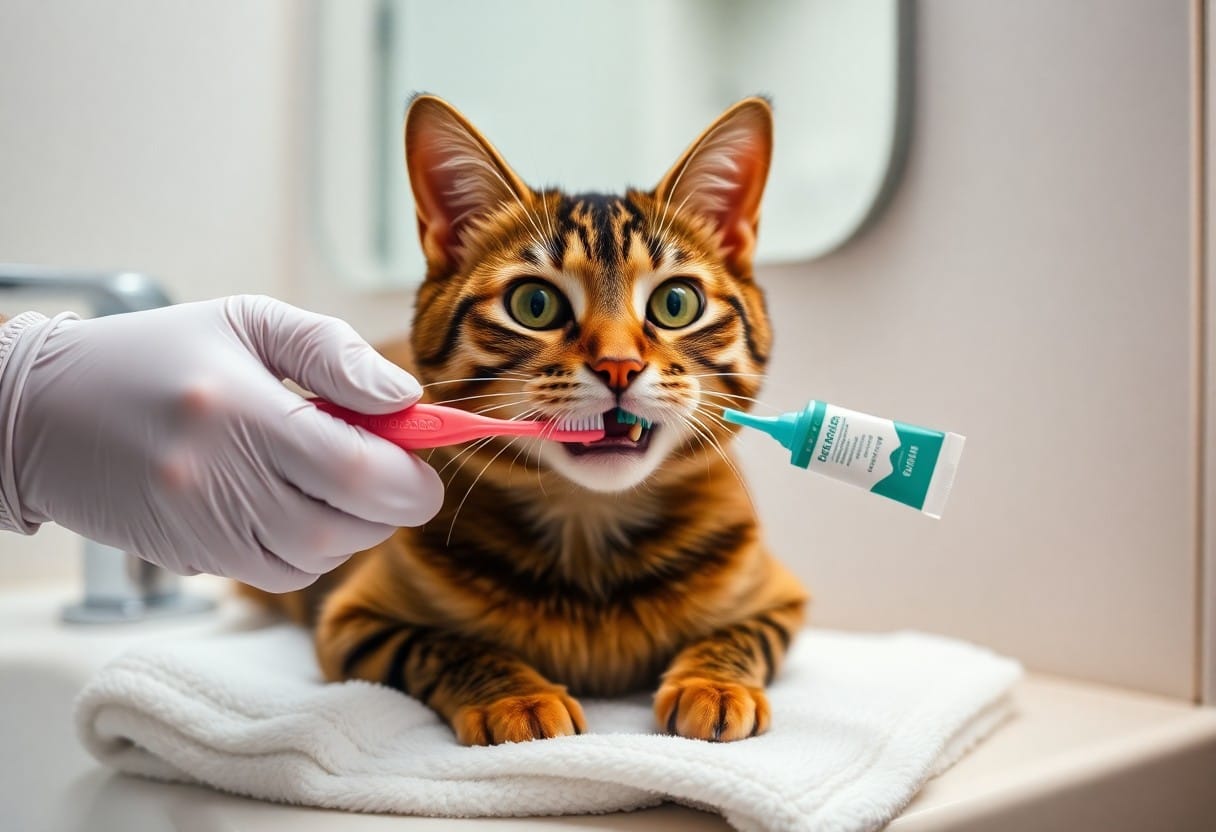
Gather a soft-bristled toothbrush or finger brush, feline enzymatic toothpaste, dental wipes, and treats for rewards; include a towel for restraint. Use only pet products-never use human toothpaste-and pick an enzymatic toothpaste to help reduce plaque.
Selecting feline-specific enzymatic toothpastes
Choose enzymatic toothpastes formulated for cats, ideally poultry or fish flavors that appeal to them. Avoid foaming human pastes; enzymatic formulas break down plaque and are safe if swallowed, so you can brush without rinsing.
Choosing between finger brushes and soft-bristled tools
Test a finger brush if your cat resists large tools; it offers direct control but can overwhelm small mouths. Soft-bristled toothbrushes reach molars better when you angle them correctly. Watch for gagging or bleeding-stop if you see blood-and pick the option that keeps brushing gentle and consistent.
Compare finger brushes and soft-bristled toothbrushes by comfort, access, and your cat’s tolerance: finger brushes let you feel plaque and calm nervous cats, while soft-bristled brushes provide better reach for back teeth and more effective plaque removal. You should apply toothpaste to the tool tip, keep sessions short, clean tools after each use, replace brushes regularly, and consult your vet if you suspect oral infection or persistent pain.
Step-by-Step How-To Guide for Brushing
Practice short, gentle sessions: lift lips, let your cat taste toothpaste, brush a few teeth, and praise. Use a soft brush and cat-specific toothpaste. Stop if your cat resists or shows pain; consult your vet for bleeding, swelling, or bad breath.
| Prepare | Gather a soft toothbrush or finger brush, cat toothpaste, a towel, and treats so you’re ready. |
| Position | Wrap a towel if needed, hold your cat gently at the chest, and tilt the head slightly so you can see the teeth. |
| Brush | Use small circular strokes at the gum line for each quadrant, working a few seconds per area; stop if your cat resists. |
| Reward | Praise and give high-value treats after short sessions to reinforce calm behavior. |
Desensitizing your cat to oral handling
Start by touching cheeks and lifting lips for a few seconds while offering treats; progress to gently rubbing gums with your finger over days. Use a calm voice and high-value treats to reduce stress. Stop if your cat hisses, bites, or shows pain.
Mastering the technique for cleaning the gum line
Angle the brush at about 45° and use small circular strokes along the gum line, focusing on outer surfaces; keep pressure gentle and avoid forcing the mouth open. Praise and pause as needed and watch for redness or bleeding.
Work on short daily sessions, cleaning one small section at a time so your cat stays relaxed; if your cat flinches, back up a step, reward, then try again. If you notice persistent bleeding, foul breath, or loose teeth, contact your veterinarian promptly.
Expert Tips for Success with Difficult Cats
Tackle anxious felines by breaking sessions into seconds-long steps, offering feline dental care treats and calm praise. The method helps when you brush your cat’s teeth.
- Move slowly and stop if you see bleeding
- Keep sessions under a minute
- Always finish with treats or play
Establishing a consistent daily routine
Set a predictable time each day for brief handling and tooth checks so your cat learns the pattern and you can complete short brushing sessions without stress.
Using positive reinforcement and rewards
Use small, soft treats, calm praise and brief petting to reward cooperation, so your cat links handling with pleasure and becomes more tolerant of brushing.
Practice pairing each step-touch, lift lips, brief rub-with an immediate treat and praise; you should only progress when your cat stays relaxed. You must avoid forcing the mouth open and stop if you see bleeding. Always use a feline toothpaste and brush-do not use human toothpaste-and keep sessions short to preserve trust.

Identifying Warning Signs of Dental Disease
Signs such as bad breath, drooling, difficulty eating, and pawing at the mouth indicate dental disease; examine for red, swollen gums or loose teeth, and contact your vet if you spot them.
Recognizing gingivitis and halitosis
Gums that appear red, swollen, or bleed easily signal gingivitis; persistent bad breath or tartar buildup means you should start brushing and consult your vet if signs worsen.
Knowing when to seek professional veterinary care
Seek professional care if you notice refusing food, facial swelling, excessive drooling, loose teeth, or signs of systemic illness; these suggest advanced disease needing vet assessment.
If your vet recommends intervention, expect a full oral exam with dental radiographs, bloodwork to assess anesthesia risk, and a professional cleaning under anesthesia; treatments can include tooth extraction, antibiotics, and pain control to prevent systemic infection and improve your cat’s quality of life.
Final Words
With this in mind you can confidently brush your cat’s teeth a few times weekly using gentle circular motions, introduce tools gradually, and watch for redness or bad breath; consistent home care plus periodic vet exams prevents dental disease and protects your cat’s overall health.
FAQ
Q: How do I start brushing my cat’s teeth at home?
A: Begin by choosing a quiet, comfortable spot and set aside short sessions (30-60 seconds) so the cat does not become stressed. Let the cat sniff and lick a small amount of enzymatic cat toothpaste from your finger to build positive association. Gently lift the lip and use a finger brush or a soft cat toothbrush to rub the outer surfaces of a few teeth and the gumline; focus on one area until the cat accepts it, then stop and reward with praise or a treat. Increase the number of teeth and the time slowly over days to weeks until you can brush most teeth. Aim for daily brushing when possible; brushing at least 3 times per week still reduces plaque buildup. Avoid using human toothpaste or electric toothbrushes unless your veterinarian recommends them, and never force the cat-pause and try again later if the cat resists strongly.
Q: What tools and technique should I use for effective brushing?
A: Use a toothbrush made for cats or a soft-bristled human toothbrush with a small head; finger brushes are an alternative for tight spaces or very nervous cats. Choose an enzymatic toothpaste formulated for cats in flavors they like, such as poultry or fish. Hold the brush at a slight angle and use short, gentle strokes along the gumline and the outer cheek teeth where tartar forms most. Concentrate on the outer (cheek) surfaces; cats rarely tolerate brushing the inner surfaces but cleaning outer surfaces significantly lowers plaque. Brush in brief passes of 10-20 seconds per side at first, working up to about 60-90 seconds total. Use gentle restraint-wrap the cat in a towel if needed-and keep sessions calm and predictable. Inspect the mouth regularly for redness, swelling, foul odor, or loose teeth and stop brushing immediately if bleeding or severe pain occurs.
Q: When should I see a veterinarian and what can’t home brushing fix?
A: Schedule a veterinary dental exam if you notice persistent bad breath, red or receding gums, excessive drooling, decreased appetite, borborygmi while eating, pawing at the mouth, or visible tartar. Professional dental cleaning under anesthesia is necessary to remove calculus below the gumline and to take dental radiographs; those procedures cannot be performed at home. Periodontal disease, fractured teeth, root infections, and resorptive lesions require veterinary diagnosis and treatment, which may include extractions or antibiotics. Discuss a dental care plan with your veterinarian that combines home brushing, appropriate chews or diets if recommended, and periodic professional cleanings based on your cat’s oral health status.