It’s common for your cat to get dandruff from dry skin, allergies, or parasites; excessive scratching or hair loss signals a serious issue that may require a vet. You can improve coat health with regular grooming, hydration, and a balanced diet at home.
Differentiating Between Dandruff and Natural Dander
Look at your cat’s coat to tell them apart: dandruff shows as loose, visible flakes you can brush off, while natural dander is microscopic and rides on shed hair; persistent, heavy flaking or sore skin indicates a problem needing attention.
Identifying Visible Flakes and Skin Texture
Observe whether flakes are dry, powdery or cling to hair; if you notice large, greasy flakes, intense scratching, or bald patches, you should consider mites, allergy, or infection and seek veterinary advice.
The Biological Process of Feline Skin Shedding
Skin constantly renews, shedding dead cells as tiny flakes; when turnover speeds from poor diet, allergies or parasites, dandruff and itching rise and you must address the cause.
Cellular turnover in the epidermis causes keratinocytes to mature and slough; when this cycle is disrupted by allergies, hormonal imbalance, inadequate nutrition, or flea infestation, you will see increased scaling and irritation. If you observe chronic scaling, severe itching, hair loss, or open sores, review diet and flea control and pursue veterinary testing to identify underlying issues.
Common Environmental and Lifestyle Triggers
Home humidity, grooming frequency and diet commonly trigger feline dandruff; you can reduce flakes by adjusting these factors and keeping your cat’s coat and skin hydrated.
Impact of Low Humidity and Indoor Heating
Low indoor humidity and heating dry your cat’s skin, producing tight, flaky patches; you should use a humidifier, limit high heat and apply gentle moisturizers as advised by your vet.
Obesity and Physical Limitations to Self-Grooming
Obesity limits flexibility so you may find your cat struggles to self-groom, causing matting and increased dandruff; assisted brushing and weight loss help.
Obesity and Physical Limitations to Self-Grooming
When excess weight reduces reach, trapped oils, dirt and skin folds raise the risk of irritation or infection, so you should schedule regular brushing, targeted weight management and vet checks to restore grooming and skin health.
Medical Conditions Underlying Flaky Skin
Skin issues such as thyroid imbalance, hormonal disorders or environmental dryness often cause flakes; you should watch for coat changes, hair loss or increased grooming. Systemic disease may require veterinary testing and treatment.
Parasitic Infestations and Fungal Infections
Mites, fleas and fungal agents like ringworm cause flaking, itch and patchy hair loss; you might notice scabs or persistent scratching. Treating these contagious problems quickly prevents spread to other pets and people.
Allergic Reactions and Systemic Health Issues
Allergies to food, pollen or flea bites can produce dandruff and sore skin; you may see redness, licking or recurring flakes. Chronic allergies often need dietary changes or medication prescribed by your vet.
If your cat’s dandruff accompanies weight loss, vomiting, changes in thirst or persistent skin infections, you should seek veterinary evaluation; blood tests, skin scrapings or allergy trials can identify food intolerances, endocrine disorders or immune problems. Treating underlying disease and managing allergens with hypoallergenic diets, flea control and prescribed medications typically reduces flakes and improves coat health.
Effective Home Remedies and Grooming Protocols
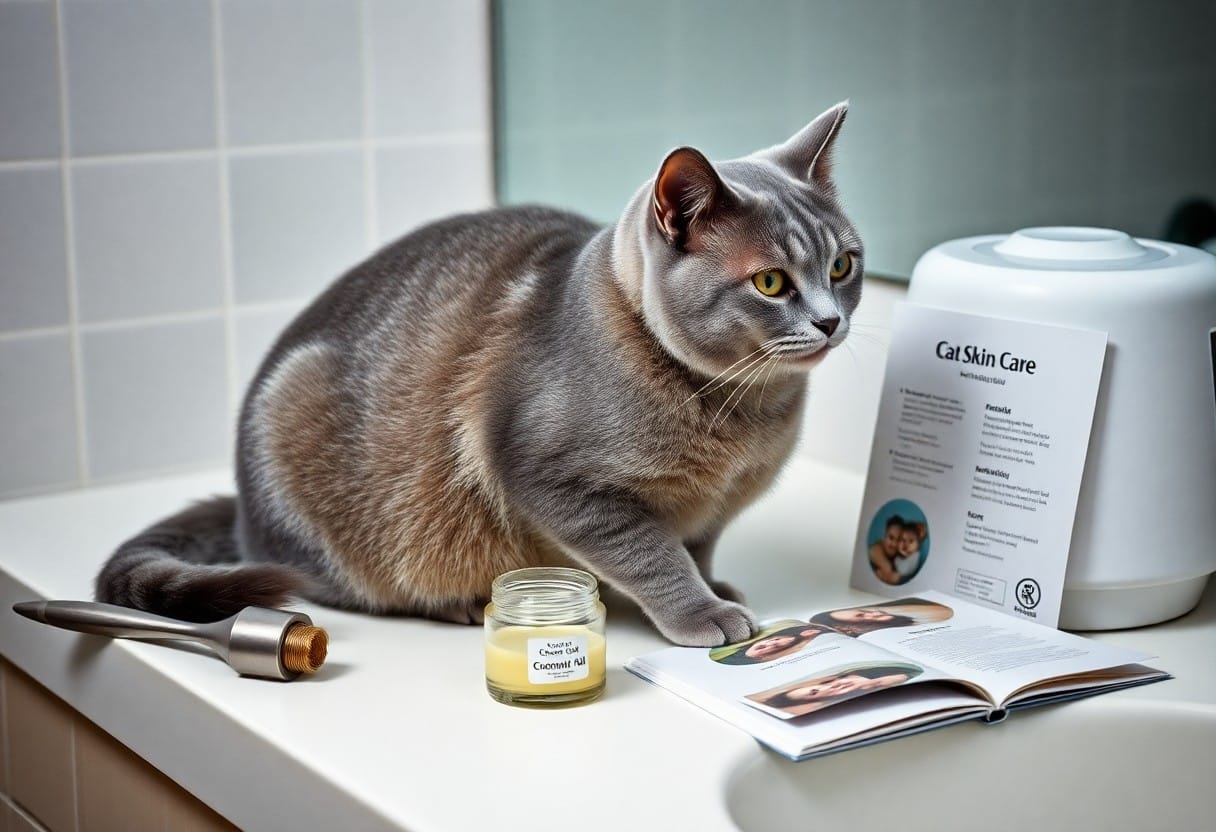
Regular grooming and targeted home remedies can reduce flakes and improve coat health; you should use gentle shampoos, balanced diet changes, and humidity control. Watch for excessive itching, sores, or signs of infection and consult a vet if conditions worsen.
Strategic Brushing to Distribute Natural Oils
Brushing your cat daily with a suitable brush spreads natural oils, removes loose hair, and reduces dandruff; be gentle around sensitive areas. Avoid over-brushing that may cause irritation and stop if you notice redness or discomfort.
Utilizing Cat-Safe Topical Treatments and Humidifiers
Consider using veterinarian-approved topical moisturizers and running a humidifier to ease dry skin; always check ingredient safety for cats and avoid human products. Monitor for allergic reactions and stop treatment if your cat shows worsening symptoms.
Use only vet-recommended topical emollients or omega-3 supplements; avoid necessary oils or human dandruff shampoos as they can be toxic or irritating. Set your humidifier to moderate humidity (about 40-50%) and clean it regularly to prevent mold. Watch for licking, redness, or increased scratching and consult your vet before steroid or long-term treatments.
Nutritional Strategies for Dermal Health
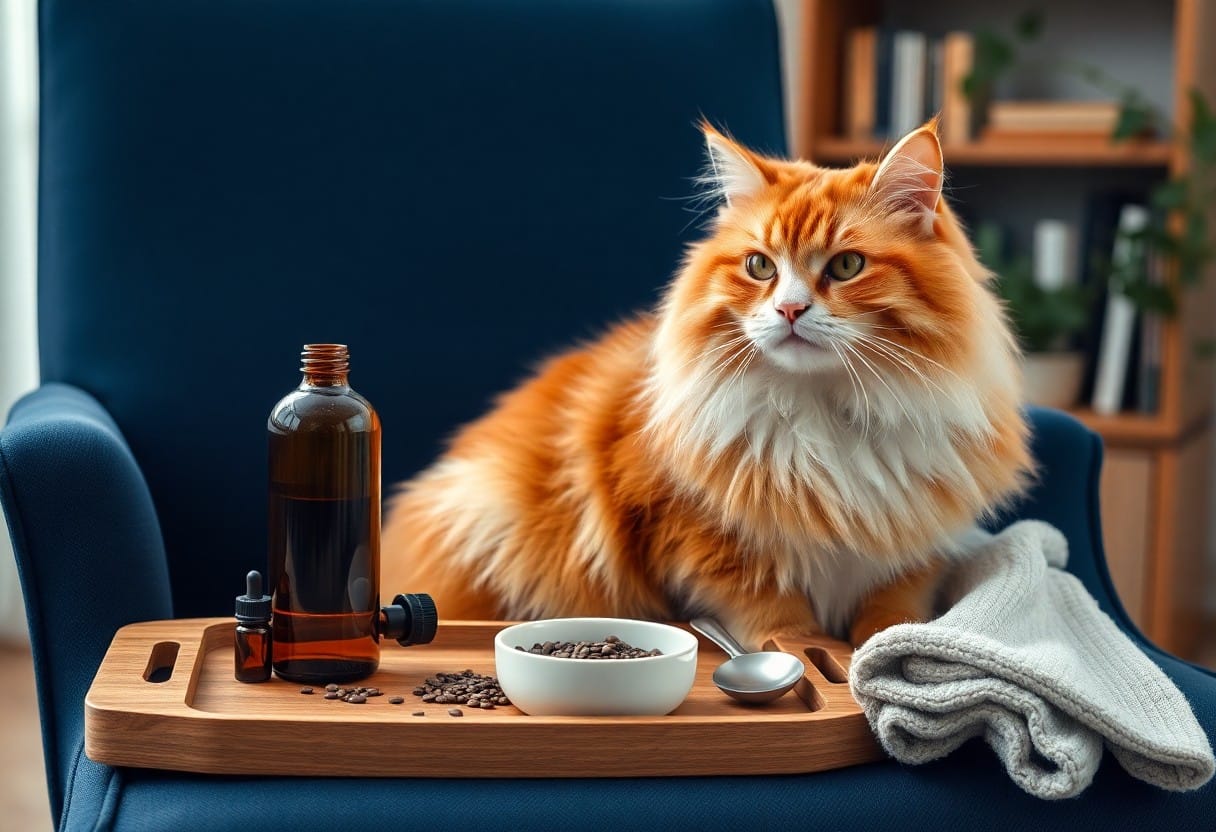
Dietary balance supports skin: ensure high-quality protein, adequate fats, and moisture so you reduce dandruff and itchy skin; work with your vet to pick formulas that address allergies or deficiencies.
Incorporating Essential Omega-3 Fatty Acids
Fish oil or omega-rich foods supply EPA/DHA that reduce inflammation and flaking; ask your vet for dosing so you avoid contaminated or excess products that can harm your cat.
Enhancing Hydration Through Dietary Adjustments
Water-rich diets and wet food increase skin moisture; offer broths, add water to kibble, and monitor intake so you prevent dehydration that worsens flaking.
Offering warmed low-sodium bone broth or mixing extra water into canned food helps you raise daily fluid intake; watch for reduced urine output, lethargy, or concentrated urine and consult your vet if dehydration or urinary issues appear, since those can be dangerous.
Clinical Warning Signs for Veterinary Intervention
Spot signs that demand veterinary care: open sores, rapid widespread hair loss, intense crusting, fever, or marked lethargy. If you see these, contact your vet promptly to avoid worsening infection or systemic illness.
Recognizing Inflammation, Redness, and Hair Loss
Check for localized redness, swelling, warm skin, or discrete patches of missing fur; severe redness, open lesions, or rapid hair loss should prompt a vet visit to rule out infection, parasites, or autoimmune issues.
Monitoring Behavioral Changes and Excessive Itching
Monitor changes in grooming, restlessness, or repeated scratching; constant itching, self-inflicted wounds, or sudden aggression signal pain or severe skin disease and need timely veterinary evaluation.
Watch for patterns like persistent night-time scratching, changes in appetite, or hiding; keep a log of frequency and triggers. Bring your notes and photos to the vet if you see open sores, fever, worsening lethargy, or continuous self-trauma, as these suggest systemic illness or severe infection.
Summing up
To wrap up, you can reduce your cat’s dandruff with regular brushing, a balanced diet, proper hydration and hypoallergenic grooming products; consult your veterinarian if flakes, itching or hair loss persist to check for allergies, parasites or skin disease.
FAQ
Q: Why does my cat have dandruff?
A: Dandruff appears when dead skin cells accumulate and flake off the coat. Dry indoor air, seasonal changes, or frequent bathing that strips natural oils often cause dry, flaky skin. Poor grooming from obesity, arthritis, dental pain, or stress can allow flakes to build up. Nutritional shortfalls, especially low imperative fatty acids, may lead to dry, scaly skin. External factors such as fleas, mites, fungal infections, or allergies also produce visible dandruff. Systemic illnesses like thyroid disease, diabetes, or kidney problems sometimes present with skin changes including dandruff.
Q: How can I treat mild dandruff at home?
A: Regular grooming with a soft brush removes loose flakes and spreads natural oils, improving coat condition. Bathing with a cat-safe moisturizing shampoo every few weeks can help, but avoid over-bathing which worsens dryness. Increasing indoor humidity with a humidifier reduces skin dryness during heating seasons. Switching to a high-quality diet rich in omega-3 fatty acids or using a veterinarian-recommended supplement often improves skin health; check with your veterinarian for product choice and dosing. Ensure flea prevention is current and look for signs of mites or infection before using over-the-counter treatments. Gentle weight management and pain control for arthritic cats restore grooming ability and reduce flake buildup.
Q: When should I take my cat to the veterinarian?
A: Visit a veterinarian if dandruff is severe, persistent despite home care, or accompanied by intense itching, hair loss, sores, scabs, foul odor, or behavior changes. Concurrent signs such as increased thirst, urination, vomiting, or weight loss suggest an underlying medical issue that requires blood tests. The veterinarian can perform skin scrapings, fungal cultures, parasite checks, or bloodwork to identify infections or systemic disease. Prescription medicated shampoos, topical or oral medications, parasite control, or therapeutic diets may be recommended based on the diagnosis.