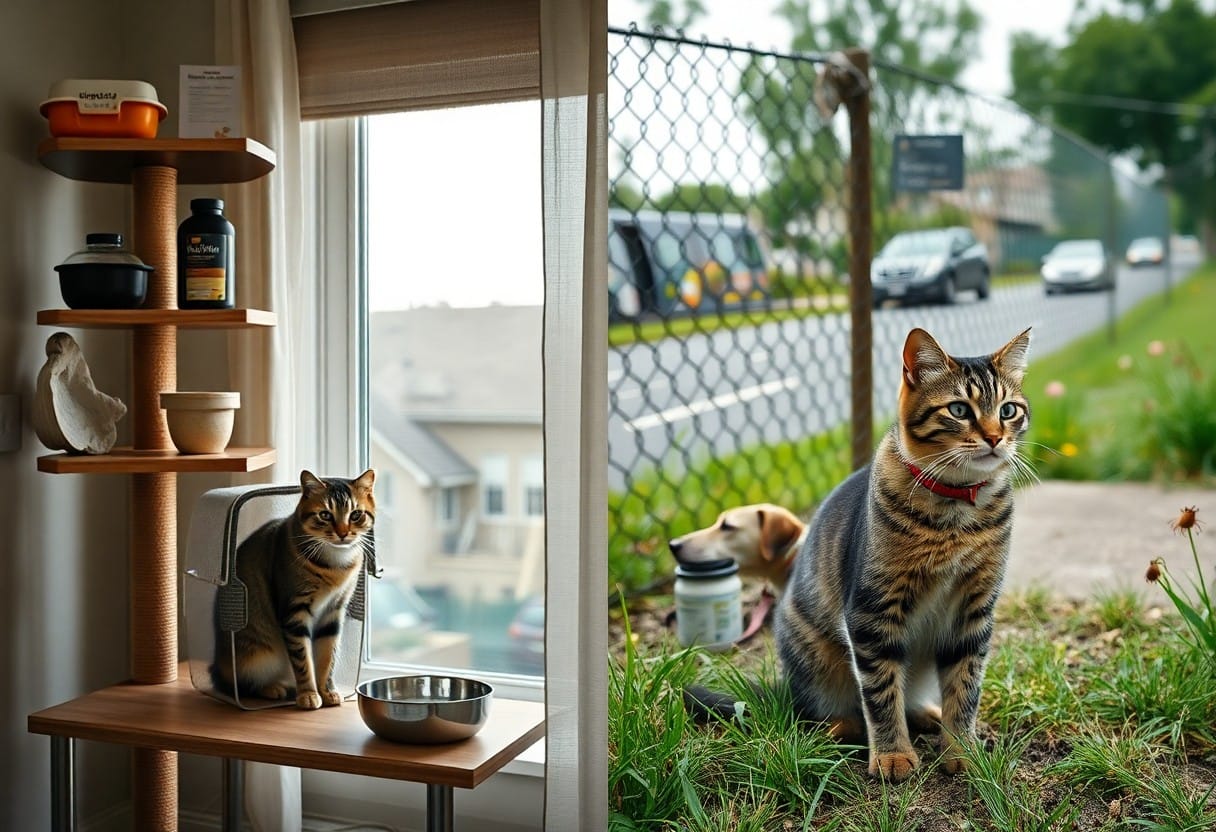
Safety should be a top priority when you weigh the benefits and risks of keeping your cat Indoor or allowing supervised Outdoor time. Your choice affects your cat’s Health, longevity, behavior and the safety of local wildlife and people.
If your cat spends time Outdoor, you must manage exposure to disease, parasites, vehicle traffic, aggressive animals, toxic substances and the risk of theft or getting lost. Outdoor cats face higher rates of FIV, FeLV and bite-related infections, and they are more likely to encounter predators or be injured. Seasonal hazards such as antifreeze, pesticides and hot surfaces also threaten Safety.
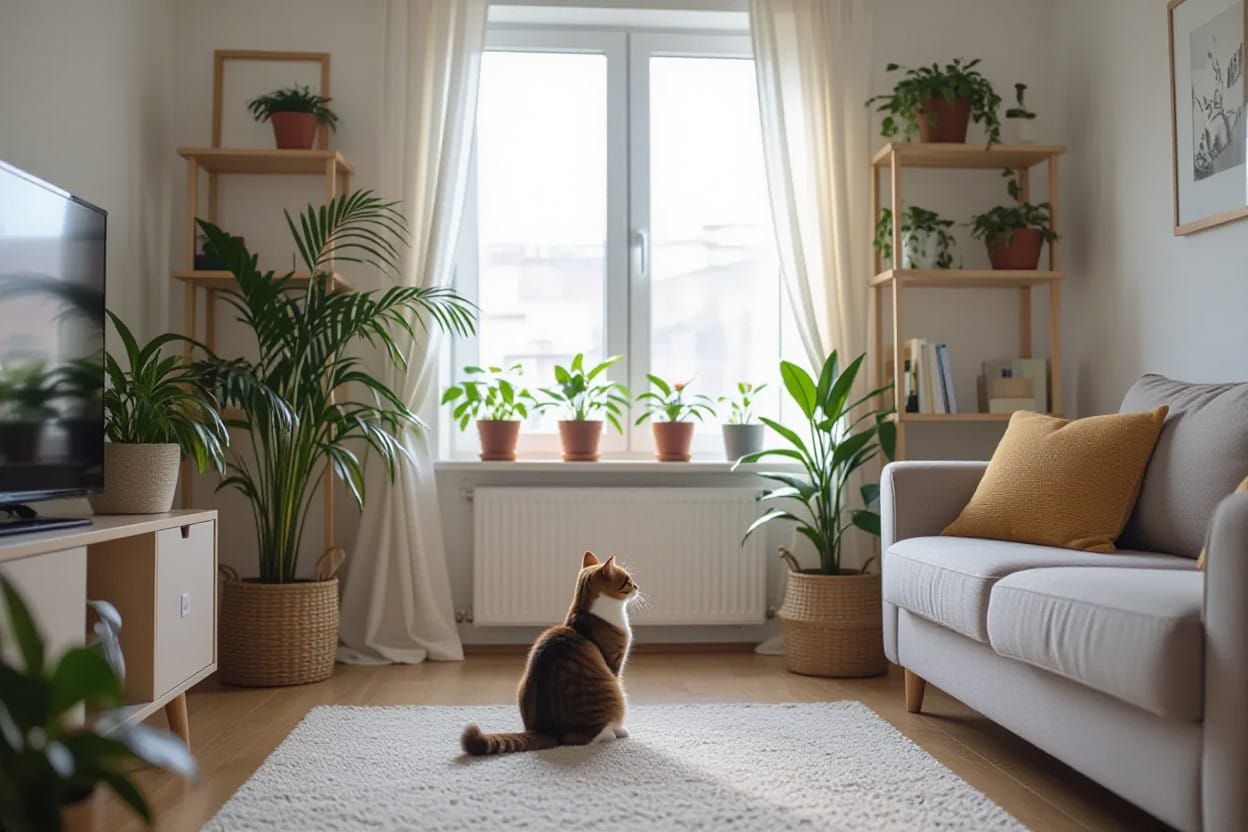
Keeping your cat Indoor greatly reduces those external threats but introduces risks tied to inactivity and boredom: obesity, stress, inappropriate elimination and destructive behavior. You can offset these by providing environmental enrichment-vertical climbing spaces, interactive play, food puzzles, window access, and varied tactile surfaces-to support natural hunting and exploratory behaviors.
Preventive care and practical Safety measures apply whether your cat is primarily indoor or outdoor. Keep vaccinations and parasite control current, ensure spay/neuter status, use a secure ID collar and microchip your pet. For outdoor access, consider a catio, supervised leash walks with a harness, or timed outings at low-traffic hours. Secure balconies and windows, remove or restrict access to toxic plants and chemicals, and store medicines and cleaners out of reach.
Decide based on your cat’s age, temperament, medical history, neighborhood environment and local regulations. You can combine approaches-maintain an Indoor lifestyle while offering controlled Outdoor experiences-to balance physical exercise, mental stimulation and Safety. Discuss options with your veterinarian to tailor a plan that protects your cat and the community while supporting your pet’s welfare.