Over time you may see glossier fur and improved muscle tone from a raw diet, but you must weigh benefits against bacterial contamination and nutrient imbalance; consult your veterinarian for safe sourcing, correct supplementation, and monitoring for your indoor cat.
The Biological Rationale for Raw Feeding
Cats require high animal-based protein and specific nutrients like taurine and arachidonic acid, so you may consider raw diets to match those needs; raw feeding can supply natural amino acids but also carries bacterial and parasite risks you must manage.
Understanding the Obligate Carnivore Diet
You should know your cat needs animal-sourced protein, taurine and arachidonic acid, minimal carbohydrates, and specific vitamins found in prey; commercial raw plans must be formulated to avoid nutrient deficiencies that can harm heart and vision.
Mimicking Ancestral Prey Models for Indoor Cats
Prey-based meals aim to replicate muscle, organ, and bone ratios so your cat receives calcium, phosphorus, and organ-derived vitamins; whole-prey balance helps nutrition but raw bones and improper organ ratios present choking and toxicity risks.
Balancing muscle, organ, bone, and fat in your recipes demands careful ratios (roughly 80:10:5:5 as a starting point); you must ensure an appropriate calcium-to-phosphorus ratio, limit liver to prevent vitamin A excess, and use strict hygiene to reduce pathogen exposure.
Key Nutritional Advantages
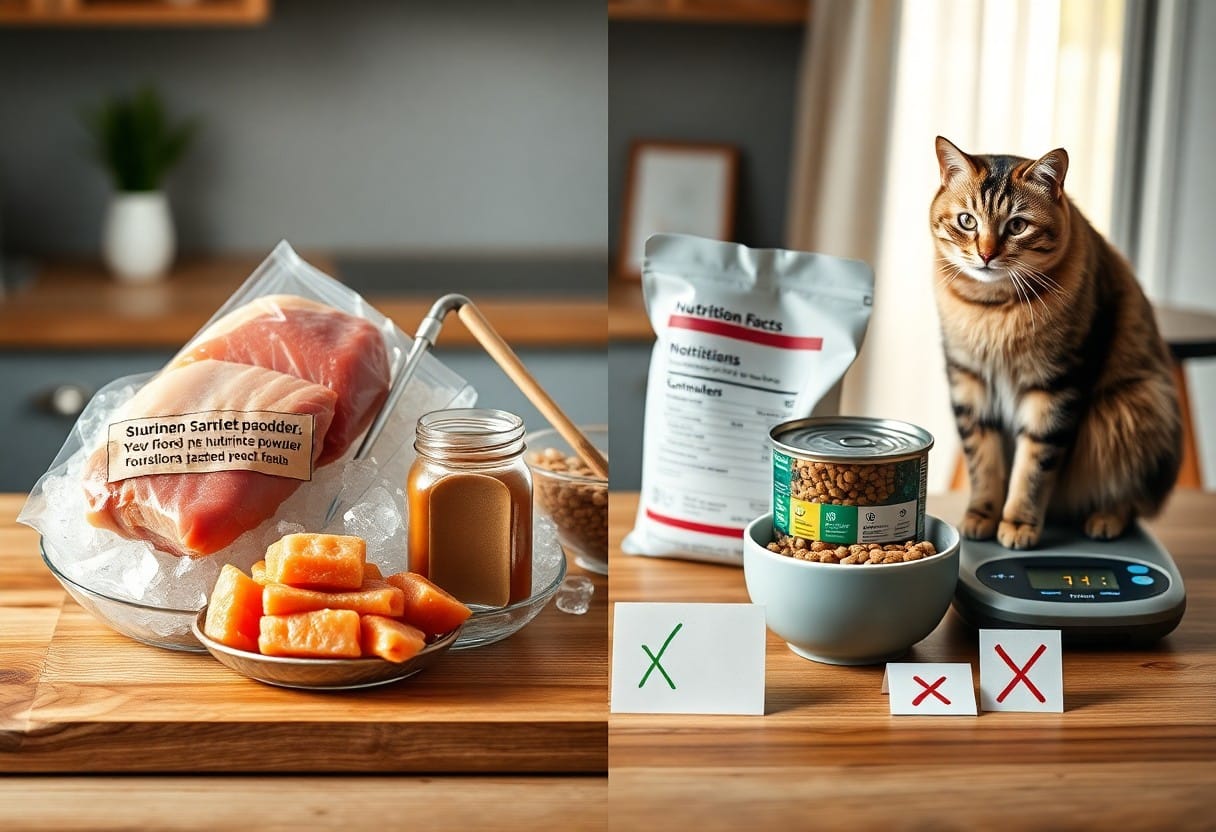
Raw diets can offer you higher protein digestibility and concentrated nutrients, potentially reducing reliance on fillers while supplying important amino acids.
High Moisture Content and Renal Health
Moisture-rich meals help you maintain hydration, supporting kidney function and lowering risk of urinary issues; watch for bacterial contamination and balance feeding with veterinary guidance.
Superior Bioavailability of Essential Proteins
Digestibility of raw proteins gives you more usable amino acids per calorie, which can support lean muscle and coat condition; ensure adequate taurine to prevent cardiac or retinal problems.
Careful sourcing and proper formulation protect you from pathogens, while regular testing and vet-reviewed recipes ensure correct taurine and calcium ratios to avoid long-term deficiencies.
Potential Health Risks and Pathogen Exposure
Raw diets expose you and your cat to a higher risk of bacterial and parasitic contamination, increasing chances of salmonella, campylobacter, and other zoonotic infections that can affect household members.
Bacterial Contamination and Zoonotic Concerns
Bacterial contamination can transfer from raw meat to your hands, surfaces, and pets, so you may introduce salmonella or campylobacter into the home, posing greatest danger to children, elderly, and immunocompromised people.
Risks of Internal Injury from Bone Fragments
Bones in raw meals can splinter and cause oral cuts, esophageal punctures, or intestinal blockages, so you should avoid feeding whole or brittle bones and watch for choking behavior.
Splintered bone fragments can cause perforation or obstruction, leading to severe pain, vomiting, bloody stool, fever, or collapse; signs often appear within hours to days. If you observe these symptoms, seek immediate veterinary care because diagnosis may require X‑rays or surgery. Consider boneless cuts, ground bone (if balanced), or vetted commercial raw formulas as safer options.
Addressing Nutritional Imbalances
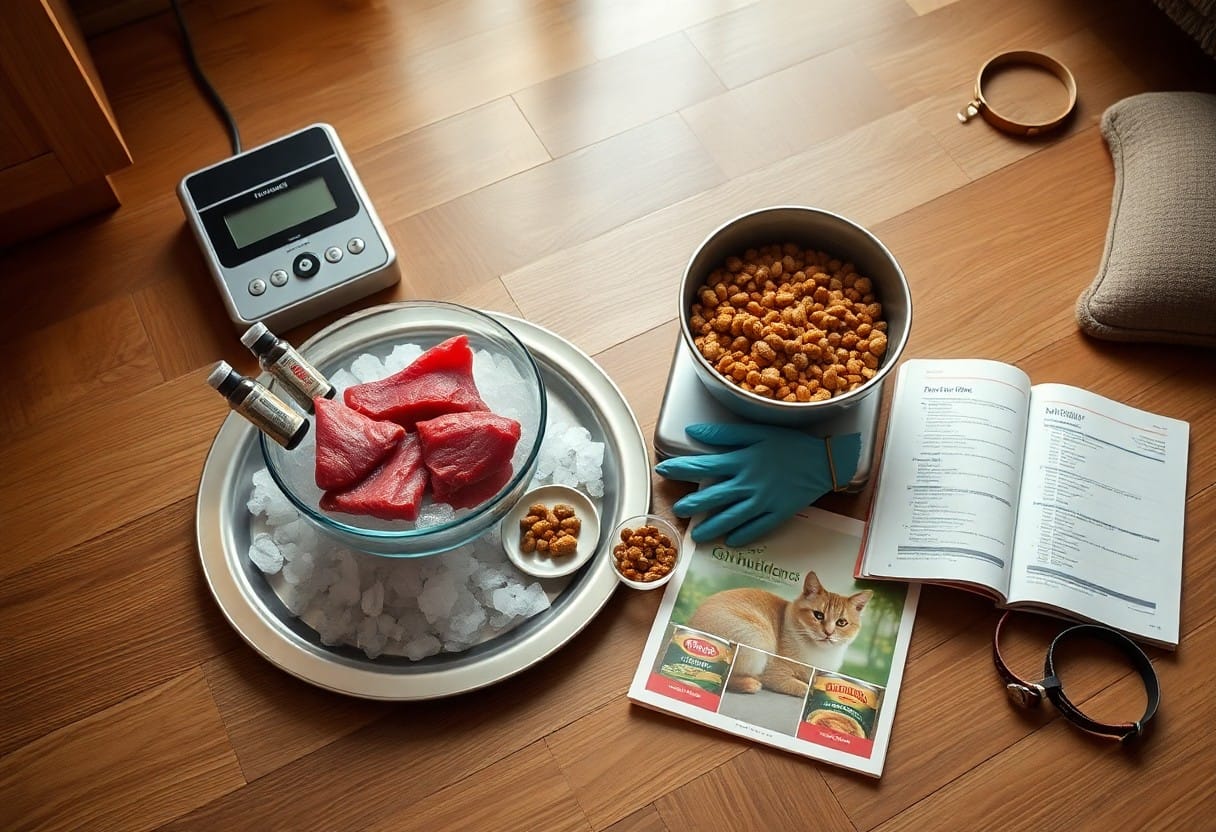
Dietary imbalances on raw plans can leave you with a cat deficient in taurine, calcium, or B vitamins, increasing risk of heart, vision, and bone problems; you must monitor nutrient adequacy and seek professional guidance to prevent these harmful outcomes.
Common Micronutrient and Taurine Deficiencies
Taurine deficiency in raw-fed cats can produce dilated cardiomyopathy and progressive retinal degeneration leading to blindness, so you should ensure proper supplementation and regular testing to catch problems early.
The Necessity of Veterinary-Formulated Recipes
Veterinary-formulated recipes deliver balanced nutrient profiles with built-in supplements so you avoid dangerous shortfalls like low taurine or improper calcium:phosphorus ratios.
Consult your veterinarian or a board-certified veterinary nutritionist to obtain recipes that meet AAFCO or NRC targets, include necessary synthetic vitamins and minerals, and outline safe preparation to reduce pathogen risk. You should also schedule periodic bloodwork to detect deficiencies before they cause irreversible blindness or dilated cardiomyopathy.
Lifestyle Impacts for Indoor Cats
Indoor cats often show shifts in activity and grooming on raw diets; you may notice a shinier coat and more energy, but also an increased risk of bacterial exposure and digestive upset, so weigh short-term benefits against potential health hazards.
Weight Management and Lean Muscle Maintenance
Protein-rich raw meals can help you maintain lean muscle and control weight, but you must monitor calories and portion size to prevent obesity or deficiencies; consult your vet to ensure balanced nutrition.
Changes in Stool Quality and Litter Box Odor
Expect firmer, smaller stools for some cats, while others develop loose stools or stronger litter-box odors; you should track consistency and smell, and act if you spot blood, persistent diarrhea, or foul odor.
Monitoring stool frequency, color and odor helps you detect dehydration, infection, or dietary intolerance early; if stools are watery, contain blood, or your cat shows lethargy, seek immediate veterinary care because of risk of serious bacterial infection.
Practical Considerations for Owners
You must weigh daily prep time, consistent vet checks, and the risk of bacterial contamination against benefits like improved coat condition; plan for supplements to prevent nutritional deficiencies and keep records of any health changes.
Rigorous Hygiene and Preparation Protocols
Hygiene practices you enforce-clean surfaces, separate tools, and strict refrigeration-reduce bacterial risks; wear gloves, sanitize bowls, and discard unused portions promptly.
Cost Analysis Compared to Premium Commercial Diets
Budget concerns you face include higher ingredient and prep costs, though per-serving prices can match premium kibbles when buying bulk; factor time and vet consultations into total cost.
Comparing long-term expenses, you must include supplement, storage, spoilage, and vet-monitoring fees; time investment often makes raw diets costlier despite cheaper raw ingredients.
Cost Breakdown
| Ingredients | Variable: premium proteins raise costs significantly |
| Preparation time | Adds labor value and opportunity cost |
| Supplements | Monthly expense to prevent deficiencies |
| Storage & spoilage | Freezer space and wasted food increase outlay |
| Vet monitoring | Regular tests and visits add recurring costs |
Conclusion
Following this, you should weigh benefits like improved ingredient control and potential weight management against risks of bacterial contamination, nutrient imbalances, and higher cost, and consult your veterinarian to determine if a carefully planned raw diet suits your indoor cat’s health and lifestyle.